


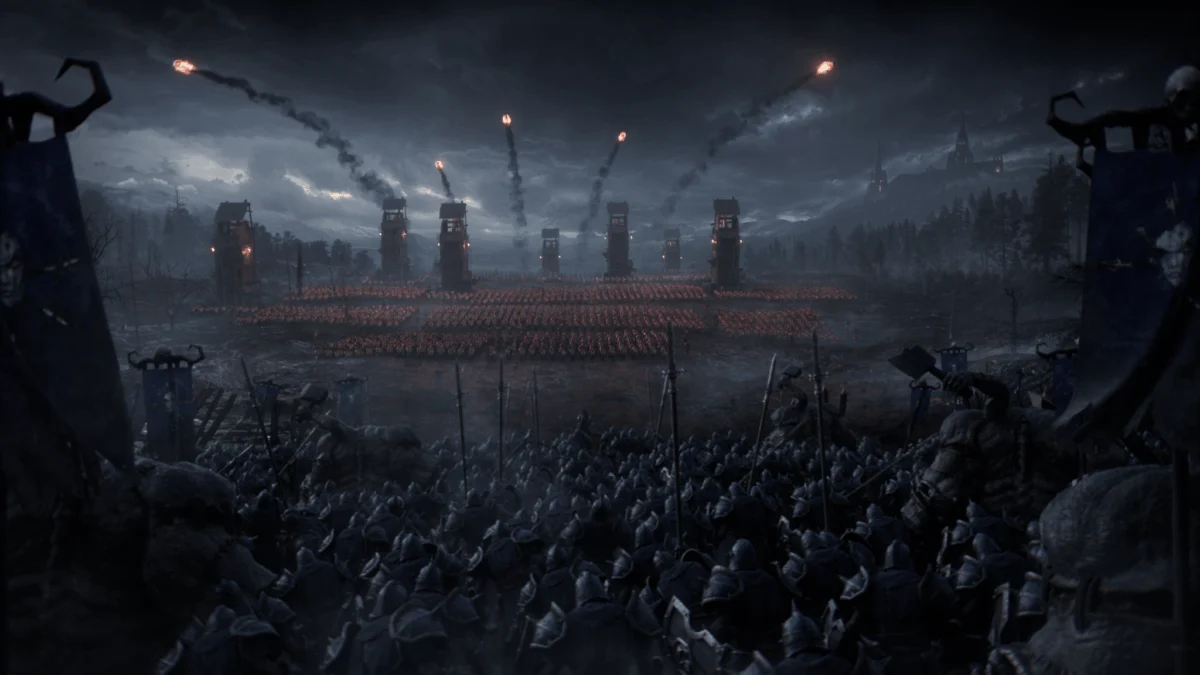
Warcraft III Forsaken Kingdom marks a significant and unexpected milestone in the history of real-time strategy gaming, arriving as a major expansion twenty-three years after the franchise’s last narrative addition, The Frozen Throne. Unveiled by Blizzard Entertainment at BlizzCon, the expansion serves as both a content update and a technical corrective, introducing two new campaigns, a new neutral hero, and a comprehensive graphical overhaul intended to address the long-standing criticisms of the 2020 Reforged edition. This expansion represents a strategic attempt to bridge the narrative gap between the conclusion of the Third War and the beginning of the World of Warcraft era, while simultaneously revitalizing one of the most influential titles in the history of the RTS genre.
The Historical Evolution of the Warcraft RTS
To contextualize the release of Forsaken Kingdom, it is necessary to examine the trajectory of the series which began its most transformative phase in 2001. During this era, Blizzard Entertainment was competing in a "golden age" of real-time strategy, contending with high-profile franchises such as Command & Conquer and Age of Empires. While StarCraft had already established Blizzard as a leader in the competitive esports scene, Warcraft III: Reign of Chaos introduced a fundamental shift in the genre by integrating heavy Role-Playing Game (RPG) elements into the traditional RTS framework.
The introduction of Hero units—unique characters with leveling systems, inventory slots, and powerful abilities—fundamentally altered the pacing and strategy of the game. Furthermore, the inclusion of four distinct playable races (Humans, Orcs, Undead, and Night Elves) added a layer of asymmetrical balance that many critics initially feared would hinder competitive play. Contrary to these predictions, Warcraft III became a cornerstone of global esports. Perhaps even more impactful was the inclusion of the World Editor, a powerful toolset that allowed the community to create custom maps and game modes. This tool famously birthed the Multiplayer Online Battle Arena (MOBA) genre through the creation of Defense of the Ancients (Dota), a legacy that continues to dominate the gaming industry today.

However, the release of World of Warcraft (WoW) in 2004 shifted the company’s internal focus toward the Massively Multiplayer Online (MMO) market. For nearly two decades, the Warcraft RTS lived in the shadow of its MMO successor, receiving only minor balance patches and maintenance updates until the announcement of a remaster.
The Legacy of the Reforged Controversy
The path to Forsaken Kingdom was paved by the highly controversial launch of Warcraft III: Reforged in January 2020. Marketed as a ground-up reimagining of the classic game, Reforged was met with widespread critical and consumer backlash. Users cited a litany of issues, including downgraded graphics compared to early trailers, the removal of established social features from the original Battle.net client, and a restrictive End User License Agreement regarding custom maps.
The failure of Reforged was viewed by many as a departure from the "Blizzard Quality" philosophy, which historically prioritized game polish and delayed releases over meeting quarterly deadlines. In the years following 2020, Blizzard worked incrementally to patch the title and offer refunds to dissatisfied customers. Forsaken Kingdom arrives in this post-recovery environment, carrying the weight of expectation that it will finally deliver the "definitive" modern Warcraft III experience that Reforged initially promised.
Narrative Scope: Bridging the Four-Year Gap
Forsaken Kingdom focuses its narrative efforts on the four-year chronological period between the end of the Warcraft III campaigns and the start of World of Warcraft. The story begins in the immediate aftermath of the Human Campaign in Reign of Chaos, where Prince Arthas Menethil returns to Lordaeron to assassinate his father, King Terenas.

The expansion is structured into two primary components: a four-chapter Prologue Campaign and the expansive Forsaken Campaign. The Prologue provides a granular look at the collapse of the Kingdom of Lordaeron, beginning minutes before the cinematic conclusion of the original game. In a notable subversion of RTS tropes, the first mission tasks the player with the mundane but narratively poignant goal of delivering roses to the palace entrance, setting the stage for the rose-petal-strewn homecoming of Arthas.
The main Forsaken Campaign delves into the origins of the Forsaken faction and the rise of Sylvanas Windrunner as the Banshee Queen. It explores the geopolitical shifts in Northern Lordaeron and the construction of the Undercity, providing essential context for players who transitioned from the RTS games to World of Warcraft. This narrative bridge is designed to satisfy lore enthusiasts who felt the transition between the two games was previously too abrupt.
Gameplay Analysis: The Shift Toward Hero-Centric Missions
A defining characteristic of the Forsaken Kingdom campaigns is their departure from traditional RTS mechanics. According to internal data and player reports, only approximately ten percent of the gameplay in the Prologue Campaign involves traditional base-building, resource gathering, and army production. Instead, the expansion leans heavily into the "Action-RPG hybrid" style previously seen in the Rexxar "Founding of Durotar" campaign from The Frozen Throne.
Players typically control two primary heroes supported by a small, specialized squad of soldiers. Missions emphasize tactical positioning, ability management, and environmental interaction over economic management. One specific mission even mirrors the structure of a MOBA, serving as a self-referential nod to the game’s history with the Dota mod.

While this approach makes the campaign highly accessible to World of Warcraft veterans who may find complex RTS macro-management daunting, it has drawn some criticism from RTS purists. The lack of traditional "skirmish-style" campaign missions suggests a design philosophy focused on narrative intimacy rather than large-scale military simulation. Observers have noted that this shift may reflect a modern Blizzard design ethos that favors controlled, scripted experiences over the unpredictable AI-driven battles of the early 2000s.
Technical Overhaul and Multiplayer Additions
Forsaken Kingdom introduces a new graphical set that aims to reconcile the aesthetic rift created by Reforged. The updated visuals offer improved model fidelity and lighting while attempting to maintain the distinct "chunkier" silhouette of the original 2002 designs. While these updates currently apply only to the new expansion content, Blizzard has indicated that the original Reign of Chaos and The Frozen Throne campaigns will receive these graphical updates in a future patch.
In the multiplayer arena, the expansion introduces the "Forsaken Paladin" as a new Tavern Hero. This represents the first addition to the neutral hero pool in over a decade. The Forsaken Paladin features the "Sacred Aura" passive ability, providing a defensive utility that can be utilized by any of the four primary races. However, early competitive analysis suggests the hero is relatively conservative in design, offering solid but unspectacular utility compared to established staples like the Pandaren Brewmaster or the Demon Hunter.
A point of significant contention in the community is the expansion’s technical requirements. Forsaken Kingdom removes all remaining Local Area Network (LAN) options and enforces an "always-online" requirement. This move has been met with resistance from preservationists and players in regions with unstable internet connectivity, continuing a trend in modern Blizzard titles that prioritizes platform security and data tracking over legacy features.

Broader Implications and Market Impact
The release of Forsaken Kingdom, priced at approximately $30 USD, signals Blizzard’s renewed interest in its legacy RTS portfolio. The expansion provides roughly 20 to 30 hours of new content, depending on the player’s familiarity with the mechanics and the chosen difficulty level.
From an industry perspective, the expansion arrives at a time when the RTS genre is seeing a modest resurgence, with titles like Stormgate and Age of Mythology: Retold vying for the attention of a classic audience. By reinvesting in Warcraft III, Blizzard is attempting to reclaim its position at the center of the genre it helped define.
In conclusion, Warcraft III: Forsaken Kingdom is a calculated effort to mend the relationship between Blizzard and its core RTS community. While it succeeds as a narrative bridge and a graphical improvement over the 2020 remaster, its heavy lean toward RPG mechanics and the removal of offline features indicate a modern transformation of the classic title. For dedicated fans of the Warcraft lore, the expansion offers a high-quality return to Azeroth; for RTS traditionalists, it remains a polished, if somewhat unconventional, addition to the legendary franchise.