


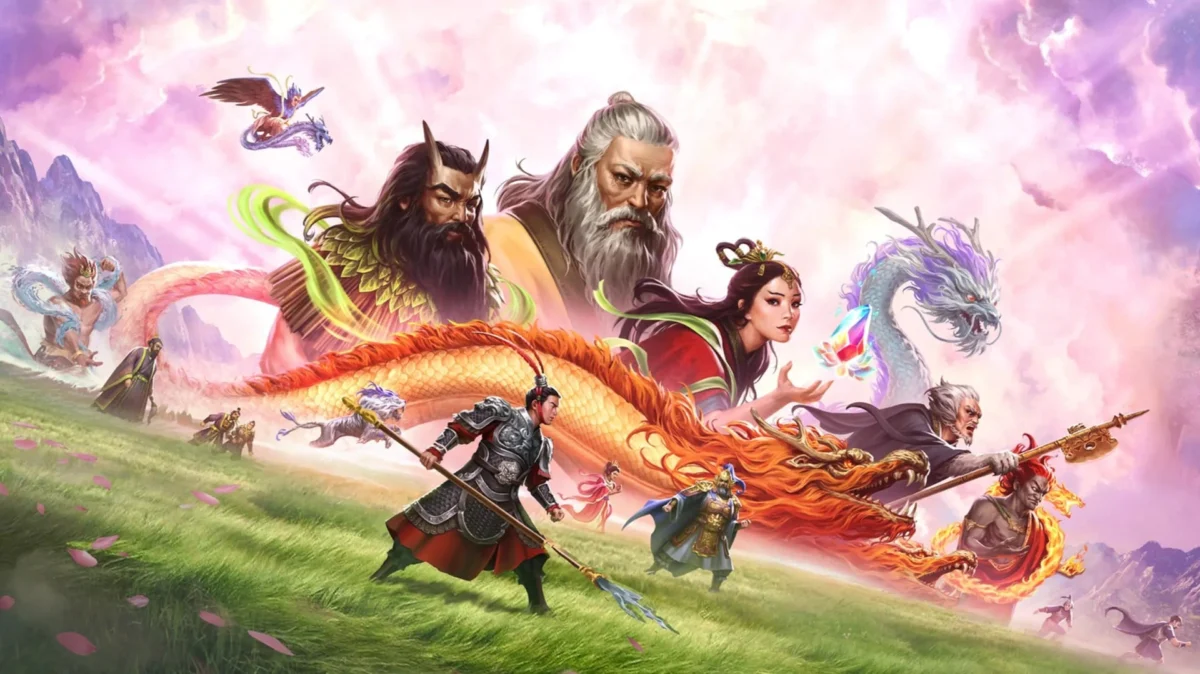
The strategic realignment of Microsoft’s Xbox division, marked by the integration of Activision Blizzard, has led to substantial restructuring across its numerous studios, most recently impacting World’s Edge, the studio primarily responsible for the venerable Age of Empires franchise. Reports emerging from former employees indicate that a significant portion of the studio’s workforce has been laid off, coinciding with the cancellation of an unannounced project, as the studio transitions under the Activision umbrella. This development underscores the profound and often challenging implications of large-scale corporate mergers within the dynamic video game industry.
The Unfolding Events at World’s Edge
Recent revelations have shed light on the extent of the impact on World’s Edge, a studio revered by fans of real-time strategy (RTS) games. While Microsoft’s broader layoff announcements earlier in the week hinted at widespread job cuts across Xbox Game Studios, specific details regarding individual studios and projects have gradually surfaced through the public statements of affected developers. The situation at World’s Edge appears particularly acute, with direct links drawn between the layoffs, a project cancellation, and the studio’s new operational alignment under Activision.
Developer Testimonies and Project Cancellation
A former Senior Software Engineer from World’s Edge provided a candid account of the events in their departure note, which quickly circulated online. The statement explicitly linked the studio’s reorganization under Activision with both a project cancellation and significant layoffs. "Today our studio was reorganized to be under the Activision umbrella," the engineer wrote. "As part of that reorg, our next project was cancelled and a large chunk of our studio was laid off. I was part of that layoff." This direct testimony offers a rare glimpse into the internal mechanisms of corporate restructuring and its immediate human cost, confirming not only the job losses but also the shelving of a future title.
While Microsoft’s official statements regarding the broader layoffs, which reportedly impacted 1,900 employees across Xbox, Activision Blizzard, and ZeniMax, did not mention specific game cancellations, the developer’s account suggests that some projects, particularly those in nascent stages, were deemed expendable in the post-merger landscape. The exact nature of the cancelled project remains undisclosed. However, given World’s Edge’s historical focus, speculation, notably from industry observers and sister publications like Push Square, points towards a potential Age of Empires 5 or another significant expansion within its established franchises, such as Age of Mythology. The fact that the project was cancelled as part of a "reorg" suggests it might not have aligned with the new strategic priorities or resource allocation models following the Activision integration.
Further insights came from Adam Isgreen, a former creative director at World’s Edge, who also confirmed his departure. Isgreen expressed profound gratitude for his time at Microsoft and the opportunities it afforded him, but also conveyed deep disappointment regarding the circumstances. "I am of course disappointed that this is the way the time with World’s Edge and Age ends for myself and many of my talented teammates that were also impacted – we had some great plans for what’s next – and I hope the team that remains can rise to the occasion down the line," Isgreen stated. His comments not only corroborate the widespread nature of the layoffs but also highlight the loss of creative momentum and potential future innovations that were in the pipeline. The mention of "great plans for what’s next" further emphasizes the studio’s ambition prior to the restructuring, making the cancellation even more poignant for those involved.
The Activision Blizzard Integration Context
The shift of World’s Edge under the "Activision umbrella" is a critical detail. Microsoft’s monumental $69 billion acquisition of Activision Blizzard, finalized in October 2023 after extensive regulatory scrutiny, was touted as a transformative move for Xbox, aiming to bolster its content library, expand its reach in mobile gaming, and strengthen its position in the competitive gaming market. However, such large-scale integrations frequently involve significant organizational changes, including consolidation, redundancy elimination, and strategic re-prioritization to streamline operations and maximize synergy.
The integration process often leads to difficult decisions regarding existing projects, especially those that might not fit neatly into the acquiring company’s immediate strategic vision or which overlap with titles already in development across the expanded portfolio. For World’s Edge, a studio historically aligned with Microsoft’s internal PC gaming and RTS initiatives, being placed under Activision could signify a shift in its operational mandate, potentially focusing more on specific types of projects or platforms that align with Activision’s existing strengths or future growth areas. This reorganization is a clear indication that the integration is not merely about adding new studios but about fundamentally re-evaluating the entire content pipeline and operational structure of Xbox Game Studios.
World’s Edge: A Legacy in Real-Time Strategy
To fully grasp the significance of these developments, it is essential to understand World’s Edge’s role within Microsoft’s gaming ecosystem. Formed in 2019, World’s Edge was established by Microsoft specifically to oversee the Age of Empires franchise and other historical strategy titles. Its creation signaled a renewed commitment from Microsoft to the PC gaming market and, more specifically, to the real-time strategy genre, which had seen fluctuating fortunes over the years.
The Age of Empires Franchise
The Age of Empires series is a cornerstone of PC gaming history, renowned for its blend of historical simulation, economic management, and tactical warfare. World’s Edge, while not directly developing all titles in-house, has been instrumental in stewarding the franchise’s revival and continued success. This includes overseeing the development of Age of Empires IV (developed by Relic Entertainment) and the various definitive editions of older titles (Age of Empires II: Definitive Edition, Age of Empires III: Definitive Edition), as well as the upcoming Age of Mythology: Retold.
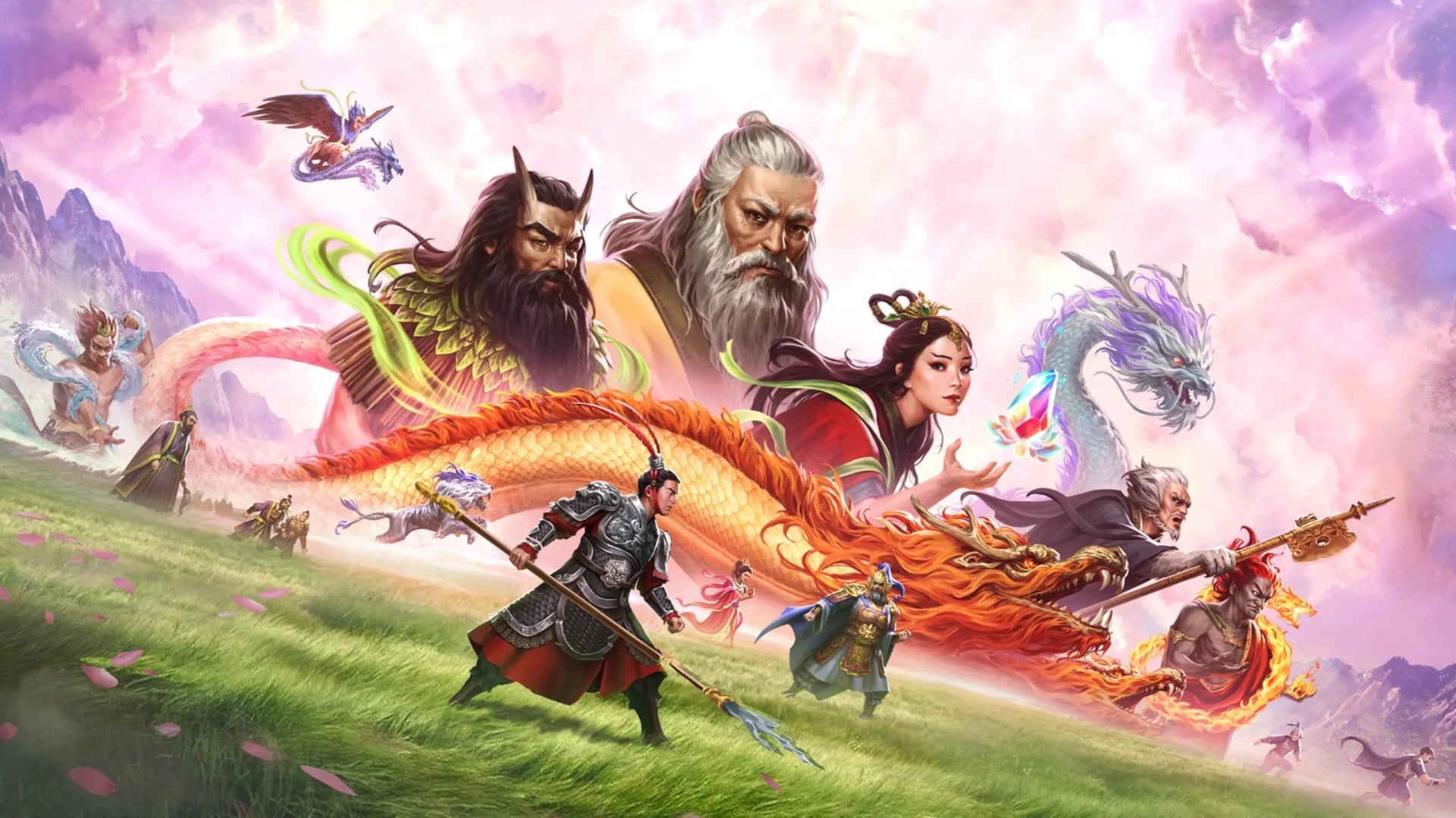
These projects have been critical in modernizing the classic RTS experience for contemporary audiences, introducing new content, improving graphics, and refining gameplay mechanics. The studio’s commitment to these titles demonstrated Microsoft’s dedication to nurturing its legacy IPs and catering to a dedicated PC player base. The success of Age of Empires IV and the continued popularity of the definitive editions underscored the viability of the RTS genre, particularly when handled with care and respect for its roots.
Speculation on the Cancelled Project
Given World’s Edge’s portfolio, the cancelled project was almost certainly a new entry or significant expansion within its core competency. The most prominent speculation, as mentioned by Push Square, centers on Age of Empires 5. A direct sequel to Age of Empires IV would be a natural progression for the studio, leveraging its expertise and the success of the prior installment. Alternatively, it could have been a new IP within the strategy genre or a substantial piece of content for one of the existing Age of Empires titles, perhaps an ambitious expansion or a spin-off.
The fact that the project was described as "our next project" by the former engineer suggests it was beyond the conceptual stage and had entered active development, even if in its "infancy" as speculated. This implies that resources, time, and creative energy had already been invested, making its cancellation a significant setback not just for the team but also for the future pipeline of strategy games from Xbox.
Broader Industry Trends and Microsoft’s Strategy
The layoffs at World’s Edge and the cancellation of a project are not isolated incidents but rather reflective of broader trends sweeping across the technology and gaming industries.
A Wave of Layoffs Across Tech and Gaming
The period spanning late 2023 and early 2024 has been characterized by a wave of significant layoffs across the tech sector, and the video game industry has been particularly hard hit. Major publishers and developers, including Epic Games, Unity, Embracer Group, Riot Games, and numerous others, have announced thousands of job cuts. Economic uncertainties, post-pandemic market corrections, over-hiring during the boom years, and a renewed focus on profitability and efficiency have all contributed to this challenging environment.
Microsoft itself has been part of this trend, having initiated several rounds of layoffs across its various divisions, including Xbox. The 1,900 job cuts announced across Xbox, Activision Blizzard, and ZeniMax represented approximately 8% of the total Microsoft Gaming division’ workforce. These cuts are often framed by companies as necessary adjustments to optimize operations, streamline structures, and ensure long-term sustainability in a more competitive and cost-conscious market.
Microsoft’s Post-Acquisition Landscape
The integration of Activision Blizzard into Microsoft’s gaming portfolio represents a massive undertaking. Beyond the initial acquisition, the company faces the complex task of harmonizing diverse corporate cultures, technology stacks, and development pipelines. This often involves difficult decisions about which projects to prioritize, which teams to consolidate, and where to reallocate resources.
The stated rationale for the Activision Blizzard acquisition included expanding Game Pass offerings, gaining a stronger foothold in mobile gaming through titles like Call of Duty Mobile and Candy Crush, and leveraging Activision’s expertise in live-service games. In this context, projects that do not directly align with these immediate strategic imperatives, or those that might be perceived as redundant, could become targets for cancellation or re-evaluation. The move to place World’s Edge under Activision could indicate a desire to integrate the studio more closely into a broader development strategy that might prioritize different genres or business models than its historical focus.
Strategic Realignments Within Xbox Game Studios
The restructuring at World’s Edge also speaks to a larger realignment within Xbox Game Studios (XGS). With over two dozen studios under its banner, XGS has an immense and diverse development pipeline. Managing this portfolio effectively requires constant evaluation of project viability, resource allocation, and strategic fit. The cancellation of a project, even one with potential, might be a consequence of a more disciplined approach to portfolio management, especially after such a significant acquisition.
Microsoft’s strategy has increasingly focused on Game Pass as its core offering, alongside a push for cross-platform play and a greater emphasis on live-service titles that can sustain player engagement over long periods. While Age of Empires has successfully adopted live-service elements, any new project would need to demonstrate strong potential to contribute to these overarching goals in a highly competitive market.

Implications for the Future of Xbox and RTS Gaming
The developments at World’s Edge carry significant implications for the studio itself, the broader Xbox ecosystem, and the future of the real-time strategy genre.
Uncertainty for World’s Edge
The immediate future for World’s Edge is one of uncertainty. While a core team remains, as indicated by Adam Isgreen’s hope for "the team that remains," the cancellation of a "next project" and substantial layoffs will undoubtedly impact morale, expertise, and creative direction. The studio’s new home under the "Activision umbrella" raises questions about its autonomy and strategic focus. Will it continue to be the primary steward of the Age of Empires franchise, or will its role shift to support other Activision-led initiatives? The nature of its next project, whenever it materializes, will be keenly observed by fans and industry analysts alike. The continuity of its unique expertise in historical strategy games, particularly on PC, is now a point of concern.
The Evolving Xbox Portfolio
For Xbox, these changes reflect a continued evolution of its content strategy. While Microsoft has invested heavily in acquiring studios and IP, the challenge now lies in efficiently integrating these assets and delivering a consistent stream of high-quality games. The cancellation of projects, while painful, can sometimes be a necessary part of streamlining development and focusing resources on titles deemed more strategically important or commercially viable. This could mean a greater emphasis on blockbuster titles from acquired studios like Blizzard (e.g., Diablo, Overwatch) and Activision (e.g., Call of Duty), potentially at the expense of smaller, more niche projects, even from beloved internal studios.
The Game Pass model, while successful, also necessitates a constant flow of engaging content. The balance between developing new IPs, nurturing existing franchises, and leveraging acquired assets is delicate. The decisions made regarding World’s Edge will contribute to shaping the overall identity and direction of the Xbox gaming portfolio in the years to come.
Impact on the Real-Time Strategy Genre
The RTS genre, while having a dedicated fanbase, has historically been less prominent on consoles compared to PC. World’s Edge’s dedicated focus on Age of Empires was a strong signal of Microsoft’s commitment to PC gaming and the genre. The cancellation of a potential Age of Empires 5 or a similar project could be seen as a setback for the genre’s continued growth and innovation, especially within a major publisher’s ecosystem. While the existing Age of Empires titles continue to be supported, the loss of a future project raises questions about the long-term pipeline for new, large-scale RTS experiences from Xbox. This could force fans to look more towards independent developers or other publishers for genre innovation.
Official Silence and Developer Voices
One recurring theme in these layoff cycles is the disparity between official corporate communications and the personal accounts of affected individuals. Microsoft’s general statement acknowledged job cuts and structural changes but offered no specifics on project cancellations or studio-level impacts. This approach is standard for large corporations, aiming to control messaging and avoid detailed disclosures that could be perceived negatively or impact market perception.
However, the raw and personal testimonies from developers like the former Senior Software Engineer and Adam Isgreen provide crucial human context. Their willingness to share their experiences not only informs the public about the true scope of these corporate decisions but also serves as a reminder of the human cost behind strategic business realignments. These developer voices are often the most direct and honest accounts available, filling in the gaps left by official pronouncements.
Conclusion
The recent layoffs and project cancellation at World’s Edge represent a significant moment in the ongoing integration of Activision Blizzard into Microsoft’s Xbox division. It highlights the complex and often painful process of large-scale corporate mergers, where strategic realignments can lead to the termination of projects and the displacement of talented individuals, even within successful studios. While the Age of Empires franchise continues under the stewardship of the remaining team, the future trajectory of World’s Edge and its contributions to the real-time strategy genre are now subject to the evolving strategic priorities of a significantly larger and restructured Xbox Game Studios. The industry will be closely watching to see how Microsoft navigates these changes and what new directions emerge from this period of intense transformation.