


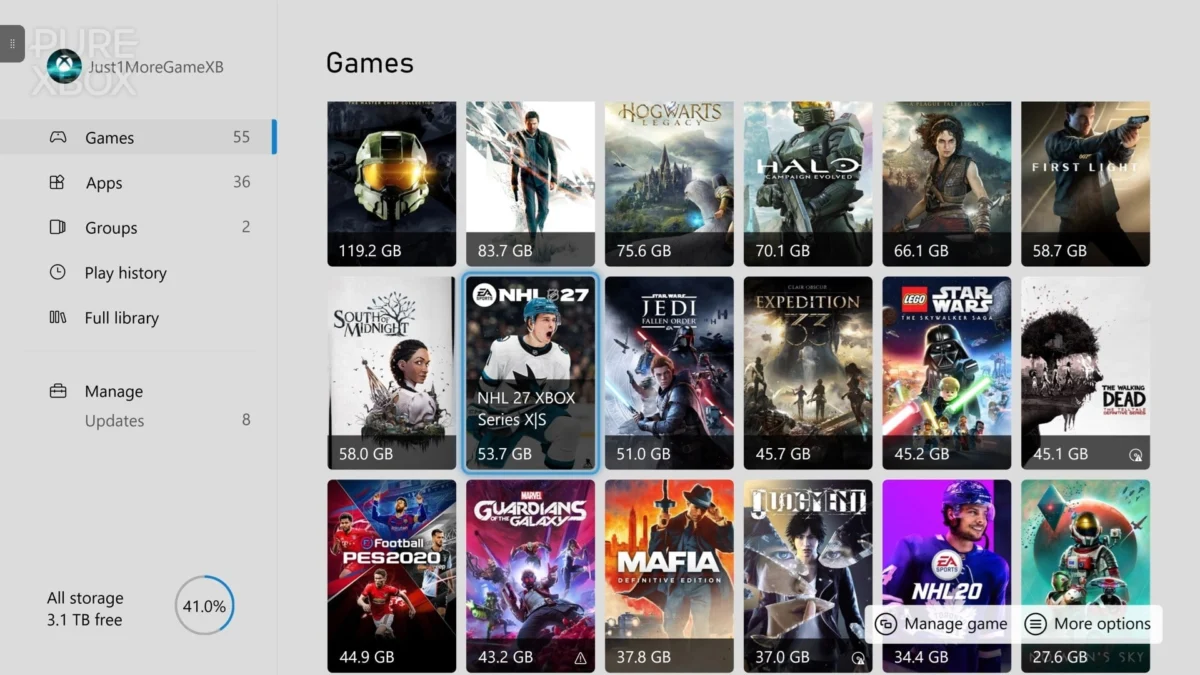
Microsoft’s Xbox division recently rolled out a subtle system update to all public-facing consoles, commencing on September 22nd. This particular patch, while universally distributed, is notably minor in scope, primarily addressing unspecified bug fixes and system stability enhancements rather than introducing new features. The quiet deployment contrasts with the typical monthly cadence of more substantial public updates, leading many to consult the official Xbox Support website for details that proved sparse. This release occurs in a period of heightened anticipation within the Xbox community, particularly regarding the long-rumored and highly desired Disc-to-Digital conversion feature, which remains confined to the Xbox Insider program.
The Nature of Minor System Updates and Xbox’s Release Cadence
Xbox system updates are a continuous process, evolving through various stages before reaching the general public. For members of the Xbox Insider program, updates are almost a weekly, if not daily, occurrence. Insiders, a dedicated community of users, are instrumental in testing new features, identifying bugs, and providing feedback across several "rings" – Alpha Skip-Ahead, Alpha, Beta, Delta, and Omega – each representing a different level of stability and proximity to public release. This multi-tiered testing structure allows Microsoft to iterate rapidly and refine software before it impacts the broader user base.
Conversely, public console updates, those pushed out to all Xbox users regardless of Insider status, typically adhere to a more predictable, roughly monthly schedule. These monthly updates often bundle a collection of new functionalities, user interface enhancements, and significant bug resolutions that have matured through the Insider channels. The September 22nd update deviates from this pattern by being a more unscheduled, behind-the-scenes patch, indicating a focus on critical, albeit small, adjustments that don’t warrant a full feature rollout announcement.
Such minor, unannounced updates are not uncommon in the software industry. Developers frequently deploy "hotfixes" or stability patches that address specific, non-critical issues that might impact a small segment of users or improve backend performance without introducing visible changes to the user interface or functionality. These patches are crucial for maintaining a stable and secure operating environment, often resolving vulnerabilities or optimizing system resource allocation. The absence of detailed patch notes for these minor rollouts is also a common practice, particularly when the changes are highly technical or do not directly impact the user experience in a perceptible way. For end-users, these updates primarily translate to a more reliable and smoother console experience, even if the specific improvements are not explicitly documented.
Understanding "Bug Fixes" in Minor Rollouts
The September 22nd update, according to official communications, primarily consists of "bug fixes." While the specific bugs addressed were not detailed, in the context of minor, quiet updates, these typically encompass a range of issues that may include:
- System Stability Improvements: Enhancements to the operating system’s core stability, reducing crashes or freezes that might occur under specific, rare conditions. This can involve memory management optimizations or refinements to how different system processes interact.
- Performance Optimizations: Small adjustments that can lead to marginal improvements in system responsiveness, load times for certain applications, or overall dashboard fluidity. These are often difficult to quantify without specific benchmarking tools but contribute to a snappier user experience.
- Networking Enhancements: Minor tweaks to the console’s network stack, potentially improving connectivity reliability, reducing latency in certain scenarios, or optimizing data transfer protocols.
- Security Patches: Addressing newly discovered, low-severity security vulnerabilities that could potentially be exploited, even if the risk is minimal. Maintaining a secure platform is a continuous effort, and small patches contribute significantly to this.
- Compatibility Adjustments: Resolving conflicts or unexpected behaviors with specific hardware peripherals, games, or applications that might have arisen from previous updates or new software releases.
The decision not to publish extensive patch notes for such updates can stem from several factors. Firstly, the changes might be too technical or granular to be easily understood by the average consumer. Secondly, the impact on user experience might be negligible, making detailed explanations redundant. Thirdly, focusing communication efforts on major feature rollouts allows for more impactful engagement with the community. Nevertheless, the continuous deployment of these minor patches underscores Microsoft’s commitment to refining the Xbox platform’s underlying architecture, ensuring a robust and dependable gaming environment for its millions of users worldwide.
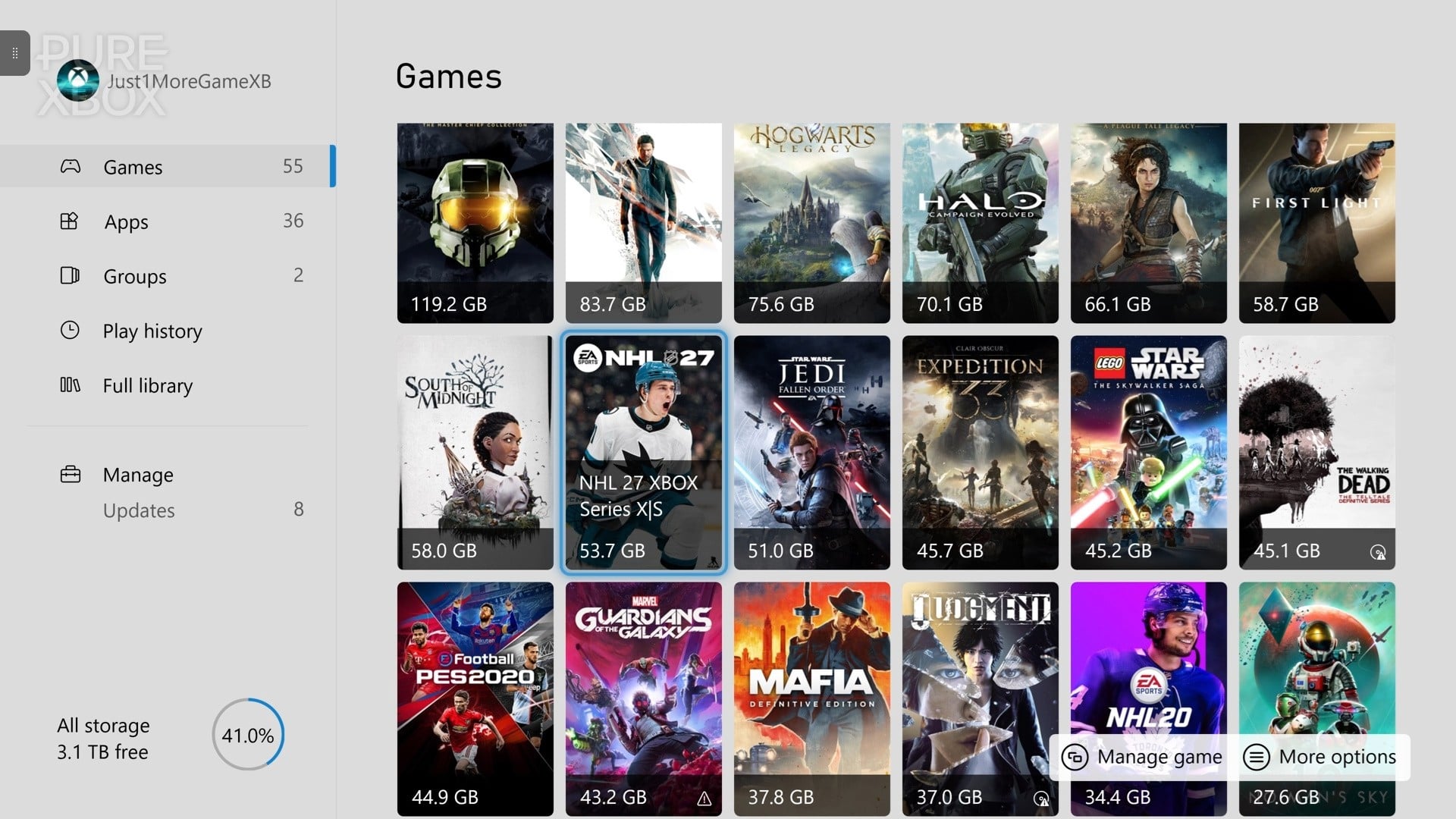
Manual Update Procedure
For Xbox users who may not have received the update automatically or wish to ensure their console is running the latest software, Microsoft provides a straightforward manual update process. This procedure allows users to proactively check for and install any pending system updates. To initiate a manual update, users simply navigate through the console’s interface: from the main dashboard, select "Settings," then "System," and finally "Updates." The console will then check for available updates and prompt the user to download and install them if any are found. This mechanism ensures that all users have access to the latest stability improvements and bug fixes, even if automatic updates are temporarily paused or encounter a minor delay.
The Anticipated Disc-to-Digital Feature: A Detailed Look
While the September 22nd update was a minor, behind-the-scenes affair, the broader Xbox community remains keenly focused on more transformative features, none more so than the highly anticipated Disc-to-Digital conversion. This feature, if widely implemented, would represent a significant shift in how console gamers manage their game libraries, bridging the gap between physical media ownership and the convenience of digital distribution.
What is Disc-to-Digital?
The Disc-to-Digital feature, as currently understood from Insider testing, would allow owners of physical Xbox game discs to verify their ownership and, in return, receive a digital license for the same game. This digital license would then enable them to download and play the game without needing the physical disc inserted into the console, effectively converting a physical library into a digital one. The exact mechanics, such as whether a small fee would be involved for the digital license (similar to early disc-to-digital movie conversions) or if it would be a purely free conversion, have not been definitively disclosed for a public rollout. However, the core promise is the ability to de-clutter physical collections, enhance portability, and future-proof game access, especially as disc drives become less common in future console iterations.
Development Timeline and Insider Testing
Rumors and discussions about a Disc-to-Digital capability have circulated within the Xbox community for years, reflecting a strong demand from players who appreciate both the collector’s aspect of physical games and the convenience of digital libraries. Microsoft has been exploring this concept for some time, with early iterations and discussions dating back to the Xbox One era. The current iteration of the feature has been actively undergoing testing within the Xbox Insider program, indicating that Microsoft is serious about its implementation and is working through the complex technical and licensing hurdles.
The fact that it is still in Insider testing, and was not part of the September public update, suggests that the feature is not yet ready for a broad release. Integrating such a system requires robust backend infrastructure, secure disc verification protocols, and extensive agreements with game publishers and developers. Each publisher must agree to participate and define the terms under which their physical games can be converted to digital licenses. This intricate web of technical development and business negotiations contributes to the extended testing period.
Publisher Engagement: Ubisoft and Beyond
A significant recent development in the Disc-to-Digital saga was the integration of Ubisoft titles into the Insider testing phase. This inclusion is a crucial step, as Ubisoft is one of the largest third-party publishers in the gaming industry, boasting a vast catalog of popular titles. Their participation signals a willingness from major industry players to explore this model, lending credibility and momentum to the feature. The original article mentions "teases that more companies could be on the way," which further fuels optimism that Microsoft is actively working to onboard additional publishers. The success of Disc-to-Digital hinges on broad publisher support; without it, the utility of the feature would be limited to a fraction of users’ physical libraries. Each publisher agreeing to participate adds significant value and makes the feature more compelling for a wider audience.
Potential Market Implications
The widespread adoption of a Disc-to-Digital feature would have profound implications for the gaming market:
- Consumer Choice and Convenience: It would empower consumers by offering a bridge between physical and digital ownership, catering to preferences for both. Players could retain the ability to buy physical copies (often available at lower prices or secondhand) while enjoying the convenience of a digital library.
- Impact on Physical Media Sales: While some might argue it could further diminish physical game sales, it could also revitalize them by adding an attractive digital conversion option. Conversely, it might reduce the secondary market for used physical games if players convert their discs rather than reselling them.
- Digital Storefront Dominance: The feature inherently reinforces the digital storefront model, as converted games would reside within the Xbox ecosystem. This could lead to increased engagement with the Xbox digital store for subsequent purchases.
- Game Preservation: For older games, particularly those that may become difficult to play on future hardware without disc drives, Disc-to-Digital offers a potential avenue for preservation, ensuring that physical game ownership can translate to continued playability in a digital-first future.
- Competitive Landscape: If Xbox successfully implements this feature, it could set a new standard in the console market, potentially pressuring competitors like PlayStation to explore similar solutions, although the technical and licensing complexities are substantial. The original article alluded to the difficulty PlayStation might face in replicating such a feature, possibly due to differing internal structures or publisher agreements.
The Disc-to-Digital feature represents a forward-thinking approach to game ownership in an increasingly digital world. Its eventual public launch, whenever it occurs, is poised to be a landmark event for the Xbox platform and the broader gaming industry.
Broader Context of Xbox System Development
Beyond the immediate quiet update and the anticipated Disc-to-Digital feature, Microsoft continues to invest heavily in the overall Xbox ecosystem. Throughout the year, and constantly within the Insider program, the company introduces a steady stream of improvements that collectively enhance the user experience. These efforts span various areas:
- User Interface Refinements: Ongoing tweaks to the Xbox dashboard, guide, and settings menus aim for improved navigation, customization, and accessibility. Recent updates have focused on quicker access to key features, more personalized home screens, and streamlined content discovery.
- Accessibility Features: Xbox has been a leader in gaming accessibility, and this commitment continues with updates that introduce new options for players with disabilities, such as expanded controller remapping, improved narration tools, and visual enhancements.
- Cloud Gaming Integration: With Xbox Game Pass Ultimate, cloud gaming (Xbox Cloud Gaming) is a cornerstone of Microsoft’s strategy. System updates frequently include optimizations for streaming performance, controller input latency, and overall integration with the console experience, allowing players to seamlessly switch between local and cloud play.
- Performance and Stability: Constant under-the-hood work ensures that the latest games run optimally and the console remains responsive. This includes driver updates, system software optimizations, and adjustments to how games interact with the hardware.
- Social Features: Enhancements to party chat, messaging, and friend management tools are regularly rolled out to foster a more connected and engaging social gaming environment.
These continuous developments, many of which pass through the Insider program before reaching the general public, demonstrate a holistic approach to platform evolution. While the September 22nd update was a small piece of this puzzle, it forms part of a larger strategy to maintain a cutting-edge and user-friendly gaming console.
Official Communication and User Experience
Microsoft’s approach to communicating updates varies based on their significance. Major updates are typically announced with fanfare via the Xbox Wire blog, official social media channels, and often accompanied by detailed videos from figures like Larry Hryb (Major Nelson). These announcements highlight new features, provide step-by-step guides, and showcase the benefits to users.
Minor updates, like the September 22nd release, are often listed on the Xbox Support website’s "What’s New: Xbox System Updates" page, sometimes with minimal detail. This differentiated communication strategy is practical; it prevents users from being overwhelmed by constant, granular patch notes for every tiny adjustment, allowing focus on features that truly alter the user experience. For the average user, a "quiet" update means that their console is being maintained and improved in the background without requiring any significant interaction or learning curve, contributing to a seamless and reliable gaming experience.
Looking Ahead: Future Updates and Feature Rollouts
As the September public update cycle draws to a close with only minor bug fixes, attention inevitably turns to the future. The Xbox community eagerly awaits the next significant public update, hoping it will bring forth some of the more impactful features currently in Insider testing. The Disc-to-Digital conversion remains at the forefront of these anticipations, representing a potentially transformative shift for many players.
Microsoft’s strategy of incremental improvements, coupled with major feature rollouts once they are thoroughly vetted, reflects a mature approach to platform development. While the September 22nd update may have been quiet and modest, it is a testament to the ongoing commitment to refine and optimize the Xbox experience. Users can expect continued stability enhancements and, eventually, the public debut of highly anticipated features as they successfully navigate the rigorous testing phases within the Xbox Insider program. The gaming landscape is ever-evolving, and Xbox continues to adapt and innovate, promising a dynamic future for its console owners.