


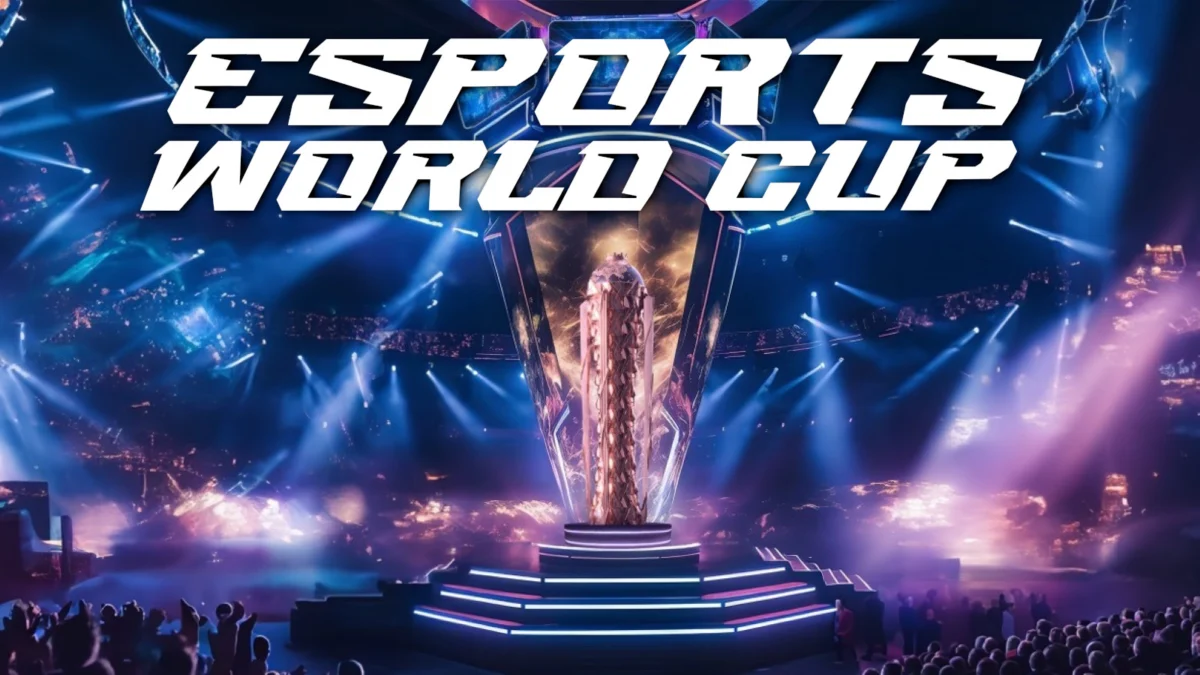
The highly anticipated 2026 Esports World Cup, a premier global tournament in the rapidly expanding esports landscape, has officially relocated its venue from Riyadh, Saudi Arabia, to Paris, France. This significant shift, confirmed on May 20, marks a pivotal moment for the event, which was initially slated to be held in the Saudi capital between July and August 2026. The decision underscores the dynamic geopolitical considerations that can influence even the most forward-looking international sporting events.
A Strategic Realignment in the Face of Regional Instability
The Esports Foundation, the organizing body behind the World Cup, cited "an extended evaluation process in light of the current regional situation" as the primary driver for accelerating the international rotation of the tournament. In a statement released by the event organizers, the foundation emphasized its commitment to providing clarity and stability for all stakeholders. "Our EWC fans are at the heart of everything we do, and we wanted to make sure that you and the Players, Clubs and Teams were offered clarity and stability you need to plan your event attendance and travel plans," the statement read. This proactive approach aims to mitigate potential disruptions and ensure a seamless experience for participants and spectators alike.
The original plan for the Esports World Cup envisioned a rotating international model, with Riyadh serving as the inaugural host. The intention was to eventually move the event to other cities globally, potentially generating revenue through hosting fees, thus establishing a sustainable financial model for future iterations. However, the evolving geopolitical climate in the Middle East necessitated an earlier-than-planned international transition for the 2026 edition.
Paris: A New Chapter for the Esports World Cup
Paris, a city renowned for its rich history in hosting major international sporting spectacles, including the upcoming 2024 Summer Olympics, emerges as the new host for the 2026 Esports World Cup. This selection positions Paris as the first international host city for the tournament, ushering in a new era for the event.
Ralf Reichert, CEO of the Esports Foundation, expressed enthusiasm for the relocation, highlighting Paris’s status as a global hub. "This year, we’re excited to bring EWC to Paris for its first edition outside Saudi Arabia. Paris has hosted some of the world’s biggest sporting events and is one of the great global capitals of sport, culture and entertainment," Reichert stated. He further elaborated on the anticipated synergy with the local fanbase and infrastructure: "Together with the passion of French fans and the strong support we’ve received locally, we’re excited to bring the global esports community there for the next chapter of EWC. Paris now becomes the first international chapter in EWC history."
The choice of Paris is strategically significant. The city boasts a well-developed infrastructure capable of supporting large-scale international events, including world-class venues, extensive transportation networks, and a proven track record in event management. Furthermore, France has a vibrant and growing esports scene, with a dedicated fanbase and a significant number of professional esports organizations.
Official Reactions and International Endorsements
The news of Paris hosting the 2026 Esports World Cup was met with considerable enthusiasm, particularly from French governmental figures. French President Emmanuel Macron responded to the announcement with palpable excitement, describing the selection as an "honor." In a social media post that was translated from French, Macron conveyed his gratitude to Saudi Arabia for its initial trust and expressed readiness to host the global esports community. "L’EWC se jouera à Paris ! C’est une première qui nous honore. Merci à l’Arabie Saoudite pour sa confiance. Nous sommes prêts à organiser cette Coupe du monde d’e-sport 2026. Très fiers d’accueillir le monde à nouveau," he tweeted, which translates to: "The EWC will be played in Paris! It is a first that honors us. Thank you to Saudi Arabia for its trust. We are ready to organize this 2026 e-sports World Cup. Very proud to welcome the world again." This endorsement from the highest level of government signals strong national support for the event, promising a robust and well-facilitated tournament.

The Scale of the Esports World Cup and Prize Pool
The 2026 Esports World Cup is poised to be a monumental event, bringing together elite esports teams from across the globe to compete for a staggering $75 million prize pool. This substantial financial incentive underscores the growing commercial viability and prestige of professional esports. The tournament will feature a diverse array of 24 distinct esports titles, catering to a broad spectrum of gaming genres and fan bases. Among the confirmed titles are popular competitive games such as Overwatch, Valorant, CS2 (Counter-Strike 2), and League of Legends, alongside strategic games like chess, showcasing the expanding definition of esports and its increasing mainstream appeal.
The inclusion of a wide range of titles aims to create a comprehensive and inclusive championship that celebrates the breadth of competitive gaming. This approach not only attracts a wider audience but also provides a platform for a diverse range of professional players and teams to showcase their skills on a global stage.
Context and Background of the Esports World Cup
The Esports World Cup is a relatively new, yet ambitious, initiative designed to consolidate and elevate the professional esports landscape. Its inception was marked by significant investment and a clear vision to create a premier global tournament that mirrors the scale and prestige of traditional world championships in established sports. The initial decision to host the inaugural event in Saudi Arabia reflected the nation’s growing interest and investment in the esports sector, aiming to position itself as a major player in the global entertainment and technology industries.
The Esports Foundation’s strategy to eventually rotate the hosting of the event internationally is a common model for global sporting events, designed to foster broader engagement and distribute economic benefits. The current relocation to Paris, while prompted by unforeseen circumstances, aligns with this long-term vision of global expansion. It demonstrates the flexibility and adaptability of the organizers in navigating complex international dynamics.
Implications of the Venue Change
The relocation to Paris carries several important implications:
- Geopolitical Diversification: Moving the event to Europe signifies a diversification of its geographical footprint, potentially broadening its appeal to different markets and reducing reliance on a single region for hosting. This can enhance the event’s long-term stability and international reach.
- Enhanced Infrastructure and Fan Experience: Paris offers a mature and experienced event hosting environment. The city’s established infrastructure for large-scale events, coupled with its reputation as a cultural and tourist destination, could significantly enhance the overall fan experience, from travel and accommodation to on-site amenities and entertainment.
- European Esports Ecosystem Boost: Hosting the Esports World Cup in Paris provides a substantial boost to the European esports ecosystem. It can stimulate local economies, create job opportunities in the event management and esports sectors, and further embed esports as a significant cultural and economic force within the continent.
- Strategic Partnerships: The move to Paris may open doors for new strategic partnerships with European companies, brands, and media outlets, further solidifying the event’s commercial viability and global influence.
- Brand Image and Perception: While the reasons for the move are pragmatic, the association with a city like Paris, known for its elegance and sporting heritage, could positively influence the brand image of the Esports World Cup, potentially attracting a broader demographic of attendees and viewers.
The Evolving Esports Landscape
The decision to move the Esports World Cup also highlights the increasingly complex interplay between global politics, economics, and the burgeoning esports industry. As esports continues its trajectory of rapid growth, its organizers and stakeholders must remain adept at navigating diverse geopolitical landscapes and ensuring the stability and accessibility of major international competitions. The $75 million prize pool is a testament to the financial power of esports, attracting top talent and significant investment, but it also necessitates careful planning and risk management, as evidenced by this venue change.
The Esports World Cup’s journey from its initial announcement in Saudi Arabia to its eventual staging in Paris is a narrative of adaptation and strategic foresight. As the esports world gears up for this monumental event in 2026, the focus will undoubtedly be on the thrilling competitions, the groundbreaking prize pools, and the celebration of global talent in one of the world’s most iconic cities. The relocation, while stemming from challenging circumstances, ultimately positions the Esports World Cup for a potentially even more impactful and globally resonant debut outside its initial host region.