


Microsoft’s Xbox division has confirmed an additional wave of job cuts, impacting 268 positions across various first-party development teams, including Halo Studios, The Coalition, World’s Edge, Treyarch, and Raven Software. This significant reduction in workforce accompanies a major restructuring initiative that will see several prominent studios realigned under new reporting structures, notably moving parts of Halo and Rare under Activision, and integrating other studios within the Xbox ecosystem. The announcement, which initially detailed four major studio changes, has since unfolded with developers publicly confirming their inclusion in the latest round of layoffs, painting a stark picture of the ongoing challenges within the gaming industry and Microsoft’s evolving strategy.
Details of the Workforce Reductions and Affected Studios
The initial announcement from Xbox hinted at a broad restructuring but remained light on the specifics of which studios and how many individuals would be affected beyond the overall 268 jobs. However, over the past 24 hours, the full scope of the impact has begun to emerge through social media channels and professional networking sites, primarily LinkedIn, where numerous developers have shared their layoff experiences.
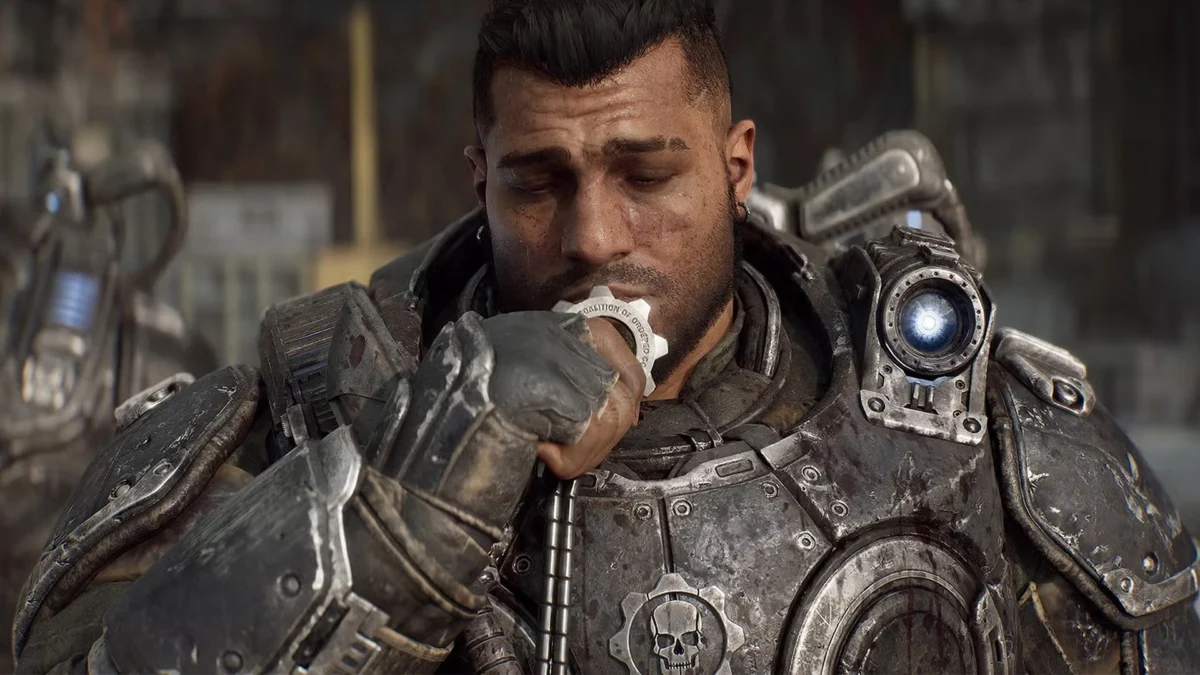
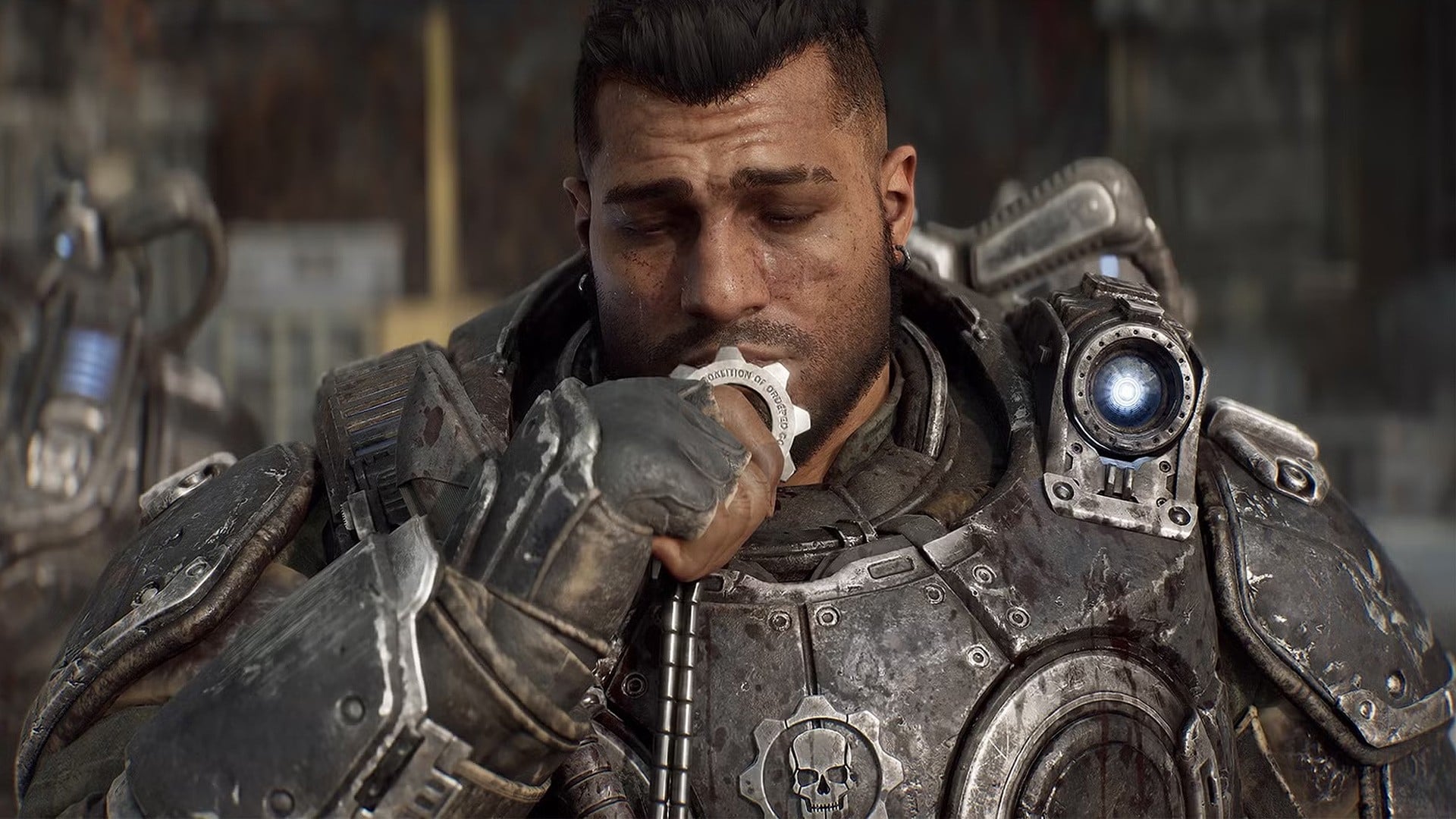
Among the most prominent studios affected is The Coalition, the developer behind the highly anticipated Gears of War: E-Day. This news comes just a week after the studio celebrated the game "going gold," a significant milestone indicating the completion of core development ahead of its premium early access launch scheduled for October 1st. The bittersweet nature of this achievement was underscored by Juan Vaca, the story director for Gears of War: E-Day, who posted on LinkedIn that he was part of "this round of Microsoft Layoffs," indicating his immediate availability for new opportunities in games, film, or television. His statement, "I am part of this round of Microsoft Layoffs and am open to new opportunities in games/film/tv. If your team needs a director/storyteller please reach out," reflects the abrupt and often unexpected nature of such corporate decisions, even for individuals working on successful, high-profile projects.
Halo Studios, which was explicitly mentioned in Xbox’s original memo regarding the layoffs, has also seen its staff reduced. A particularly striking account came from Josh Daniels of Halo Studios, who shared on LinkedIn that he was "promoted and laid off in the same week." This rare and disheartening sequence of events highlights the unpredictable internal dynamics that can precede large-scale workforce reductions. Daniels’ post, "Promoted and laid off in the same week is pretty wild. I’m one of the many hit by the Halo Studios layoffs. I’ll be taking some offline time today but very much would love to talk to anyone looking for Cinematic Direction or Production roles. Feel free to get in touch if anything looks like I might be a fit," underscores the personal toll and immediate search for new roles among affected professionals.
Further impacting Xbox’s diverse portfolio, World’s Edge, the studio responsible for the beloved Age of Empires franchise, has reportedly suffered significant staff reductions, with some reports suggesting "nearly half" of its workforce was let go. This comes concurrently with the announcement that World’s Edge will now report to Activision, a major organizational shift. Adam Isgreen, formerly the creative director at World’s Edge, confirmed the severity of the cuts on a Resetera forum, stating that "just over half the studio was let go – myself included." He later elaborated on his LinkedIn page, expressing disappointment: "I am of course disappointed that this is the way the time with World’s Edge and Age ends for myself and many of my talented teammates that were also impacted – we had some great plans for what’s next – and I hope the team that remains can rise to the occasion down the line." These statements reveal the disruption to ongoing projects and the potential loss of institutional knowledge and creative vision.
Beyond these first-party studios, reports from outlets like CharlieINTEL also confirmed that developers from Activision Blizzard studios, Treyarch and Raven Software, were similarly affected, posting about their departures on LinkedIn. This indicates that the restructuring and layoffs are not confined solely to studios that were originally part of the Xbox Game Studios umbrella but extend to the recently acquired Activision Blizzard entities as well, suggesting a broader integration and efficiency drive across the entire Xbox gaming division.
Strategic Overhaul: Shifting Studio Structures and Reporting Lines
The layoffs are inextricably linked to a broader, strategic realignment of Xbox’s studio hierarchy, a move Microsoft characterizes as essential for future growth and operational efficiency. The announced changes are extensive and aim to consolidate resources and streamline development processes across its vast network of gaming studios.
Key among these changes is the decision to move both Halo Studios and Rare, the iconic British developer known for titles like Sea of Thieves and Everwild, under the reporting structure of Activision. This move is particularly significant for the Halo franchise, which has historically been a cornerstone of the Xbox brand. Integrating it more closely with Activision, a publisher renowned for its robust development pipelines and live-service expertise, could signal a new strategic direction for the series, potentially emphasizing consistent content delivery and broader market engagement. Similarly, Rare’s shift under Activision might lead to new collaborative opportunities or a re-evaluation of its project portfolio.
Another major development involves the merger of Playground Games, celebrated for the Forza Horizon series and its work on Fable, and Turn 10 Studios, the primary developer of the Forza Motorsport franchise. These two highly respected racing game developers will now operate as a single, larger entity. This consolidation could foster greater collaboration, shared technology, and a unified vision for the Forza ecosystem, potentially leading to more cohesive development strategies and resource allocation for future racing titles.
Obsidian Entertainment, critically acclaimed for its narrative-rich RPGs such as Fallout: New Vegas, Pillars of Eternity, and Grounded, is now slated to join the Bethesda Softworks publishing group. Bethesda, itself acquired by Microsoft as part of the ZeniMax Media deal, is well-known for its expertise in large-scale RPGs like The Elder Scrolls and Fallout. This alignment positions Obsidian within a publishing arm that deeply understands and caters to the RPG genre, potentially providing enhanced support, shared technology, and strategic guidance for its future projects, allowing it to leverage Bethesda’s established infrastructure and market reach.
Furthermore, the original memo also alluded to the impending closure of Ninja Theory, the acclaimed studio behind Hellblade: Senua’s Sacrifice and Enslaved: Odyssey to the West. While details remain scarce, the potential shuttering of such a creatively driven studio has sparked considerable concern within the gaming community regarding Microsoft’s commitment to diverse, narrative-focused experiences. The closure of Ninja Theory, if confirmed, would mark a significant loss for Xbox’s first-party lineup and the broader industry.

A Broader Industry Trend: Layoffs in Gaming and Tech
These latest layoffs at Xbox are not an isolated incident but rather fit into a distressing pattern observed across the global technology and gaming industries throughout 2023 and 2024. The past year and a half have seen unprecedented numbers of job cuts, affecting thousands of developers, artists, producers, and support staff across companies of all sizes.
Major players like Epic Games, Unity Technologies, Sony Interactive Entertainment, Embracer Group, Riot Games, and even Amazon have conducted significant layoff rounds. Factors contributing to this industry-wide downturn are multifaceted:
- Post-Pandemic Correction: The boom in gaming during the COVID-19 pandemic led to aggressive hiring and expansion. As pandemic-era growth normalized, many companies found themselves overstaffed relative to current market demands and revenue projections.
- Economic Headwinds: Global economic uncertainties, including inflation, rising interest rates, and a cautious consumer spending environment, have put pressure on companies to cut costs and optimize operations.
- High Development Costs: The cost of developing AAA games continues to escalate, making studios more risk-averse and prompting publishers to seek greater efficiencies.
- Consolidation and Integration: Large acquisitions, such as Microsoft’s purchase of Activision Blizzard, often lead to redundancy as parent companies seek to integrate operations, eliminate overlapping roles, and streamline structures to achieve "synergies." This process, while often cited as a reason for acquisitions, invariably results in job losses.
- Investor Pressure: Publicly traded companies face constant pressure from investors to demonstrate profitability and efficiency, often leading to difficult decisions regarding workforce size.
Microsoft itself has been no stranger to layoffs in recent years. In January 2023, the company announced 10,000 job cuts across various divisions, followed by another 1,900 layoffs primarily within Activision Blizzard and Xbox in January 2024, shortly after the finalization of the Activision Blizzard acquisition. These ongoing reductions reflect a company-wide effort to streamline operations and reallocate resources amidst a dynamic economic and technological landscape.
Microsoft’s Evolving Gaming Strategy and Future Implications
The latest round of layoffs and the accompanying studio restructuring are indicative of Microsoft’s evolving strategy for its Xbox gaming division. With the colossal acquisition of Activision Blizzard now complete, Microsoft is intensely focused on integrating these new assets, realizing the promised synergies, and positioning Xbox for long-term growth in a highly competitive market.
The strategic shifts—moving studios like Halo and Rare under Activision’s purview, merging Playground and Turn 10, and aligning Obsidian with Bethesda—suggest a move towards creating more defined "families" of studios under established leadership teams. This could foster clearer communication channels, shared expertise within specific genres (e.g., RPGs under Bethesda, potential live-service focus under Activision), and potentially a more disciplined approach to project management and resource allocation.
For Xbox’s first-party content, these changes carry significant implications. While the stated goal is often to enhance development and deliver more compelling games, such widespread restructuring can also lead to:
- Morale Impact: Frequent layoffs and organizational changes can negatively affect employee morale, leading to anxiety, reduced productivity among remaining staff, and challenges in retaining top talent.
- Creative Disruptions: The loss of experienced personnel, particularly those in leadership or creative roles like Juan Vaca and Adam Isgreen, can disrupt ongoing projects, alter creative visions, and delay development timelines.
- Studio Identity: Shifting reporting lines and mergers can sometimes dilute distinct studio cultures and identities, which have historically been crucial for fostering unique creative outputs.
- Game Pipeline: While the long-term goal is a stronger pipeline, the immediate aftermath of such changes can introduce uncertainty regarding future game releases and the direction of established franchises.
From a broader market perspective, Microsoft’s moves could be seen as an attempt to consolidate its position against competitors like Sony and Nintendo, as well as emerging players in cloud gaming and subscription services. By optimizing its studio structure and potentially focusing on specific strengths (e.g., live-service games, expansive RPGs), Xbox aims to strengthen its Game Pass offering and ensure a consistent flow of high-quality exclusive content.
The Road Ahead for Xbox’s First-Party Ecosystem
The current period represents a significant transition for Xbox. While the immediate focus is on managing the impact of the layoffs and integrating the newly restructured studios, the long-term vision is clearly aimed at building a more cohesive and efficient first-party ecosystem. The success of this strategy will hinge on several factors:
- Talent Retention: Microsoft’s ability to retain key talent and attract new developers despite the recent instability will be crucial.
- Creative Output: The quality and consistency of games released by the restructured studios will ultimately validate these strategic decisions.
- Market Reception: How consumers and the broader industry react to the new studio alignments and the resulting games will dictate Xbox’s trajectory.
- Employee Well-being: The humane handling of layoffs and providing support for affected individuals, while difficult, is essential for maintaining a positive reputation as an employer in the long run.
The gaming industry is in a state of flux, grappling with economic realities, technological advancements, and shifting consumer behaviors. Microsoft’s latest actions are a stark reminder of the intense pressures and strategic re-evaluations currently underway at the highest levels of the sector. As the dust settles from this wave of layoffs and reorganizations, the industry will be watching closely to see how these monumental shifts shape the future of Xbox and its vast portfolio of games and studios.