


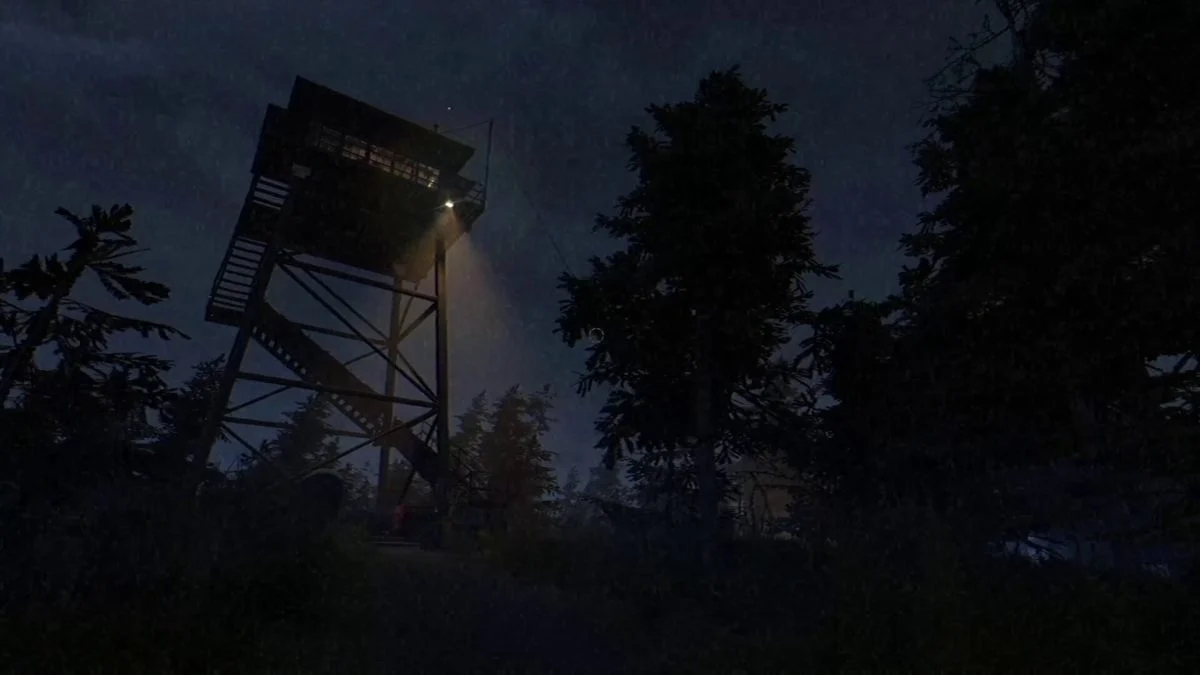
The indie horror game series, Fears to Fathom, has carved out a distinct niche by presenting its players with terrifying encounters purportedly drawn from real-life experiences. Each episode, from its debut in 2021, is marketed with the potent claim that it is "based on true events." This bold assertion, while often accompanied by disclaimers that names, dates, and specific locations may be altered for privacy, inevitably raises a fundamental question for its audience: did these harrowing events truly happen to someone?
The strategy of leveraging "true stories" in horror is not a new one. For decades, filmmakers have capitalized on the inherent fear that real-world tragedies can ignite. The landmark film The Blair Witch Project in 1999, a pioneering work in the found-footage genre, masterfully blurred the lines between fiction and reality. Viewers were intentionally led to believe they were witnessing genuine, unedited footage of a supernatural ordeal, a tactic that profoundly impacted audience perception and cemented the power of perceived authenticity in horror. While the effectiveness of such disclaimers has waned over time as audiences have become more discerning, the underlying appeal of stories rooted in lived experience remains potent.
Fears to Fathom consciously taps into this established marketing playbook. The game’s developer, known by the handle "rayll," actively solicits player submissions of their own frightening experiences. This crowdsourced approach to narrative creation, where each episode since the initial release of "Home Alone" in 2021 is alleged to be inspired by a submitted email, fosters a unique connection between the game and its players. It creates an expectation of authenticity, even as the inherent nature of storytelling for entertainment means dramatic embellishment is inevitable. While the explicit acknowledgement that an episode is a retelling might mitigate the immediate suspense of a protagonist’s survival, it does not diminish the palpable tension and creeping dread that the series consistently delivers.
Deconstructing the "True Event" Claim
While Fears to Fathom strongly emphasizes its grounding in reality, a closer examination reveals a more nuanced picture. It is highly improbable that any of the game’s episodes have unfolded precisely as depicted. The very act of dramatizing real events for entertainment necessitates exaggeration, alteration, and the omission of mundane details to heighten tension and narrative impact. This is a standard practice in all forms of media, from historical dramas to biographical films. Therefore, while the core inspiration might stem from genuine experiences, the final product is undoubtedly a fictionalized rendition.
The developer, rayll, could be drawing inspiration from actual incidents submitted by players and then weaving them into cohesive narratives. Alternatively, the developer might be researching real-world events and adapting them, adding their own creative flourishes to craft compelling horror scenarios. This distinction is crucial when assessing the veracity of the "true story" claim.
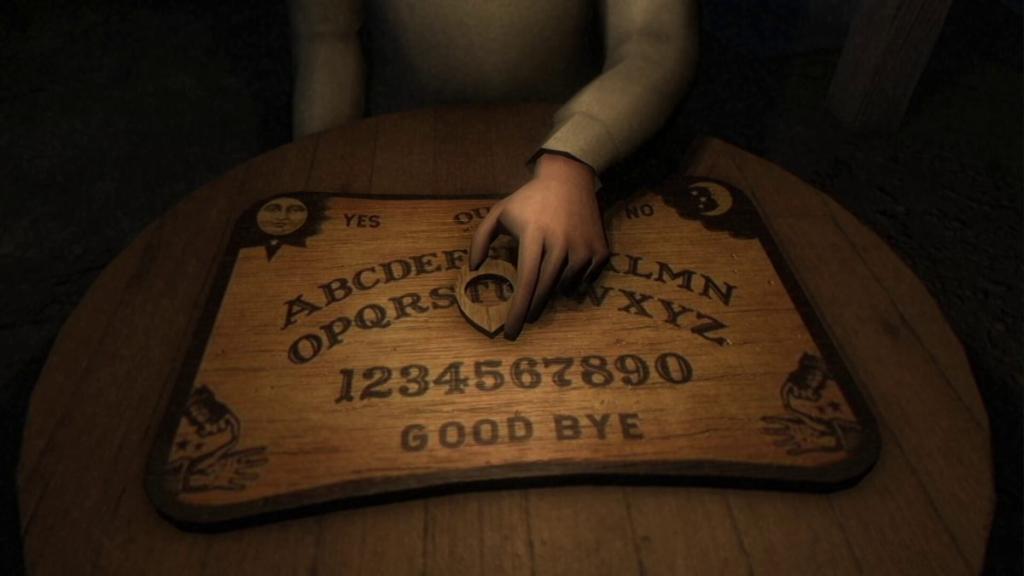
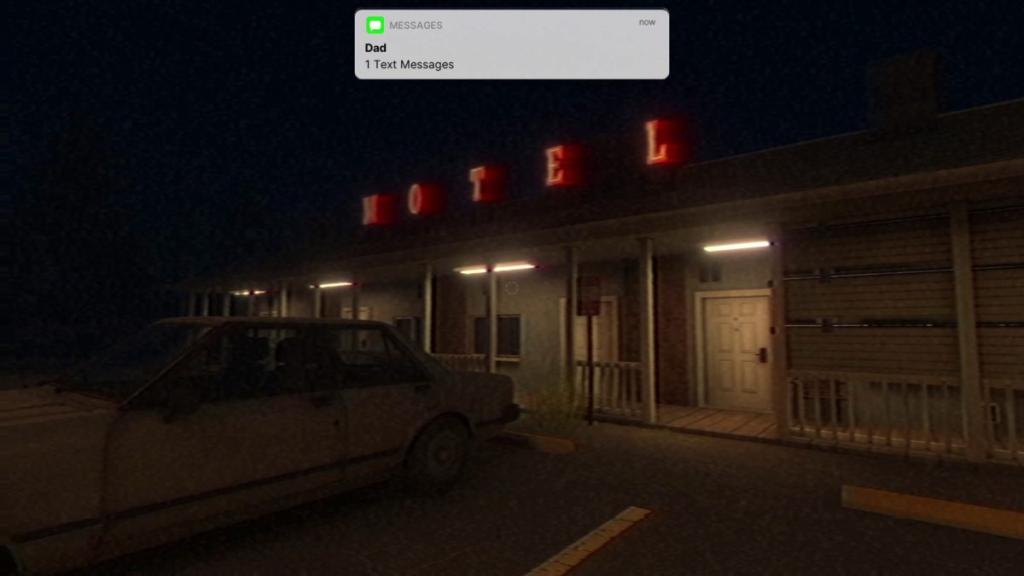
A prime example of this potential divergence from strict factual reporting can be observed in the episode "Norwood Hitchhike." Although set in 2010, the narrative bears striking resemblances to the crimes of serial killer Larry Ralston, who targeted women between 1975 and 1977. The chilling parallels suggest that while the game may not be a direct account of a single individual’s experience, it draws heavily from documented cases of real-world terror. A cursory investigation into the specific details presented in the game’s episodes, particularly concerning breaking and entering, home invasion, cult activities, and stalking with murderous intent, often reveals no direct, verifiable news coverage matching the precise events depicted. This suggests that the game serves as a fictionalized tapestry, woven from threads of real-life horrors.
Furthermore, the episode "Carson House" exhibits thematic and structural similarities to a collection of "3 True House Sitting Horror Stories" shared by YouTuber Mr. Nightmare, which were also purportedly based on subscriber submissions. This cross-pollination of ideas within the horror content sphere highlights how "true story" narratives can inspire multiple creators, further blurring the lines of original authorship and absolute factual accuracy.
The Emergence of an In-Game Universe
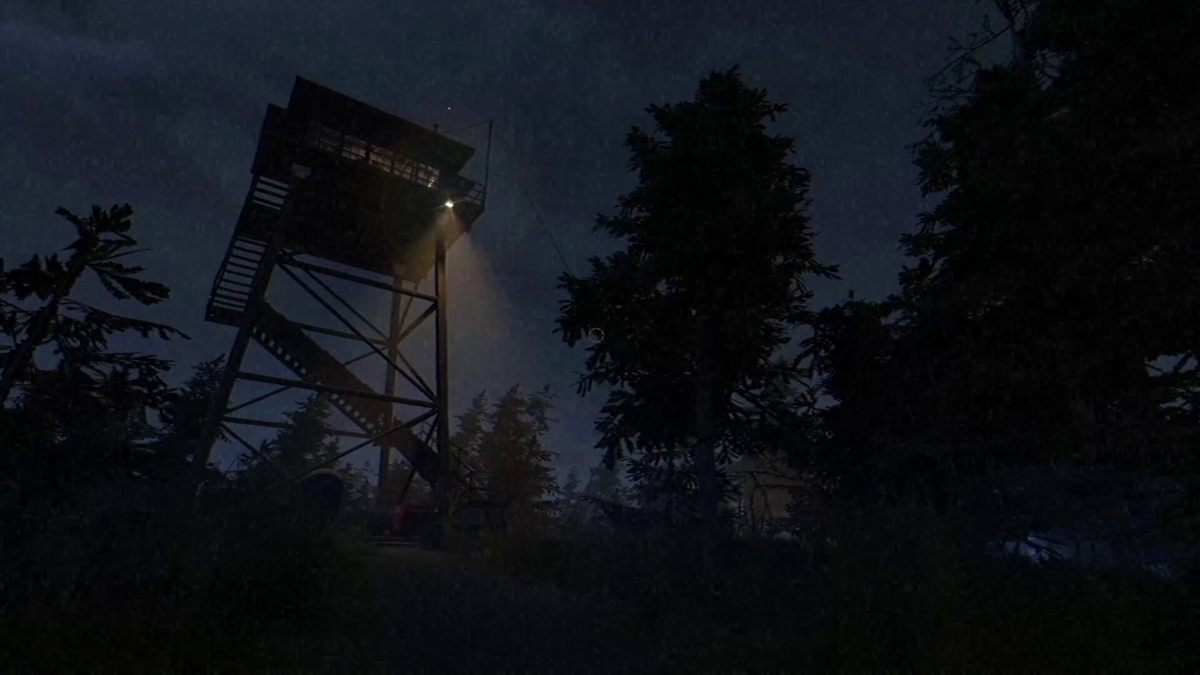
A significant development in the Fears to Fathom series is the establishment of a shared, interconnected universe. The latest episodes, particularly those within the "[Together]" series, explicitly link "Ironbark Lookout" and "Scratch Creek." This narrative convergence reveals a common antagonist: a cult. This deliberate connection signifies a move beyond isolated horror vignettes towards a more expansive, lore-driven experience.
The events in "Ironbark Lookout" are set in 2002, while "Scratch Creek" has a less precise timeline, extending only to April 20XX. The cult, referred to as "The Covenant of Old Scratch," is presented as a clandestine and disturbingly racist organization. The decision to create a fictional cult name, rather than drawing direct parallels to known extremist groups like the Ku Klux Klan, suggests a strategic choice to maintain narrative anonymity and avoid potential legal or ethical complications. While the KKK is a well-documented historical entity with a clear ideology, fictional cults provide developers with greater creative freedom to explore thematic elements of fear, manipulation, and extremism without being strictly bound by historical accuracy. This approach allows for the exploration of common tropes associated with cults in horror fiction—a popular and effective device for generating unease and suspense.
The inspiration for these fictional cults and their chilling activities could indeed originate from real-world cult phenomena, historical accounts of secret societies, or even the speculative narratives found on online platforms like Reddit’s r/nosleep. This subreddit, known for its collection of "true stories," often features tales where the veracity of events is inherently questionable, yet they provide fertile ground for creative inspiration in the horror genre. The developer’s willingness to draw from such diverse sources underscores the complex interplay between perceived reality and fictionalized terror that defines Fears to Fathom.
The Illusion of Reality: Crafting Believable Dread
Despite the inevitable dramatization, Fears to Fathom succeeds in creating a profound sense of realism and vulnerability. The horror it depicts, while often heightened for effect, taps into primal fears of invasion, isolation, and the unknown that can, and do, manifest in real life. The scenarios presented—stalking, home invasions, encounters with dangerous individuals, and even the extreme, albeit rarer, possibility of cult-related threats—are grounded in the potential dangers that exist in the world.
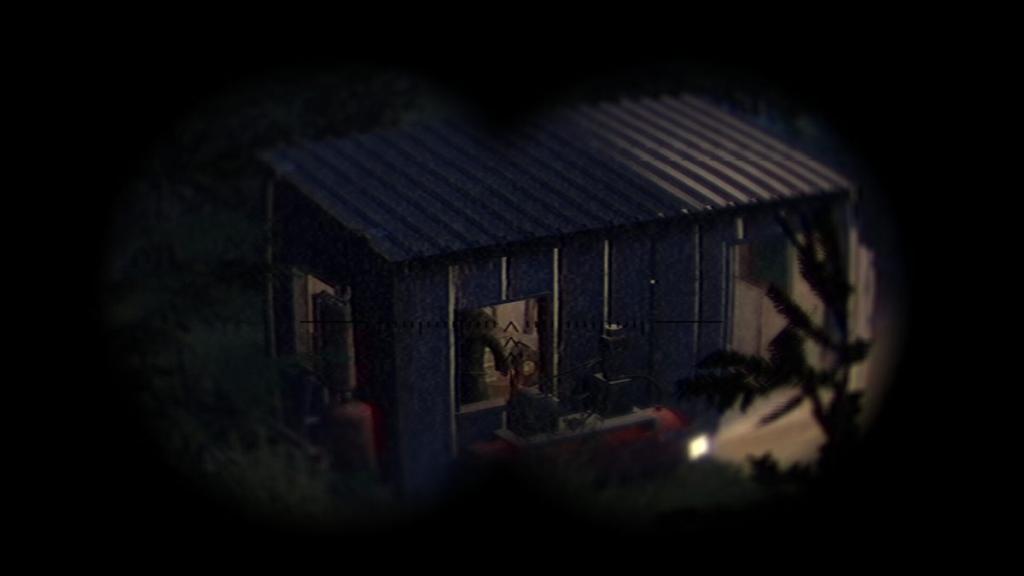
However, the game is not without its moments where players must consciously suspend disbelief. For instance, in "Home Alone," the abrupt teleportation of an intruder from within the house to the front door, while an effective jump scare, clearly deviates from the plausible. These narrative shortcuts, while sometimes jarring, serve the primary purpose of delivering immediate scares and reinforcing the player’s sense of helplessness. They are stylistic choices that prioritize emotional impact over strict adherence to the laws of physics or human behavior.
Ultimately, the enduring appeal of Fears to Fathom lies in its ability to present "realistic tales that could happen to anyone." Whether rayll genuinely believes the submitted stories or uses them as a springboard for fictionalized dread remains an open question. However, the effectiveness of the series is undeniable. It taps into a collective consciousness of fear, drawing from both documented atrocities and the fertile ground of online storytelling to craft experiences that are both chillingly plausible and intensely terrifying. The "truth" behind the stories, in the strictest sense, may be elusive, but the inherent creepiness and psychological impact of Fears to Fathom are very real. The game masterfully exploits our deepest anxieties, making us question our own sense of safety and wonder if the next knock on the door, or the strange noise in the night, might be the beginning of our own true horror story. The series stands as a testament to the power of narrative in shaping our perception of fear, proving that even when the facts are fictionalized, the feelings they evoke can be undeniably authentic.