


A Candid Acknowledgment of Past Challenges and a Renewed Vision
In a strikingly transparent move, Bungie’s new leadership group openly admitted to having "lost trust, lost colleagues, and lost sight of prioritising their players." This frank self-assessment underscores a period of internal and external challenges that have reportedly plagued the studio. The new strategic outline is built upon a foundation of several "core commitments" designed to guide Bungie’s operations moving forward, aiming to restore confidence and deliver on its creative promises. These commitments implicitly revolve around enhanced transparency, consistent delivery of high-quality content, and a renewed focus on player-centric development, which the studio believes is essential to its long-term viability and creative integrity.
The acknowledgment of "lost colleagues" likely refers to the significant layoffs that impacted Bungie in late 2023, affecting approximately 8% of its workforce, or around 100 employees. These layoffs, which came shortly after the acquisition by Sony and amid reports of Destiny 2‘s underperformance, sent ripples through the gaming industry and raised questions about the studio’s stability and future direction. The current announcement can be seen as a direct response to these internal shifts and the imperative to stabilize the company and re-energize its development teams.
The Road Ahead for Destiny: Recapturing Its Original Promise
Central to Bungie’s renewed focus is Destiny, specifically Destiny 2, which is identified as a core commitment. The studio’s stated ambition is to "return Destiny to its original promise, to recapture the qualities that have always made it special." This objective directly addresses long-standing player feedback and criticism regarding the evolution of the live-service title.
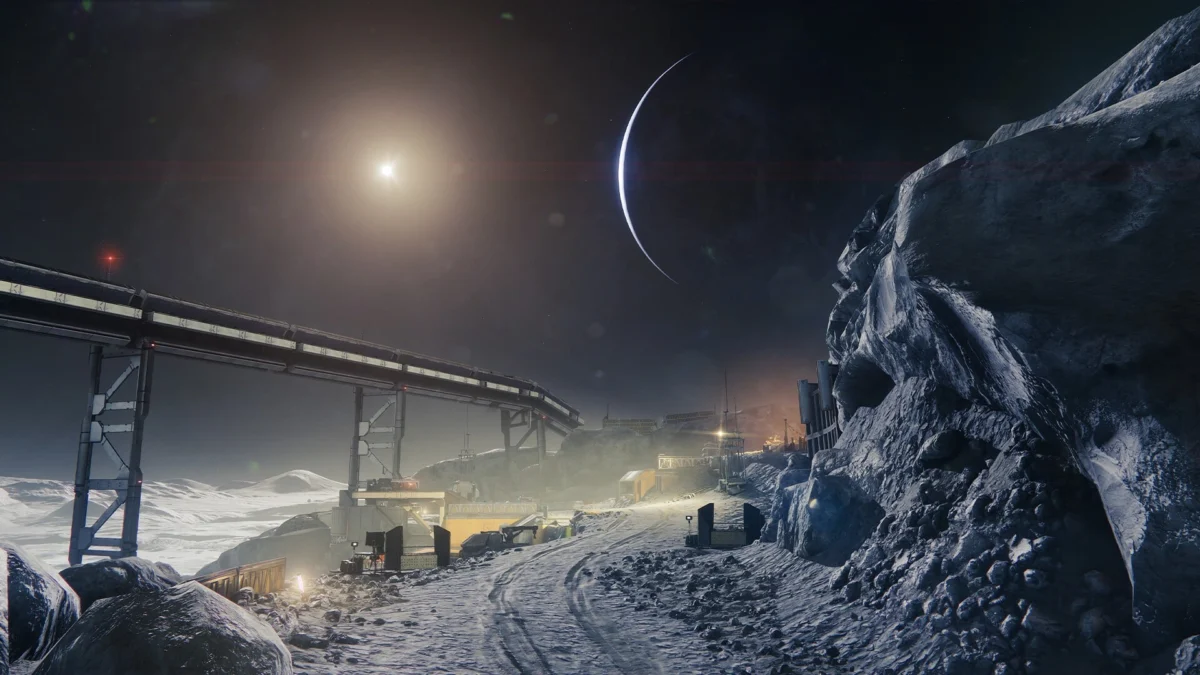
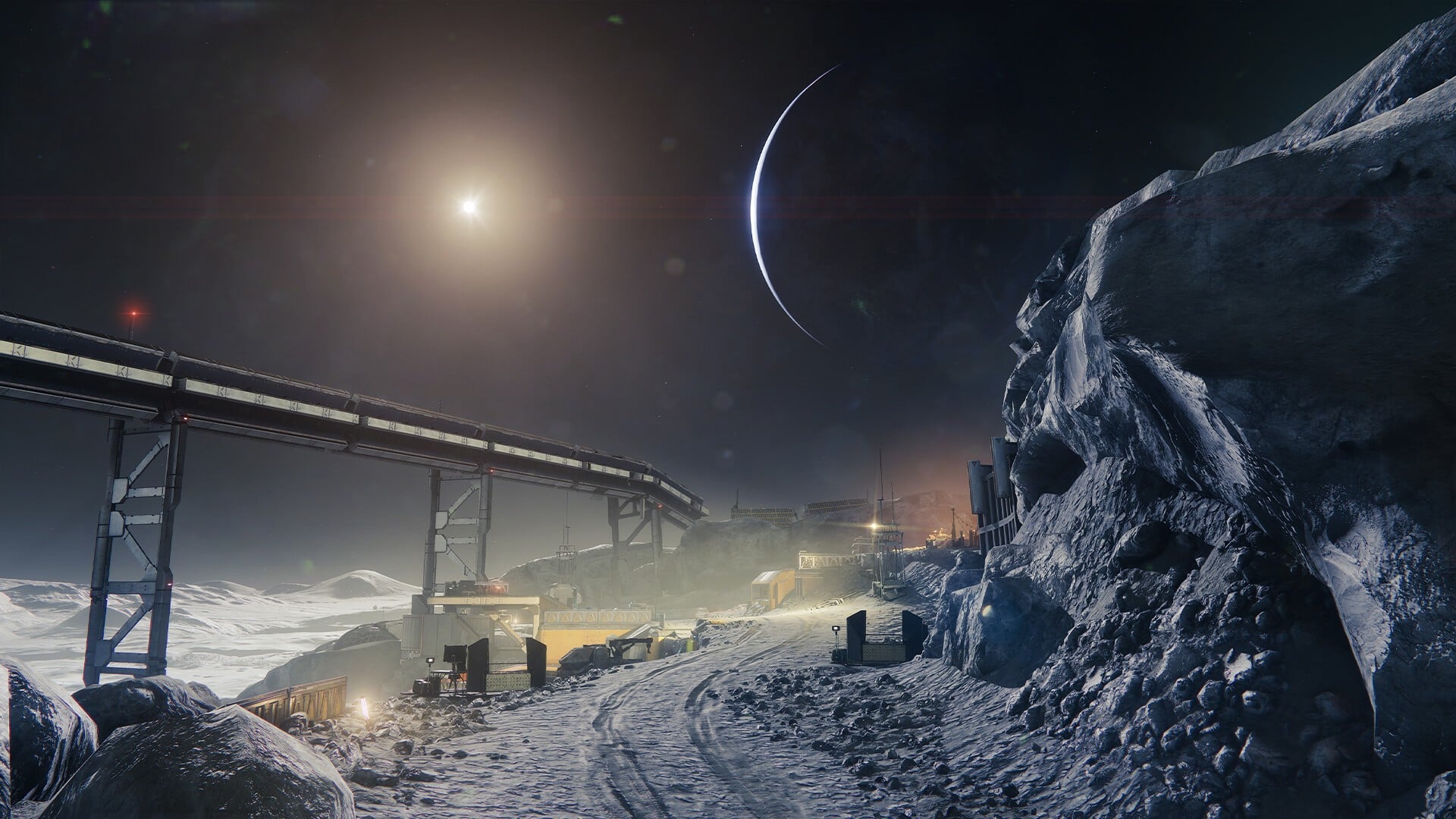
A significant aspect of this commitment involves the unprecedented decision to bring "vaulted campaigns, destinations, and raids" back into Destiny 2. The concept of the "Destiny Content Vault" (DCV), introduced with the Beyond Light expansion in 2020, saw substantial portions of the game’s original content, including entire planets and story campaigns, removed from active play. While Bungie initially justified this as a necessary measure to manage game size, reduce technical debt, and facilitate faster content development, it proved highly controversial among players who felt their purchased content was being arbitrarily removed. Many veterans lamented the loss of iconic locations and narrative arcs, arguing it fragmented the game’s story and limited new players’ ability to experience its rich history.
Bungie acknowledges that the process of reintroducing vaulted content "will take time," implying a phased approach rather than an immediate restoration. This undertaking presents considerable technical challenges, requiring significant development resources to update old content to current game engine standards, integrate it seamlessly with existing systems, and ensure a cohesive player experience. The studio anticipates that this effort will "lay the foundation for how we reforge into new stories and games that you all deserve," suggesting that the reintroduction of past content is not merely a nostalgic gesture but a strategic move to build a more robust and expansive future for the Destiny universe. The timeline for this initiative remains fluid, but its announcement provides a clear signal of Bungie’s intent to address one of the most persistent criticisms leveled against Destiny 2.
Forging a New Path with Marathon: A Deeper Survival Experience
Beyond Destiny, Bungie’s second core focus is the highly anticipated Marathon. The goal for this new intellectual property is to develop it into a "deeper survival experience with strengthened combat, world, and competitive tension," while simultaneously providing "more meaningful experiences across all of the game modes on offer."
Marathon, first revealed in 2023, marks Bungie’s ambitious foray into the extraction shooter genre, a highly competitive space dominated by titles like Escape from Tarkov and Hunt: Showdown. The original Marathon trilogy, released by Bungie in the mid-1990s, was a seminal first-person shooter series known for its innovative narrative and atmospheric sci-fi setting. The reboot aims to honor this legacy while adapting it to modern gaming sensibilities, focusing on player-versus-player-versus-environment (PvPvE) gameplay loops where players drop into zones, secure valuable loot, and attempt to extract, all while fending off rival players and environmental threats.
The emphasis on "deeper survival," "strengthened combat, world, and competitive tension" indicates Bungie’s intent to carve out a distinct niche within the extraction shooter genre. This suggests a focus on intricate mechanics, a richly detailed game world, and a high-stakes competitive environment that rewards strategic thinking and skillful execution. Balancing the resources and creative talent between a colossal live-service game like Destiny 2 and a new, ambitious title like Marathon will be a significant challenge for Bungie, requiring careful planning and execution to ensure both titles receive the attention and development they require to succeed. The success of Marathon is crucial for Bungie’s diversification strategy, lessening its reliance on Destiny as its sole flagship franchise.
Bungie’s Evolving Journey: From Halo to PlayStation
To fully appreciate the significance of this strategic pivot, it is essential to contextualize Bungie’s journey through the gaming industry. Founded in 1991, Bungie first rose to prominence with the Marathon series before achieving global recognition with the original Halo: Combat Evolved in 2001, a launch title for the Xbox. This partnership with Microsoft defined an era of console gaming and established Bungie as a premier developer of first-person shooters.
However, in 2007, Bungie dramatically separated from Microsoft, embarking on an independent path. This led to a landmark 10-year publishing deal with Activision in 2010, which culminated in the creation of the Destiny franchise. Destiny launched in 2014, breaking sales records and pioneering the "shared-world shooter" genre, combining elements of MMOs with traditional FPS gameplay. Despite its success, the relationship with Activision proved complex, with creative differences reportedly emerging over the franchise’s direction and monetization strategies. This partnership dissolved in 2019, with Bungie regaining full publishing rights to Destiny.
The most recent and perhaps most impactful chapter in Bungie’s history unfolded in 2022 when Sony Interactive Entertainment announced its acquisition of the studio for an initial sum of $3.6 billion, which later increased to $3.7 billion due to earn-out clauses tied to performance goals. This acquisition was a monumental move for Sony, securing a developer renowned for its live-service expertise and expanding PlayStation’s portfolio beyond its traditional single-player focus. Crucially, Sony pledged that Bungie would retain its creative independence and continue to develop multi-platform games, including Destiny 2 and Marathon, which are slated for PC and Xbox as well as PlayStation. This multi-platform commitment, unusual for a first-party PlayStation studio, highlights Bungie’s unique position within Sony’s ecosystem and the strategic importance of its live-service capabilities. The weight of this substantial investment undoubtedly places considerable pressure on Bungie to deliver commercially successful and critically acclaimed titles.
Internal Shifts and Leadership Commitments
The recent announcements from Bungie are not merely external communications but also an internal message aimed at galvanizing its workforce and charting a clear course after a period of uncertainty. The mention of "lost colleagues" and "lost trust" speaks to internal challenges that extend beyond public perception. Reports following the 2023 layoffs indicated a dip in morale, concerns over leadership direction, and a feeling among some employees that the studio had strayed from its core values.
The "new leadership group" and their "core commitments" are thus critical to rebuilding internal cohesion and ensuring that the studio can effectively execute its ambitious plans. While the specific commitments were not exhaustively listed, the overarching theme is one of refocusing on the fundamental elements that made Bungie successful: creating compelling games that its developers are passionate about, but always with players at the center.
The quotes provided in the original communication underline this sentiment: "This is an important time for Bungie. Our future depends on making clear choices about where we focus, delivering what we say we will, and being honest about our successes and failures. Stability doesn’t mean shrinking our ambition. It just means that we have to focus on the things you want to see from us, and making sure our vision matches our reality. How we bring this new Bungie to life has to be through the spirit of putting players at the forefront of what we do. We have to find a way back to making games that we want to play, but with you at the center." This statement emphasizes a move towards greater realism in project scope, increased accountability, and a return to player-centric design principles, which are vital for rebuilding trust both internally and externally.
The Broader Implications for Bungie and the Live-Service Landscape
Bungie’s strategic pivot carries significant implications, not just for the studio itself but for the broader live-service gaming landscape. In an era where player retention and continuous content delivery are paramount, candidly acknowledging past shortcomings and outlining a clear path forward is a courageous, albeit necessary, step.
For Destiny 2, the commitment to reintroducing vaulted content, while resource-intensive, could revitalize the game’s appeal, especially for returning players and those who missed earlier chapters. It suggests a potential shift in Bungie’s content strategy, moving towards a more evergreen model where past experiences remain accessible. However, the success of this endeavor will depend heavily on the quality of the reintroduction and how it integrates with future narrative arcs, such as the upcoming The Final Shape expansion, which is slated to conclude the "Light and Darkness Saga."
For Marathon, the focus on a "deeper survival experience" indicates a desire to stand out in a crowded market. Bungie’s pedigree in crafting exceptional gunplay and world-building could be a distinct advantage, but the long-term success of an extraction shooter hinges on robust anti-cheat measures, consistent content updates, and a vibrant community – all areas where Destiny 2 has faced its own challenges.
Ultimately, Bungie recognizes the monumental task ahead. As the studio stated, "There is still a great deal of work ahead and challenges to overcome, but we believe deeply in this studio, our people, and the games we are building. But belief is not enough. It’s on us to prove progress through what we deliver. Thank you for continuing to challenge us, and for caring so deeply about the worlds we create. Keep holding us accountable. We are ready to do the work." This call for continued accountability from its player base is a testament to the long and arduous journey of rebuilding trust and demonstrating tangible progress.
Looking Ahead: A Defining Moment for the Studio
This new chapter represents a defining moment for Bungie. After a period of reported internal turmoil, significant layoffs, and public scrutiny, the studio is attempting to reset its course, drawing on its rich legacy while embracing the demands of modern game development. The success of this pivot will depend on its ability to execute on its core commitments, deliver consistently high-quality content for both Destiny and Marathon, and most importantly, re-establish the deep connection with its player community that has always been the hallmark of its most successful endeavors. The gaming world will be watching closely as Bungie embarks on this crucial new phase, hoping that the veteran studio can indeed spearhead a successful new era, cementing its place as a leader in innovative and engaging interactive entertainment.