


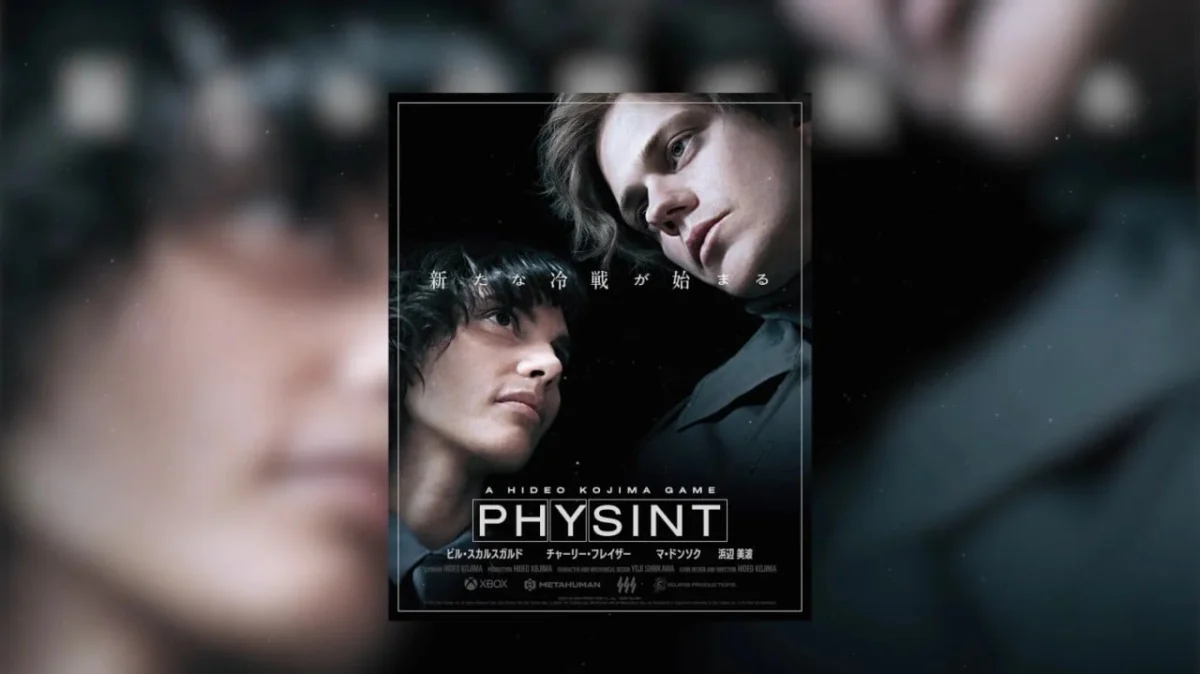
The highly anticipated project PHYSINT, from legendary game designer Hideo Kojima, has officially transitioned its publishing partnership from PlayStation to Xbox, a development that has sent ripples throughout the global gaming industry. This strategic pivot, confirmed by Kojima himself in a recent interview, comes amid a challenging period for game development and underscores a broader industry trend towards multi-platform IP expansion. While the shift secures the project’s future, the ultimate platform exclusivity of PHYSINT remains an open question, with Kojima deferring to Xbox on the matter.
The Genesis of a Shift: PlayStation’s Withdrawal and Kojima’s Shock
The dramatic change in publishing partners for PHYSINT originated from a surprising decision by PlayStation. Hideo Kojima revealed in an exclusive interview with IGN that in June, he was informed by Sony that they could no longer fund the development of the game. This news, he recounted, left him "in shock." "I couldn’t quite process what they had said," Kojima stated, expressing his profound surprise given his perception that PHYSINT was a secure and viable project.
Kojima’s reaction highlights the increasing volatility within the video game industry. Over the past year, numerous studios have faced closures, and a significant number of projects have been canceled or put on indefinite hold. Major publishers, including PlayStation, have undergone internal restructurings, leading to widespread layoffs and a re-evaluation of investment strategies. While Kojima acknowledged these broader industry challenges, he genuinely believed PHYSINT was immune, making PlayStation’s decision particularly jarring. His immediate concern, he noted, shifted from anger or sadness to the practical implications for Kojima Productions: "What am I going to do with my studio? Because we signed contracts for projects." This candid admission offers a glimpse into the precarious position even highly acclaimed independent studios can find themselves in amidst a rapidly changing economic landscape.
The specifics of PlayStation’s rationale for withdrawing funding have not been publicly detailed by Sony. However, industry analysts speculate that it could be related to a multitude of factors, including a re-prioritization of internal first-party titles, a shift away from certain genres, or a conservative approach to high-budget, experimental projects in the current economic climate. PlayStation’s recent focus on expanding into live-service games and optimizing existing blockbuster franchises might have played a role in their investment calculus.
Xbox Steps In: A Shared Vision for IP Expansion
Following the unexpected withdrawal of PlayStation’s support, Kojima Productions found a new, enthusiastic partner in Xbox. Kojima recounted his proactive approach to Microsoft, leveraging an existing connection forged through their collaboration on the upcoming horror title, OD. His pitch for PHYSINT to Xbox executives was met with an overwhelmingly positive response. "Their first reaction was like, ‘This pitch was fantastic. Never seen a pitch like this!’" Kojima shared, indicating a strong alignment between his creative vision and Xbox’s strategic objectives.
A key factor in Xbox’s enthusiastic embrace of PHYSINT appears to be their comprehensive vision for the project, extending far beyond a single video game. Kojima elaborated on this synergy, stating, "The biggest thing was, they’re not thinking of just funding a game. They’re thinking about movies and anime. It’s more about the IP. Let’s create a new IP. And that’s bigger in scale, so to speak." This multi-media approach resonates deeply with Kojima’s long-standing desire to create expansive, interconnected narrative universes, a characteristic hallmark of his previous works like the Metal Gear Solid series.
This strategic alignment underscores Xbox’s evolving corporate strategy, championed by figures like Phil Spencer and Sarah Bond, which emphasizes building robust intellectual properties that can transcend the gaming medium. Microsoft’s investment in content extends to film, television, and other entertainment formats, as evidenced by their recent efforts with franchises like Halo and Fallout. By supporting PHYSINT not just as a game but as a foundational IP for a broader entertainment ecosystem, Xbox is positioning itself as a partner capable of realizing ambitious, cross-platform creative visions. This contrasts with what Kojima implied was a more singular game-centric focus from other publishers, though he did acknowledge Nintendo’s successful ventures into movies and attractions with Mario and Zelda as a similar, albeit independently driven, model.
Exclusivity Remains Undecided: A Strategic Ambiguity
Despite the significant investment and shared vision with Xbox, the question of PHYSINT‘s platform exclusivity remains unanswered. Kojima explicitly stated, "I don’t know the answer to that – that would be a question for Xbox. But I don’t know for sure." He further referenced Xbox’s publicly stated stance on delivering games to "as many gamers as possible, no matter what the platform is," suggesting that a multi-platform release, potentially including PlayStation, could be on the table.
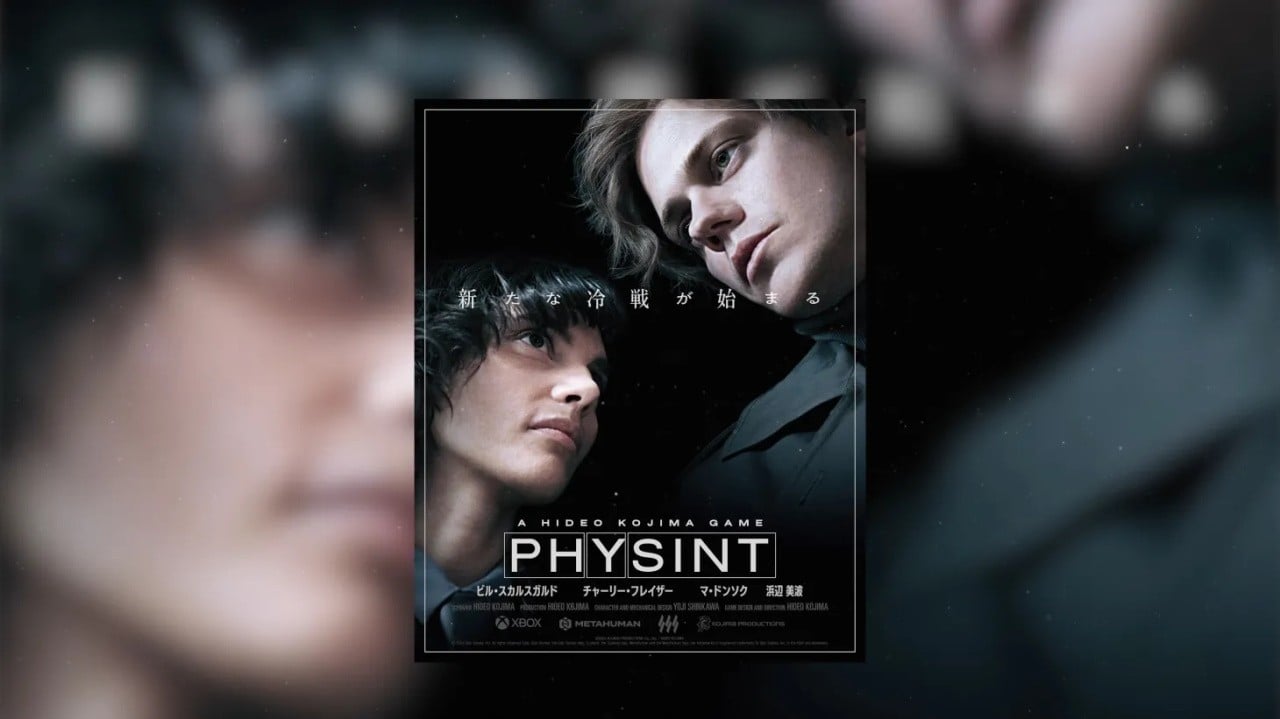
This ambiguity reflects Microsoft’s nuanced approach to platform strategy in recent years. While Xbox has historically relied on console exclusives to drive hardware sales, recent trends indicate a shift towards broader content accessibility. The acquisition of major publishers like Bethesda and Activision Blizzard, and the subsequent decision to bring titles like Call of Duty to PlayStation and Hi-Fi Rush to rival platforms, illustrate a move towards leveraging Game Pass and IP ownership across various ecosystems rather than strictly enforcing console exclusivity for all titles. This strategy aims to maximize audience reach and revenue, particularly as the traditional console war evolves into a broader competition for player engagement across multiple devices and services.
The eventual decision on PHYSINT‘s exclusivity will likely be a complex one, balancing the benefits of a console-defining exclusive against the potential for wider sales and IP exposure on other platforms. Given the project is still in its experimental stages, with the game engine yet to be decided, any definitive announcement on platform availability is likely several years away. The gaming landscape itself could transform considerably in that timeframe, as evidenced by the significant industry shifts that have occurred since key figures like Asha Sharma joined Xbox in early 2026.
Project Status: Early Stages and Experimental Vision
While the partnership with Xbox is now secure, PHYSINT is clearly in its nascent stages of development. Kojima emphasized that he is still "experimenting" with many aspects of what PHYSINT is going to become. The game engine has not yet been finalized, indicating that core technological and design decisions are still being made. This suggests a lengthy development cycle ahead, reinforcing the expectation that a release is not imminent.
Kojima’s commitment to the project is profound. He views PHYSINT as one of the most important endeavors he has undertaken, signifying its potential to push creative boundaries. His track record of innovation, from the stealth mechanics of Metal Gear Solid to the genre-bending delivery systems of Death Stranding, suggests that PHYSINT will likely defy easy categorization and offer a uniquely Kojima experience. The "action espionage" genre mentioned in earlier communications implies a return to themes familiar to his fans, but with the inevitable twists and philosophical underpinnings characteristic of his work.
Addressing "Unsubstantiated Speculation": Kojima Productions’ Official Stance
The news surrounding PHYSINT‘s publisher change was further complicated by an article published by Bloomberg’s Jason Schreier on September 11th, which reportedly detailed the switch and speculated on underlying reasons. In response, Kojima Productions issued a formal statement on social media, directly addressing what it termed "unsubstantiated speculation" surrounding the project and its relationship with PlayStation.
The statement emphatically pushed back against "aspersions around our relationship with PlayStation, the commercial performance of the DEATH STRANDING franchise, and the broader production planning and investment for PHYSINT." It clarified that "None of the claims written came from any official or on-the-record source and as such we encourage you to take them with a dose of scepticism."
Crucially, Kojima Productions used the opportunity to reassure stakeholders and fans about the studio’s health and future. The statement declared, "Make no mistake, this was a serious situation for the studio with a range of potentially significant implications. While we recognise that the article may have caused alarm, we want to reassure you all, for the record: that the studio is in a healthy, profitable state, development for PHYSINT continues to move forward with XBOX, and our relationship with PlayStation remains strong." This public declaration aimed to dispel rumors of discord or financial instability, asserting that the studio maintains positive ties with PlayStation despite the PHYSINT partnership shift and that Death Stranding remains a commercially successful franchise. Jason Schreier, the author of the Bloomberg report, subsequently responded to Kojima Productions’ statement with a comment of his own, though its specific content was not detailed in the original reporting, it implied a defense of his journalistic integrity and sourcing.
Broader Industry Implications and Future Outlook
The PHYSINT saga serves as a compelling case study of the evolving dynamics within the video game industry. It highlights several key trends:
- Publisher Volatility and Project Scrutiny: The fact that a project from a renowned creator like Hideo Kojima could be dropped by a major platform holder underscores the intense scrutiny projects face in today’s market. Publishers are increasingly risk-averse, prioritizing projects with clearer commercial pathways or aligning with broader strategic objectives.
- The Rise of IP Over Exclusivity: Xbox’s willingness to invest in PHYSINT primarily as a multi-media IP, rather than solely a console exclusive, signals a shift in value perception. The long-term potential of a brand across various entertainment forms is becoming more valuable than merely boosting single-platform hardware sales.
- Independence and Creator Freedom: For independent studios like Kojima Productions, securing a partner that aligns with a holistic creative vision is paramount. This incident reinforces the importance for creators to find partners who understand and support their artistic ambitions, especially in an industry increasingly focused on scale and efficiency.
- Strategic Partnerships in a Global Market: The collaboration between a Japanese independent studio and an American platform holder demonstrates the globalized nature of game development and the potential for cross-cultural partnerships to thrive.
As PHYSINT embarks on its development journey under the Xbox banner, the gaming world will keenly watch its progress. The project not only carries the weight of Kojima’s legendary status but also represents a significant strategic play for Xbox in its quest to expand its content portfolio and establish itself as a leader in cross-media entertainment. While the release date remains a distant horizon, the foundational shift in its publishing partner marks a pivotal moment in the game’s history and offers valuable insights into the contemporary landscape of interactive entertainment.