


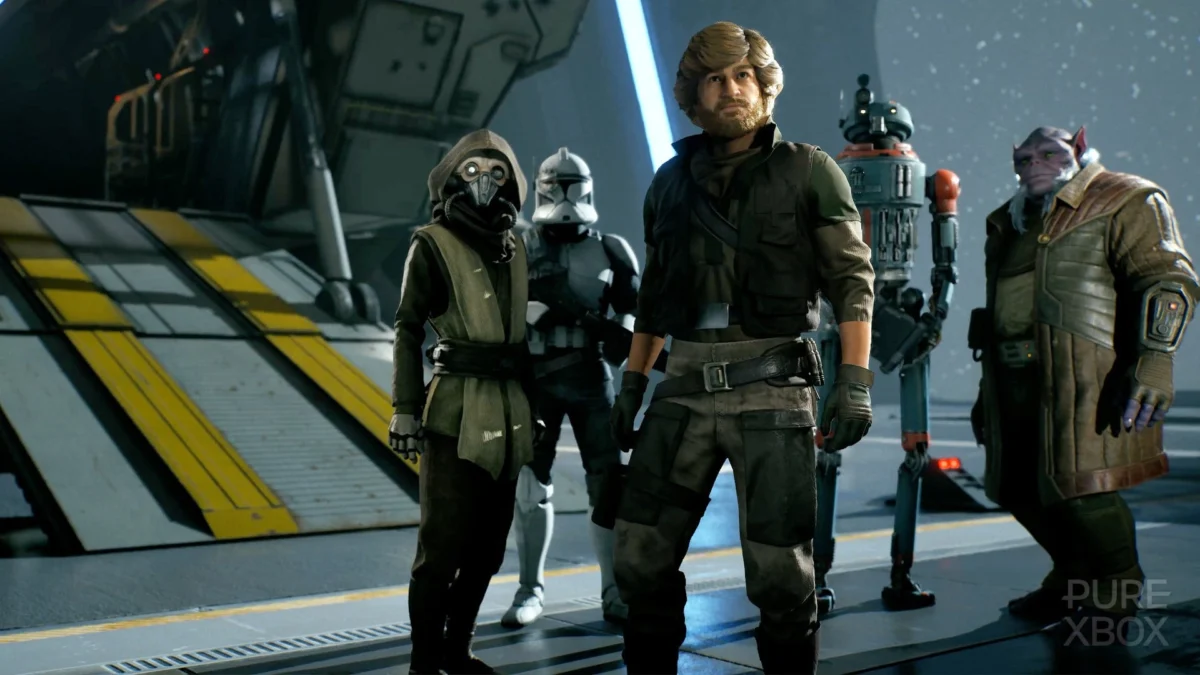
Star Wars Zero Company has emerged as a significant milestone in the tactical role-playing game (RPG) genre, garnering critical acclaim for its sophisticated blend of turn-based strategy and deep narrative integration. Developed by Bit Reactor, a studio comprised of veterans from the XCOM franchise, the title represents a strategic shift in how the Star Wars intellectual property is utilized within the gaming industry. Following its recent launch on Xbox Series X|S and PC, the game has been positioned as a definitive entry in the genre, challenging the long-standing dominance of established titles like XCOM 2 and Fire Emblem. With a campaign length averaging between 40 and 60 hours, Star Wars Zero Company offers a comprehensive experience that balances high-stakes combat with intricate base management and character development.
Strategic Foundation and Genre Evolution
The primary reason for the game’s success lies in its refusal to be a derivative "clone" of existing tactical shooters. While the industry frequently categorizes turn-based strategy games under the "XCOM-like" umbrella, Bit Reactor has introduced significant structural refinements. The core gameplay loop—consisting of base management, research and development (R&D), global strategy, and tactical skirmishes—remains intact, providing a familiar framework for veterans. However, the game addresses long-standing criticisms of the genre, specifically regarding resource management and mission selection.
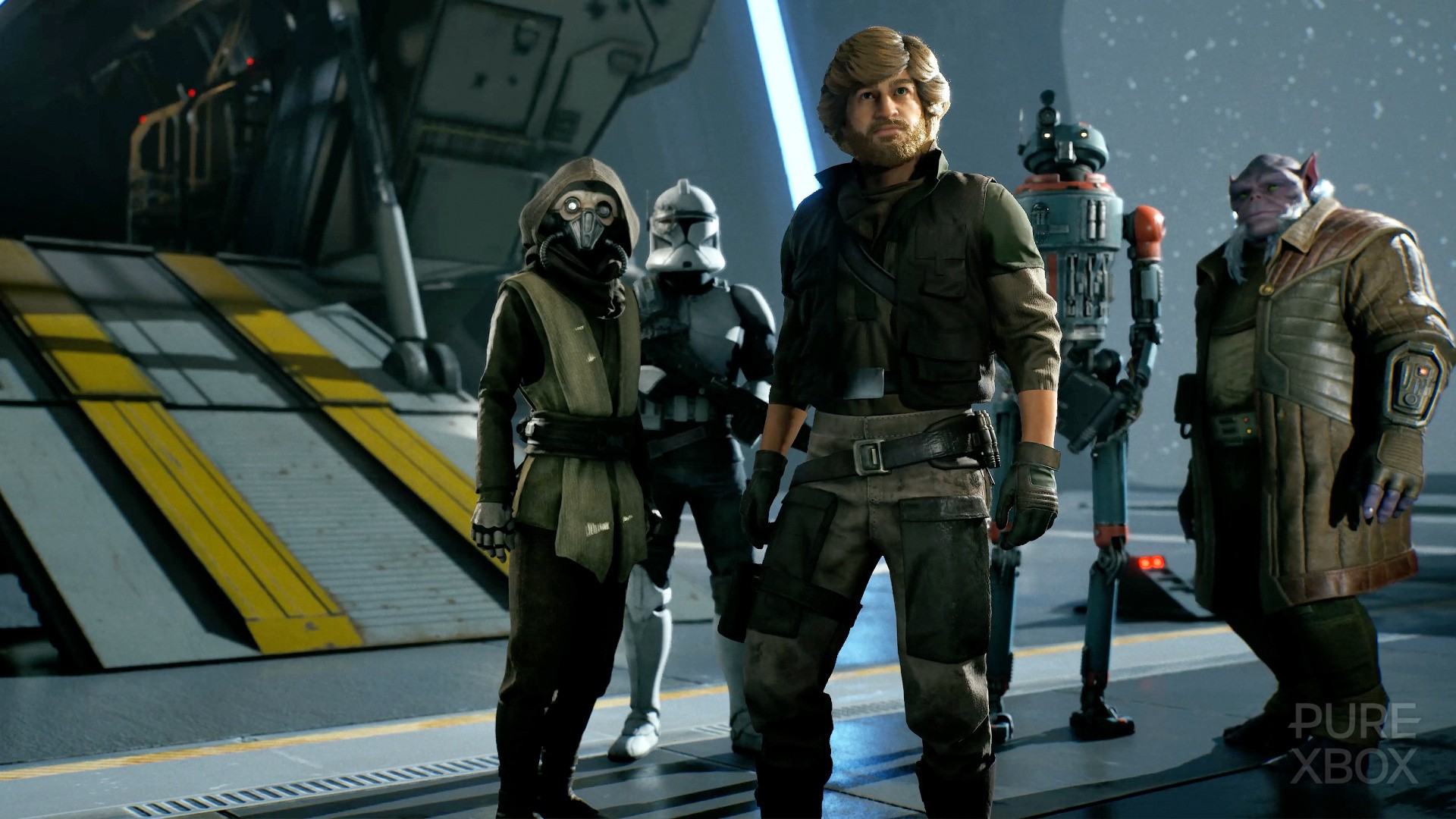
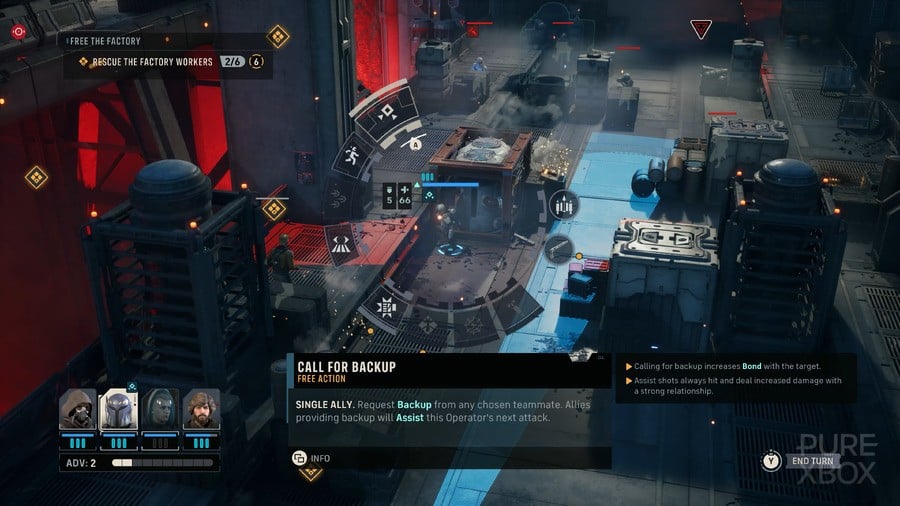
In Star Wars Zero Company, the "global layer" has been streamlined to reduce the administrative friction often found in XCOM 2. By simplifying the acquisition of resources and the selection of missions, the developers have ensured that the tactical combat remains the central focus. Despite these quality-of-life improvements, the game retains the high-stakes mathematical probability that defines the genre. Players must still navigate "hit-chance" percentages, where even a close-range blaster shot may miss due to environmental factors or unit stats, maintaining the tension inherent in tactical decision-making.
Innovative Console Optimization and Control Schemes
A secondary factor contributing to the title’s status as an all-time RPG is its successful adaptation of complex PC-centric mechanics to a console environment. Historically, tactical RPGs have favored mouse-and-keyboard setups due to the precision required for menu navigation and unit positioning. Bit Reactor has addressed this disparity through the implementation of a bespoke "Action Wheel"—a radial menu system designed specifically for the Xbox Elite and standard controllers.
This radial interface replaces the traditional horizontal ability bar, allowing players to navigate combat options using the right analog stick. Technical analysis indicates that while the game supports mouse and keyboard on console, the majority of the player base has gravitated toward the controller-friendly UI. This shift in design philosophy allows for a more accessible "living room" experience without sacrificing the depth of the tactical layers. The flexibility to switch between control methods ensures that the game meets the needs of diverse player demographics, from hardcore strategy enthusiasts to casual fans of the franchise.
Narrative Synergy and Canonical Integration
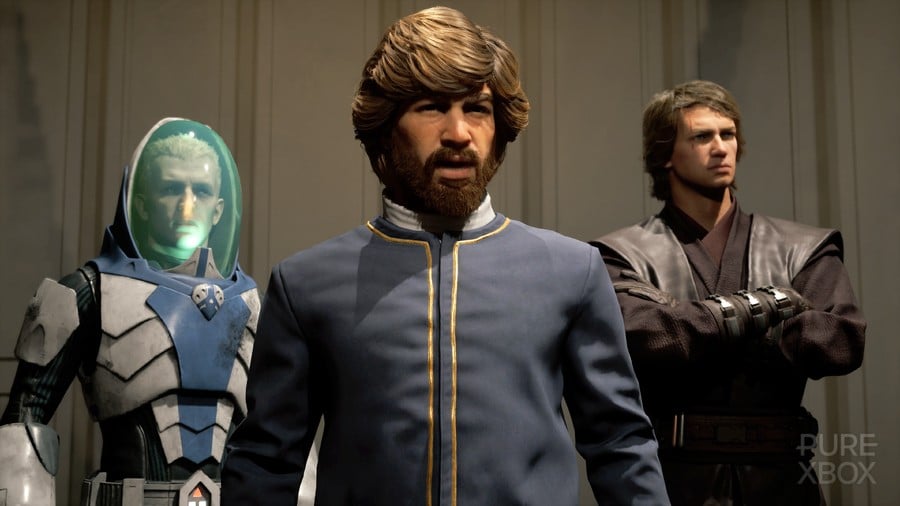
The third pillar of the game’s excellence is its sophisticated use of the Star Wars canon. Unlike previous titles that relied on superficial references, Star Wars Zero Company integrates iconic characters and locations into the core narrative in a manner that feels essential rather than decorative. The inclusion of high-profile cameos, such as Anakin Skywalker, serves to ground the original story of "Zero Company" within the broader galactic timeline.
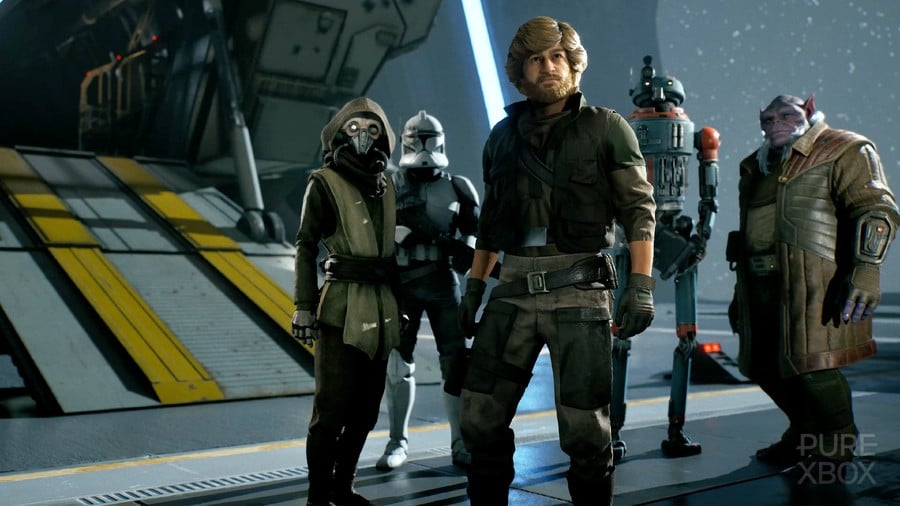
The game follows a customizable protagonist known as "Hawks," the leader of a specialized unit operating during a pivotal era of the Star Wars timeline. By positioning the player’s custom character alongside legendary figures, the narrative creates a sense of scale and consequence. Industry analysts have noted that this approach mirrors the successful narrative structure of games like Gears Tactics, though Zero Company is credited with a more "meaningful sprinkling" of franchise lore. The presence of Jedi and established military leaders provides a sense of authenticity, making the player’s tactical successes feel like a legitimate contribution to the history of the galaxy.
Visual Fidelity and Cinematic Presentation
The fourth reason for the game’s high standing is its industry-leading visual presentation. Utilizing modern rendering techniques on the Xbox Series X, the game offers two primary modes: a "Quality Mode" focusing on 4K resolution and advanced lighting, and a "Performance Mode" targeting 60 frames per second. The environmental design features high-fidelity textures, volumetric smoke, and fully destructible cover, which significantly impacts tactical gameplay.
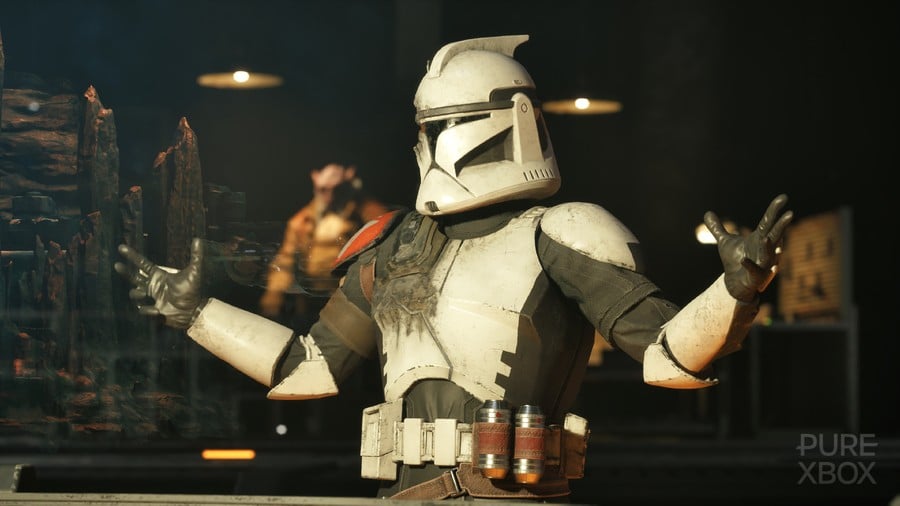
One of the standout features is the "Dynamic Perspective" camera. During combat, the view frequently shifts from a traditional isometric "bird’s-eye" perspective to a tight, over-the-shoulder angle during action sequences. This transition blurs the line between tactical strategy and third-person action, providing a cinematic feel that is rare in the genre. Furthermore, the game’s hub world, known as "The Den," allows for real-time exploration and character interaction, moving away from the static menus typical of older RPGs. The attention to detail extends to passive animations; for example, idle units will engage in cosmetic target practice, and Jedi characters like Padawan Tel-Rea will actively deflect stray blaster fire during the player’s turn, adding a layer of immersion to the tactical downtime.
Depth of the Bonding and Progression Systems
Finally, the game’s "Bonding System" represents a significant evolution of the social mechanics introduced in XCOM 2: War of the Chosen. In Star Wars Zero Company, the relationships between squad members are dynamic and influenced by player choices. As units participate in missions together, they unlock "Bonds" that provide tangible combat buffs, such as increased movement range, enhanced melee damage, and improved critical hit chances.
This system is further complicated by narrative choices where the protagonist, Hawks, must mediate disputes between squad members. These interactions ensure that the recruitable soldiers feel like distinct individuals rather than expendable assets. The skill trees for different operator classes, such as the Mandalorian Cly Kullervo, offer deep customization. Specialized abilities, such as Kullervo’s "sticky-dart" electrified attacks, allow for complex combo maneuvers. When players successfully coordinate multiple units to take down high-value targets, the game rewards them with synchronized cinematic takedowns, reinforcing the theme of squad-based synergy.
Development Context and Industry Impact
The development of Star Wars Zero Company began following the restructuring of the Star Wars gaming license, which allowed studios beyond Electronic Arts to develop titles within the universe. Bit Reactor’s partnership with Respawn Entertainment was pivotal in securing the resources necessary for a triple-A tactical title. The studio’s objective was to revitalize a sub-genre that had seen few major entries since the release of XCOM 2 in 2016.
Data from the first month of release suggests that Star Wars Zero Company has outperformed sales expectations for a tactical RPG. On the Xbox platform alone, the game has maintained a high player retention rate, with a significant percentage of users surpassing the 40-hour playtime mark. This success indicates a strong market appetite for high-budget strategy games when paired with a globally recognized intellectual property.
Technical Performance and Post-Launch Support
While the game has been hailed as a masterpiece of the genre, it is not without minor technical hurdles. Reports from the player community have highlighted occasional "decision paralysis" in enemy AI, where computer-controlled units may stall for several seconds before executing a move. Additionally, minor input latency issues on the "A" button confirm command have been noted in certain menu screens.
In response, Bit Reactor has announced a roadmap for post-launch updates. The upcoming "Patch 1.1" is expected to address AI logic routines and optimize controller responsiveness. The studio has also hinted at future downloadable content (DLC) that will expand the roster of recruitable classes and introduce new campaign chapters set in different eras of the Star Wars timeline.
Broader Implications for the Star Wars Franchise
The success of Star Wars Zero Company has broader implications for the future of the franchise in interactive media. It demonstrates that Star Wars can thrive outside of the traditional action-adventure and first-person shooter genres. By delivering a deep, narrative-driven RPG experience that respects both the source material and the complexities of tactical gameplay, Bit Reactor has set a new standard for licensed strategy games.
As the industry moves forward, the influence of Zero Company is likely to be seen in future tactical titles. Its successful implementation of controller-first UI and cinematic camera work provides a blueprint for bringing niche genres to a wider console audience. For fans of the galaxy far, far away, the game represents more than just a tactical exercise; it is a profound expansion of the lore that places the power of the Force—and the strategy of the Republic—directly into the hands of the player. With its combination of technical polish, narrative depth, and strategic innovation, Star Wars Zero Company has firmly established itself as an all-time great in the RPG landscape.