


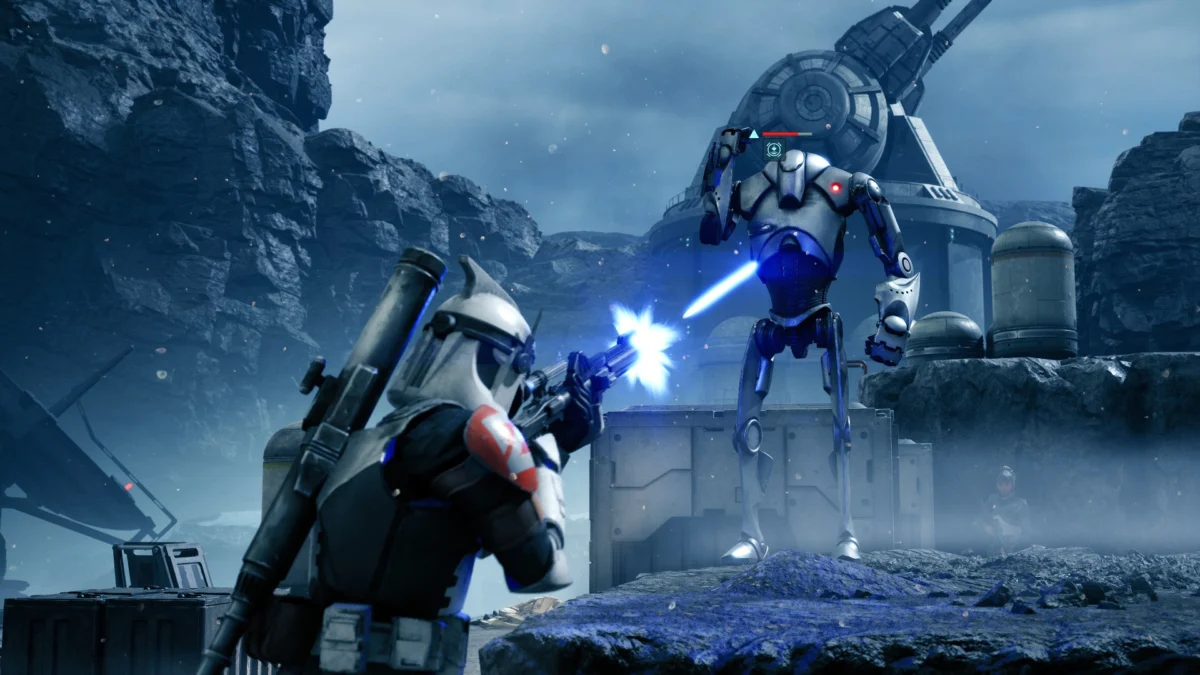
The Strategic Resurgence: Star Wars Zero Company and the Tactics Genre
A significant portion of the current player engagement is centered on the release of Star Wars Zero Company, a tactical RPG that has garnered substantial critical acclaim since its launch earlier this month. The title represents a pivot toward complex, turn-based systems within the Star Wars intellectual property, a move that industry analysts suggest has filled a void in the high-budget strategy market. The success of Zero Company has not only bolstered the current software lineup but has also triggered a secondary wave of interest in legacy tactical titles. Reports indicate a notable uptick in concurrent players for Marvel’s Midnight Suns and Gears Tactics, as users seek to maintain the "strategic momentum" established by the new Star Wars entry.
This trend underscores a broader shift in consumer behavior where a standout genre hit revitalizes interest in an entire category of games. Star Wars Zero Company utilizes a sophisticated grid-based combat system and deep squad customization, mechanics that have drawn comparisons to the industry-standard XCOM series. The game’s ability to blend narrative depth with rigorous mechanical requirements has made it a centerpiece of the September gaming calendar. Editorial staff at Pure Xbox and other major outlets have indicated that the title’s "sticky" nature—the ability to keep players engaged over long sessions through "just one more turn" gameplay—is a primary driver for weekend playtime metrics.
Sports Simulation and the Subscription Trial Model
Parallel to the rise of tactical gaming is the early-access phase of NHL 27. Developed by EA Sports, the title is currently available to Xbox Game Pass Ultimate subscribers through a 10-hour trial period via the EA Play integration. This "trial-before-purchase" strategy has become a cornerstone of Electronic Arts’ distribution model, allowing the publisher to generate data and player feedback prior to the official retail launch scheduled for the following Friday.
Initial impressions of NHL 27 highlight significant refinements to the "Franchise Mode," a staple of the series that allows players to manage the operations, rosters, and financial health of professional hockey teams. In particular, the implementation of more realistic AI behaviors and stadium atmospheres—such as the digital recreation of Rogers Arena—has been cited as a major draw for long-term fans. The Vancouver Canucks, among other teams, have seen high selection rates in these early trials as players test the game’s updated physics engines and player-motion technology. This early engagement period is crucial for sports titles, which rely on a consistent annual cycle of updates to maintain a dedicated user base.
The Economic Impact of the Xbox Deep Discounts Sale
Complementing the new software releases is the "Xbox Deep Discounts Sale," a promotional event featuring over 25 high-profile titles at significantly reduced price points. These sales events are strategically timed to coincide with the lull between the summer drought and the holiday rush, providing an entry point for players to clear their "backlogs" or experiment with genres they might otherwise avoid at full retail price.
The sale includes a variety of genres, though particular attention has been paid to titles that benefit from the hardware capabilities of the Xbox Series X. By offering deep discounts on established hits, Microsoft effectively increases the "attach rate" of software to its hardware, ensuring that the ecosystem remains active even when new blockbuster releases are not the sole focus. Simultaneously, the "Free Play Days" initiative (running from September 3 through September 6) allows subscribers to access select premium titles at no additional cost for a limited window. This dual-track approach—permanent discounts and temporary free access—serves to maximize user retention and platform loyalty.
Legacy Content and the Preservation of Gaming History
The weekend’s gaming activity also reflects a growing interest in legacy content and reconstructed classics. Defender of the Crown: The Legend Returns, a rebuild of the 1986 Amiga classic, has recently debuted on the Xbox Series X|S. The title features two new game modes and serves as a bridge between the historical significance of early home computing games and modern console performance. The inclusion of such titles in the Xbox library highlights Microsoft’s ongoing commitment to backward compatibility and the preservation of gaming history.

Similarly, Mafia: Definitive Edition continues to see high engagement levels. As a complete remake of the 2002 original, the game represents the industry’s ability to modernize older narratives for a contemporary audience without sacrificing the atmosphere of the source material. The enduring popularity of Mafia suggests that high-quality remakes remain a vital component of a console’s software ecosystem, providing reliable experiences for players who may have missed the original release decades prior.
Even more niche titles, such as BLiNX: The Time Sweeper—originally a flagship title for the first Xbox—continue to find an audience. The presence of these titles on modern hardware, often enhanced through the Xbox Game Pass service, allows for a unique form of digital archeology where players can revisit the experimental mascot-driven era of the early 2000s.
Industry Implications and Technical Analysis
The current state of the Xbox ecosystem reveals several key trends regarding the future of digital distribution and genre health. First, the success of Star Wars Zero Company and the subsequent re-installation of Gears Tactics suggest that "genre-clustering" is a potent marketing phenomenon. When a high-quality title enters the market, it creates a halo effect that benefits existing titles within the same category.
Second, the reliance on Xbox Game Pass Ultimate as a delivery vehicle for both full games and trials (like NHL 27) confirms the service’s role as the primary gatekeeper for the Xbox audience. The "hyperfocus" noted by players on single titles like Zero Company indicates that while the service offers a "buffet" of options, the market is still driven by high-quality, singular experiences that demand significant time investments.
Finally, the delay in players starting highly anticipated titles like Routine, Mixtape, and Keeper—despite having access via Game Pass—points to a "paradox of choice." With an abundance of high-quality content available at a flat monthly rate, the challenge for developers is no longer just securing a sale, but securing the player’s limited time.
Chronology of September Events
The following timeline outlines the key milestones for the Xbox platform during the first week of September 2026:
- August 30: Initial reviews for Star Wars Zero Company are published, yielding high scores across major gaming outlets.
- September 1: The "Xbox Deep Discounts Sale" officially begins, featuring over 25 major titles.
- September 3: "Free Play Days" commence, offering a selection of games for free to Game Pass Core and Ultimate members through September 6.
- September 4: The 10-hour trial for NHL 27 goes live for EA Play and Game Pass Ultimate subscribers.
- September 5-6: Peak weekend engagement period, with high concurrent player counts reported for Zero Company and NHL 27 trials.
- September 11: Scheduled full retail release of NHL 27.
As the weekend concludes, the focus for the Xbox community will likely shift toward the upcoming mid-month additions to Game Pass and the continued performance of early-September releases. The synergy between new tactical masterpieces, established sports franchises, and the deep library of discounted legacy titles has created a robust and diversified environment for the Xbox player base, setting a high standard for the remainder of the autumn season.