


The inaugural $300,000 Marvel Rivals Creator World Championship concluded last weekend, leaving a bitter taste for Team Canada. The tournament, held from June 26th to June 29th, saw twelve of the world’s top content creators and their assembled teams battle for a significant share of the substantial prize pool. While the victorious Team AMER United walked away with the lion’s share of $75,000, the aftermath for Team Canada was dominated by internal discord, with player Warn emerging as the focal point of criticism following their disappointing 9th-12th place finish, netting the team a modest $12,000.
The controversy ignited in the wake of the final matches, as a clip circulated online appearing to show Warn attributing Team Canada’s losses to specific teammates, FanFan, Dokibird, and aramori, while crediting their earlier victories solely to himself and fellow prominent streamer xQc. This contentious statement, amplified across social media platforms, immediately drew sharp rebuttals from his teammates, casting a shadow over the team’s performance and the overall event.
The Tournament Landscape and Team Canada’s Stumble
The Marvel Rivals Creator World Championship was designed to be a marquee event for the burgeoning hero shooter, showcasing its competitive potential and the influence of its prominent streaming personalities. The tournament featured a high-stakes format, inviting teams from various regions to compete in a series of matches that tested both individual skill and team synergy. The $300,000 prize pool was substantial, aiming to attract top-tier talent and generate significant viewership.
Team Canada, a roster comprised of well-known personalities including xQc, aramori, Dokibird, Fanfan, and Surefour, alongside Warn, entered the tournament with considerable anticipation. However, their journey was cut short, culminating in a shared 9th-12th placement. This outcome, while financially compensated, represented a significant underperformance for a team featuring such a high-profile lineup, prompting a deeper examination of the factors that led to their early exit.
Unpacking the "Hero Swap Drama"
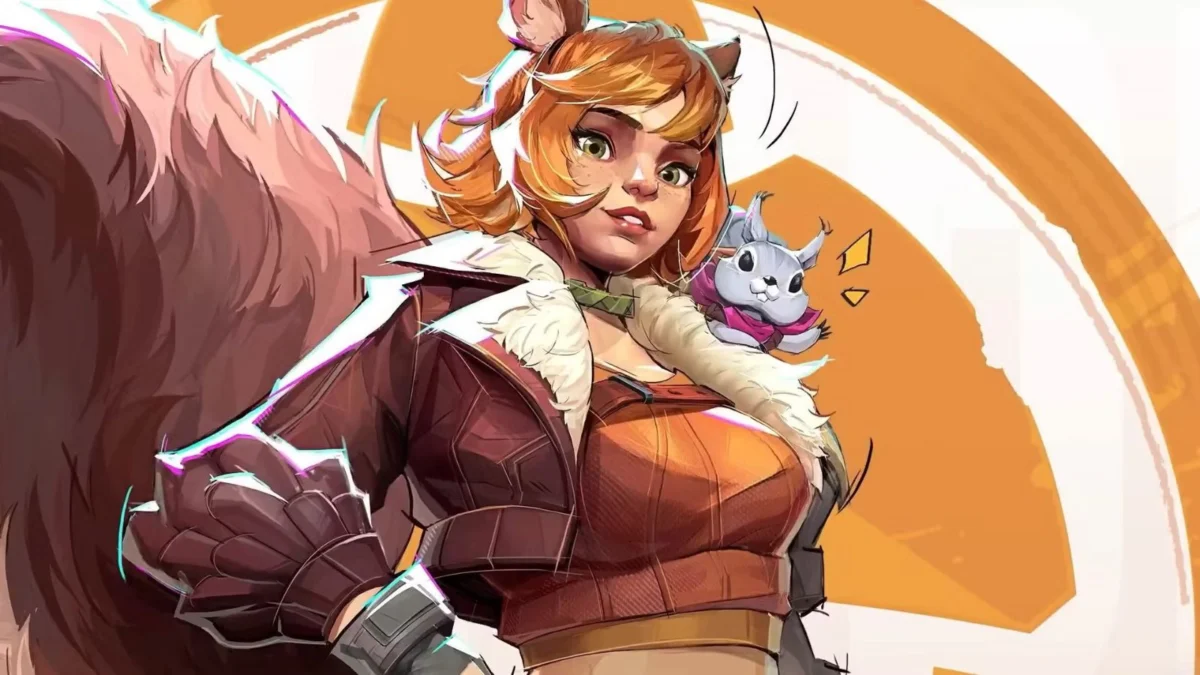
The core of the post-tournament fallout centered on player dynamics and strategic disagreements, particularly concerning hero selection. Warn, a Twitch streamer, later revealed that his invitation to the tournament came with very short notice, just a few days prior to its commencement. This limited preparation time, he stated, led him to focus his practice on his preferred characters, Squirrel Girl and Namor.
The circulating clip, which became the catalyst for the ensuing controversy, allegedly captured Warn vocalizing his frustrations. The implications of his statements, suggesting a disparity in individual contribution to wins and losses, quickly ignited a firestorm. Warn subsequently clarified his position, asserting that the clip was taken out of context and that his remarks were "nothing to do with them being women," a clarification that did little to quell the burgeoning debate.
Teammate Rebuttals and Strategic Disagreements
The narrative quickly shifted to the reactions of his teammates, who directly challenged Warn’s account of the team’s struggles. Aramori, who captained Team Canada, was particularly vocal in her response. She publicly refuted Warn’s self-serving narrative, expressing her unwillingness to allow him to portray himself as a victim.
"I don’t want to sit here and let Warn act like ‘woe is me she was so mean’," aramori stated on X (formerly Twitter), directly addressing the perceived attempt by Warn to shift blame. She then brought the contentious issue of hero selection into sharp focus, specifically referencing Warn’s repeated use of Squirrel Girl. "My bad, next time I’ll tell you it’s not your fault for picking Squirrel Girl over and over," she retorted sarcastically, highlighting a perceived lack of flexibility and strategic adaptation on Warn’s part.
Aramori further contextualized the situation by drawing a parallel to a previous incident in the Marvel Rivals creator scene. She invoked the "Zazzastack incident" from earlier in the year, where a player’s refusal to switch off Black Widow in a $40,000 creator tournament significantly hampered their team’s progress. By referencing this event, aramori underscored the severity of Warn’s alleged inflexibility, particularly given the vastly larger prize pool at stake in the Creator World Championship. She pointed out the stark difference in public reaction, suggesting that Warn was receiving considerably more lenient treatment for a comparable strategic misstep.
Data and Counterarguments: A Team Effort in Failure?
In response to the escalating accusations and the focus on individual hero choices, Warn attempted to broaden the scope of responsibility, arguing that the team’s overall performance was a collective issue rather than the fault of a single player. To support his stance, he pointed to performance statistics that indicated a widespread lack of success across the team.
Analysis of the team’s performance data, as reportedly tracked, revealed the following win-loss records for key players in their respective roles:
- xQc: 2 wins – 6 losses (Tank role)
- aramori: 3 wins – 5 losses (Role not specified, but implied to be a support or offensive role)
- FanFan: 1 win – 4 losses (Role not specified)
- Dokibird: 2 wins – 4 losses (Role not specified)
These figures, presented by Warn, aimed to demonstrate that multiple players struggled to secure victories, suggesting a systemic team problem rather than a singular failure point. His assertion was that the entire team’s performance was subpar, and attributing the loss solely to hero selection, or any single player’s actions, was an oversimplification of the complex dynamics at play during a competitive tournament.
Precedent and the Impact of Creator Tournaments
The fallout from the Marvel Rivals Creator World Championship is not an isolated incident. The competitive landscape for games featuring prominent streamers has frequently seen similar controversies arise from player conduct and in-game disputes. The Marvel Rivals creator circuit, in particular, has experienced a notable pattern of post-tournament drama that overshadows the competitive results themselves.
The aforementioned "Zazzastack" incident, where a player’s refusal to switch heroes led to significant backlash, serves as a clear precedent. The community’s reaction to that situation was swift and often severe, setting a benchmark for how such disputes are perceived. The fact that aramori felt compelled to reference it indicates the weight of past events in shaping current discourse. The player involved in that incident, Kingsman265, later experienced a surprising financial upturn through streaming following his removal from the tournament, highlighting the often unpredictable ways these controversies can impact careers.
Broader Implications for Marvel Rivals and Creator Events
The controversies surrounding the Marvel Rivals Creator World Championship raise several important questions about the future of creator-driven esports events. Firstly, it underscores the delicate balance between entertainment and competition. While these events aim to showcase talent and generate viewership, the inherent pressures of high stakes and the presence of strong personalities can lead to interpersonal friction.
Secondly, the incidents highlight the need for clear guidelines and expectations regarding player conduct and sportsmanship within these creator tournaments. The swiftness with which clips and accusations spread on social media suggests that the community is highly invested in these narratives, making effective conflict resolution and communication paramount.
Finally, the events may influence how future Marvel Rivals creator tournaments are structured and managed. Organizers may need to consider more robust pre-tournament training and team-building exercises, as well as clearer protocols for addressing disputes that arise during or after matches. The emphasis on individual performance within a team context, especially in a game like Marvel Rivals that demands intricate coordination, requires careful management to ensure a positive and productive environment for all participants. The lingering questions about Team Canada’s performance and the ensuing drama will undoubtedly be a topic of discussion as the Marvel Rivals competitive scene continues to evolve.