


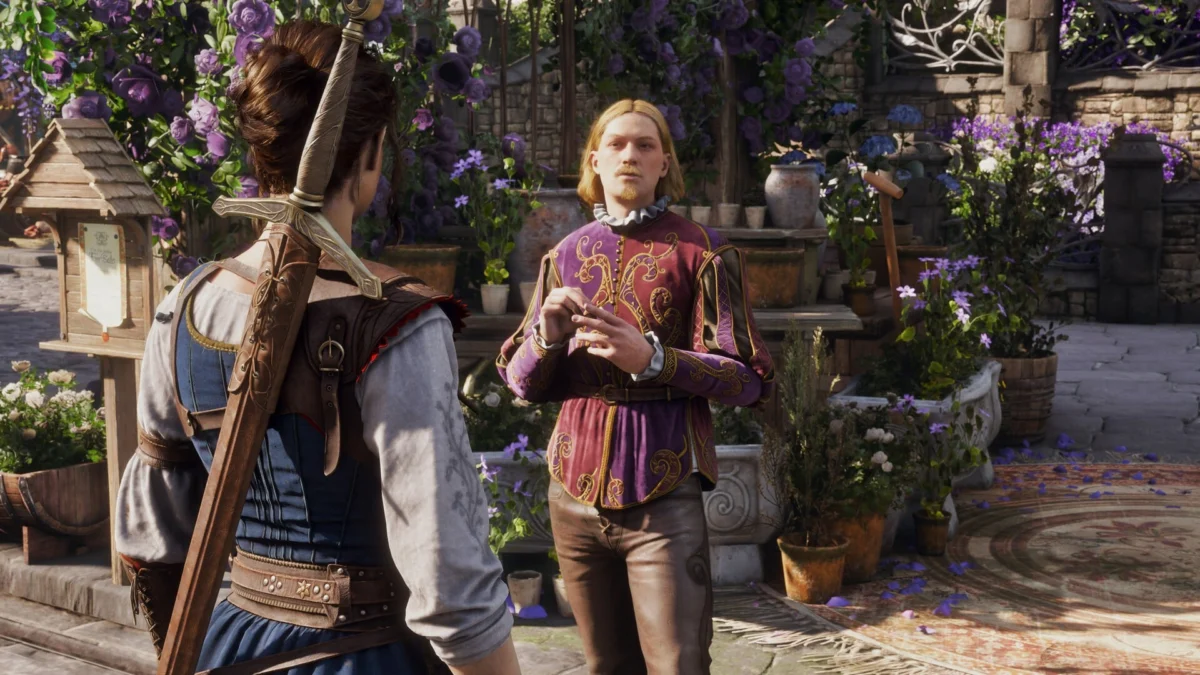
The highly anticipated reboot of the Fable franchise, currently in development at Playground Games, is set to launch in early 2027, marking a full decade since the project’s inception in 2017 when the initial contract was signed. This extraordinarily long development cycle, a rarity even in the complex world of AAA game production, has been sustained by a deep-seated belief within Microsoft’s Xbox division that Fable is "vital to the DNA of the platform," according to Ralph Fulton, co-founder of Playground Games and game director for the new Fable. This commitment underscores a strategic imperative for Xbox to nurture and revive its most cherished intellectual properties, even in the face of significant challenges and extended timelines that have seen other promising projects falter.
Speaking to The Guardian, Fulton elaborated on the enduring support for the title, stating, "I genuinely think Fable is an important game. What has protected us over a long development cycle is that so many people within Xbox view Fable as vital to the DNA of the platform." He further asserted its broader significance, adding, "I would go a step further and say it’s important to video games as a whole. It offers a combination of elements that simply doesn’t exist anywhere else.” This sentiment highlights not only the internal valuation of the Fable brand but also its perceived unique contribution to the broader gaming landscape, setting it apart from other fantasy role-playing games.
The Genesis of a Revival: A Decade in the Making
The journey of the new Fable has been protracted and largely shrouded in mystery, a testament to the intricate nature of modern game development and the strategic secrecy often employed by major publishers. While the game was officially unveiled to the public with a cinematic trailer at the Xbox Games Showcase in July 2020, its true origins trace back even further. Internal documents and statements confirm that the foundational contract for the project was signed in 2017, meaning that by its projected launch in early 2027, the game will have been in active development for an unprecedented ten years.
This extensive gestation period stands in stark contrast to the fate of other high-profile Xbox projects that have unfortunately been cancelled or indefinitely delayed. Titles such as Everwild from Rare and the reboot of Perfect Dark by The Initiative, both of which showed considerable potential, reportedly faced significant internal restructuring or outright cancellation due to various development hurdles. Fable’s ability to navigate these challenges and secure continuous investment speaks volumes about Microsoft’s unwavering faith in the franchise and Playground Games’ capacity to deliver.
The ‘Vital’ Mandate: Why Fable Endures
Fulton’s assertion that Fable is "vital" to Xbox’s DNA is not merely marketing rhetoric; it reflects a strategic understanding of the brand’s historical significance and its potential to attract a broad audience. The original Fable series, pioneered by Lionhead Studios and the visionary Peter Molyneux, carved out a distinct niche in the action RPG genre. Known for its charming British humor, accessible gameplay, impactful choice-and-consequence systems, and a whimsical take on traditional fantasy tropes, Fable cultivated a dedicated fanbase. Its focus on character development, moral alignment, and the evolution of the player character within a dynamic world offered a refreshing alternative to more grim or complex RPGs.
The closure of Lionhead Studios in 2016 left a significant void in Xbox’s first-party lineup, effectively shelving one of its most recognizable and beloved franchises. The decision to revive Fable, therefore, represents a conscious effort by Microsoft to reclaim a piece of its gaming heritage and reintroduce a style of RPG that is both unique and broadly appealing. In an increasingly competitive landscape dominated by sprawling open-world epics and gritty narratives, Fable’s characteristic blend of lightheartedness, moral ambiguity, and engaging storytelling provides a distinct proposition that aligns with Xbox’s goal of offering diverse gaming experiences on its platform and through its Game Pass subscription service.
A Storied Past: The Legacy of Albion
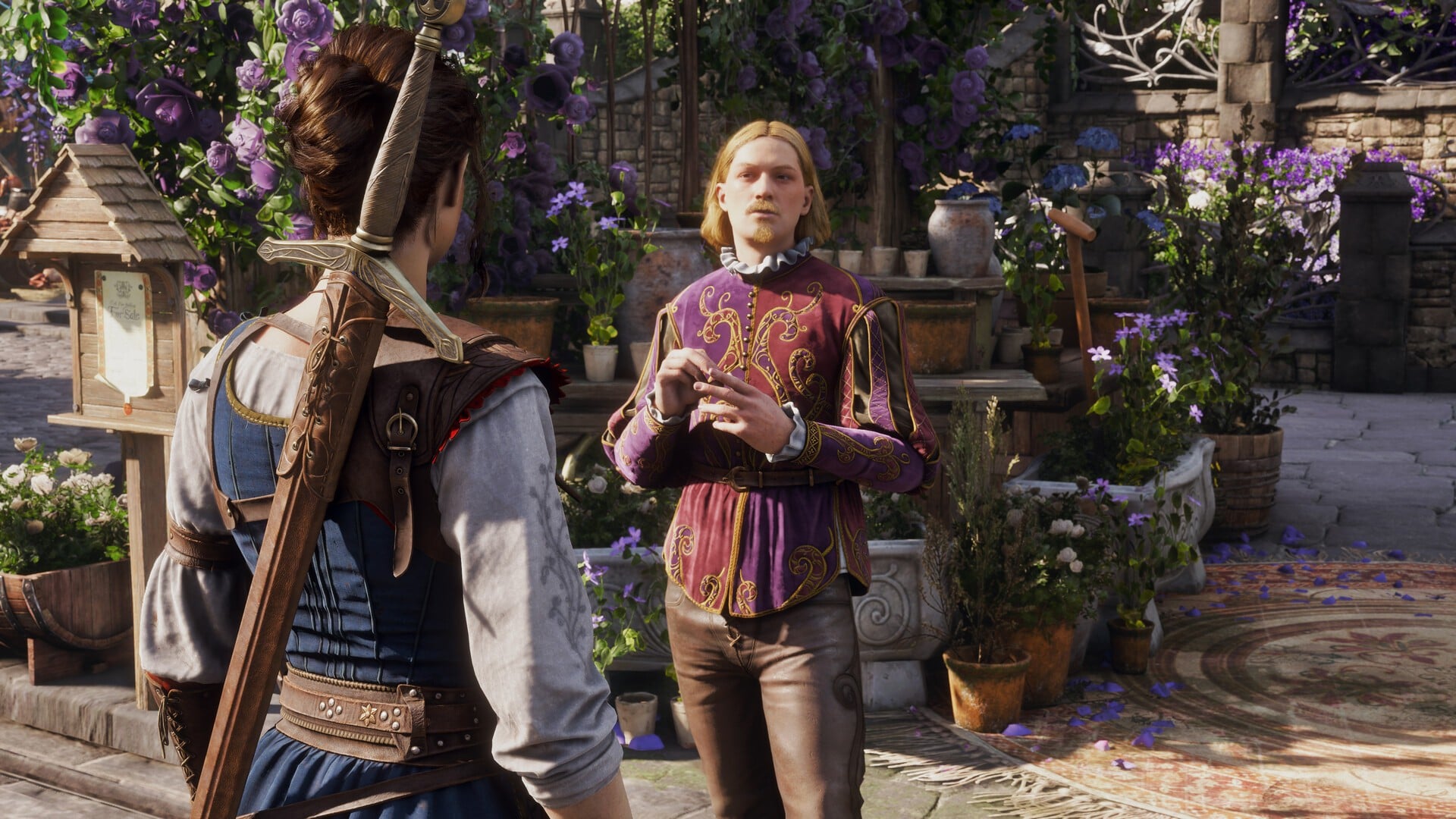
To truly appreciate the significance of Fable’s revival, one must look back at its origins. The first Fable game launched in 2004 for the original Xbox, immediately distinguishing itself with its innovative "good versus evil" morality system, which visibly altered the player character’s appearance based on their choices. Its subsequent iterations, Fable II (2008) and Fable III (2010) on Xbox 360, further expanded on these concepts, introducing elements like marriage, property ownership, and cooperative multiplayer, deepening the player’s connection to the fantastical world of Albion.
While not without its controversies – particularly regarding unfulfilled promises from its flamboyant creator, Peter Molyneux – the series consistently garnered critical acclaim for its charm, accessibility, and unique approach to player agency. It sold millions of copies across its various entries, establishing itself as a cornerstone of the Xbox brand. The eventual demise of Lionhead Studios in 2016, following the cancellation of the free-to-play title Fable Legends, was a significant blow to the Xbox ecosystem and left fans yearning for a return to Albion. The decade-long development of the new Fable is, in many ways, an attempt to honor this legacy while simultaneously innovating for a new generation of players.
Playground Games: From Racers to Role-Playing Architects
The choice of Playground Games to helm the Fable reboot was initially met with a mixture of excitement and skepticism. Renowned for their exceptional work on the Forza Horizon series, Playground Games had established themselves as masters of open-world racing games, celebrated for their stunning graphics, expansive environments, and refined gameplay mechanics. The studio’s track record with Forza Horizon 4 and Forza Horizon 5, both critically acclaimed and commercially successful titles, demonstrated their technical prowess and ability to deliver polished, engaging experiences.
However, developing a sprawling, narrative-driven open-world RPG like Fable presents a fundamentally different set of challenges than a racing simulator. It requires expertise in character design, complex dialogue systems, branching narratives, intricate lore, and combat mechanics – areas where Playground Games had no prior public track record. Microsoft’s decision to entrust such a vital IP to a studio undergoing such a significant genre pivot underscores the immense confidence placed in Playground Games’ leadership and talent. It suggests a belief that the studio’s foundational strengths in world-building, technical execution, and player engagement could be successfully transferred to the RPG genre, augmented by strategic talent acquisition and internal restructuring to meet the demands of a fantasy epic.
Navigating the Perilous Path of Prolonged Development
A ten-year development cycle is an anomaly in the modern gaming industry, often indicative of significant internal struggles, technological resets, or ambitious scope creep. While some notable titles like Final Fantasy Versus XIII/XV (over a decade) and Duke Nukem Forever (15 years) have seen similarly long gestations, the latter often serving as a cautionary tale of development hell. The average AAA game development cycle typically ranges from three to five years, with larger projects sometimes extending to six or seven. A decade-long cycle represents a monumental investment in terms of time, human resources, and capital.
The financial implications are staggering. Modern AAA game development budgets routinely exceed tens or even hundreds of millions of dollars. For a project spanning ten years, these costs can escalate dramatically, encompassing salaries for hundreds of developers, licensing fees for engines and middleware, extensive motion capture, voice acting, marketing, and continuous hardware upgrades. Microsoft’s willingness to sustain this level of investment for Fable suggests a belief in a substantial return on investment, whether through direct sales, Game Pass subscriptions, or as a key differentiator for the Xbox brand.
Moreover, prolonged development cycles carry inherent risks:

- Technological Obsolescence: Game engines, rendering techniques, and hardware capabilities evolve rapidly. A game in development for a decade might need significant overhauls to remain cutting-edge by its launch.
- Scope Creep: Initial visions can expand exponentially, leading to missed deadlines and increased costs.
- Team Morale: Maintaining motivation and cohesion within a large development team over such an extended period can be challenging.
- Market Relevance: Player tastes and industry trends can shift, making it difficult for a long-developed game to stay relevant or innovative.
Fable’s survival, particularly when contrasted with the reported difficulties and eventual cancellations of Everwild and Perfect Dark – both also ambitious first-party projects – highlights the unique protection and strategic importance afforded to it by Xbox leadership. It suggests that while other projects might have been deemed expendable in the face of development hurdles, Fable was considered too integral to the platform’s future to be abandoned.
Strategic Imperative: Fable’s Role in the Xbox Ecosystem
The decision to pour a decade of resources into Fable is a clear strategic move by Microsoft to bolster its first-party offerings and enhance the value proposition of Xbox Game Pass. In an era where exclusive content and diverse game libraries are crucial for attracting and retaining console users and subscription members, Fable represents a significant pillar in Xbox’s content strategy.
The success of recent fantasy RPGs, such as Hogwarts Legacy, which achieved massive commercial success by tapping into a broad, accessible fantasy audience, underscores the immense market potential for a well-executed, charming, and engaging open-world RPG. Fable, with its established legacy and unique tone, is perfectly positioned to capture a similar, potentially even larger, demographic. Its blend of humor, relatable characters, and a world ripe for exploration could appeal to both long-time fans of the series and new players seeking a less conventional fantasy experience than what is often offered by other major RPGs.
For Xbox Game Pass, Fable could be a significant subscriber driver. Launching directly into the service on day one, it would instantly add a marquee title that could attract new subscribers and retain existing ones. This strategy aligns with Microsoft’s broader vision of making Game Pass an indispensable service, offering high-quality, diverse content across various genres. A successful Fable reboot could also serve as a strong counterpoint to Sony’s critically acclaimed first-party narrative-driven titles, offering a distinct flavor of open-world adventure that broadens Xbox’s appeal.
Anticipation and Implications for the Industry
As Fable inches closer to its early 2027 launch, anticipation among fans and industry observers continues to mount. The long development cycle has undoubtedly generated a considerable amount of hype, but it also places immense pressure on Playground Games to deliver a product that justifies the decade-long wait and the substantial investment. Early glimpses and inferred details suggest that the game aims for a blend of nostalgic charm and modern open-world design, promising stunning visuals and a rich, interactive world.
The implications of Fable’s journey extend beyond its own success. Its long, protected development cycle could set a precedent for how major publishers approach the revival of dormant, beloved IPs. It highlights the growing trend of extended development timelines for increasingly complex AAA games, forcing publishers to re-evaluate their investment strategies and risk tolerance. Should Fable achieve critical and commercial success, it could validate Microsoft’s long-term, patient approach to game development and reinforce the idea that strategic investment in "vital" franchises, even over prolonged periods, can ultimately yield significant dividends.
The coming months will be crucial for Playground Games as they move towards the final stages of development. The gaming world will be watching closely to see if the faith placed in Fable, and the decade of effort poured into its revival, will indeed pay off, reaffirming its place as a cornerstone of the Xbox platform and a unique entry in the pantheon of video games.