


This morning, Microsoft officially confirmed a sweeping wave of closures impacting several Xbox game development studios, a move that reverberates through the industry and raises significant questions about the company’s strategic direction and the precarious nature of game development careers. Arkane Austin, the studio behind the recently released Redfall, and the critically acclaimed Hi-Fi Rush developer Tango Gameworks, are being completely shuttered. Additionally, Alpha Dog Games has also ceased operations. Roundhouse Studios, another Bethesda Softworks subsidiary, will be absorbed by ZeniMax Online Studios, the development team behind The Elder Scrolls Online, to bolster its ongoing projects. This decision marks another somber chapter in a year already defined by widespread layoffs and studio consolidations across the global video game landscape.
A Pattern of Consolidation and Cuts
The gaming industry has been experiencing a sustained period of upheaval. Companies that once aggressively acquired studios are now recalibrating, leading to a cascade of closures and workforce reductions. Embracer Group, a Swedish holding company that amassed a vast portfolio of game studios, has been notably divesting assets, selling off studios, and implementing significant layoffs to streamline its operations. This trend is not isolated to Embracer; major publishers and platform holders have also engaged in substantial workforce reductions. Microsoft, in particular, is increasingly associated with these drastic measures, a stark contrast to its aggressive acquisition spree in previous years, which included the monumental purchase of Activision Blizzard.
The Scope of Microsoft’s Recent Workforce Adjustments
The studio closures announced today follow a series of significant layoffs within Microsoft’s gaming division. In January 2024, the company confirmed the elimination of approximately 1,900 jobs across its Xbox division and the recently integrated Activision Blizzard. While specific headcount figures for the current studio closures have not yet been officially released by Xbox, the impact is undoubtedly substantial.
The news of these studio shutdowns primarily circulated via an internal email from Matt Booty, Head of Xbox Game Studios, which was subsequently obtained and verified by IGN. Individual studio social media accounts have also shared statements confirming their closures. Microsoft has thus far declined to provide further comment to external media outlets regarding IGN’s report. However, employees from the affected studios have begun expressing their profound frustration and disappointment on social media platforms, providing a human dimension to the corporate restructuring.
Questioning the Metrics of Success: Redfall and Hi-Fi Rush
The decisions to close Arkane Austin and Tango Gameworks are particularly scrutinized given the recent histories of their flagship titles. Arkane Austin faced significant criticism for the launch of Redfall, a live-service vampire shooter that failed to meet critical and commercial expectations. Despite the game’s shortcomings, Xbox had initially pledged continued support. In a May 2023 interview with Kinda Funny, Xbox head Phil Spencer stated, "In terms of our commitment to the game… absolutely, the team at Arkane is taking the near-term feedback. We’re still working on the 60fps update. We have a good timeline for that, we’re committed to getting that done. And we’re going to continue to work the game." He drew parallels to long-term live service games like Sea of Thieves and Grounded, emphasizing a commitment to ongoing development. However, Redfall will now be sunsetted, with no further updates planned. A "make-good" has been promised for players who purchased the premium DLC pass. This abrupt closure stands in stark contrast to earlier commitments to support the title and improve its performance. Arkane Austin, a studio with a pedigree that includes critically lauded titles such as 2017’s Prey and the original Dishonored, will see some of its staff redeployed to other positions within Bethesda.
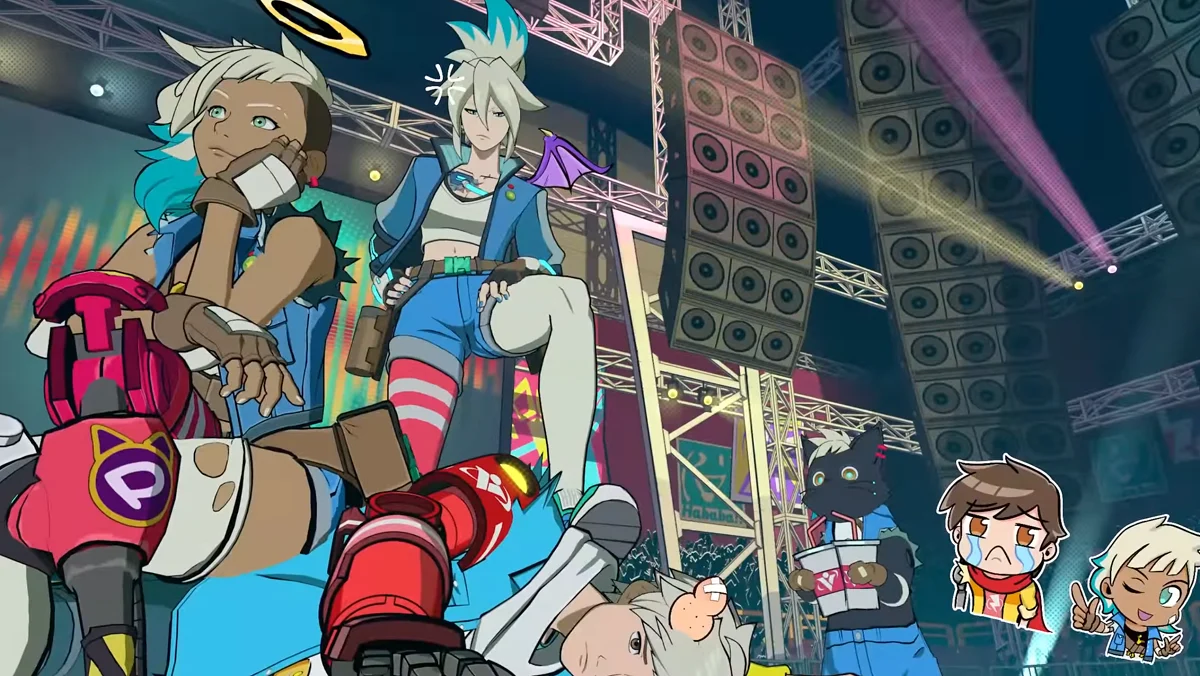
Similarly, Tango Gameworks, lauded for its innovative and stylish action game Hi-Fi Rush, finds its studio shuttered despite recent accolades and positive market reception. Hi-Fi Rush was widely praised as a refreshing and vibrant addition to the Xbox Game Pass library and received critical acclaim. The studio recently celebrated a BAFTA win, a testament to the quality of their work. Despite this success, reports emerged suggesting that Hi-Fi Rush underperformed financially. However, Aaron Greenberg, Xbox’s VP of Games Marketing, publicly refuted these claims, stating in March 2024, "[Hi-Fi Rush] was a breakout hit for us and our players in all key measurements and expectations. We couldn’t be happier with what the team at Tango Gameworks delivered with this surprise release." This statement is further complicated by the fact that Hi-Fi Rush was recently released on PlayStation 5, a move that typically signifies confidence in a game’s continued commercial viability. The closure of Tango Gameworks means that while its games will remain playable, the studio itself will no longer develop new titles.
The Rationale Behind the Restructuring
Matt Booty, in his internal communication, cited a strategic reprioritization as the driving force behind these decisions. He explained, "These changes are grounded in prioritizing high-impact titles and further investing in Bethesda’s portfolio of blockbuster games and beloved worlds which you have nurtured over many decades. To double down on these franchises and invest to build new ones requires us to look across the business to identify the opportunities that are best positioned for success. This reprioritization of titles and resources means a few teams will be realigned to others and that some of our colleagues will be leaving us."
This statement suggests a sharpened focus on established, high-performing franchises within Bethesda’s catalog, potentially at the expense of studios or projects deemed less central to this strategy. The implication is that resources are being reallocated to ensure the success and expansion of existing, profitable intellectual properties.
Financial Context and Industry Pressures
Understanding Microsoft’s decision also requires examining the broader financial landscape. Microsoft’s FY24 Q3 earnings report, released on April 25, 2024, revealed robust overall financial performance. The company reported substantial revenue growth, with its Gaming segment experiencing a significant uplift, largely attributed to the acquisition of Activision Blizzard. Xbox content and services revenue increased by 62%, with 61 percentage points directly attributable to the Activision acquisition. This financial success, however, stands in stark contrast to the job losses occurring within the same division.
Furthermore, Microsoft achieved a $3 trillion market capitalization in January 2024, a milestone that underscores its immense financial strength. This juxtaposition of record profits and market valuation with studio closures and layoffs highlights a complex business environment where profitability and strategic restructuring can coexist with significant human cost.
The video game market itself has shown signs of stagnation, with some analysts forecasting flat growth for console gaming. This challenging outlook places increased pressure on all stakeholders to demonstrate profitability and return on investment. The opaque metrics for defining "success" in the current market environment exacerbate anxieties for studios, as demonstrated by the contrasting official statements and eventual outcomes for Redfall and Hi-Fi Rush.
The Human Cost of Corporate Decisions
The human toll of these industry-wide layoffs and studio closures is a recurring theme. Phil Spencer, in a March interview with Polygon, expressed concern about the instability faced by game developers. He stated, "I reflect on friends of mine in the industry that have been displaced and lost their jobs and how just, I don’t want this industry to be a place where people can’t, with confidence, build a career." This sentiment, voiced by a senior Xbox executive, carries a particular weight in light of the recent decisions.
The trend of layoffs is compounded by reports of talent exodus from the industry, a phenomenon that could have long-term implications for the quality and innovation of future game development. Adding to the frustration, some of these workforce reductions have occurred in the aftermath of return-to-office mandates, creating a sense of displacement and instability for employees. The adage of "survive" for 2024, initially a dark joke among industry professionals, appears to be a grim reality.
The Road Ahead: Uncertainty and the Future of Game Development
The current environment leaves many talented individuals without employment in an industry where job openings are scarce. For those considering independent development, securing publishing funding is reportedly becoming increasingly challenging.
Larian Studios CEO Swen Vincke, speaking at The Game Awards 2023, offered a perspective on the balance between financial imperatives and creative passion: "They don’t care that much about the money made beyond it being the fuel they need to create new and better games. It’s worth reminding everyone that fuel is but a means, not a goal. Whereto and how we journey are what matter and what we remember." This sentiment underscores the tension between the business realities of game development and the artistic drive that fuels its creation.
As Xbox prepares for its showcase during the Summer Game Fest in June, the industry will be watching closely. Events like these often highlight upcoming titles and technological advancements, but rarely delve into the structural issues and human consequences that plague the industry. The question remains: will these platforms offer a space for candid discussion about the challenging conditions faced by developers, or will they primarily serve as marketing showcases? The recent studio closures leave a significant void, and the industry awaits a clear articulation of accountability and a concrete vision for a more stable and supportive future for its workforce. The widespread impact of these decisions, particularly on the individuals who dedicated their skills and passion to these studios, demands an answer to the fundamental question of "why."