


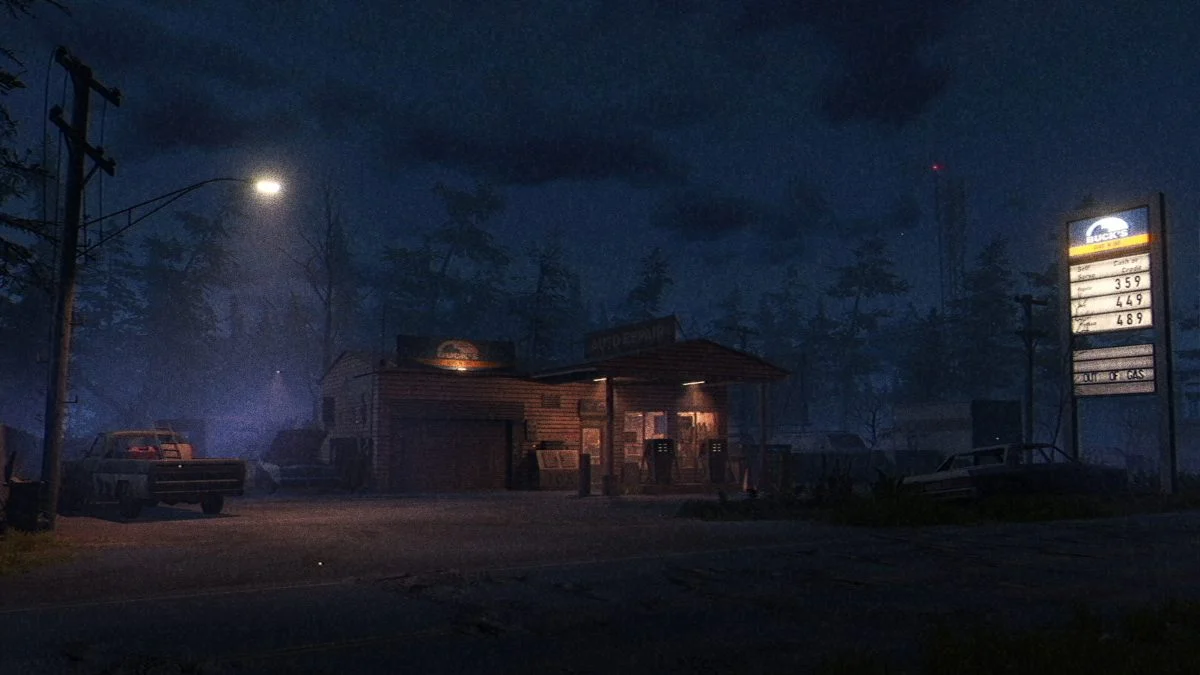
The landscape of cooperative horror gaming, long saturated with repetitive mechanics and predictable jump scares, may be poised for a significant shift with the impending release of Fears to Fathom: Scratch Creek. Developed by Rayll, this latest installment in the episodic indie horror series promises a fresh approach, particularly with the introduction of its new duo-matchmaking feature. This move marks a notable evolution for the Fears to Fathom franchise, which has steadily grown since its initial free episode in July 2021.
The introduction of cooperative play in Scratch Creek is a strategic development, especially considering the series’ strong presence on streaming platforms like YouTube and Twitch. By enabling players to experience the terror together, Rayll aims to capitalize on the expansive viewership that has followed the game’s narrative-driven, slow-burn horror. This integration of co-op functionality directly addresses a growing demand for more interactive and shared horror experiences, moving beyond the predominantly solitary nature of many indie horror titles.
A New Dawn for Cooperative Indie Horror
Fears to Fathom has cultivated a distinct identity, characterized by its unique aesthetic and atmospheric tension. However, Scratch Creek and its predecessor, Woodbury Getaway, signal a deliberate aesthetic divergence from the established titans of indie horror such as Chilla’s Art and Puppet Combo. Instead, the series is venturing into territory reminiscent of classic narrative horror, drawing heavily on a potent sense of nostalgia. This deliberate evocation of eras past, particularly with the thematic echoes of Stephen King’s literary works, aims to immerse players in a familiar yet unsettling environment.
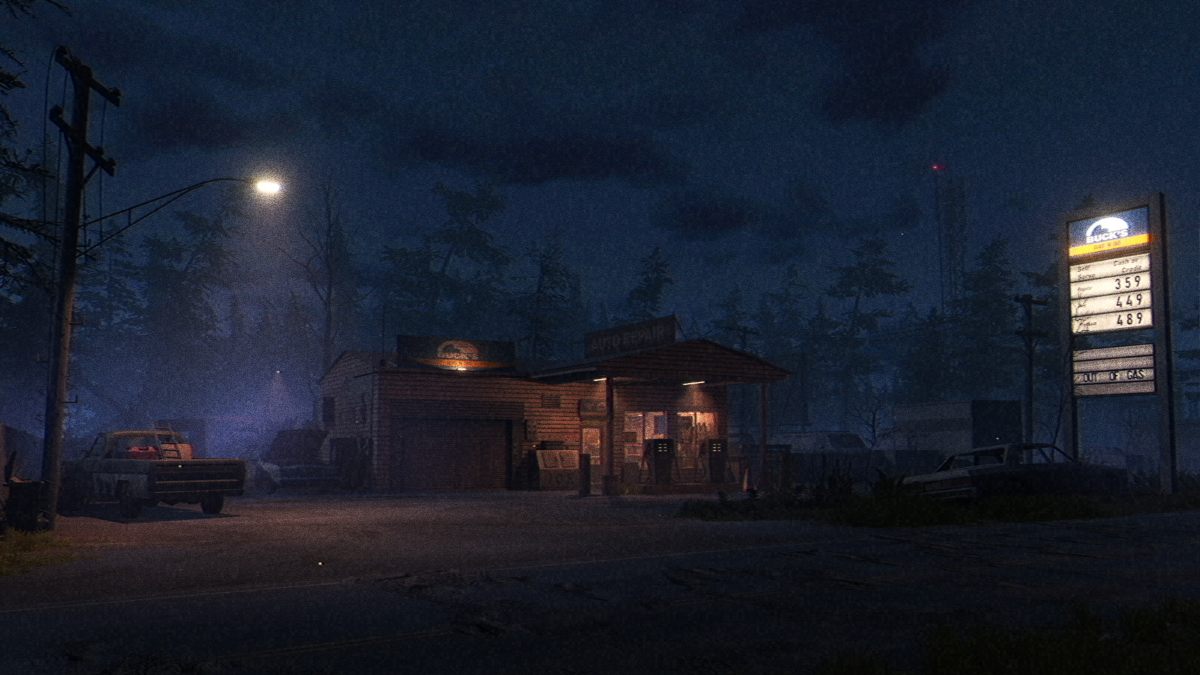
The nostalgic undertones of Scratch Creek are palpable, evoking a sense of Americana seen in films like Stand by Me and The Goonies, while also hinting at the darker, more visceral dread found in the Jeepers Creepers franchise. This unique blend of comfortingly familiar retro aesthetics with escalating dread is a largely unexplored niche within the indie horror scene. Historically, cooperative horror, popularized by mainstream titles like Left 4 Dead, Resident Evil 5, and Gears of War, often leaned heavily into action-horror hybrids. More recently, the indie space has seen a surge of co-op games like SCP: Containment Breach and Lethal Company, which frequently rely on emergent humor, stealth, and desperate evasion as core gameplay loops. While these games have found considerable success, there is a growing sentiment within the player base for more narrative-focused and less formulaic cooperative horror experiences.
The Art of Immersive Fear
Fears to Fathom distinguishes itself by grounding its horror in compelling narratives that explore the psychological impact of terrifying events on ordinary individuals. Scratch Creek appears to build upon this foundation, offering an experience that can be likened to a chilling campfire story, infused with the unsettling realism of titles like The Quarry and the unsettling atmosphere of 80s slasher films. The core premise of the Fears to Fathom series, which asserts that its stories are based on true events, lends an additional layer of unease and perceived authenticity. This approach fosters a sense of rational fear, where players must grapple with plausible threats in familiar settings, an intensity that is expected to be amplified when shared with another player.
The upcoming installment’s setting in "Scratch Creek" is described as initially appearing idyllic, a deceptive calm before the storm. The co-op element allows for shared exploration and dialogue, creating opportunities for players to bond with the game’s narrative and characters before the horror inevitably unfolds. This emphasis on environmental storytelling and character interaction, combined with the looming threat of unknown dangers, positions Scratch Creek as a potential game-changer for the cooperative indie horror genre.
Anticipating the Impact of Scratch Creek
The successful integration of cooperative gameplay into a story-driven horror experience like Scratch Creek could profoundly influence the direction of indie horror. In a market often characterized by titles that prioritize viral potential over sustained narrative engagement, Scratch Creek‘s focus on storytelling and atmosphere is a welcome departure. The current trend in co-op horror, as noted by some critics, often devolves into repetitive gameplay loops that rely on players generating their own entertainment through emergent silliness rather than engaging with the designed horror. This "friendslop" phenomenon, where the game serves as a mere backdrop for social interaction, has led to a saturation of similar experiences.
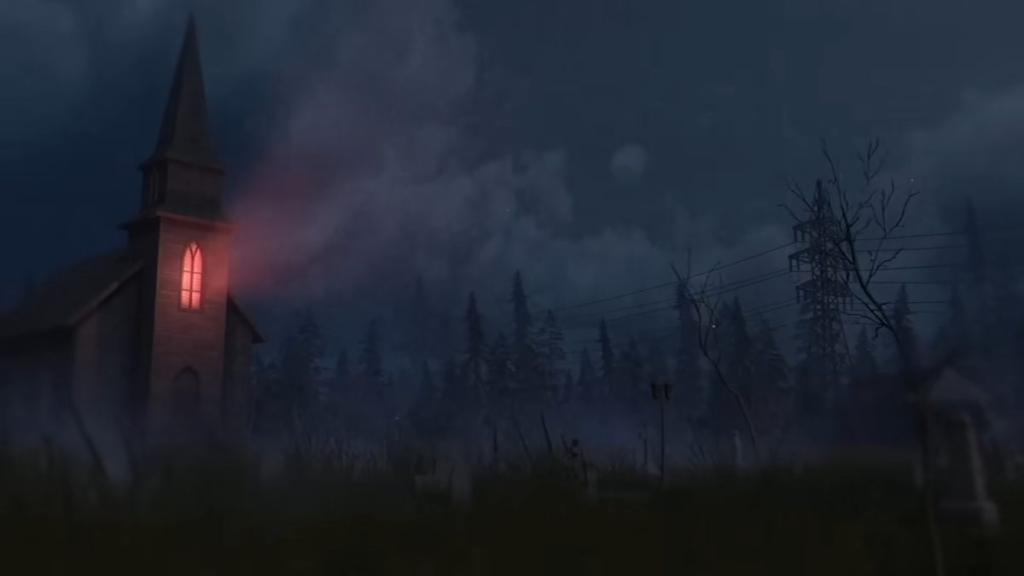
Rayll’s decision to pivot Fears to Fathom towards a cooperative model, while potentially risky given the established solo appeal of the series, addresses a clear gap in the market. The success of Scratch Creek will hinge on its execution, specifically its ability to weave a compelling narrative that remains engaging and terrifying when experienced with another player. The developers are taking a calculated gamble, moving away from a proven formula to explore new avenues of player interaction and horror delivery.
The implications of this shift are significant. Should Scratch Creek succeed, it could inspire a wave of similar titles that prioritize narrative depth and genuine scares over superficial mechanics. This could lead to a more diverse and mature cooperative horror landscape, one that offers players more than just jump scares and predictable enemy AI. The game’s apparent commitment to building tension through story and atmosphere, rather than relying on the ephemeral nature of viral trends, could set a new standard for the genre.
Unpacking the Narrative of Scratch Creek
Fears to Fathom: Scratch Creek centers on the story of Tessa and Marcus, two individuals who find themselves inadvertently stranded in the titular Scratch Creek while in the process of relocating. Players have the option to embark on this terrifying journey solo, choosing to embody either Tessa or Marcus at the outset. Alternatively, they can team up with a friend or a randomly assigned player through the new duo-matchmaking system, complete with in-game proximity chat for enhanced immersion and communication.
Consistent with the established gameplay loop of the Fears to Fathom series, Scratch Creek is primarily a walking simulator, incorporating driving and exploration mechanics. The game’s product page suggests a choice-based narrative structure, likely to mirror the delivery of previous installments such as Carson House and Woodbury Getaway, where player decisions subtly influence the unfolding events and outcomes. This emphasis on player agency within a narrative framework is a hallmark of the series.
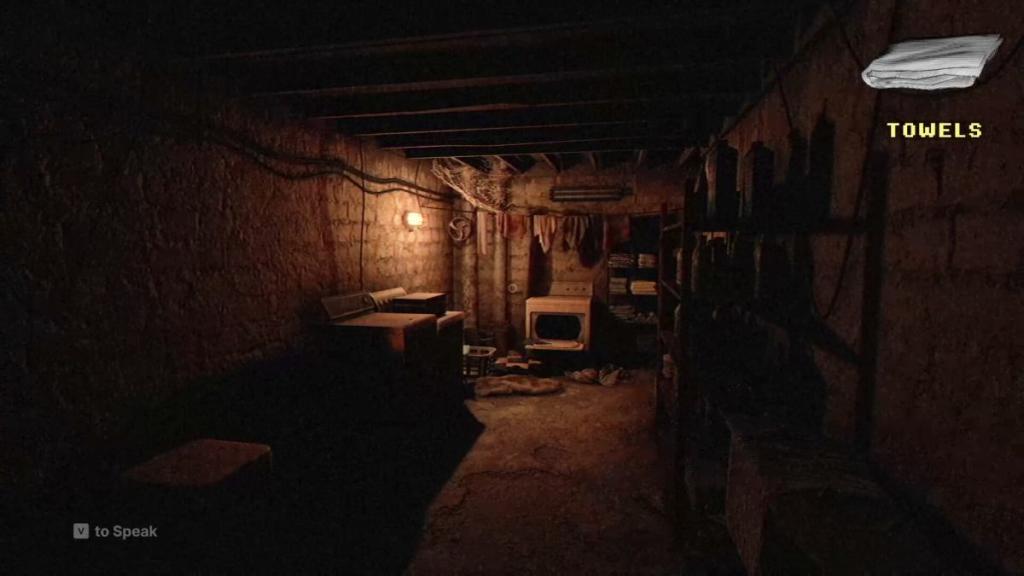
The game is slated for release on June 10th, available on Steam. The marketing tagline, "Grab a buddy. You don’t have to go this one alone," directly underscores the significance of the new cooperative feature and its intended impact on the player experience.
Background and Context
The Fears to Fathom series began its journey in July 2021 with a free introductory episode, establishing a foundation of narrative-driven, first-person horror. The game’s premise, which posits that each episode is based on real-life unsettling experiences, has been a key factor in its growing popularity. This grounding in perceived reality amplifies the psychological impact, making the fictional horrors feel more tangible and relatable.
The episodic nature of the series has allowed Rayll to experiment and evolve the gameplay and narrative. Following the initial success, subsequent episodes like Woodbury Getaway and Norway House continued to refine the core formula of exploration, puzzle-solving, and tense encounters. Woodbury Getaway, released prior to Scratch Creek, already hinted at a shift in aesthetic and a greater emphasis on character dynamics, setting the stage for the expanded cooperative features introduced in the latest installment.
The broader indie horror genre has seen a remarkable surge in creativity and popularity over the past decade. However, this boom has also led to a degree of homogenization, with many developers opting for proven formulas to ensure commercial viability. This has created a demand for titles that offer a more distinct and innovative experience. Games like Phasmophobia and Lethal Company have demonstrated the immense potential and appeal of cooperative horror, albeit often through different gameplay mechanics than those typically found in narrative-focused titles.
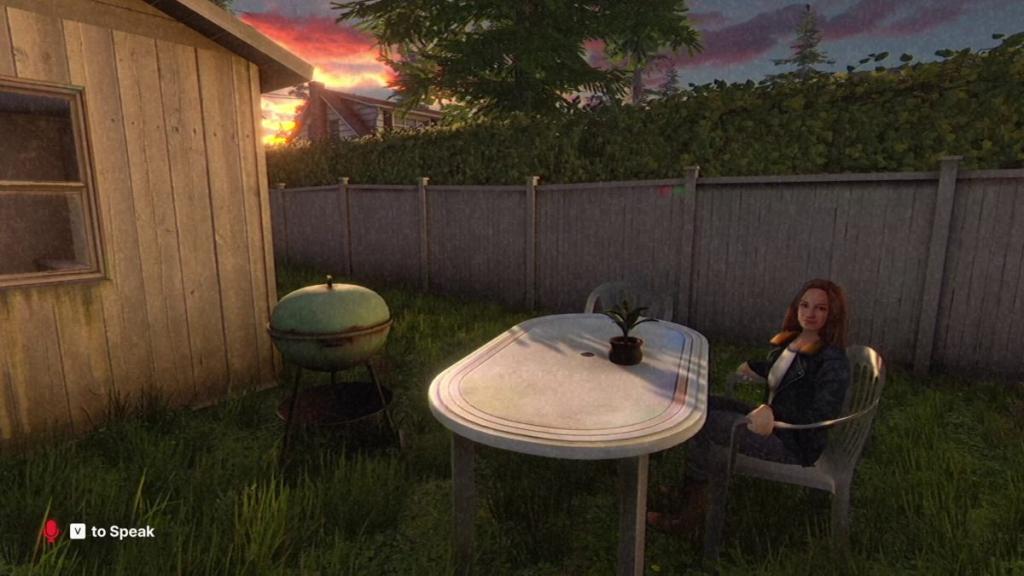
Fears to Fathom: Scratch Creek appears to be attempting to bridge this gap, offering a narrative-rich horror experience that can be shared. The nostalgia-driven aesthetic, coupled with the introduction of duo-matchmaking and proximity chat, aims to create a deeply immersive and collaborative horror encounter. The success of this endeavor could pave the way for a new wave of story-centric co-op horror games, moving beyond the current trend of emergent gameplay and focusing on carefully crafted narratives and atmospheric dread. The developers’ gamble on this new direction underscores a belief in the enduring appeal of well-told horror stories, now enhanced by the shared experience of terror.