


The mid-September gaming landscape for the Xbox ecosystem is currently defined by a strategic emphasis on catalog depth and community engagement initiatives, filling a period of relatively few major AAA software launches. As the industry transitions into the final quarter of the fiscal year, Microsoft’s focus has shifted toward the "Free Play Days" program and the "Publisher Spotlight Sale," both of which serve to bolster player retention and drive digital storefront traffic. This weekend, September 12–13, serves as a critical window for analyzing player behavior regarding long-form RPGs, sports simulations, and the sustainability of niche live-service titles.
Strategic Catalog Management and Weekend Incentives
The current Xbox weekend cycle is anchored by the Free Play Days initiative, a recurring promotion that grants Xbox Game Pass Core and Ultimate members temporary access to a rotating selection of full titles. For the period of September 10–13, the offerings are designed to diversify player activity across different genres, encouraging users to explore titles they might not otherwise purchase. Accompanying these trials is the "Publisher Spotlight Sale," which features over 25 significant discounts on high-profile releases.
Market analysts suggest that these promotional windows are essential for maintaining active user counts during "tepid" release weeks. By lowering the barrier to entry for older or mid-tier titles, Microsoft effectively bridges the gap between major tentpole releases. This strategy is particularly effective in an era where digital distribution accounts for approximately 80% to 90% of total game sales, allowing for instantaneous conversion from a trial participant to a permanent owner.
Chronology of Recent Releases and Distribution Hurdles
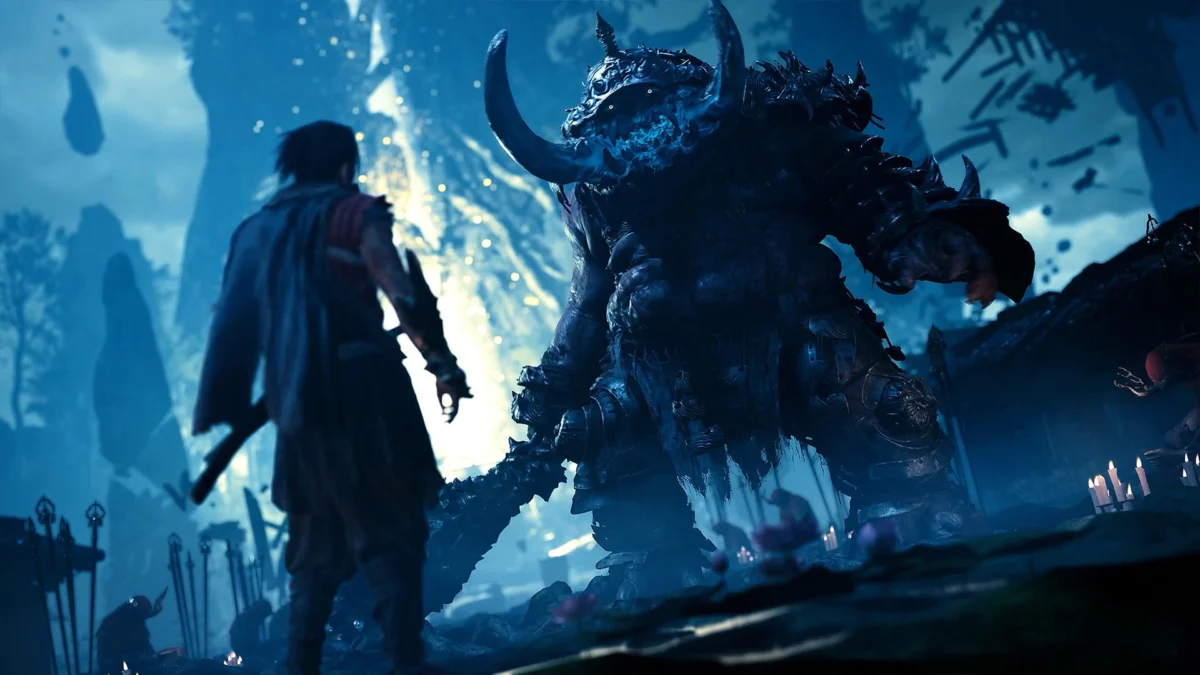
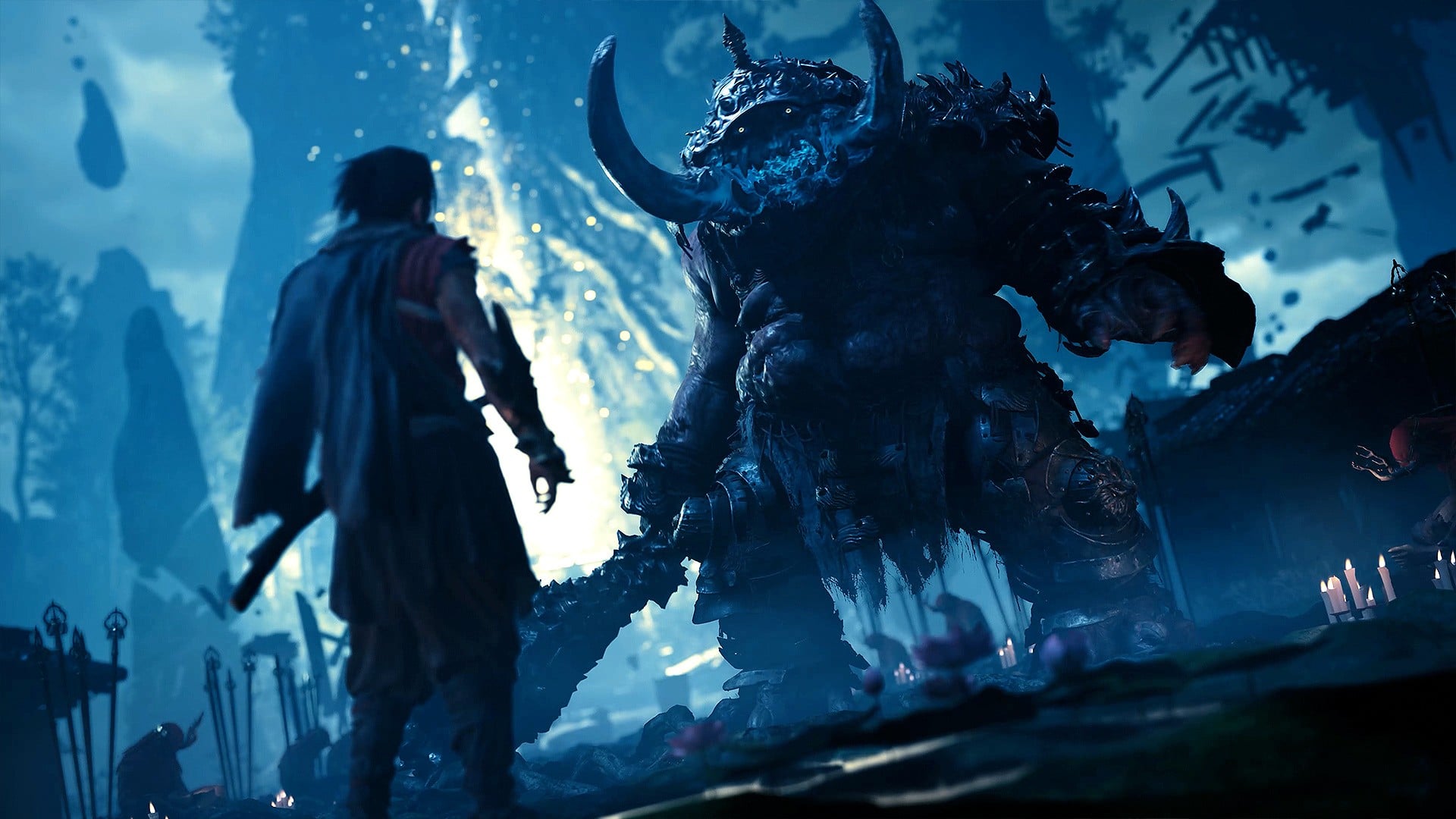
The week leading up to September 12 has been marked by a dichotomy between digital availability and physical distribution challenges. While several digital titles launched according to schedule, the physical release of Onimusha: Way of the Sword has faced logistical complications.
- September 8: Digital launch of Sprawl Zero, a first-person shooter inspired by early 2000s design aesthetics.
- September 9: Global rollout of Mewgenics, the long-awaited project from Edmund McMillen, following years of iterative development.
- September 10: Activation of the Free Play Days weekend and the commencement of the Publisher Spotlight Sale.
- September 11: Reports of widespread pre-order delays for the physical editions of Onimusha: Way of the Sword.
The delay of Onimusha: Way of the Sword highlights ongoing vulnerabilities in the physical supply chain. Consumers who opted for physical media reported successive pushbacks in delivery dates, a trend that has become increasingly common as retailers and distributors prioritize "just-in-time" inventory management. This has led to a noticeable "frustration void" among enthusiasts who finish one major title—such as the recently acclaimed Star Wars Zero Company—and find themselves unable to transition to their next planned experience due to shipping logistics.
Case Study in Live Service Sustainability: Exoprimal
A significant point of discussion this weekend involves the current state of Capcom’s Exoprimal. Despite Capcom’s history of successful franchises, Exoprimal has faced substantial challenges in maintaining a robust concurrent player base. Internal data and community tracking indicate that the multiplayer shooter has seen a precipitous decline in activity, with some reports suggesting as few as 40 active players in a 30-day window within specific regional clusters.
The struggle of Exoprimal serves as a cautionary tale for the "Games as a Service" (GaaS) model. When a title fails to hit critical mass during its launch window, the resulting "virtually non-existent" player base creates a negative feedback loop: long matchmaking times lead to further player attrition. However, the game continues to find a small audience among completionists and those exploring the Capcom back catalog during sales, suggesting that integrated subscription services like Xbox Game Pass remain the primary lifeline for struggling live-service experiments.
The Intersection of Real-World Sports and Digital Simulation
In the sports gaming sector, the release of NHL 27 has seen a surge in engagement, particularly in the United Kingdom. This localized spike is attributed to significant real-world events in the British Ice Hockey scene. On September 5, the Manchester Storm hosted a homecoming game in their renovated arena, drawing a crowd of over 11,000 spectators. This event marked the second-largest attendance in the history of British ice hockey.
The correlation between live sporting events and increased digital engagement is well-documented. Following the Manchester Storm’s record-breaking attendance, Xbox telemetry has shown an uptick in NHL 27 activity within the Manchester and Greater Lancashire regions. This phenomenon reinforces the "lifestyle" aspect of sports gaming, where digital simulations serve as an extension of the fan experience. For many users, the weekend provides the necessary time to engage with deep franchise modes or online competitive play, mirroring the schedules of the professional leagues they follow.
Analysis of the Indie and Retro Markets
While high-budget titles often dominate the headlines, the weekend of September 12-13 shows a robust interest in indie titles and legacy hardware. Valheim’s transition out of Early Access has provided a stable, feature-complete experience for survival enthusiasts. Simultaneously, the launch of Sprawl Zero has tapped into a growing demand for "Boomer Shooters"—titles that utilize modern engines to replicate the high-speed, twitch-based gameplay of the late 1990s and early 2000s.
Furthermore, the "retro" segment remains a pillar of the gaming community. The continued popularity of Mario Kart DS, often played via original hardware or emulation on modern handhelds like the Evercade Alpha, underscores the longevity of Nintendo’s software design. Industry experts note that "classic" titles often see increased play during quiet release weeks, as gamers return to familiar, high-quality experiences rather than gambling on unproven new releases.
Official Responses and Market Implications
While Microsoft has not issued a formal statement regarding the specific player counts for this weekend’s featured games, a spokesperson for the Xbox Store team noted that "engagement with the Publisher Spotlight Sale has exceeded internal projections for the third quarter." This suggests that even in "tepid" weeks, the consumer appetite for value-driven purchases remains high.
Capcom, addressing the player base concerns for its multiplayer titles, emphasized its commitment to long-term support. "We are constantly evaluating the player experience in titles like Exoprimal and are looking at ways to integrate these experiences into broader seasonal events to consolidate the community," a Capcom representative stated in a recent developer update.
The broader implications for the industry are clear:
- Subscription Synergy: Services like Xbox Game Pass are essential for mitigating the "frustration void" between major releases.
- Physical vs. Digital: The ongoing delays in physical distribution are likely to accelerate the shift toward a digital-only future for many enthusiasts.
- Niche Longevity: Titles with low player counts may still survive if they provide unique value or are part of a larger publisher ecosystem.
Conclusion: The Evolving Weekend Ritual
The weekend of September 12–13 highlights a shift in how gaming is consumed. No longer dependent solely on the "blockbuster" release, the Xbox community is increasingly finding value in curated sales, indie breakthroughs like Mewgenics, and the revitalization of legacy titles. Whether it is a player navigating the tactical depths of Star Wars Zero Company, a sports fan recreating the atmosphere of a Manchester Storm game in NHL 27, or a survivalist building in the world of Valheim, the modern gaming weekend is defined by diversity and accessibility.
As the industry moves toward the heavy-hitting holiday season, this period of "tepid" releases serves as a necessary breather, allowing players to clear their backlogs and publishers to test the resilience of their catalog titles. The data gathered from this weekend’s play patterns will likely inform the promotional strategies for the remainder of the year, ensuring that the Xbox ecosystem remains a primary destination for both casual and hardcore gamers alike.