


Microsoft has officially commenced the rollout of a significant software update for the Xbox ecosystem, currently available to members of the Xbox Insider program. This latest iteration of the console’s operating system introduces a suite of personalization features, most notably the ability for users to select their preferred startup animation from a curated library of legacy and contemporary designs. This move marks a strategic shift toward enhanced user agency in the console’s interface, allowing long-term fans to tailor their hardware experience to reflect different eras of the brand’s history. The update, which began its deployment to the higher-tier Insider rings in early September, encompasses animations from the Xbox One and Xbox Series X|S generations, while also introducing critical quality-of-life improvements regarding system acoustics.
Evolution of the Xbox User Interface and the Demand for Customization
The console startup sequence has historically served as a vital component of a gaming brand’s identity. Since the launch of the original Xbox in 2001, Microsoft has utilized these brief audiovisual cues to set the tone for the user experience. The industrial, mechanical aesthetic of the original 2001 boot sequence gave way to the sleek, "X-orb" design of the Xbox 360, and eventually to the minimalist, high-definition transitions of the modern era. As the Xbox platform has matured, a growing segment of the player base has expressed a desire for "legacy" features that celebrate the hardware’s history.
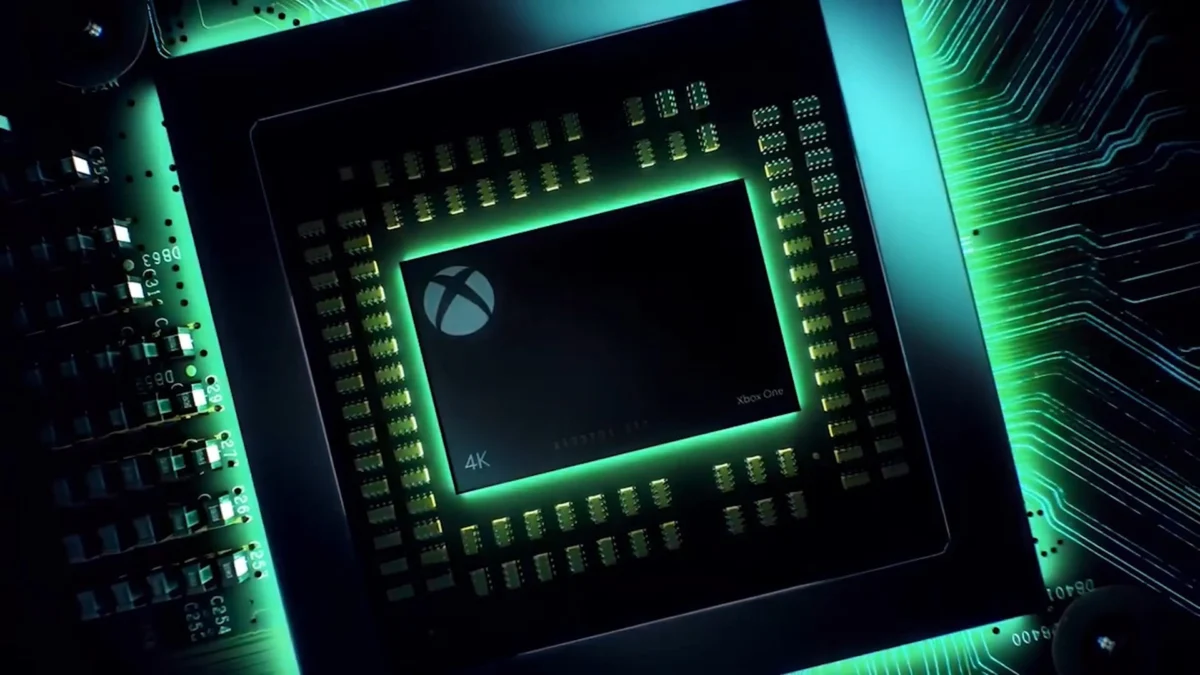
The current update addresses this demand by providing four distinct options for the boot-up sequence. These include the standard Xbox One animation, characterized by its bright green backdrop; the specialized Xbox One X animation, which was originally designed to showcase the 4K capabilities of the "Project Scorpio" hardware; the original Xbox Series X|S animation utilized during the 2020 launch; and the recently debuted "We are XBOX" animation. The latter was introduced earlier this year as part of a broader marketing campaign intended to unify the Xbox identity across consoles, PC, and cloud gaming services.
Technical Specifications and the Role of the Xbox Insider Program
The implementation of customizable startup animations is not merely a cosmetic change but a reflection of the hardware’s evolving architecture. On legacy hardware utilizing traditional Hard Disk Drives (HDDs), the startup animation often served as a necessary "mask" for the system’s loading processes. With the advent of the Xbox Series X|S and its proprietary Velocity Architecture—powered by high-speed Custom NVMe SSDs—the actual boot time of the console has been significantly reduced.
Microsoft’s decision to test these features within the Xbox Insider program follows a standard protocol of iterative development. The Insider program is divided into several "rings" based on stability and frequency of updates:
- Alpha Skip-Ahead: The most experimental tier, receiving builds that may be months away from public release.
- Alpha: Focuses on the next upcoming public release with high-frequency updates.
- Beta: A more stable environment for features that have passed initial testing.
- Delta and Omega: The final stages of testing where features are polished before being pushed to the general public.
By deploying the animation selection tool to these groups first, Microsoft engineers can monitor for potential system instabilities, such as graphical glitches during the transition from the boot sequence to the Home dashboard. Data suggests that the majority of features tested in the Alpha and Beta rings successfully transition to a public release within four to eight weeks, provided no critical bugs are identified.
Strategic Integration of the "We are XBOX" Branding
A focal point of the new update is the inclusion of the "We are XBOX" animation. This sequence represents more than a visual refresh; it is a manifestation of Microsoft’s "Gaming for Everyone" philosophy. In recent years, Microsoft has pivoted away from a console-centric business model toward a service-centric model revolving around Xbox Game Pass. The "We are XBOX" branding is designed to resonate with players regardless of whether they are playing on a $500 console, a handheld device, or a mobile phone via the cloud.
Market analysts suggest that by allowing users to choose between this new branding and older, hardware-specific animations, Microsoft is balancing its future-looking corporate strategy with a deep respect for its "core" enthusiast audience. This enthusiast segment often associates specific animations with major life milestones or favorite gaming eras, such as the mid-cycle refresh of the eighth generation represented by the Xbox One X.
Accessibility and User Comfort: The Silent Startup Feature
Beyond the visual customization, the September update introduces a highly requested functional feature: the ability to mute startup sounds. Historically, the Xbox boot sequence has been accompanied by a distinct chime and bass-heavy audio cue. While iconic, these sounds have frequently been cited as a minor inconvenience for users in shared living spaces or those who play late at night with high television volume.
This inclusion aligns with Microsoft’s industry-leading commitment to accessibility. By providing a toggle to disable startup audio, the company acknowledges the diverse environments in which its consoles are used. This follows previous accessibility milestones, such as the Xbox Adaptive Controller and system-wide "Night Mode" settings that allow users to dim the light on their controllers and power buttons.
Chronology of Recent Xbox System Updates
To understand the context of the current update, it is necessary to examine the timeline of Xbox system software improvements over the past 24 months:

- Late 2022: Introduction of the "Carbon Neutral" console settings, allowing the system to schedule updates and downloads during times when the local power grid is using lower-carbon energy sources.
- Early 2023: A comprehensive overhaul of the Xbox Home Dashboard, which reduced the size of icons to provide a better view of custom backgrounds and integrated more social features.
- Mid 2024: The launch of the "We are XBOX" campaign and the initial rollout of the new default startup animation across all retail units.
- September 2026 (Current Period): The release of build versions to Insiders allowing for the manual selection of legacy animations and the implementation of the "Silent Boot" option.
This chronology demonstrates a consistent trend toward giving the user more control over both the aesthetics and the environmental impact of their hardware.
Comparative Analysis: Industry Trends in Customization
Microsoft’s move toward interface personalization stands in contrast to the current strategies of its primary competitors, Sony and Nintendo. The PlayStation 5, while offering a highly polished and immersive UI, remains relatively restrictive regarding custom themes and startup sequences, focusing instead on "Activities" and "Game Hubs." The Nintendo Switch maintains a strictly utilitarian interface that has seen very few cosmetic changes since its launch in 2017.
By leaning into customization, Xbox is positioning its OS as a more flexible and user-centric platform. This strategy mirrors the customization found in PC gaming environments—a market where Microsoft holds a dominant position via Windows. The ability to "mix and match" elements of the UI is a hallmark of the Windows experience, and its migration to the Xbox console suggests a further blurring of the lines between PC and console gaming.
Future Implications and Potential Legacy Additions
While the current update focuses on the Xbox One and Series X|S eras, the community response has immediately pivoted toward the inclusion of even older legacy content. Specifically, there is significant consumer demand for the "mechanical" startup of the original 2001 Xbox and the "breathing" orb of the Xbox 360.
Technical hurdles for these older animations may exist, as the original files were rendered for standard-definition (480i/p) or early high-definition (720p) displays. To bring these to the Xbox Series X, Microsoft’s design team would likely need to recreate the assets in native 4K resolution to avoid visual degradation on modern displays. Given Microsoft’s history with the "Backward Compatibility" program—which saw original Xbox and 360 games enhanced with higher resolutions and frame rates—the eventual inclusion of these classic boot screens remains a distinct possibility.
Conclusion
The latest Xbox Insider update represents a sophisticated blend of nostalgia and modern functionality. By allowing users to curate their startup experience and control the auditory output of their hardware, Microsoft is reinforcing its image as a platform that prioritizes user preference. As the update moves through the final stages of the Insider testing rings, the broader public can expect a more personalized and quieter console experience in the coming weeks. This iterative approach to software development ensures that the Xbox Series X|S remains a dynamic piece of hardware, capable of evolving long after its initial purchase.