


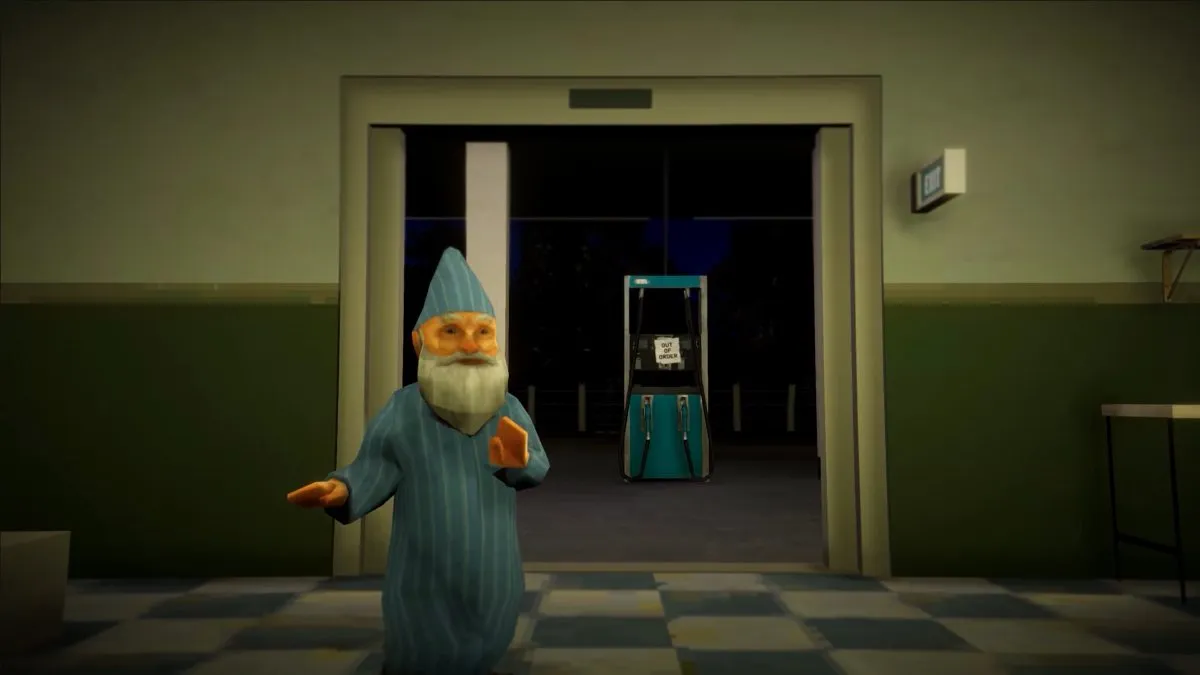
The surreal landscape of "Shift at Midnight" thrusts players into a desperate fight for survival, a daily grind of battling doppelgangers, fending off grotesque entities, and maintaining an immaculate store, all under the looming threat of mounting veterinary bills. This unconventional retail simulator, drawing uncanny parallels to the often-harsh realities of customer service, presents a multifaceted challenge where strategic gameplay and financial acumen are paramount to achieving its various narrative conclusions. At its core, "Shift at Midnight" is a testament to the lengths one would go for a beloved pet, even in the face of supernatural horrors and bureaucratic nightmares.
Understanding the Mechanics of Survival and Success
The game’s progression is meticulously tied to a 13-shift narrative arc, culminating in a pivotal endgame decision that hinges on the player’s accumulated wealth. This personal fund, distinct from the store’s revenue used for upgrades and weaponry, is directly channeled towards the critical goal: securing life-saving medical treatment for the player’s ailing pet. Each completed shift rewards the player with a base wage of $10, augmented by a 10% commission on store revenue that exceeds the daily sales quota. This financial incentive serves as the primary engine for progression, pushing players to optimize their performance not just for survival, but for the ultimate well-being of their digital companion.
The stakes are significantly raised after the tenth shift, when players are formally alerted to the impending need for an expensive surgery for their pet, scheduled for night 13. The financial burden is substantial, requiring players to amass a total of $250 in personal funds to cover the procedure. While using earned currency to pay for ongoing medication can ensure the pet’s presence and assistance during subsequent shifts—a valuable asset for solo players navigating the game’s dangers—this strategy carries a significant risk. Over-reliance on immediate pet care can deplete the player’s personal savings, potentially jeopardizing their ability to afford the crucial surgery on night 13. This delicate balancing act between short-term pet support and long-term financial security forms a central pillar of the game’s strategic depth.
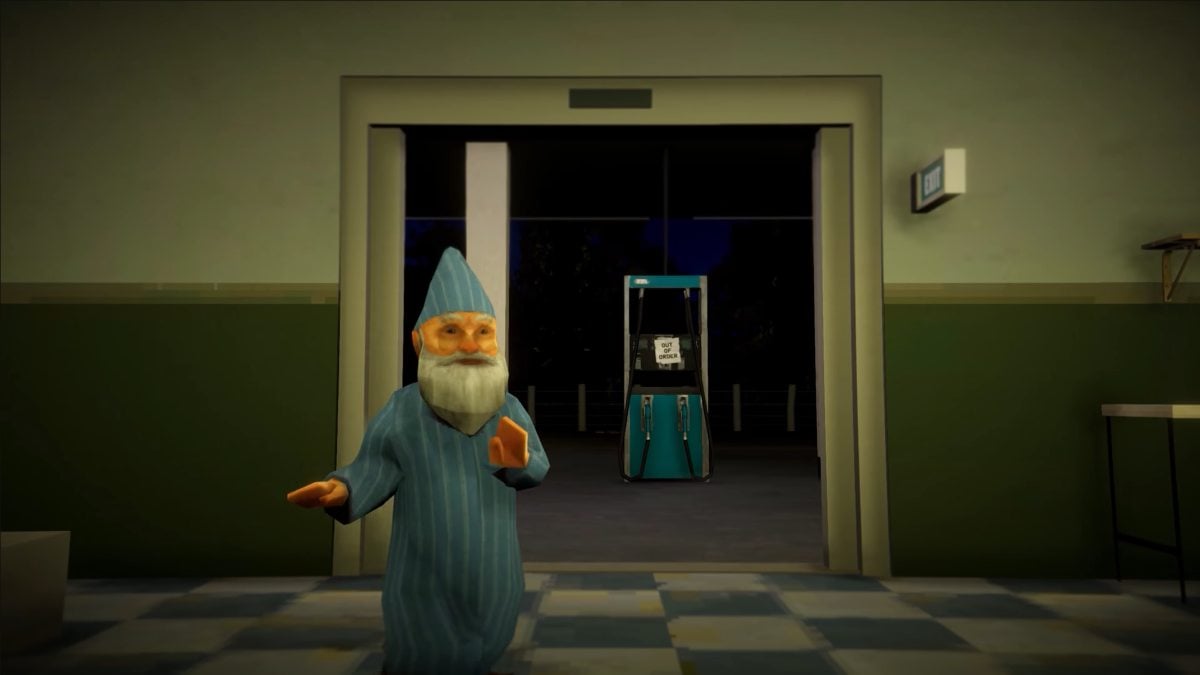
The Crossroads of Fate: Unraveling "Shift at Midnight’s" Endings
The game boasts a spectrum of narrative outcomes, each dictated by a critical decision made on the twelfth night and the player’s financial standing upon reaching the final shift. These endings represent different facets of the player’s commitment and their approach to the escalating crisis.
Grave Decision: A Sheriff’s Sacrifice
On the twelfth night, following the successful completion of the shift, players are presented with a significant choice: to contact Sheriff Clyde. This option becomes particularly relevant for players who recognize their inability to meet the $250 financial target for their pet’s surgery. Opting to call Sheriff Clyde initiates a narrative sequence where he arrives at the store, intending to provide assistance. However, this intervention comes at a dire cost. The narrative dictates that Sheriff Clyde ultimately perishes during his attempt to help, a tragic consequence of the perilous environment. Despite this loss, the player’s pet survives, with the surgery expenses being covered, albeit through a somber resolution. This ending highlights a theme of sacrifice, where the intervention of an outside authority leads to a personal tragedy but ensures the survival of the cherished companion. The economic implications of this choice are significant; while the player avoids the direct financial outlay for the surgery, they also lose the potential assistance of their pet in future endeavors, and the community loses a figure of law enforcement.
Empty Home: The Unmet Need
The "Empty Home" ending presents a more melancholic conclusion, stemming from a player’s decision to not contact Sheriff Clyde on the twelfth night and, concurrently, their failure to accumulate the necessary $250 for the pet’s surgery. In this scenario, Sheriff Clyde remains uninvolved, his life spared as he does not venture into the dangerous store on the thirteenth night. However, this avoidance of risk for the Sheriff directly correlates with the tragic fate of the player’s pet, who does not receive the life-saving operation. This ending serves as a stark reminder of the consequences of inaction or insufficient preparation. The pet’s demise leaves the player with an empty home and a profound sense of loss, emphasizing the narrative’s focus on the player’s responsibility and the critical importance of financial preparedness. The economic implication here is the loss of the pet as a functional asset within the game, potentially impacting future gameplay loops if the pet offered any passive benefits or support.
True Ending: A Harmonious Resolution
Achieving the "True Ending" requires a delicate balance of gameplay and narrative choices. To unlock this most favorable outcome, players must refrain from contacting Sheriff Clyde on the twelfth night, thereby ensuring his safety. This decision, coupled with the successful accumulation of $250 by the thirteenth night to fund the pet’s surgery, sets the stage for the ultimate success. Similar to the gameplay loop in titles like "HELLMART," the path to this ending involves meticulous attention to the operational demands of the store. Players must actively work to maintain customer satisfaction by diligently cleaning the premises, ensuring shelves are adequately stocked, and enhancing the store’s aesthetic appeal through strategic decoration. Furthermore, fulfilling the requests of the Store Manager—tasks such as apprehending shoplifters or clearing debris from the surrounding forest—provides crucial bonuses that contribute to the financial goal and overall store performance.
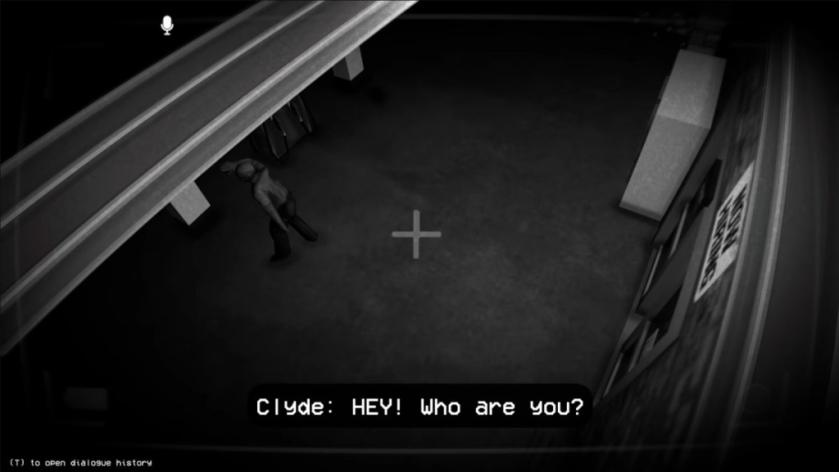
The economic aspect of this ending is critical. Successfully meeting the $250 target by night 13 ensures both the pet’s survival and the continued presence of Sheriff Clyde. The game also emphasizes a crucial gameplay mechanic: avoiding the penalization of shooting non-hostile entities, particularly human-like doppelgangers. Such actions result in a direct deduction from the player’s earnings at the end of each shift. Therefore, a methodical approach to each shift, prioritizing efficient task completion and minimizing unnecessary conflict, is essential for maximizing income and securing the best possible financial outcome. The ultimate success lies in the simultaneous survival of both Sheriff Clyde and the player’s pet, signifying the most optimistic and rewarding conclusion to the challenging "Shift at Midnight" experience. The implication here is that proactive management, ethical gameplay (avoiding unnecessary violence), and diligent service lead to the most desirable outcomes, both narratively and in terms of gameplay rewards.
The Broader Context: Retail, Survival, and the Unseen Costs
"Shift at Midnight" draws a fascinating, albeit dark, parallel to the often-underappreciated labor of retail workers. The relentless cycle of cleaning, stocking, managing customer interactions (even when those customers are monstrous entities), and dealing with unexpected crises mirrors the day-to-day grind of many in the service industry. The game, however, amplifies these challenges with supernatural threats and the very real, albeit in-game, specter of overwhelming medical debt. The narrative choice to prioritize a pet’s health over personal safety or even the life of a law enforcement officer speaks to a powerful, universally understood emotional driver.
The game’s release, slated for a future date, arrives at a time when discussions around the cost of healthcare, both human and animal, are increasingly prevalent. While "Shift at Midnight" presents these issues through a hyper-stylized, fantastical lens, the underlying anxieties about financial burdens for essential care resonate with contemporary societal concerns. The game’s designers appear to be leveraging these anxieties to create a compelling narrative hook, forcing players to confront difficult decisions with tangible consequences within the game world.
The inclusion of multiple endings, particularly those that hinge on financial success, encourages replayability and a deeper engagement with the game’s mechanics. Players are incentivized to explore different strategies, optimize their resource management, and understand the nuanced interplay between risk and reward. The fact that one of the most positive outcomes requires careful planning and adherence to store management principles suggests a subtle commentary on the value of diligent work and responsible financial stewardship, even in the most absurd of circumstances.
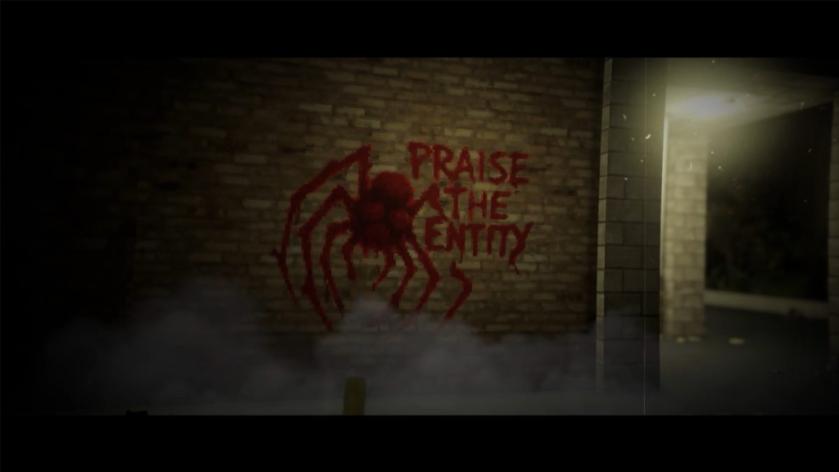
The initial gameplay footage and developer diaries suggest a game that blends elements of survival horror, resource management, and narrative-driven decision-making. The visual aesthetic, characterized by its dark, atmospheric environments and unsettling creature designs, hints at a gameplay experience that is both challenging and emotionally engaging. The core loop of working shifts, earning money, and facing escalating threats creates a sense of perpetual urgency, driving players to constantly adapt and overcome the obstacles presented.
The narrative arc, culminating in a critical choice on night 13, ensures that the player’s journey through "Shift at Midnight" is not just a series of isolated challenges, but a cohesive story with meaningful stakes. The game’s success will likely depend on its ability to balance the inherent absurdity of its premise with genuine emotional weight, creating an experience that is both thrilling and thought-provoking. The focus on the pet’s welfare as the ultimate objective provides a relatable and powerful motivation, grounding the fantastical elements in a universal human experience. As players navigate the perilous aisles of the store, they are not just fighting monsters; they are fighting for a bond, for loyalty, and for the hope of a happy ending in a world that seems determined to deny it.