


The video game console market has experienced a significant and concerning downturn in hardware sales, with July 2023 marking a stark contrast to the previous year, according to data released by industry analysis firm Circana. Total hardware unit sales across all platforms saw a precipitous drop of 39 percent year-over-year. This decline is exacerbated by a concurrent increase in average selling prices, with hardware costs rising by an average of 16 percent. The combined effect of fewer units sold and higher prices has resulted in a 29 percent decrease in total hardware expenditure for the month. This represents a more severe and rapid contraction than many in the industry had anticipated, signaling a potential inflection point for consumer spending on gaming hardware.
The AI Factor: A Hidden Cost in Consumer Electronics
The primary driver behind the escalating costs and subsequent drop in consumer demand is widely attributed to the burgeoning demand for Artificial Intelligence (AI) technologies. The insatiable appetite of AI models for high-performance computing resources, particularly memory and specialized processing units like GPUs, has created unprecedented strain on global semiconductor supply chains. This has led to a ripple effect across the entire electronics manufacturing sector, as the same components essential for advanced AI development are also critical for consumer gaming consoles.
The scarcity of these essential components means that manufacturers are facing higher raw material costs and increased production expenses. These elevated costs are inevitably passed on to consumers, making gaming consoles, alongside a vast array of other digital devices, significantly more expensive. From smartphones and personal computers to smart home appliances and even more rudimentary digital gadgets, the impact of AI-driven hardware shortages is being felt across the board. This pervasive increase in prices for everyday electronics has created a more challenging economic environment for discretionary purchases like new gaming consoles.
July’s Sales Landscape: A Tale of Three Consoles
Examining the performance of individual console platforms reveals a varied, yet uniformly negative, trend. The PlayStation 5, despite its continued popularity and strong software library, experienced the smallest decline in unit sales, dropping by 6 percent compared to July of the previous year. This relative resilience suggests that dedicated PlayStation enthusiasts remain committed, even in the face of higher prices.
The Xbox ecosystem, encompassing both the Series X and Series S models, fared less well, registering an 18 percent decrease in hardware unit sales. This indicates a broader consumer hesitancy to invest in the Xbox platform at current price points, potentially influenced by the availability of compelling software on competing platforms or a more price-sensitive consumer base for this particular brand.
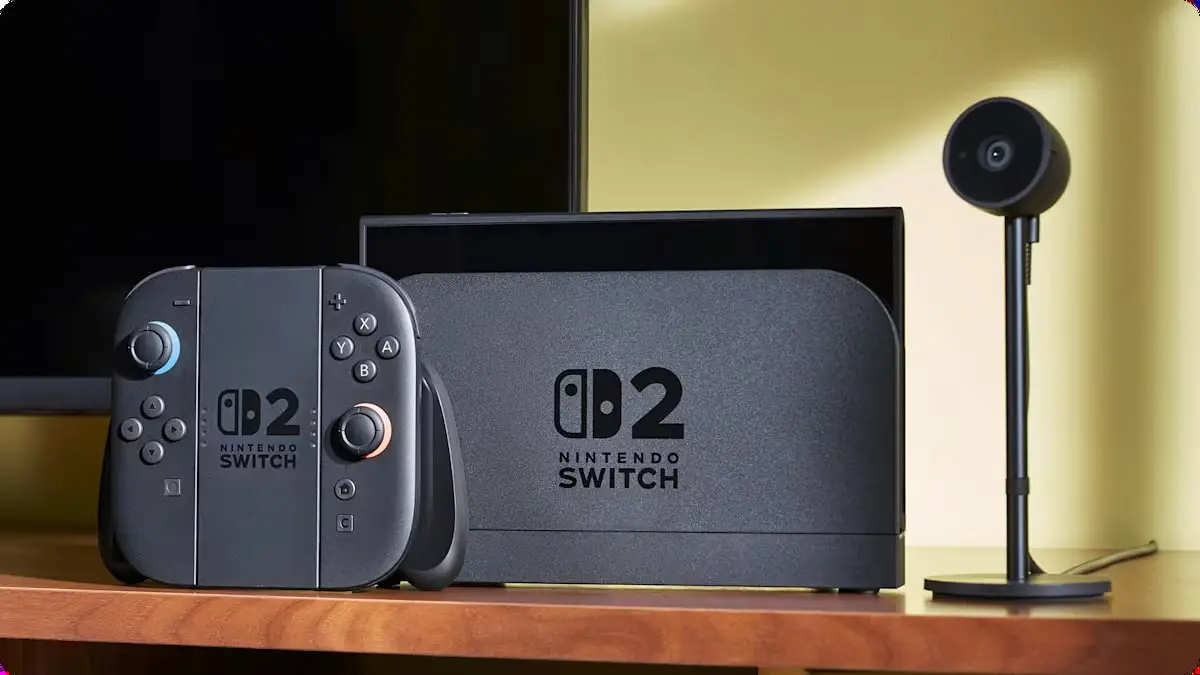
However, the most significant decline was observed with the Nintendo Switch. While the original article mistakenly refers to the "Nintendo Switch 2," it is understood to be referring to the current Nintendo Switch family of consoles (including the OLED model and standard Switch). This platform saw a dramatic 51 percent reduction in unit sales compared to the previous July. This steep drop raises questions about the console’s lifecycle stage and its ability to compete in an increasingly expensive hardware market, particularly given its technological architecture which may not be as directly impacted by the cutting-edge AI component shortages as its more powerful competitors, yet still suffers from general supply chain pressures and potentially a maturing market.
The Nintendo Switch: A Sales Juggernaut, Despite the Dip
Despite the substantial year-over-year decline in July, the Nintendo Switch continues to hold its position as the best-selling console when total cumulative units sold are considered. According to Mat Piscatella, executive director and video game industry advisor at Circana, the Switch is "well on track to surpass the all-time figures of the original console." This enduring sales success underscores the platform’s unique appeal, its strong first-party game catalog, and its appeal to a broad demographic.
The fact that the Switch remains the top seller in cumulative units, even with a significant monthly dip, highlights the scale of its prior success. It also implicitly suggests that the raw unit sales figures for the PlayStation 5 and Xbox, while potentially generating higher profit margins due to their premium pricing, are considerably lower in terms of sheer volume. This disparity in unit sales could have long-term implications for market share and developer support.
Background and Timeline of the AI Hardware Crunch
The current AI hardware crunch is not an overnight phenomenon. The seeds were sown in the rapid advancements and widespread adoption of machine learning and deep learning technologies over the past decade. However, the acceleration of this trend in the last two to three years has been particularly acute.
- Early 2020s: The increasing sophistication and accessibility of AI models, exemplified by advancements in natural language processing (like large language models) and generative AI (image and video creation), led to a surge in demand for the specialized hardware required to train and run these models.
- Mid-2021 to Present: This demand began to exert significant pressure on the supply chains for high-end GPUs, advanced CPUs, and high-bandwidth memory (HBM). Chip manufacturers, while investing heavily in expanding capacity, found it challenging to keep pace with the exponential growth in demand.
- Late 2022 to Early 2023: The impact became more palpable for consumer electronics. While gaming consoles are not the primary drivers of AI hardware demand, they utilize many of the same core components. The prioritization of AI chip production by major foundries meant that allocations for consumer-grade hardware were reduced or became more expensive.
- Mid-2023: Circana’s July data reflects the tangible consequences of this ongoing supply-demand imbalance on consumer purchasing habits for gaming consoles.
Supporting Data and Industry Trends
Circana’s comprehensive data tracks consumer spending across various categories within the video game industry. Their monthly reports provide granular insights into hardware, software, and accessories sales. The 39 percent year-over-year decline in hardware unit sales for July is a significant deviation from historical trends, particularly for a period that typically sees steady consumer engagement.
To contextualize the 16 percent price increase, consider the average selling price (ASP) of consoles. For instance, the PlayStation 5 typically retails for around $499 for the disc version and $399 for the digital edition. A 16 percent increase on these prices would translate to roughly $80 and $64 respectively, pushing the consoles into a higher price bracket for many consumers. Similar calculations apply to the Xbox Series X ($499) and the Nintendo Switch models, which have seen price adjustments over their lifecycle but are now subject to the broader inflationary pressures.
The impact on overall expenditure (a 29 percent decrease) is a critical metric. It signifies that even though prices are higher, the sheer volume of lost sales is outweighing the revenue gained from the elevated prices. This is a worrying sign for hardware manufacturers, suggesting that the market may be reaching a saturation point or that consumers are actively delaying or forgoing purchases due to affordability concerns.
Broader Implications for the Gaming Industry
The current trend has several significant implications for the broader gaming industry:
- Software Sales Impact: While hardware sales are down, it is important to monitor software sales. A shrinking installed base of consoles could eventually lead to reduced software sales, impacting game developers and publishers. However, some analysts suggest that dedicated gamers may continue to purchase software, potentially leading to a higher attach rate of games per console owned.
- Manufacturer Strategies: Console manufacturers may need to re-evaluate their pricing strategies. While passing on costs is necessary, excessively high prices could permanently alienate a segment of the consumer base. Future hardware revisions or mid-generation upgrades might need to be more aggressively priced or offer greater value propositions.
- Emergence of Cloud Gaming and Subscription Services: The increased cost of hardware could accelerate the adoption of cloud gaming services (like Xbox Cloud Gaming, PlayStation Plus Premium) and subscription models (Xbox Game Pass, PlayStation Plus). These services offer access to games without the need for expensive upfront hardware investments, making them increasingly attractive alternatives.
- Market Diversification: The success of the Nintendo Switch, despite its hardware limitations compared to its competitors, highlights the enduring appeal of unique gaming experiences and accessible gameplay. This could encourage a greater focus on innovation in game design and user experience, rather than solely on raw graphical power.
- Long-Term Hardware Cycles: If consumers delay hardware purchases due to cost, it could extend the lifespan of current-generation consoles. This might influence the development timelines for future console generations and the types of technological advancements that are prioritized.
Official Responses and Industry Outlook
While specific official statements from Sony, Microsoft, and Nintendo regarding Circana’s July data were not immediately available, industry analysts and executives have previously acknowledged the supply chain challenges. In past earnings calls and public statements, representatives from these companies have often highlighted the ongoing efforts to secure component supply and manage production costs.
Mat Piscatella, in his analysis, often emphasizes the cyclical nature of the gaming market and the importance of sustained consumer engagement. His reports aim to provide an objective overview of market performance, serving as a crucial benchmark for manufacturers, publishers, and investors. The dramatic decline reported for July is likely to be a significant point of discussion within these companies as they strategize for the remainder of the year and beyond.
The outlook for the remainder of 2023 and into 2024 remains uncertain. The persistent demand for AI-driven hardware is unlikely to abate in the short term. Consumer confidence, economic conditions, and the release of highly anticipated game titles will also play crucial roles in shaping hardware sales. The industry will be closely watching to see if the current trend of declining hardware purchases continues or if manufacturers can find ways to mitigate the impact of rising costs and supply constraints, potentially through strategic pricing, increased production efficiency, or a greater emphasis on alternative gaming delivery models. The current data suggests a challenging period ahead for hardware sales, underscoring the complex interplay between technological advancement, global supply chains, and consumer affordability.