


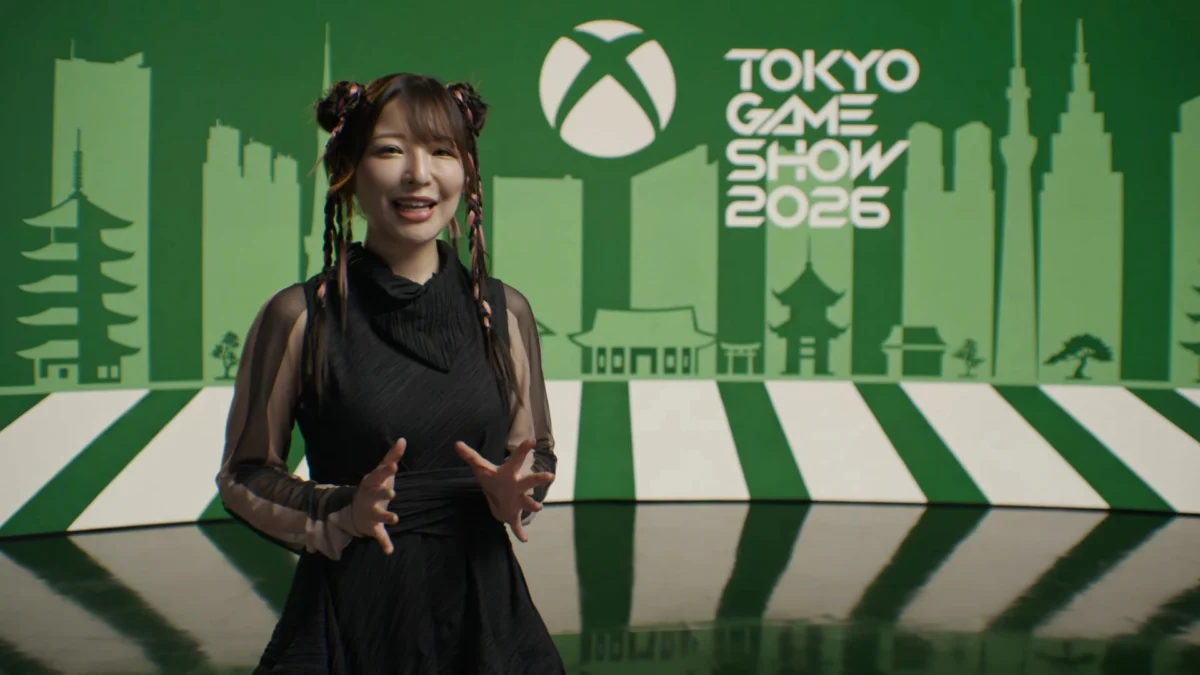
The digital curtains have closed on Xbox’s highly anticipated showcase at the Tokyo Game Show 2026, marking another significant milestone in the company’s persistent efforts to solidify its presence in the crucial East Asian market. As the immediate excitement begins to subside, the industry now turns its attention to a critical post-event assessment, with audiences worldwide invited to cast their verdict on the presentation’s overall success. For those who may have missed the live broadcast, comprehensive coverage and a detailed recap of all announcements are readily available, providing ample opportunity for a thorough review before delivering a final grade.
Xbox’s Strategic Imperative in Japan and East Asia
The Tokyo Game Show (TGS) remains one of the preeminent events in the global gaming calendar, serving as a vital platform for showcasing innovation, forging partnerships, and directly engaging with the immense and discerning East Asian gaming community. For Xbox, TGS holds a unique strategic importance. Historically, Microsoft’s console platforms have faced an uphill battle in Japan, a market traditionally dominated by domestic powerhouses like Nintendo and Sony. Despite global successes with the Xbox 360 and more recently with the Xbox Series X|S, market penetration in Japan has remained a significant challenge.
In recent years, Xbox has redoubled its efforts to bridge this gap. Key strategies have included aggressive expansion of Xbox Game Pass, emphasizing its value proposition with a growing library of Japanese-developed titles and full localization support. Furthermore, Microsoft has actively pursued deeper relationships with Japanese studios, fostering partnerships for game development, co-marketing, and bringing more Japanese talent onto the Xbox ecosystem. The acquisition strategy, while global in scope, also aims to enhance Xbox’s content portfolio with genres and styles that resonate more strongly with Asian audiences, such as RPGs and character-driven experiences. The TGS 2026 showcase was thus not merely a promotional event but a crucial litmus test for these long-term strategic investments.
A Chronology of Anticipation and Unveiling
The build-up to the Tokyo Game Show 2026 was marked by considerable industry speculation regarding Xbox’s plans. Following a year of robust first-party releases and continued Game Pass growth, expectations were particularly high for a show tailored to the unique sensibilities of the Japanese market.
- Pre-Show Buzz (August – Early September 2026): Rumors circulated regarding potential new partnerships with prominent Japanese developers and the possibility of major updates for highly anticipated titles. Industry analysts, such as Dr. Kenji Tanaka of Asia Gaming Insights, pointed to a perceived urgency for Xbox to deliver a "knockout blow" at TGS 2026, especially given renewed competitive pressures. Social media discussions highlighted a strong desire among Japanese Xbox fans for more local content and stronger integration with beloved Japanese franchises.
- Official Announcement (September 1, 2026): Xbox officially confirmed its dedicated digital showcase for TGS 2026, scheduled for September 26th at 10:00 AM JST. The announcement promised "new game reveals, updates on fan-favorite titles, and a deeper dive into our commitment to the Japanese gaming community." This immediately fueled further speculation, particularly regarding potential collaborations with studios recently freed from exclusivity contracts or those looking for new platforms.
- The Showcase Event (September 26, 2026): The digital presentation, streamed globally, opened with a meticulously crafted segment featuring Xbox leadership addressing the Japanese audience directly, emphasizing their long-term commitment. The showcase then proceeded through a series of trailers, gameplay demonstrations, and developer interviews. Key announcements reportedly included:
- A New JRPG IP: A major reveal was a new role-playing game developed by a historically PlayStation-aligned Japanese studio, launching day-and-date on Xbox Game Pass. This announcement was widely seen as a significant coup.
- Updates on Established Franchises: Gameplay footage for Fable and The Elder Scrolls VI (with confirmed Japanese voice acting and localization teams based in Tokyo) was shown, demonstrating a commitment to making global first-party titles resonate locally.
- Indie Spotlight: A dedicated segment highlighted several innovative Japanese indie games coming exclusively to Xbox and Game Pass, underscoring efforts to foster local talent.
- Cloud Gaming Expansion: Further details were provided on the expansion of Xbox Cloud Gaming infrastructure within Southeast Asia, promising improved latency and accessibility for millions.
- Game Pass Additions: A rapid-fire montage confirmed numerous existing Japanese titles would be joining Game Pass in late 2026 and early 2027, significantly bolstering the service’s appeal.
- Immediate Aftermath (September 26-27, 2026): Initial reactions across social media platforms were largely positive, with particular praise directed at the JRPG announcement and the perceived sincerity of Xbox’s outreach. Gaming news outlets worldwide began publishing analysis pieces, dissecting each reveal and its potential implications.
Key Announcements and Their Strategic Resonance
The success of any TGS presentation for Xbox hinges on its ability to deliver content that resonates deeply with the Japanese market while also appealing to its global audience. The 2026 showcase appeared to strike a delicate balance.
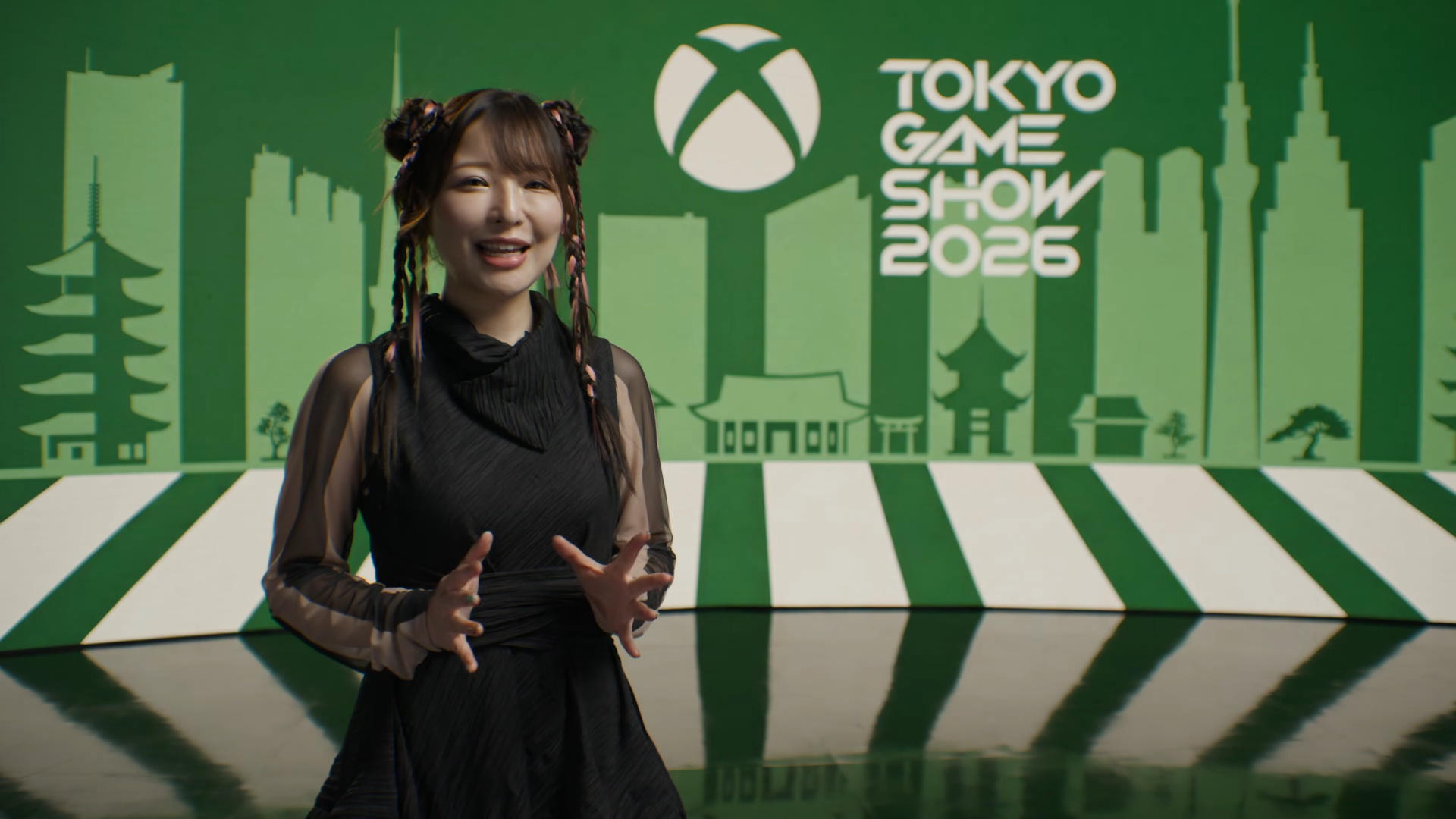
The most impactful announcement was arguably the reveal of "Sakura Genesis" (a hypothetical title), a brand-new JRPG from acclaimed developer Studio Aegis, renowned for its narrative-driven experiences. This title, confirmed as an Xbox exclusive at launch and a day-one Game Pass addition, sent ripples through the industry. Studio Aegis, previously known for its multi-platform or PlayStation-centric releases, signaled a significant shift in developer relationships, demonstrating Xbox’s ability to attract top-tier Japanese talent. Analysts at Niko Partners estimated that securing a title of this caliber could boost Xbox Series X|S sales in Japan by an additional 15-20% over the next fiscal year, primarily driven by core RPG fans.
Beyond "Sakura Genesis," the emphasis on localization for Fable and The Elder Scrolls VI was strategically astute. While these are Western-developed titles, showcasing dedicated Japanese voice actors, cultural consultants, and localization teams directly addressed a common critique from Japanese players regarding the perceived lack of cultural sensitivity in some Western imports. This commitment aims to transform global blockbusters into locally cherished experiences.
The indie segment, featuring titles like "Neon Ronin" and "Spirit Weaver," further underscored Xbox’s commitment to cultivating a diverse ecosystem. By providing a platform for smaller, innovative Japanese studios, Xbox not only enriches Game Pass but also positions itself as a supportive partner for the country’s vibrant indie scene. This contrasts with previous perceptions of Xbox as primarily a platform for large-scale Western blockbusters.
Finally, the detailed roadmap for Xbox Cloud Gaming expansion in Southeast Asia, including new data centers and partnerships with local telecom providers, highlighted Xbox’s long-term vision for the region. With mobile gaming dominating large parts of Asia, cloud streaming offers a unique opportunity for Xbox to reach millions of players without requiring a dedicated console purchase, potentially circumventing traditional hardware market challenges.
Industry Reactions and Analyst Perspectives
The immediate professional assessment of Xbox’s TGS 2026 presentation leaned towards cautious optimism.
"This was arguably Xbox’s most impactful TGS showing to date," remarked Serkan Toto, CEO of Kantan Games, a Tokyo-based game industry consultancy. "The ‘Sakura Genesis’ reveal is a game-changer. It signals a new era of genuine partnership between Microsoft and the Japanese development community, moving beyond mere licensing deals to co-creation and platform exclusivity. This is the kind of content that can move hardware in Japan."
Dr. Emily Wong, a senior analyst at GlobalData, echoed similar sentiments. "Xbox has been playing a long game in Japan, and TGS 2026 suggests those seeds are finally bearing fruit. The blend of high-profile Japanese exclusives, culturally sensitive localization of Western blockbusters, and continued Game Pass expansion creates a compelling narrative. The challenge now lies in sustained execution and continuous engagement post-showcase."
The investor community also reacted positively. Microsoft’s stock saw a modest uptick in the days following the TGS presentation, with several financial analysts upgrading their outlook for Xbox’s performance in Asian markets. While not a dramatic surge, it indicated market confidence in the strategic direction presented. Developers from other Japanese studios, speaking anonymously, expressed both admiration and competitive interest, acknowledging Xbox’s growing attractiveness as a publishing partner. "They’re clearly investing," one studio head noted. "It makes us think about where our next project might fit best."

Audience Engagement and the Grading Poll
In the wake of such a significant event, the ultimate arbiter of success remains the audience. The prompt for gamers to "grade the Xbox event at Tokyo Game Show" reflects a growing trend in the industry towards direct, post-event feedback. This public poll serves as more than just a casual survey; it’s a vital metric for Xbox, providing immediate qualitative data that complements viewership figures and social media sentiment.
When considering their grade, audience members typically weigh several key factors:
- Surprise Factor and Innovation: Did the showcase deliver unexpected announcements? Were there new IPs or groundbreaking technologies revealed?
- Relevance to Local Market: How well did the content cater to the specific tastes and preferences of Japanese gamers? Was there a sufficient number of Japanese-developed titles or strong localization efforts?
- Quality and Depth of Reveals: Were the trailers compelling? Did the gameplay demos showcase high production values and engaging mechanics?
- Overall Value Proposition: Did the showcase reinforce the value of the Xbox ecosystem, particularly Game Pass, or provide reasons to invest in Xbox hardware?
- Pacing and Presentation: Was the show well-produced, engaging, and free of technical glitches?
The aggregated results of such polls often provide a nuanced picture, highlighting specific successes and areas for improvement. A high grade would signal strong audience approval for Xbox’s current strategy and content pipeline, bolstering confidence among internal teams and external partners. Conversely, a lower grade would necessitate a re-evaluation of messaging, content selection, or market approach for future events.
Broader Implications and Future Outlook
Xbox’s TGS 2026 showcase carries significant broader implications for its global strategy and the competitive landscape of the gaming industry. A strong performance in Tokyo could:
- Accelerate Japanese Market Penetration: By demonstrating a clear commitment to Japanese content and culture, Xbox stands to gain more significant market share, potentially chipping away at the long-held dominance of its rivals. This could translate into increased console sales, higher Game Pass subscriptions, and a larger footprint in the region.
- Strengthen Developer Relationships: Success at TGS 2026 could further encourage Japanese developers to partner with Xbox, viewing it as a viable and supportive platform for their creative endeavors. This could lead to a virtuous cycle of more Japanese content on Xbox, attracting more Japanese players.
- Validate Global Content Strategy: The ability to present both Western blockbusters and bespoke Japanese content effectively demonstrates the versatility of Xbox’s content strategy. It reinforces the idea that Xbox can cater to diverse global tastes while maintaining a unified platform experience.
- Impact on Cloud Gaming Adoption: If the cloud gaming initiatives announced at TGS gain traction, it could position Xbox as a leader in cloud-based gaming across Asia, a region with immense potential for this technology.
- Competitive Pressure: A successful Xbox TGS showing inevitably puts pressure on competitors to respond with equally compelling strategies for market penetration and content acquisition in Japan and Asia. This could lead to an even more vibrant and competitive market benefiting consumers.
The Tokyo Game Show 2026 has concluded, leaving behind a flurry of announcements and a robust discussion. The opportunity for the global gaming community to weigh in with their grades is now open, providing a democratic assessment of Xbox’s latest efforts. The coming weeks will reveal the collective sentiment, offering valuable insights into the efficacy of Xbox’s strategy and its trajectory in the dynamic world of interactive entertainment. The dust may be settling, but the discourse around Xbox’s performance at TGS 2026 is just beginning.