


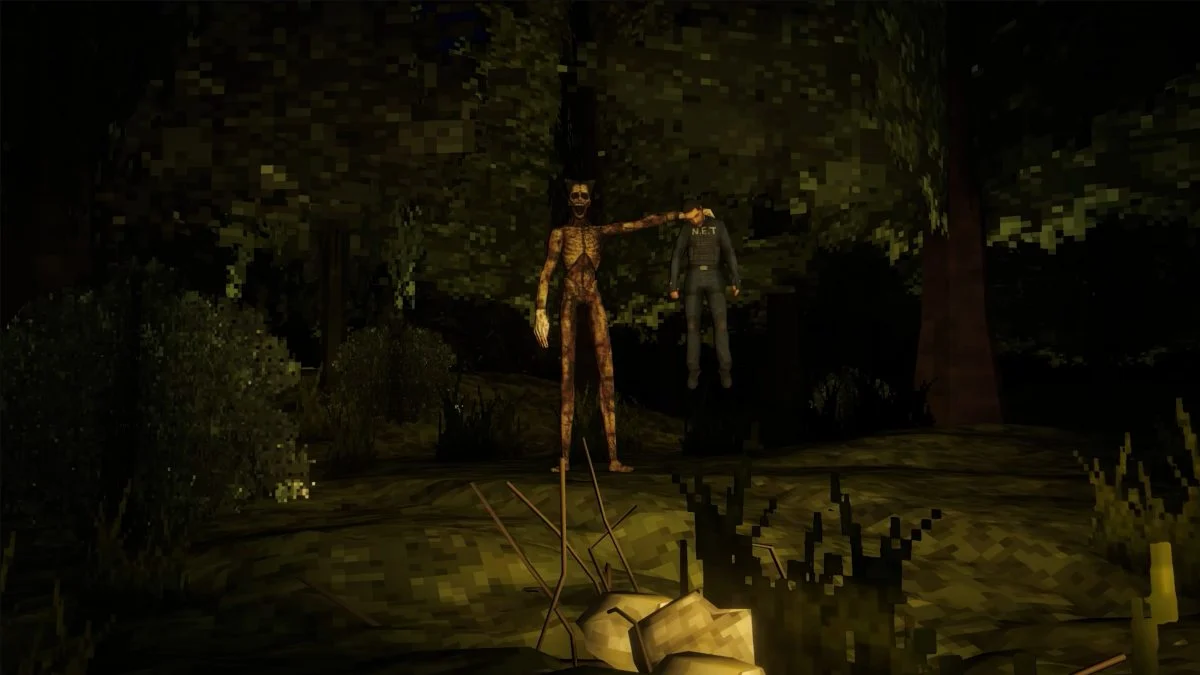
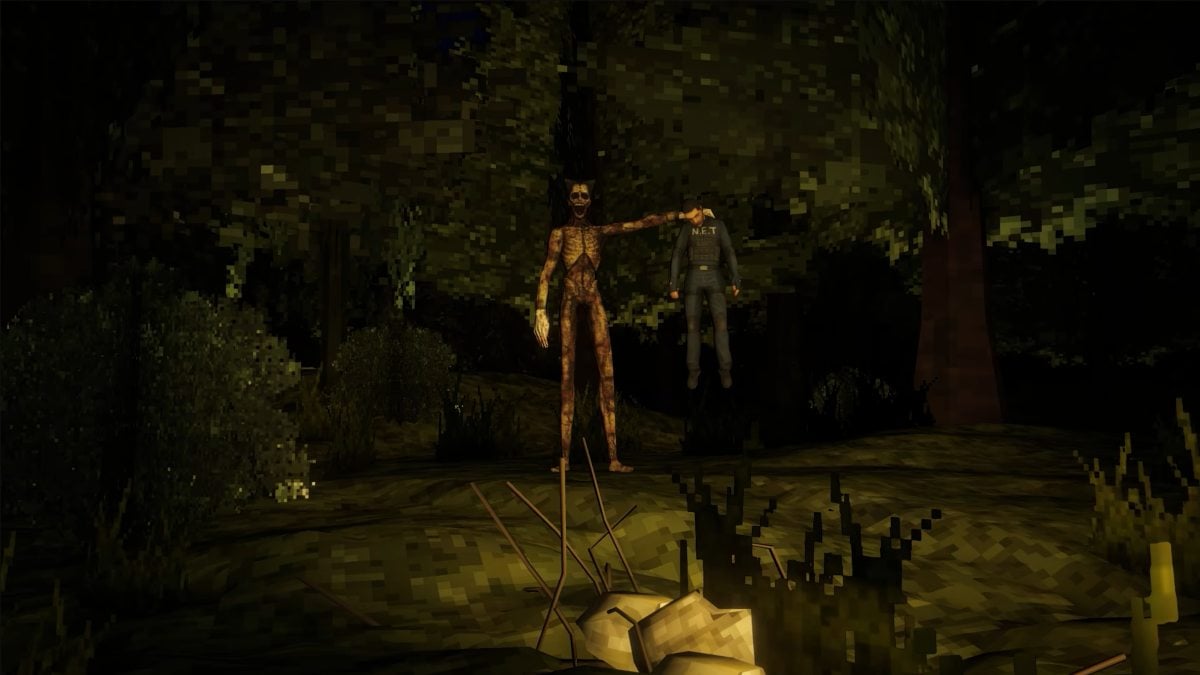
The dimly lit aisles of the convenience store in "Shift at Midnight" are more than just a backdrop for late-night transactions; they are a battleground where the mundane collides with the terrifying. Players are tasked with identifying and neutralizing doppelgangers, uncanny imitations of humans, before they escalate into monstrous entities that threaten to consume the player and the very fabric of their shift. This guide delves into the critical mechanics of recognizing these imposters, understanding the diverse array of entities that stalk the store, and the desperate measures required for survival.
The Menace of the Doppelganger: Identification and Eradication
The primary threat within "Shift at Midnight" is the doppelganger, a seemingly human customer whose true, sinister nature lies just beneath the surface. Distinguishing between a genuine customer and a doppelganger is paramount, as failure to do so has dire consequences. Initial shifts introduce subtle clues, mirroring the tension found in similar survival horror titles like "That’s Not My Neighbor." Players must meticulously examine customer identification, a crucial first line of defense.
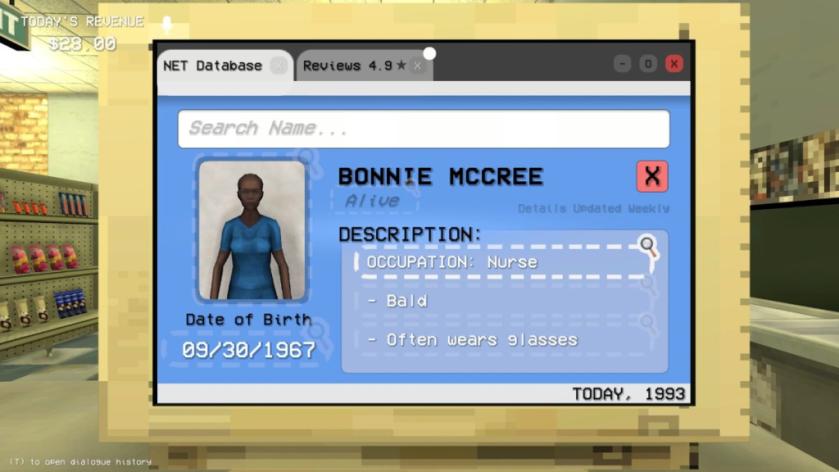
Telltale signs of a doppelganger can range from the bizarre to the subtly unsettling. The original game mechanics highlight extreme examples, such as a "well-mannered bear or a naked man rolling between the aisles," which serve as immediate red flags. More commonly, however, players will encounter discrepancies in identification. A doppelganger might possess a skin tone that doesn’t match the photograph on their ID, or worse, official records might confirm that the individual presenting themselves is, in fact, deceased. This latter detail, confirmed through in-game systems like the NET Database, is a definitive indicator of a fraudulent presence.
Beyond the visual confirmation, players are encouraged to engage customers in conversation, probing for inconsistencies in their personal details. Questions about their date of birth, occupation, and physical appearance can reveal crucial anomalies. A doppelganger may falter when asked about their job or provide descriptions that contradict their appearance on their identification. Furthermore, the legitimacy of identification itself must be scrutinized. The presence of a barcode on an ID is a critical indicator of authenticity, while the absence or alteration of this feature is a strong suspicion. Players are also advised to run identification documents, such as passports or driver’s licenses, through the available computer systems for verification, a process that can be particularly challenging when customers are reluctant to part with their documents.
The game mechanics emphasize that sparing a doppelganger is a critical error. These entities, if allowed to escape the store or remain undetected, will return. Their return is not as simple individuals but as empowered entities, contributing to the overall threat level and potentially strengthening other monsters that may appear later in the shift. This mechanic creates a constant pressure to be vigilant and decisive, as each missed doppelganger represents a growing danger. The randomly generated nature of shifts ensures that the cast of potential threats is ever-changing, with spared customers, whether genuine or fake, reappearing the following day, their status capable of shifting dramatically and unexpectedly.
The Labyrinth of Entities: A Comprehensive Bestiary
Should doppelgangers be allowed to persist or if specific in-game conditions are met, they can transform into a variety of terrifying entities. These entities can manifest at any point during a shift, transforming the seemingly mundane convenience store into a hunting ground. The game categorizes these threats into several distinct types, each with unique behaviors and requiring specific counter-measures.
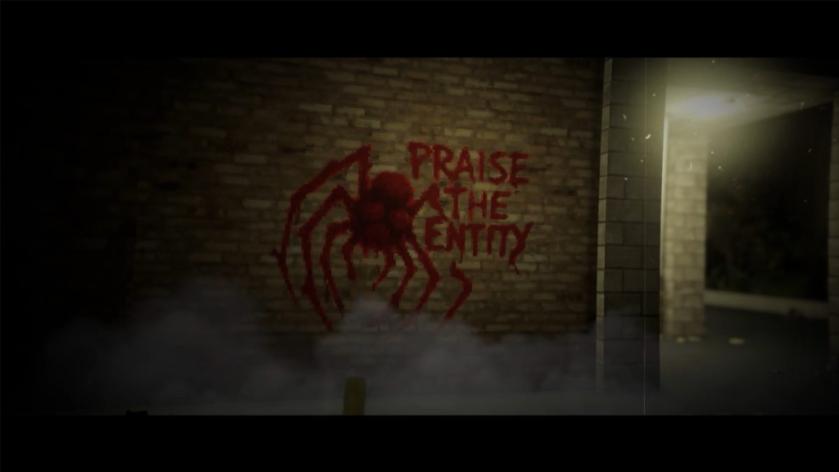
The Entity: This is a primary antagonist, often appearing during particularly perilous events such as hunts or Blood Moons. Its appearance is a horrifying fusion of human and arachnid, featuring eight spider-like legs sprouting from a human torso. The Entity is known for its ability to spin webs, hindering player movement and creating environmental hazards. Survival against The Entity often involves strategic hiding and utilizing an unlocked weapons arsenal when available. Its presence signifies a heightened level of danger, often accompanied by other spectral threats.
Shrieking Doll: A smaller, more insidious entity, the Shrieking Doll is characterized by its low-profile movement, crawling across the floor. Its diminutive size can make it difficult to spot, and its shrieks can disorient players. Effective counters include the deployment of traps and the use of melee weapons for swift elimination.
Demented: This entity presents a formidable challenge due to its extreme speed and unnerving behavior. The Demented possesses long, spindly limbs and moves with astonishing velocity when not directly observed by the player. Its mechanics are reminiscent of other notorious horror game antagonists, such as the Coil Head from "Lethal Company" or SCP-173 from "SCP: Containment Breach." The key to survival against the Demented is constant visual contact; looking away allows it to close the distance rapidly, while maintaining eye contact freezes it in place. This creates a tense game of cat and mouse, where players must carefully manage their gaze to avoid immediate confrontation.
Marionette: A cloaked, spectral figure, the Marionette floats rather than walks, adding to its unsettling presence. Its spawn is directly linked to a specific in-game ritual. Players must locate and rewind a music box scattered throughout the store. Failure to do so before the music completes its third iteration will result in the Marionette’s manifestation. This mechanic introduces an environmental puzzle element, forcing players to prioritize objectives beyond simple customer service.
The Dentist: Resembling a corpse, this entity is often found lurking in the break room or stalking the perimeter of the store and the bus stop at the end of a shift. Its appearance is a grim reminder of the ultimate fate that awaits the unwary. Survival against The Dentist relies on evasion and stealth. Players are advised to avoid using open microphones, refrain from looking back once pursued, and maintain a steady retreat until the entity disengages.
Camouflage: This entity employs a more deceptive tactic, blending seamlessly with the walls of the stockroom. Its presence is often revealed through a sudden jumpscare, though it typically does not inflict direct health damage. The countermeasure is straightforward: identify and attack the camouflaged entity, usually with a firearm or melee weapon, to force it to retreat.

The Ominous Omen: Blood Moon and Entity Manifestations
The arrival of a Blood Moon signifies a critical escalation in the game’s threat level. During a Blood Moon, the spawn rate and aggression of entities are significantly increased. Venturing outside the store after a shift concludes, especially under a Blood Moon, is almost guaranteed to trigger one or more entity encounters. Each entity operates under specific behavioral rules, and players are urged to pay close attention to any on-screen instructions or contextual cues that appear when an entity manifests.
Proactive players can gain an advantage by meticulously reviewing notes left on the counter and checking emails for new entity entries before their shift begins. This foreknowledge can provide crucial insights into the potential threats they might face, allowing for better preparation and strategic planning. The game emphasizes that awareness and understanding of entity behavior are as vital as any physical defense.
The Desperate Defense: Surviving the Post-Shift Assault
The most harrowing phase of "Shift at Midnight" occurs when a doppelganger is not apprehended during the shift. These unaddressed threats will return after the player begins to lock up the store, transforming into a monstrous variant and initiating a desperate fight for survival. Players are granted a brief 60-second window to prepare for this onslaught. This involves arming themselves, barricading the store’s entrances, and strategically placing traps.
The three main doors of the store become focal points for defense. Players can nail wooden planks onto these doors using the "E" key to fortify them against the encroaching entities. Once the preparation timer expires, the entities will begin to spawn. During this period, the primary objective is to evade direct confrontation and seek refuge in hiding spots. The stockroom often contains ventilation shafts that can offer temporary sanctuary.
However, these hiding spots are not foolproof. A grotesque mass, described as resembling "innards," will descend through the ventilation shafts, inflicting damage and forcing the player back into the open. This mechanic prevents players from simply hiding indefinitely and compels them to engage with the game’s combat and evasion systems.
A critical UI element to monitor is the "patience bar" at the top of the screen. This bar serves a dual purpose: it acts as a health indicator for The Entity and a timer, signifying how long it will actively search for the player. An eye icon on the screen fills up when the player is within The Entity’s line of sight. If this eye turns red, it indicates that The Entity has spotted the player and will pursue. This meter can be reset by quickly moving behind cover. Auditory cues are also tracked; excessive noise, whether from in-game footsteps or voice communication via microphone, will alert The Entity.
The Weapons Arsenal becomes accessible once the player reaches the halfway point on the patience bar. While the firearm available at this stage can inflict damage, its effectiveness is often minimal. For more potent weaponry, players must rely on the "EMERGENCY WEAPONS ARSENAL," which requires prior purchase through the in-store computer. This is particularly crucial if multiple entities spawn simultaneously, a common occurrence when several doppelgangers were missed during the shift.
It is important to note that even when an entity is defeated, whether through hiding or direct combat, it does not signify permanent victory. The entity will typically retreat, only to return on subsequent nights, often with increased strength and resilience. This cyclical nature of the threat reinforces the importance of thoroughly addressing doppelgangers during each shift, as unresolved issues compound over time, making future encounters exponentially more perilous. The survival of the player hinges on their ability to adapt, learn from their mistakes, and master the intricate mechanics of identification, evasion, and combat within the terrifying confines of "Shift at Midnight."