


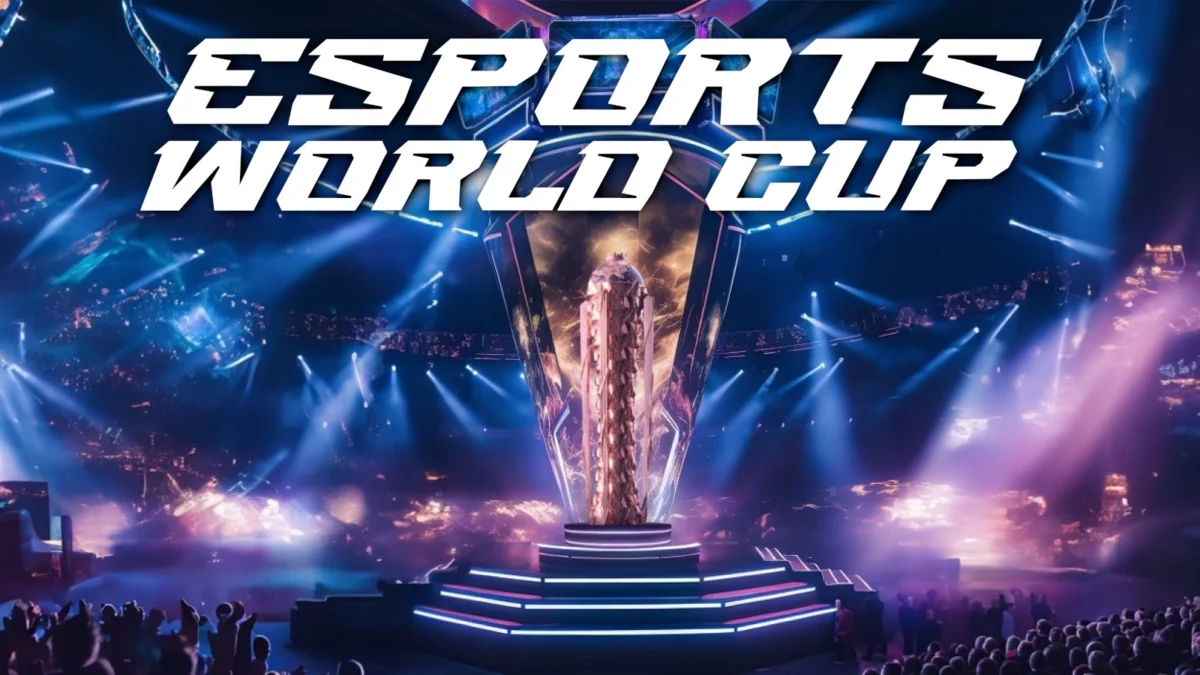
The highly anticipated 2026 Esports World Cup, a landmark event in the rapidly expanding global esports landscape, has undergone a significant venue change. Originally slated to take place in Riyadh, Saudi Arabia, the tournament’s organizers have officially confirmed its relocation to Paris, France, citing "an extended evaluation process in light of the current regional situation" in the Middle East. This decision, announced on May 20th, marks a pivotal moment for the Esports World Cup (EWC) and underscores the dynamic nature of international event planning in the face of geopolitical complexities.
A Swift and Strategic Relocation
The confirmation of Paris as the new host city for the 2026 edition came as a surprise to many within the esports community, though the Esports Foundation, the governing body behind the EWC, emphasized their commitment to providing clarity and stability for all stakeholders. "Our EWC fans are at the heart of everything we do, and we wanted to make sure that you and the Players, Clubs and Teams were offered the clarity and stability you need to plan your event attendance and travel plans," the official statement read. The original plan had positioned Riyadh as the inaugural host for the EWC in July and August of 2026, with intentions to rotate the event to other global cities in subsequent years, potentially charging hosting fees as a revenue stream. This expedited international rotation for the 2026 edition suggests a proactive approach by the Esports Foundation to navigate the evolving geopolitical climate.
Paris: A New Chapter for Global Esports
The selection of Paris as the new host city signals a new era for the Esports World Cup, marking its first edition outside of Saudi Arabia. Ralf Reichert, CEO of the Esports Foundation, expressed enthusiasm for this transition. "This year, we’re excited to bring EWC to Paris for its first edition outside Saudi Arabia. Paris has hosted some of the world’s biggest sporting events and is one of the great global capitals of sport, culture and entertainment," Reichert stated. He further highlighted the city’s vibrant atmosphere and the anticipated engagement from French fans. "Together with the passion of French fans and the strong support we’ve received locally, we’re excited to bring the global esports community there for the next chapter of EWC. Paris now becomes the first international chapter in EWC history." This sentiment was echoed by French President Emmanuel Macron, who welcomed the news with enthusiasm. "L’EWC se jouera à Paris ! C’est une première qui nous honore. Merci à l’Arabie Saoudite pour sa confiance. Nous sommes prêts à organiser cette Coupe du monde d’e-sport 2026. Très fiers d’accueillir le monde à nouveau," Macron tweeted, expressing pride in France’s role in hosting the prestigious event and acknowledging Saudi Arabia’s initial trust.
Background and Context of the Esports World Cup
The Esports World Cup, envisioned as a premier global championship, aims to consolidate various esports disciplines under one umbrella, offering a unified platform for competitive gaming at the highest level. The event was conceived with the ambition of becoming a recurring, international spectacle, akin to traditional world championships in established sports. The decision to initially award the hosting rights to Saudi Arabia was part of a broader strategy by the Kingdom to diversify its economy and establish itself as a major player in the global entertainment and sports industries through significant investment. The EWC’s multi-year vision included a phased approach to international expansion, with the 2026 event in Riyadh being the foundational step before subsequent iterations were planned to traverse different continents.
The announcement of the relocation comes after a period of increased geopolitical tension in the Middle East, which has historically impacted large-scale international events. While the specific details of the "current regional situation" remain unelaborated by the Esports Foundation, it is understood that the evolving security and political landscape prompted a reassessment of the feasibility and optimal environment for hosting such a high-profile international gathering. The decision to move the event to Paris, a city with a robust infrastructure for hosting major international events and a strong established esports scene, demonstrates a pragmatic approach to ensuring the tournament’s success and accessibility.
A Record-Breaking Prize Pool and Diverse Competition
The 2026 Esports World Cup is poised to be a significant draw for esports talent and fans alike, boasting a substantial prize pool. Esports teams from across the globe will compete for a staggering $75 million, positioning the EWC as one of the most lucrative tournaments in competitive gaming history. This substantial financial incentive underscores the event’s ambition to attract top-tier talent and elevate the profile of esports globally.

The tournament will feature a diverse array of 24 different esports titles, showcasing the breadth and depth of the competitive gaming landscape. This extensive selection includes popular titles such as Overwatch, Valorant, Counter-Strike 2 (CS2), and League of Legends, alongside strategic and niche disciplines like chess. This comprehensive approach aims to cater to a wide spectrum of esports enthusiasts and professional players, fostering a truly inclusive and representative global championship. The inclusion of chess, a traditional mind sport, alongside modern digital games, highlights the EWC’s progressive vision for esports as a multifaceted competitive arena.
Implications of the Venue Shift
The relocation of the Esports World Cup from Riyadh to Paris carries several significant implications for the esports industry, the host cities, and the participating teams and players.
For the Esports Industry:
The move to Paris, a major European cultural and economic hub, could provide increased visibility and accessibility for a broader international audience. Europe has a well-established and passionate esports fanbase, and hosting the EWC there could further solidify the continent’s position as a central player in the global esports ecosystem. Furthermore, the expedited international rotation suggests a potential trend towards more dynamic and flexible hosting arrangements for major esports events, allowing for quicker adaptation to global circumstances.
For Paris and France:
Hosting the 2026 Esports World Cup presents a significant opportunity for Paris and France to further enhance their reputation as a leading destination for major sporting and entertainment events. The city’s existing infrastructure, including world-class venues and transportation networks, is well-suited to accommodate the demands of such a large-scale international competition. The event is also expected to generate considerable economic benefits through tourism, hospitality, and associated industries, while also fostering local engagement with the rapidly growing esports sector. The French government’s embrace of the event, as evidenced by President Macron’s remarks, indicates a strategic interest in leveraging esports for cultural and economic development.
For Participating Teams and Players:
While the relocation may necessitate adjustments to travel and logistical plans for some teams and players, the assurance of clarity and stability from the organizers is paramount. The substantial prize pool remains a consistent draw, and the shift to Paris is unlikely to diminish the competitive allure of the tournament. The experience of competing in a city with a rich sporting heritage like Paris could also add a unique dimension to the players’ journey.
For Saudi Arabia:
The decision to relinquish the hosting of the 2026 EWC does not necessarily signify an end to Saudi Arabia’s ambitions in the esports and gaming sectors. The Kingdom has demonstrated a strong commitment to investing in these areas, and it is plausible that they may seek to host future international esports events or focus their efforts on other aspects of the industry. The initial partnership highlights Saudi Arabia’s willingness to be a part of major global initiatives, and their role in facilitating the EWC’s transition to Paris could be seen as a collaborative step in the event’s broader development.
The Future of Global Esports Event Hosting
The 2026 Esports World Cup’s journey from Riyadh to Paris serves as a compelling case study in the complexities of organizing global esports events. It underscores the need for adaptability, foresight, and a deep understanding of geopolitical factors. As the esports industry continues its trajectory of exponential growth, the ability of organizers to secure stable and welcoming environments for their flagship events will be crucial. The successful execution of the EWC in Paris will undoubtedly be closely watched, potentially setting new precedents for how future international esports championships are planned and managed in an increasingly interconnected and dynamic world. The event’s commitment to a diverse range of titles and its significant prize pool ensure that, regardless of the venue, the 2026 Esports World Cup is set to be a defining moment in the history of competitive gaming.