


In a move that has sent seismic waves through the technology and gaming industries, Xbox CEO Asha Sharma unveiled a massive restructuring initiative on the morning of July 6, 2026, a strategic "reset" that has resulted in the immediate termination of employment for 1,600 dedicated Xbox employees. This significant workforce reduction is reportedly just the beginning, with an additional 1,600 positions slated for elimination before the close of the 2027 fiscal year. The repercussions extend beyond the Xbox division, with broader layoffs also impacting other departments within Microsoft, marking a somber period for the global tech landscape.
Sharma’s announcement characterized the undertaking as "the most significant restructure in XBOX history." The comprehensive overhaul has affected numerous studios and subsidiary companies under the Xbox umbrella. While the company has confirmed the divestment of several studios, it has also assured that no development studios have been entirely shuttered. This delicate balancing act underscores the strategic reevaluation of Xbox’s operational structure and its commitment to maintaining its portfolio of creative talent, albeit in a significantly leaner configuration.
A critical point of reassurance provided by Sharma is that "None of our first-party publicly announced games or projects are being cancelled as part of these reductions." This statement aims to quell immediate concerns among the gaming community and stakeholders regarding the future of anticipated titles. Any game that has been officially revealed and confirmed to be in development is, at present, considered safe from these sweeping changes. However, the full extent of how ongoing development pipelines and unannounced projects might be affected remains a subject of considerable industry scrutiny.
The strategic "reset" by CEO Asha Sharma signifies a pivotal moment for Xbox, a division of Microsoft that has long been a cornerstone of the console gaming market. The scale of these layoffs, coupled with the broader impact across Microsoft, suggests a fundamental recalibrative effort aimed at optimizing operational efficiency, refocusing strategic priorities, and potentially bolstering financial performance in an increasingly competitive and evolving digital entertainment ecosystem. Understanding the full scope requires a detailed examination of the timeline, the specific entities impacted, and the underlying economic and strategic drivers.
Chronology of a Sweeping Overhaul
The immediate aftermath of Asha Sharma’s July 6, 2026, announcement paints a stark picture of abrupt change. Employees arriving for work or logging in remotely were met with notifications and communications detailing their immediate separation from the company. This rapid execution of such a large-scale layoff is indicative of meticulous, albeit difficult, planning.

July 6, 2026:
- Xbox CEO Asha Sharma announces the initial wave of 1,600 layoffs.
- Confirmation that an additional 1,600 positions are targeted for elimination by the end of the 2027 fiscal year.
- News emerges of broader layoffs across other Microsoft divisions, amplifying the impact.
- Reports surface detailing the specific studios and companies within the Xbox ecosystem that have been affected by job cuts and potential studio divestitures.
Leading up to July 2026:
While the public announcement was made on July 6, the strategic decisions and planning leading to this point likely spanned several months, if not longer. Industry analysts will undoubtedly be scrutinizing internal communications and financial reports from prior quarters for any indicators of the impending restructuring. The acquisition of major entities like Activision Blizzard, finalized in the preceding years, would have necessitated significant integration efforts, and it is plausible that the current "reset" is, in part, a consequence of optimizing and streamlining the post-acquisition landscape.
Future Outlook (Post-July 2026):
The commitment to further layoffs through the 2027 fiscal year indicates a prolonged period of adjustment for Xbox and Microsoft. The company’s future strategy will likely be shaped by the outcomes of this restructuring, with a focus on areas deemed critical for growth and profitability. This includes the potential for increased investment in specific game development genres, cloud gaming services (Xbox Cloud Gaming), and the integration of new technologies.
Impact on Studios and Development Pipelines
The restructuring has not been confined to a single department or studio; it has rippled across the diverse portfolio of Xbox’s development partners and internal teams. While specific details regarding the extent of cuts at each individual studio are still emerging, the sheer volume of affected employees points to a significant impact on creative output and operational capacity.
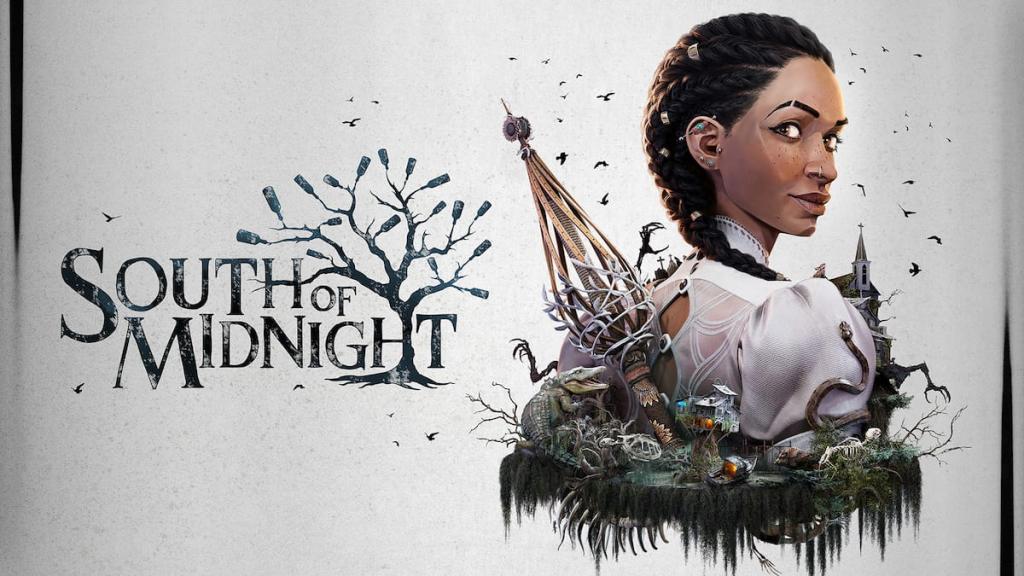
Compulsion Games: Known for titles like We Happy Few, Compulsion Games has been a part of the Xbox Game Studios family. Any reduction in its workforce would directly affect its capacity to deliver on existing and future projects, including the highly anticipated South of Midnight. The studio’s unique artistic vision and narrative-driven gameplay have garnered critical acclaim, and ensuring its continued creative freedom and operational stability will be crucial for Xbox’s first-party offerings.
Double Fine Productions: Led by industry veteran Tim Schafer, Double Fine is renowned for its quirky and innovative titles such as Psychonauts 2. Layoffs here could impact the development of new intellectual properties or sequels that fans have eagerly awaited. The studio’s distinctive culture and creative approach are valuable assets, and any disruption could pose a challenge to its unique output.
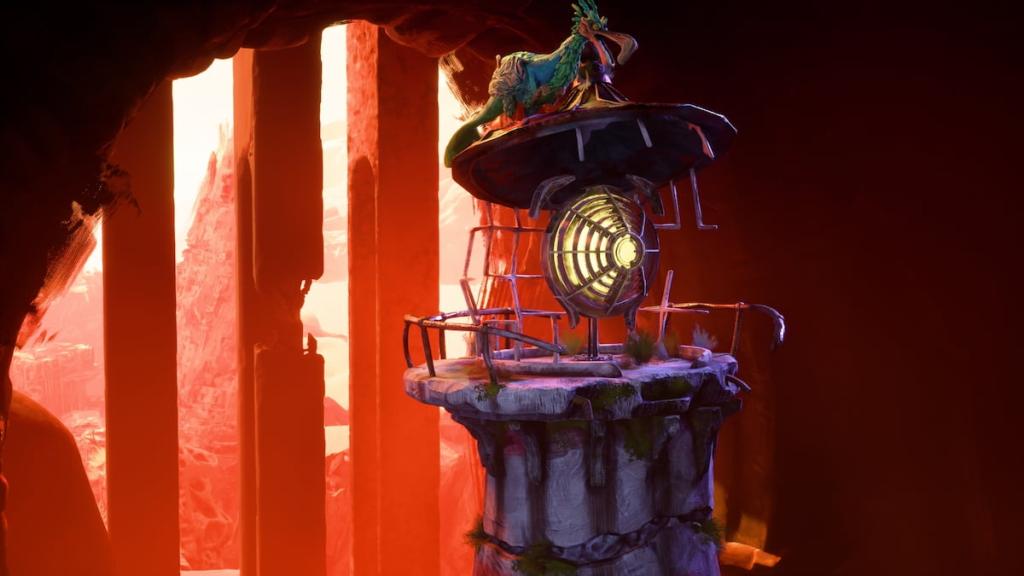
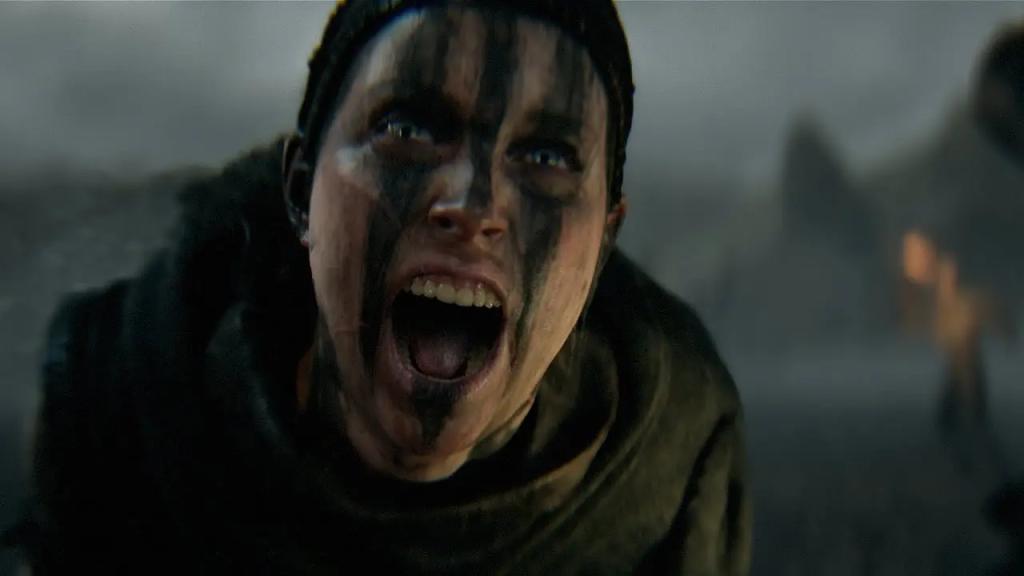
Ninja Theory: The studio behind the critically lauded Hellblade: Senua’s Sacrifice and its sequel, Senua’s Saga: Hellblade II, Ninja Theory is a key player in Xbox’s lineup of action-adventure developers. Significant staff reductions could delay or alter the trajectory of their ambitious projects, impacting the visual fidelity and narrative depth that have become hallmarks of their work.
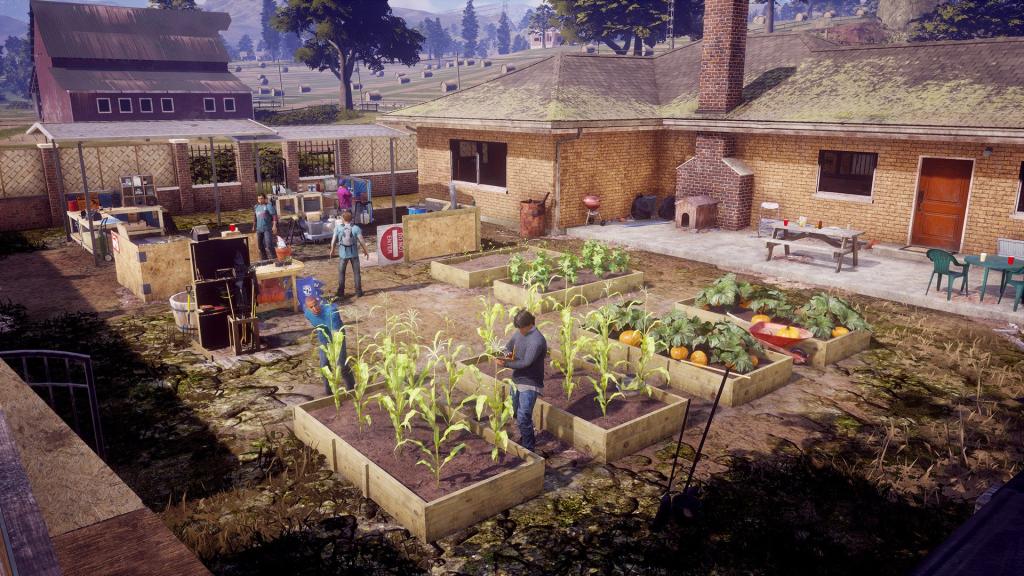
Undead Labs: As the developer of the State of Decay series, Undead Labs is instrumental in Xbox’s survival-genre offerings. The impact of layoffs on this studio could affect the ongoing development and support for State of Decay 3, a title that has generated considerable anticipation among fans of zombie survival games. Maintaining the robust mechanics and engaging gameplay loops the series is known for will be a priority.
Arkane Lyon: While primarily known for its work on titles like Dishonored and Deathloop (developed under ZeniMax Media, now part of Xbox), Arkane Lyon’s operational status in light of these layoffs warrants attention. Any impact on this studio, celebrated for its immersive sim design and player agency, could affect the development of future immersive first-person experiences.
Activision: The integration of Activision Blizzard, a monumental acquisition for Microsoft, brings with it a vast array of studios and franchises. While the initial layoffs at Xbox are distinct from the broader Activision Blizzard workforce, it is plausible that optimizations within the larger Microsoft gaming division could lead to further adjustments affecting Activision’s numerous development teams, including those working on the Call of Duty franchise. The sheer scale of Activision’s operations means that any restructuring here would have profound implications for the global gaming market.
Blizzard Entertainment: Similarly, Blizzard, a titan in the PC and console gaming space with franchises like World of Warcraft, Overwatch, and Diablo, faces potential scrutiny. While specific impacts are yet to be detailed, the company’s recent history has seen periods of internal change. The current Xbox "reset" could necessitate further strategic realignments within Blizzard’s development studios, impacting the cadence of major releases and ongoing live-service support.
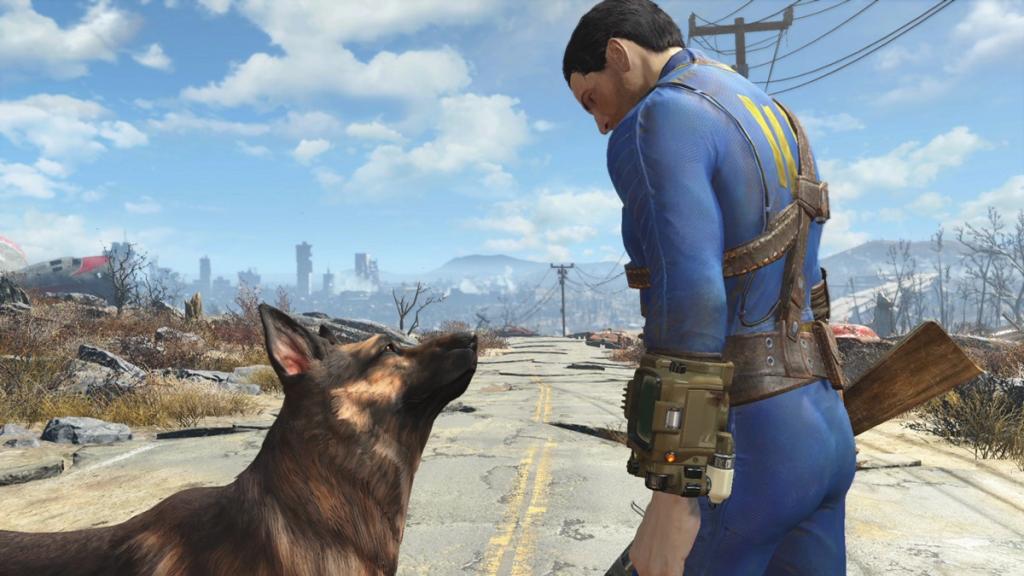
Bethesda/ZeniMax: The acquisition of Bethesda Softworks and its parent company ZeniMax Media brought renowned studios like id Software, MachineGames, and Tango Gameworks under the Xbox umbrella. These studios are responsible for major franchises such as The Elder Scrolls, Fallout, Doom, and Wolfenstein. While Bethesda’s flagship titles like Starfield and The Elder Scrolls VI are likely to remain a priority, the restructuring could influence the development cycles and staffing levels of these studios, potentially affecting their ability to deliver their signature RPG and shooter experiences.
King: As a leading mobile game developer, particularly known for Candy Crush Saga, King represents a significant segment of Microsoft’s gaming portfolio. The impact of these layoffs on King’s operations, which are distinct from console and PC development, is yet to be fully understood. However, strategic adjustments within Microsoft’s broader gaming division could influence investment and resource allocation for its mobile gaming ventures.
Mojang: The creators of the global phenomenon Minecraft, Mojang Studios, are a cornerstone of Xbox’s creative output. Given Minecraft‘s enduring popularity and its continuous evolution, any significant impact on Mojang’s staffing would be keenly felt by its massive player base. Ensuring the continued innovation and support for Minecraft and its related titles will be paramount.
Obsidian Entertainment: Renowned for critically acclaimed RPGs such as Fallout: New Vegas, Pillars of Eternity, and The Outer Worlds, Obsidian Entertainment is a highly respected developer within the Xbox Game Studios portfolio. Layoffs here could affect the development of their upcoming titles, including The Outer Worlds 2, potentially impacting their signature narrative depth and player-choice-driven gameplay.

Supporting Data and Industry Context
The layoffs at Xbox are not an isolated incident but rather part of a broader trend of consolidation and strategic recalibration within the technology and gaming sectors. Following a period of rapid growth and significant investment, particularly during the COVID-19 pandemic, many tech companies are now facing economic headwinds, including rising interest rates, inflation, and a more cautious consumer spending environment.
Historical Layoff Trends in Tech:
The tech industry has historically experienced cycles of rapid expansion followed by periods of contraction. The early 2020s saw an unprecedented hiring spree, fueled by digital transformation initiatives and increased demand for online services. However, as global economic conditions shifted, a wave of layoffs began to sweep across major technology firms starting in late 2022 and continuing into 2023 and 2024. While Xbox’s announcement in July 2026 is a significant event, it reflects an ongoing industry-wide recalibration.
The Gaming Industry Landscape:
The gaming industry, in particular, has seen immense growth, with the market value projected to reach hundreds of billions of dollars annually. However, this growth has also been accompanied by intense competition, escalating development costs, and the need for continuous innovation to capture and retain player attention. Major acquisitions, such as Microsoft’s purchase of Activision Blizzard, highlight the industry’s consolidation phase, where larger entities seek to acquire intellectual property and talent to bolster their market share. The current restructuring at Xbox can be viewed as a strategic response to this dynamic environment, aiming to streamline operations and focus resources on key growth areas.

Financial Performance and Market Expectations:
While specific financial figures for Xbox’s performance leading up to the July 2026 announcement are proprietary, it is reasonable to infer that the decision was driven by a confluence of factors, including profitability targets, market share objectives, and shareholder expectations. The gaming industry is highly sensitive to both critical reception and commercial success, and companies often undertake significant strategic shifts to align with prevailing market demands and long-term viability. The emphasis on "resetting" the company suggests a proactive approach to ensuring future financial health and competitive positioning.
Official Responses and Industry Reactions
The announcement of such a large-scale workforce reduction inevitably elicits strong reactions from various stakeholders, including employees, industry analysts, and the broader gaming community. While direct quotes from external parties are not available in the provided text, logical inferences can be drawn about the potential responses.
Internal Communications:
Within Xbox and Microsoft, communication would have been paramount in the immediate aftermath of the layoffs. Sharma’s initial announcement likely included efforts to address remaining employees, explaining the rationale behind the decisions and outlining the path forward. This would typically involve assurances regarding the company’s future vision and the importance of the remaining workforce in achieving those goals.

Employee Reactions:
For the thousands of individuals affected, the layoffs represent a significant personal and professional upheaval. Unions, where applicable, would likely engage with management to ensure fair severance packages and support for transitioning employees. Social media platforms and industry forums would undoubtedly become conduits for personal stories and collective expressions of concern and solidarity.
Industry Analyst Commentary:
Gaming industry analysts would be dissecting the implications of these layoffs for Xbox’s future game development strategy, its competitive standing against rivals like PlayStation and Nintendo, and the overall health of the gaming market. Their commentary would focus on whether this "reset" is a prudent measure for long-term success or a sign of underlying systemic issues. They would also be scrutinizing the impact on the talent pool and the potential for a brain drain from the company.
Gaming Community Sentiment:
The gaming community, deeply invested in the future of Xbox and its franchises, would express a mixture of concern, disappointment, and apprehension. Fan bases of specific studios and games would voice their hopes that their favorite titles remain unaffected. Discussions would likely revolve around the ethical implications of such large-scale job losses and their potential impact on the quality and diversity of future gaming content.
Broader Impact and Implications
The extensive restructuring at Xbox under CEO Asha Sharma carries significant implications that extend beyond the immediate workforce reductions and studio adjustments. This event serves as a potent indicator of the evolving dynamics within the technology and entertainment sectors, highlighting shifts in strategic priorities and the ever-present pressure for fiscal optimization.
Talent Migration and Industry Restructuring:
Large-scale layoffs can lead to a significant migration of talent. Experienced developers, designers, and engineers who have been displaced may seek opportunities at competing companies, independent studios, or even transition to different sectors. This can create both challenges and opportunities for the broader industry, potentially leading to the emergence of new creative ventures or the strengthening of existing competitors. The concentration of talent within a few major corporations has always been a point of discussion, and such events can act as catalysts for decentralization or diversification of creative forces.
Future of Game Development and Innovation:
The impact on game development pipelines is a critical concern. While Sharma has assured that announced projects are safe, the reduction in workforce and potential reallocation of resources could influence the scope, ambition, and release timelines of future games. Innovation often thrives on creative freedom and robust development teams. A leaner operational structure, while potentially more efficient, could also inadvertently stifle experimentation or lead to a more risk-averse approach to game design. The long-term effects on the types of games Xbox produces and the creative risks it is willing to take will be closely observed.

Microsoft’s Strategic Positioning:
For Microsoft, these changes at Xbox are part of a larger strategic narrative. The company has invested heavily in its gaming division, viewing it as a crucial pillar for its consumer-facing technologies and its broader ecosystem. The success of Xbox is intertwined with the performance of its cloud gaming services, its subscription offerings like Xbox Game Pass, and its ability to attract and retain a significant player base across multiple platforms. This "reset" suggests a strategic pivot, potentially aimed at solidifying Xbox’s position in a rapidly changing market, or perhaps re-evaluating its long-term investment thesis in certain areas of gaming.
The Console Wars and Market Competition:
The competitive landscape of the console market, dominated by Xbox, PlayStation, and Nintendo, is constantly shifting. Significant internal changes within one of the major players inevitably draw attention from rivals and analysts alike. While direct competitive responses are unlikely to be immediate, the perceived strength and strategic direction of Xbox following this restructuring could influence market dynamics and the strategies adopted by its competitors. Ensuring a vibrant and diverse competitive environment is essential for the continued growth and evolution of the gaming industry.
Ethical Considerations in Tech Restructuring:
The recurring nature of large-scale layoffs in the tech industry raises ongoing ethical questions about corporate responsibility, job security, and the human cost of rapid business transformations. As companies pursue efficiency and profitability, the impact on their employees and the broader societal implications of such decisions remain a critical area of public discourse and regulatory scrutiny. The Xbox layoffs serve as a somber reminder of the precariousness of employment in a fast-paced and often volatile industry.

This comprehensive restructuring by Xbox CEO Asha Sharma marks a profound moment for the company and the wider technology sector. The full ramifications of this "reset" will continue to unfold in the coming months and years, shaping the future of gaming and the operations of one of the world’s most influential technology giants.