


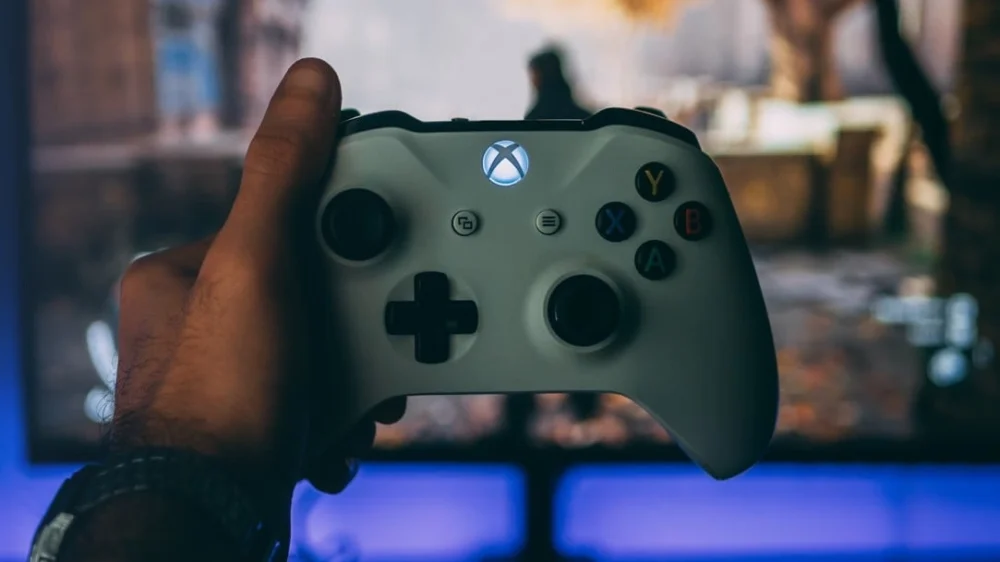
Microsoft’s Xbox division has officially confirmed the existence of its next-generation console, codenamed "Project Helix," signaling a transformative shift in the gaming landscape by integrating both traditional console and expansive PC gaming functionalities. This groundbreaking announcement, made today, has ignited widespread discussion within the industry regarding the scope and nature of PC game support the console will offer. Building on a year of persistent rumors and insider reports, Project Helix is now being heralded as "the most open Xbox ever," a designation that underscores its potential to bridge the long-standing divide between console simplicity and PC versatility.
At the heart of Project Helix’s design philosophy lies a core principle: the console will, in essence, function as a high-performance gaming PC. This revelation comes from Jez Corden of Windows Central, a prominent journalist who has consistently been at the forefront of reporting on the next Xbox’s PC integration capabilities. Corden reiterates his earlier assertions, stating that the device will feature native Windows support, allowing users to access and install multiple PC storefronts beyond Microsoft’s own ecosystem. This includes widely popular platforms such as Steam, the Epic Games Store, GOG, Riot Client, and Battle.net, among others. The front-end experience for Project Helix is expected to be a refined version of the Xbox Full Screen Experience, currently utilized on devices like the ROG Ally handheld, designed to offer a familiar, console-like interface while retaining the underlying power and flexibility of a Windows PC.
Unpacking the "Most Open Xbox Ever" Vision
The concept of Project Helix being "the most open Xbox ever" represents a profound strategic pivot for Microsoft in the console space. For decades, dedicated gaming consoles have operated as largely closed ecosystems, with software distribution and hardware specifications tightly controlled by the platform holder. While this model offers stability, optimized performance, and a streamlined user experience, it also limits consumer choice and flexibility. By embracing Windows and enabling access to third-party digital storefronts, Xbox is effectively dismantling these traditional barriers.
This openness extends beyond just game acquisition. A true PC core implies a broader spectrum of possibilities, including potentially supporting a wider range of peripherals, user modifications (within certain parameters), and even productivity applications if users choose to boot into a full Windows desktop environment. The statement from Corden that users will be able to "boot up the Windows Desktop from here" is particularly significant, suggesting that Project Helix is not merely a console capable of playing PC games, but a fully functional Windows PC housed within a console form factor, with a dedicated gaming UI as its primary interface. This blurs the lines between console and PC gaming more dramatically than any previous hardware iteration.
A Chronology of Anticipation: The Road to Project Helix
The journey towards Project Helix’s unveiling has been a meticulously pieced-together narrative, built on a foundation of insider leaks, strategic hints, and official affirmations. The initial sparks of speculation regarding Windows integration for the next Xbox console emerged approximately a year ago. These early rumors, often spearheaded by Corden, began to paint a picture of a console fundamentally different from its predecessors.
- Early 2025: Whispers of Windows integration start circulating, suggesting a departure from the traditional console operating system. This marks the conceptual beginning of Project Helix’s hybrid nature.
- May 2025: Jez Corden ignites further discussion by reporting that Xbox had been in active talks regarding the possibility of integrating Valve’s Steam platform onto its next console. This particular rumor garnered significant attention, as Steam represents the largest digital distribution platform for PC gaming, and its inclusion would dramatically expand the game library available on an Xbox device.
- June 2025: Xbox officially provides a glimpse into its next-gen console strategy. While not explicitly naming Project Helix or detailing PC integration, the company promised to deliver "the next generation of graphics innovation" and reiterated its unwavering commitment to backwards compatibility. These statements, in hindsight, can be seen as laying the groundwork for a console that would need substantial power and a flexible architecture to deliver on these promises while also accommodating a vast library of existing titles.
- October 2025: Corden follows up with a comprehensive report that further solidifies the PC-centric rumors. His report detailed that users would be able to "exit out to Windows" on the system and gain access to various other PC storefronts. This was the first concrete indication that the Windows environment would not just be an underlying layer but an accessible feature for end-users.
- November 2025: Microsoft’s ongoing development of the Xbox Full-Screen Experience gains wider attention, particularly its planned availability on standard Windows PCs. This move, seen on devices like the ROG Ally, provided a tangible example of how a console-like user interface could coexist with a full Windows operating system, offering a preview of the Project Helix user experience.
- Today (March 2026): Xbox officially announces Project Helix, confirming the integration of both console and PC games, solidifying the culmination of these prior reports and strategic maneuvers.
This timeline reveals a deliberate and evolving strategy by Microsoft, adapting to market trends and progressively signaling its intent to redefine the console experience.
Microsoft’s Strategic Imperative: Adapting to a Shifting Market
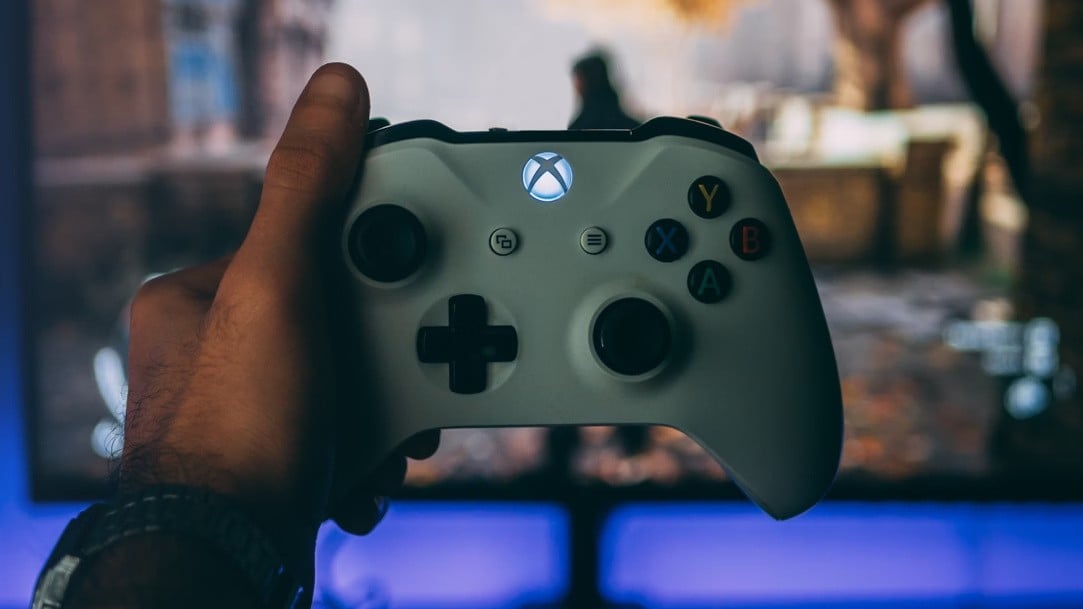
The decision to pursue a hybrid console like Project Helix is not made in a vacuum; it reflects Microsoft’s broader strategic imperatives within the highly competitive gaming industry. The global gaming market is dynamic, with PC gaming representing a significant and growing segment. In 2023, the PC gaming market alone was estimated to be worth over $40 billion, with robust growth projected for the coming years, driven by digital distribution and hardware advancements. While console gaming remains strong, the lines between platforms are increasingly blurring, particularly with the rise of cross-play and multi-platform releases.
Microsoft’s existing Xbox ecosystem has already demonstrated a strong push towards platform agnosticism. Initiatives like Xbox Play Anywhere, which allows users to buy a game once and play it on both Xbox and PC, and the robust Xbox app on Windows, have been instrumental in fostering a more interconnected gaming experience. The immensely successful Xbox Game Pass subscription service, available on both consoles and PC, further exemplifies this strategy, aiming to maximize player engagement across all Microsoft-supported platforms. Project Helix can be viewed as the ultimate physical manifestation of this "play anywhere" philosophy, consolidating these efforts into a single, versatile hardware solution.
Furthermore, the emergence of powerful PC handhelds such as the Steam Deck, ASUS ROG Ally, and Lenovo Legion Go has demonstrated a significant consumer appetite for portable devices capable of running full PC games. These devices, while not directly competing with traditional home consoles, showcase the demand for flexible gaming solutions that combine the accessibility of a console with the expansive library of PC gaming. Project Helix, particularly with its "Xbox Full Screen Experience" as a front-end, appears to be Microsoft’s answer to this trend, bringing a similar level of openness and versatility to the living room console form factor.
The Open Ecosystem: Implications for Developers and Consumers
The implications of Project Helix’s open ecosystem are far-reaching, affecting developers, publishers, and consumers alike.
For developers, the prospect of targeting a single hardware platform that can access a vast PC game library simplifies development efforts and expands potential reach. Games developed for PC, optimized for a range of hardware configurations, could theoretically run on Project Helix with minimal porting effort, especially if the console’s architecture closely mirrors standard PC components. This could reduce development costs and accelerate the release of titles on the Xbox platform, potentially leading to a richer and more diverse game catalog. However, it also introduces challenges related to optimization for a fixed hardware target and ensuring a consistent user experience across varied PC titles.
For consumers, the benefits are immediately apparent. The ability to access multiple PC storefronts means an unparalleled choice of games, often at competitive prices due to the intense competition among digital retailers. Users will no longer be locked into a single digital marketplace or restricted to console-specific titles. This freedom of choice could be a significant draw, especially for PC gamers who appreciate the flexibility of their existing libraries but desire a console-like living room experience. Moreover, existing PC game libraries could potentially be brought over to Project Helix, offering immense value to those who have already invested heavily in PC titles. The console would serve as a unified hub for all gaming content, irrespective of its origin.
Technical Considerations and User Experience Challenges
While the vision for Project Helix is ambitious, its successful execution hinges on overcoming several technical and user experience challenges. The "Xbox Full Screen Experience" user interface, currently being polished "around the clock," is crucial. It must strike a delicate balance: providing the intuitive, streamlined, and user-friendly experience expected of a console, while simultaneously allowing seamless access to the complexity and depth of a Windows desktop environment and multiple PC launchers.
Integrating disparate storefronts like Steam, Epic Games, and GOG into a unified console dashboard presents a significant UI/UX hurdle. Users will expect a smooth transition between their Xbox library, Game Pass titles, and their extensive PC game collections. Furthermore, ensuring consistent performance and compatibility across a vast array of PC games, each with its own system requirements and dependencies, will be a monumental task for Microsoft. While a PC "at its core" offers flexibility, the expectation for a console is usually plug-and-play reliability. Microsoft will need to implement robust compatibility layers, driver support, and potentially a curated compatibility list to manage user expectations.

Another consideration is hardware specifications. For Project Helix to truly serve as a capable gaming PC, it must boast powerful, future-proof components. The console market typically sees fixed hardware for several years, whereas PC hardware evolves rapidly. Microsoft will need to design Project Helix with sufficient headroom to run demanding PC titles for its lifespan, or potentially introduce a more modular upgrade path, which would be another radical departure from traditional console design.
Market Reactions and Broader Industry Implications
The official announcement of Project Helix is expected to elicit a range of reactions across the gaming industry.
Competitors like Sony (PlayStation) and Nintendo (Switch) will undoubtedly be observing Microsoft’s move closely. Should Project Helix prove successful, it could force rivals to re-evaluate their own console strategies. The traditional console model might face increasing pressure to offer more openness and flexibility, or risk losing market share to a more versatile Xbox. This could spur innovation across the board, potentially leading to new hybrid consoles or services from other players.
Industry analysts are likely to view Project Helix as a bold, calculated risk. While the potential rewards in terms of market share and ecosystem expansion are significant, the challenges of execution are equally formidable. The success will depend on factors such as pricing, ease of use, hardware reliability, and developer support. Data from market research firms will closely track consumer adoption and feedback to gauge the viability of this hybrid approach.
The PC gaming community is anticipated to react largely positively to the news. For many, the idea of a dedicated living room device that can play their existing Steam library, for instance, without the hassle of setting up a full PC, is highly appealing. It offers the best of both worlds: the convenience of a console with the extensive game selection and often lower game prices of PC.
Developers and publishers will be watching closely to see how Project Helix impacts their distribution strategies and revenue models. The increased competition from multiple storefronts on a single device could lead to more aggressive pricing and promotional activities, which would benefit consumers. However, it also means developers might need to navigate a more complex ecosystem for game distribution and patch management.
Challenges and the Future Outlook
Despite the excitement, the path forward for Project Helix is not without potential pitfalls. The report from Windows Central, while highly detailed, remains unofficial until Microsoft provides explicit confirmation on all features. As the article itself cautions, "plans can change on a whim, especially when a new boss takes the reigns at Xbox!" Leadership changes or unforeseen technical hurdles could always alter the final product.
The most significant challenge will be delivering on the promise of a seamless, integrated experience that satisfies both console players seeking simplicity and PC enthusiasts demanding flexibility. The user interface, system stability, and overall performance will be under intense scrutiny. If Microsoft can successfully merge the robust capabilities of a gaming PC with the user-friendly experience of a console, Project Helix has the potential to fundamentally redefine what a "console" can be. It could usher in an era where the hardware form factor becomes less restrictive, and the focus shifts entirely to providing players with the most expansive and accessible gaming library possible. The gaming world eagerly awaits more official details to fully comprehend the scope of this ambitious new chapter for Xbox.