


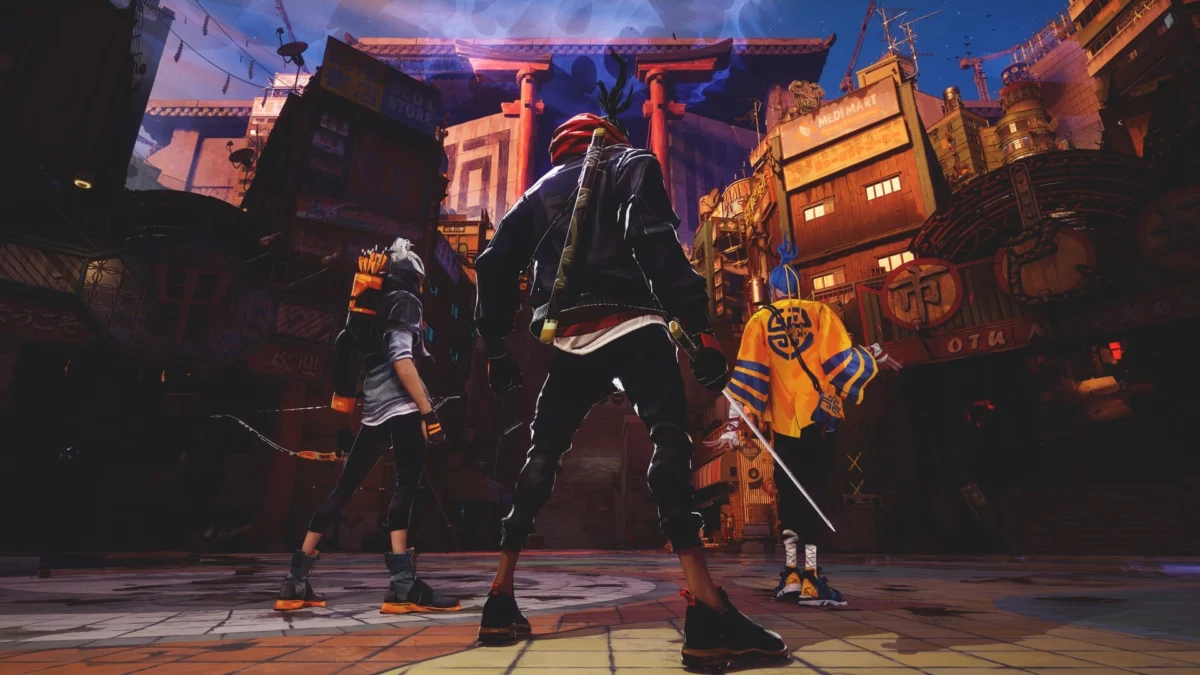
The burgeoning independent game development studio UNSEEN, founded by the acclaimed former Tango Gameworks director Ikumi Nakamura, has ignited a significant discussion within the gaming community following its recent announcement regarding the platform availability for its anticipated title, KEMURI. Nakamura’s explanation for the game’s omission from Xbox platforms at launch, citing the prohibitive exhaustion and resource drain associated with porting, has elicited a polarized response, ranging from staunch criticism to empathetic understanding from industry observers and players alike.
The Initial Revelation and Subsequent Controversy
The controversy first emerged from a recent Q&A session where Ikumi Nakamura was directly questioned about the absence of an Xbox version for KEMURI. The game, a super-stylish demon-slaying action title, has been confirmed for PC, PlayStation 5, and potentially the unreleased Nintendo Switch 2, with a projected launch in 2027. Nakamura’s initial response, while candid, was perceived by some as poorly articulated, leading to a wave of negative reactions across social media platforms over the past 24 hours.
Nakamura’s initial statement, as transcribed, focused heavily on the logistical and human resource challenges faced by UNSEEN, a studio significantly smaller than the large-scale development houses she previously worked with. She stated: "I just want people to understand that porting takes a lot of work. We develop the game for PC first, then bringing it to Nintendo or PlayStation requires engineers to handle the port work. At a big company, you usually have dedicated people to handle that. But we are really a small studio, if we had to do the porting ourselves, our engineers would be exhausted. I’d rather prioritise people’s lives. I don’t want anyone dying just to release an Xbox version. People come first. That’s all."
This blunt articulation, particularly the phrase "I don’t want anyone dying just to release an Xbox version," was interpreted by some segments of the Xbox community and other critics as an exaggeration or an indication of an underlying bias against the platform. The core contention for these critics was the implication that an Xbox port would be disproportionately difficult or burdensome compared to the other announced platforms, especially given the architectural similarities often shared between PC and Xbox development environments.
Developer’s Clarification and Broader Context
In response to the escalating online discourse, Ikumi Nakamura took to social media on September 14, 2026, to provide additional context and clarify her studio’s position. Her follow-up comments aimed to de-escalate the tension and reiterate the foundational principles guiding UNSEEN’s development decisions.
Nakamura elaborated: "We’re a very small studio, so our engineering resources are limited. I’ve said the same thing in Ask Ikumi too. I’m really happy people want KEMURI on more platforms, but before we get buried in porting work, I want us to focus on finishing KEMURI properly first. That’s all. And I think it’s totally fine for everyone to share their opinions and debate these things. I used to love the Xbox controller too! I played a lot of CoD with it back in the day and racked up plenty of headshots. So I get the Xbox love! We’re just a tiny team trying to make the best KEMURI we can first."
This clarification softened the previous statement, emphasizing resource limitations and the studio’s commitment to quality over broad platform availability at launch. It also included a personal anecdote designed to show appreciation for the Xbox platform and its community, attempting to dispel notions of platform bias. This nuanced explanation resonated more positively with many who understood the inherent challenges faced by independent developers.
Background on UNSEEN and KEMURI
UNSEEN is a relatively new entity in the competitive landscape of game development, founded by Ikumi Nakamura, a figure who has garnered significant respect and a considerable following within the industry. Nakamura’s career includes notable contributions as an artist and director at Tango Gameworks, where she played key roles in the development of titles such such as The Evil Within and Ghostwire Tokyo. Her distinct artistic vision and charismatic presence have made her a recognizable personality, particularly after her memorable E3 2019 presentation for Ghostwire Tokyo.
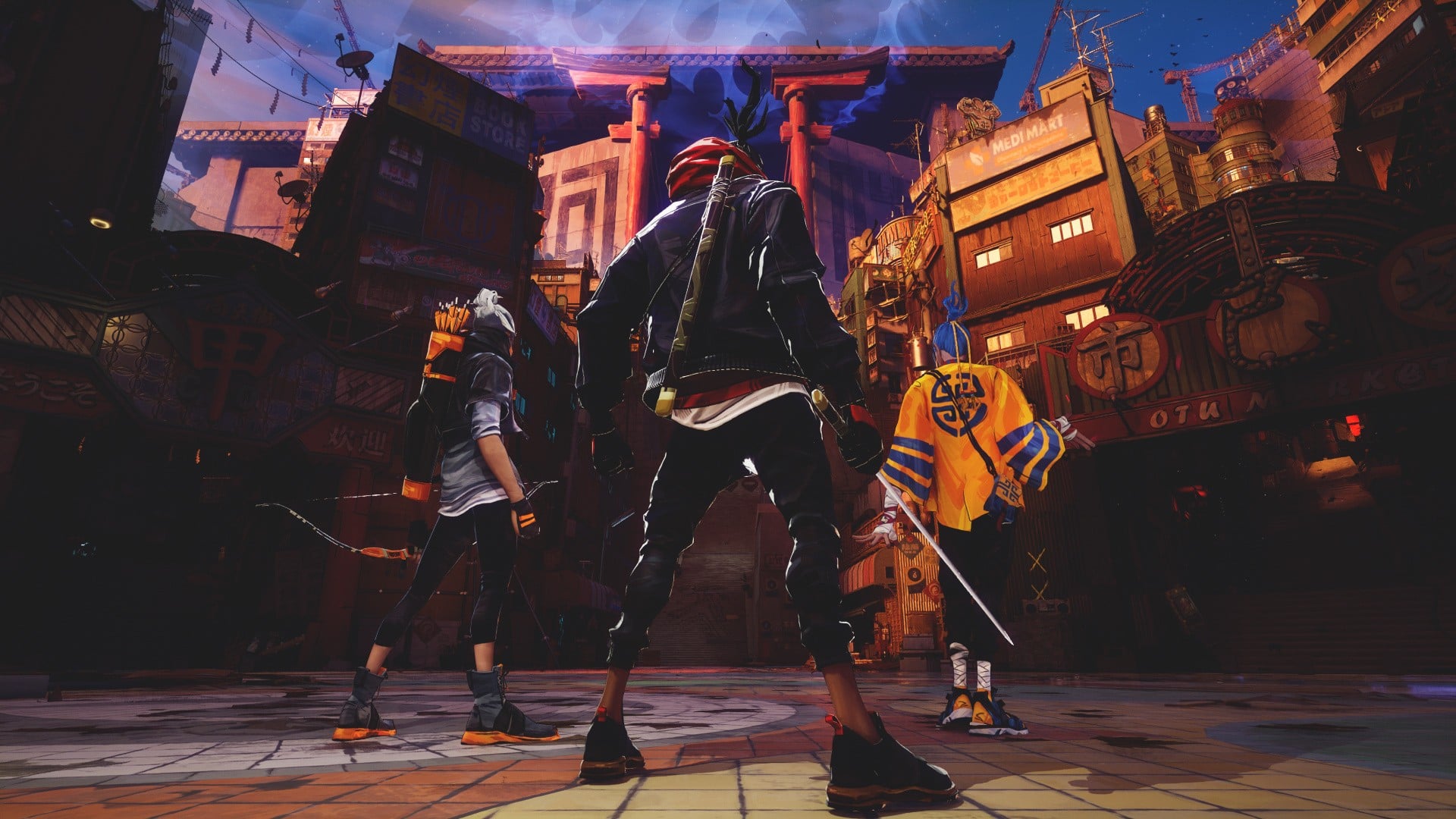
KEMURI represents UNSEEN’s inaugural major project. Described as a unique blend of supernatural action and urban exploration, the game casts players as "Yokai Hunters" who utilize a special power called "FOXWINDOW" to perceive hidden anomalies in Kemuri City. The core gameplay loop involves forming contracts with Yokai, equipping their powers as "Possession Apparel" to alter appearance, combat style, and movement capabilities. The game is designed for both solo play and online co-operative experiences with up to two friends, traversing a "chaotic vertical city where life and death, reality and the paranormal overlap." The premise itself suggests a game requiring meticulous design, robust engine performance, and polished gameplay mechanics – all elements that demand significant development resources.
The Technical Realities of Game Porting
The process of porting a video game from one platform to another is far more complex and resource-intensive than often perceived by the general public. While modern game engines like Unreal Engine and Unity offer cross-platform capabilities, adapting a game to a new console ecosystem requires specialized engineering expertise and substantial development time.
Key Challenges in Game Porting:
- API and SDK Differences: Each console platform (PlayStation, Xbox, Nintendo) uses its own set of Application Programming Interfaces (APIs) and Software Development Kits (SDKs). For instance, Xbox relies heavily on DirectX, while PlayStation uses its own proprietary APIs. Developers must rewrite or adapt significant portions of their rendering, input, and system-level code to interface correctly with these distinct environments.
- Hardware Optimization: Consoles have fixed hardware specifications, but these vary significantly. Optimizing a game to run smoothly and consistently on a new platform involves fine-tuning performance for different CPU, GPU, and memory architectures. This includes optimizing textures, models, shaders, physics, and AI routines to meet specific performance targets (e.g., stable frame rates, minimal loading times).
- Certification and Compliance: Every platform holder has stringent technical requirements and guidelines that games must adhere to before release. This "certification" process ensures stability, compatibility, and adherence to platform standards. Failing certification can lead to costly delays and rework.
- Quality Assurance (QA): Each new port requires a dedicated and exhaustive QA cycle to identify and fix bugs specific to that platform. This involves testing across various hardware revisions, region-specific settings, and online functionalities.
- Memory Management: Different consoles have varying amounts of available RAM and distinct memory management strategies. Developers must often re-architect how the game loads and unloads assets to fit within these constraints without compromising performance or visual fidelity.
- Controller and UI Adaptation: While seemingly minor, adapting user interfaces and control schemes to suit a new controller or platform’s unique interaction paradigms (e.g., Switch’s Joy-Cons vs. standard gamepad) can require significant design and implementation effort.
For a small studio like UNSEEN, which presumably operates with a lean team of engineers, allocating resources to manage these complex porting tasks for an additional platform like Xbox means diverting personnel from polishing the primary versions, developing future content, or even commencing work on subsequent projects. The opportunity cost is substantial.
Industry Context: Small Studios vs. AAA Development
Nakamura’s comparison between UNSEEN’s resource limitations and the "dedicated people" available at a big company highlights a critical distinction in the game development industry. Large AAA studios often have specialized "porting teams" or dedicated departments whose sole function is to adapt games for various platforms, sometimes even before the primary version is complete. These teams possess specific expertise in platform-specific optimization and certification processes, backed by vast financial resources and established pipelines.
Independent studios, by contrast, typically operate with multi-disciplinary engineers who handle a broader range of tasks. Forcing these engineers to juggle core development with the demanding requirements of an additional port can lead to "crunch" – periods of intense, prolonged overtime – which is notoriously detrimental to developer well-being, mental health, and the overall quality of the final product. Nakamura’s stated priority of "people’s lives" over an additional platform release underscores a growing industry awareness and concern about crunch culture.
Furthermore, strategic decisions about platform availability for indie games are often driven by anticipated market reach and return on investment. While Xbox maintains a significant global player base, industry data and developer perception sometimes suggest that PlayStation and PC platforms frequently represent larger initial install bases or stronger engagement for certain genres, especially for new IP from smaller studios. Nintendo, with its unique hardware and massive family-friendly market, also offers a distinct and often lucrative demographic. Prioritizing platforms that offer the best balance of market opportunity and manageable development effort is a pragmatic business decision for any small studio.
Social Media Discourse and Community Reactions
The debate surrounding KEMURI‘s platform strategy reflects broader tensions within the gaming community, particularly concerning platform exclusivity, developer choices, and the perceived value of different consoles.
Criticisms:

- Some Xbox enthusiasts expressed disappointment and a sense of being overlooked, questioning if the stated difficulties were genuine or masked a strategic preference.
- Arguments surfaced that modern development tools should make porting less arduous, suggesting the explanation was an "excuse."
- Concerns were raised about potentially setting a precedent where small studios might increasingly bypass Xbox, limiting choice for its player base.
Support and Empathy:
- Many developers and industry veterans chimed in, validating Nakamura’s claims about the realities of porting, especially for small teams.
- Players and advocates for developer well-being lauded Nakamura’s focus on her team’s health and work-life balance, seeing it as a positive stance against crunch culture.
- Discussions emerged about the "hidden costs" of multi-platform releases, beyond just engineering hours, including additional QA, marketing, and post-launch support across multiple storefronts.
This discourse highlights the delicate balance developers must strike between community expectations, business realities, and ethical development practices.
Xbox’s Evolving Strategy and "Project Helix"
Adding another layer to this discussion is the evolving strategy of Xbox itself. Microsoft has increasingly emphasized its PC gaming ecosystem and cross-platform compatibility. The upcoming next-generation Xbox console, internally codenamed "Project Helix," is reportedly designed with a strong focus on efficiency and affordability, and crucially, is expected to be capable of playing PC games natively or through enhanced compatibility features.
Given KEMURI‘s slated release in 2027, which aligns with or closely follows the anticipated launch window for Project Helix, there’s a strong possibility that Xbox players will indeed have a pathway to experience the game. If Project Helix truly enables seamless PC game playback, then KEMURI‘s PC version could effectively become accessible on an "Xbox" console, albeit not as a native, optimized port. This future-proof aspect might mitigate some of the current disappointment among the Xbox community, offering a silver lining to the initial platform omission.
This strategic shift by Microsoft could also reshape how small studios approach platform prioritization. If the barrier to entry for Xbox is significantly lowered by enhanced PC compatibility, it might reduce the perceived "exhaustion" associated with a dedicated Xbox port, potentially encouraging broader availability for future titles.
Broader Implications for Game Development
The KEMURI situation transcends a single game’s platform availability; it reflects several ongoing, critical conversations within the game development industry:
- Developer Well-being: Nakamura’s emphasis on "prioritizing people’s lives" contributes to the growing movement against unsustainable crunch practices. It sends a powerful message that developer health should not be sacrificed for commercial pressures.
- Strategic Platform Choices: For independent studios, every decision regarding resources and market reach is magnified. KEMURI‘s platform strategy underscores the necessity for pragmatic choices that align with a studio’s capabilities and long-term vision.
- The Future of Cross-Platform Gaming: The incident highlights the technical and human challenges inherent in true multi-platform development, even as industry trends push towards greater accessibility across devices. It also brings into focus how platform holders, like Xbox with Project Helix, are attempting to bridge these gaps.
Ultimately, while the initial announcement regarding KEMURI‘s Xbox absence stirred considerable debate, Ikumi Nakamura’s subsequent clarification provides a transparent look into the realities of modern game development for a small, ambitious studio. The decision, rooted in resource management and a commitment to developer well-being, while disappointing for some, is demonstrably logical within the complex ecosystem of game production. The hope remains that KEMURI‘s success on its initial platforms will eventually enable UNSEEN to revisit the possibility of a fully native Xbox version, further expanding its reach to all eager Yokai Hunters.
[source youtube.com, via powerupgaming.co.uk]