



The digital underworld of Welcome to the Game 3 presents players with a relentless gauntlet of cybernetic and physical threats, a stark reflection of the perilous nature of deep web exploration. This installment intensifies the stakes by introducing a cast of persistent killers, each with unique mechanics and terrifying consequences for player error. As competitors engage in increasingly aggressive tactics, survival hinges on understanding and counteracting these formidable adversaries. This comprehensive guide delves into the mechanics of each killer, offering strategic insights for players aiming to not just survive, but to ultimately turn the tide against their digital tormentors.
The game’s core loop revolves around navigating the treacherous landscape of the dark web, a digital frontier where information is currency and anonymity is a fragile shield. Players assume the role of an individual delving into this illicit network, ostensibly to gather information or fulfill illicit contracts, but quickly find themselves targeted by entities who operate within this shadowy realm. The introduction of persistent killers elevates the tension from mere digital evasion to a constant, life-or-death struggle. These are not fleeting encounters; these antagonists are woven into the fabric of the game’s progression, their presence a constant reminder of the inherent dangers of the environment.

Early Game Preparation: Laying the Foundation for Survival
Effective survival in Welcome to the Game 3 begins with meticulous preparation in the initial hours of gameplay. Killers commence their hunts from 9:30 PM in normal mode, making the period before this crucial for establishing a defensive and offensive posture. A key strategy involves leveraging VirtMesh for mining operations, generating the in-game currency necessary to acquire essential items from DarkDrop. These purchases are vital for setting up surveillance systems, a proactive measure against unseen threats.
Simultaneously, players are encouraged to complete requests on A.C.R.S. This platform serves a dual purpose: it generates revenue and reputation (Rep) through the gathering and sale of dark web videos, while also providing an avenue to block incoming hacking attempts. The ability to convert URLs into MP4s via ShadowFetch further empowers players to fulfill requests and gather valuable data. A crucial tactic involves pinging users on the channel before its periodic reset every half hour. This action effectively saves their requests, allowing players to revisit them later should they require specific video content for a contract. This strategic foresight is paramount, as the digital landscape is as dynamic as it is dangerous.
The Persistent Threats: A Deep Dive into WTTG3’s Killers
Welcome to the Game 3 features a roster of distinct antagonists, each requiring a tailored approach for mitigation and survival. Understanding their behaviors, triggers, and weaknesses is not merely advantageous; it is the difference between success and a swift, brutal end.
Bomb Maker: The Imminent Threat of Detonation
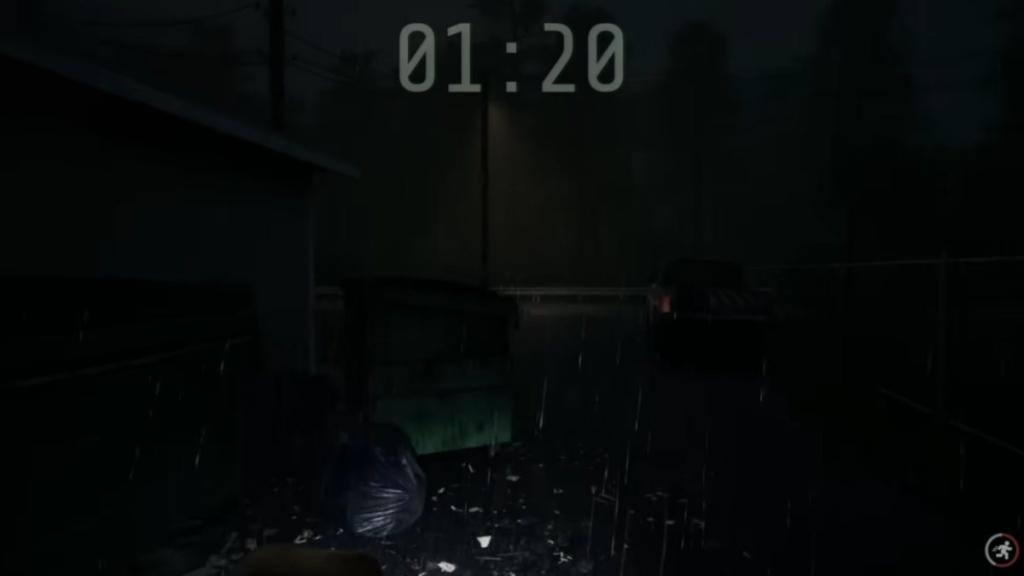
The Bomb Maker operates on a trigger mechanism similar to the Dollmaker from Welcome to the Game 2. This killer’s presence is not guaranteed in every playthrough, adding an element of unpredictability. If encountered, the Bomb Maker’s website must be visited. Upon interaction, a highly visible timer appears, signaling an imminent threat. The player must then immediately check CryptChat, as the Bomb Maker will have sent a personal message containing the disarm code. A narrow window of 90 seconds is provided to locate and defuse the bomb. Failure to do so results in immediate game over. The most effective countermeasure against the Bomb Maker is to simply avoid visiting their website altogether, a testament to the game’s emphasis on risk assessment and avoidance.
Breather: The Stalker of Dead Drop Locations
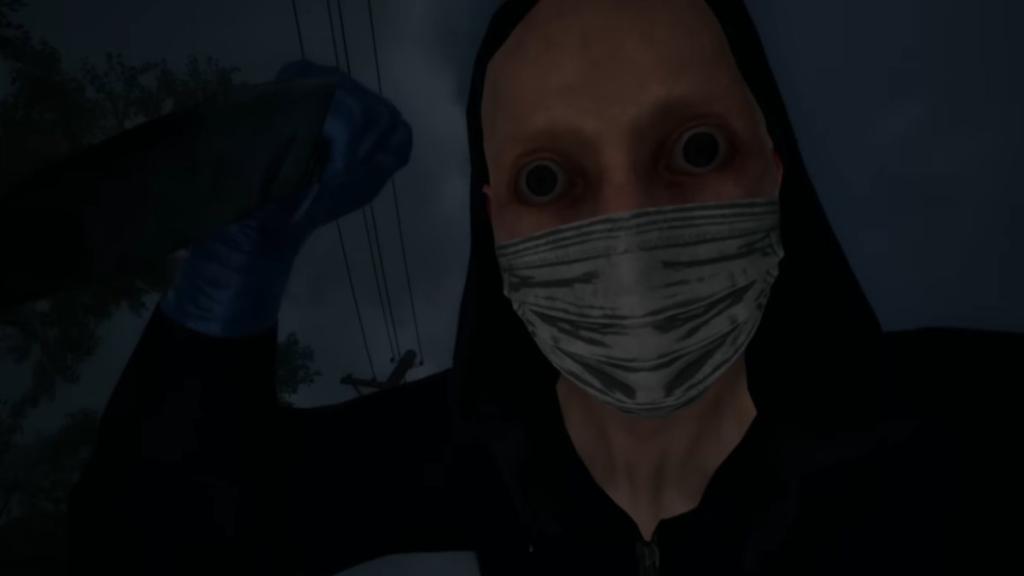
A recurring antagonist across the Welcome to the Game series and Dead Signal, the Breather exhibits a peculiar affinity for Amazon Prime drones. This killer’s appearance is directly linked to players interacting with dead drop locations, specifically the one situated beneath the illuminated bridge on the far left of the motel’s exterior. The Breather poses a significant threat if players deviate from the designated path while retrieving items from this location, leading to instant elimination. Upon collecting DarkDrop packages, a scripted event triggers the Breather’s appearance, initiating a chase sequence. Players are advised to ensure their stamina is at maximum capacity before retrieving packages. The Breather’s pursuit typically ceases once the player successfully returns to the motel’s parking lot, highlighting a localized safety zone.
Cletus: The Addicted Enforcer
Cletus introduces a unique and rather disturbing mechanic into the game. His aggression is directly tied to the player’s possession of his required supply: methamphetamine. To avoid his lethal intent, players must maintain a steady supply. Product can be acquired from motel rooms and the surrounding parking lot at the commencement of each run. When the player’s stock dwindles, the recourse is to find and contact dealers through A.C.R.S. This involves clicking on a dealer’s username to ascertain their Reputation level and then "PINGing" them to initiate contact. This interaction provides a Dealer ID, which can be entered into DAREdash to purchase crystal. It is crucial to note that Dealer IDs do not persist across save files. The game mechanics dictate that Cletus will seize all available meth if the player possesses more than one baggie, emphasizing the need to maintain a minimal, yet sufficient, supply. While Cletus will not kill a player who has his required dose, he will forcibly relocate them to a motel room if encountered outside.
Kidnapper: The Opportunistic Abductor
The Kidnapper presents the most straightforward, yet potentially disruptive, threat. Their primary tactic involves waiting in a white van within the motel’s parking lot. Players must exercise extreme caution and avoid venturing outside, via either the front or back entrance, when the van is present. Doing so invariably leads to abduction. The recommended strategy is to remain indoors until the van departs. The longer a player delays, the higher the probability of other killers, such as Noir, manifesting if multiple lights are deactivated as a countermeasure against Lucas.

Lucas: The Persistent Hitman
Lucas, a staple since Welcome to the Game 2, remains the game’s most consistent and formidable threat, a testament to his design by Reflect Studios. His modus operandi involves assassinating the player, Simon, primarily through the back entrances of the main building. While he can engage players outdoors, his preferred method of infiltration is via the rear of the structure, including the Electrical Room door, which can be unlocked. Players are strongly advised to keep all back doors secured from the outset of a run, only unlocking them when absolutely necessary for tasks like restoring internet or power.
A subtle audio cue signifies Lucas’s attempt to unlock a back door, providing a brief window to reach one of two designated hiding spots flanking the computer terminal: the lockers to the far right or the laundry basket on the far left. Upon entering a hiding spot, a mini-game commences, requiring the player to hold and release the spacebar to keep a reticle within a moving band. This gauge only depletes once Lucas has departed. The successful completion of this mini-game indicates safety. To mitigate Lucas’s threat, players should extinguish two to three lights at the beginning of each run and turn off the computer when Lucas is detected, as he will otherwise steal DOS coins.
The strategic deployment of motion sensors is paramount. These devices emit a beep and flash red on the computer taskbar when triggered, providing early warning. Positioning two sensors on the backside of the main building (ALLEY), away from direct outer doors, allows ample time for players to turn off lights and find a hiding spot.

Noir: The Shadowy Duo
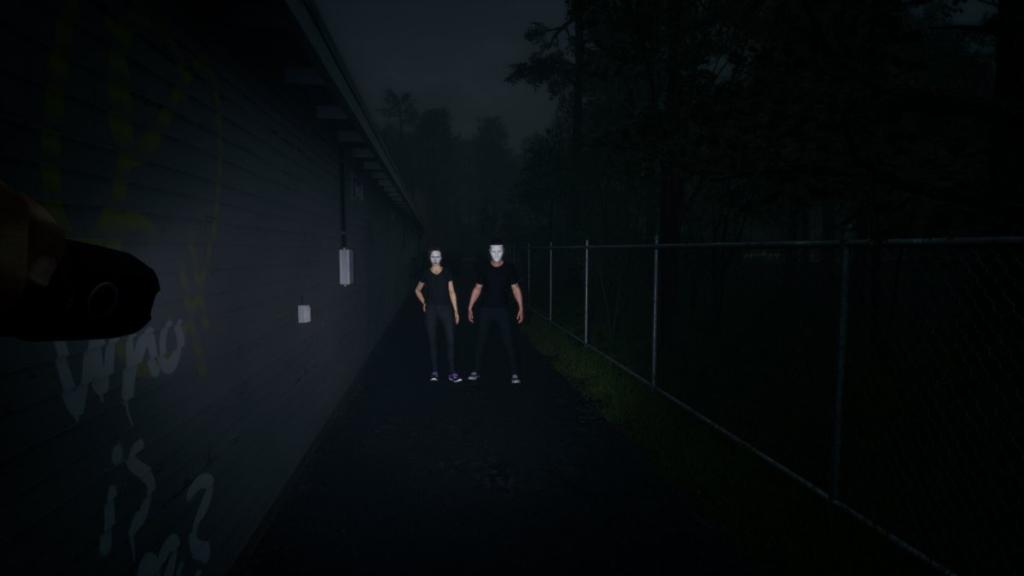
Noir, a duo of recurring killers from Reflect Studios’ previous titles, particularly Dead Signal, are often encountered when the lighting conditions are low. Keeping the lights off significantly increases their spawn rate, making power restoration a particularly perilous undertaking. When Noir appears outside, players must identify their positions. If the male figure is on the left, the player must shine a light and look away for five seconds; this duration increases to ten seconds if the female figure is on the left. Players should confirm their absence before moving.
Occasionally, one member of Noir may directly confront the player at the computer. In such instances, looking away for a few seconds until they whisper, signaling their departure, is the recommended course of action.
Tanner: The Desperate Antagonist
Transferred from Scrutinized, Tanner is portrayed as a desperate character whose attacks can occur both inside motel rooms and by breaching the counter in the main building. A panic button, located to the right of the computer, temporarily disables the automatic doors. Properly timed, this can cause Tanner to collide with the glass, foiling his attempt to inject the player with a lethal dose.
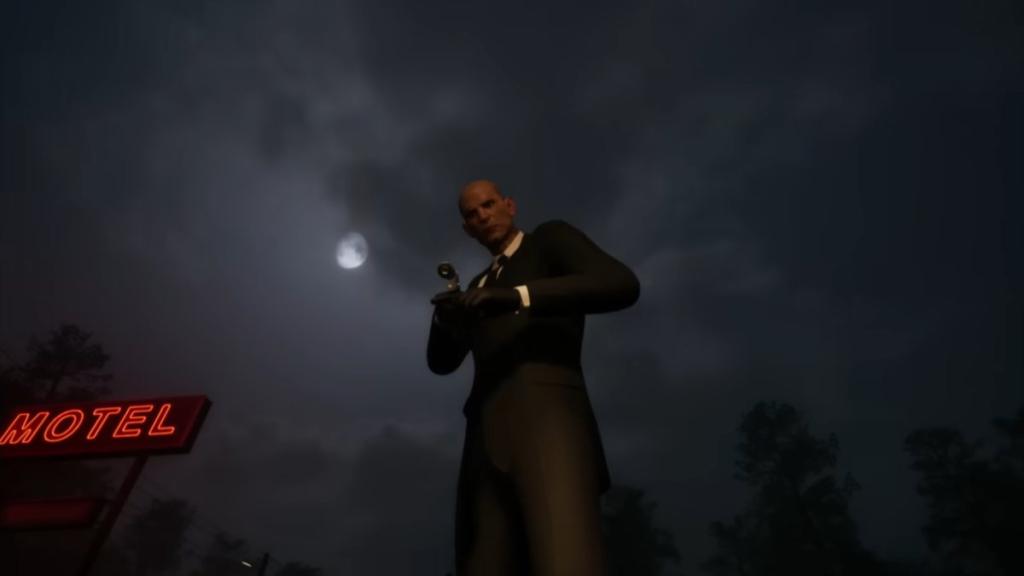
However, over-reliance on the panic button is ill-advised, as it can trigger network issues, forcing players to venture outside to rectify them. The installation of cameras can aid in spotting Tanner, though their deployment is time-consuming. Alternatively, motion sensors can be placed on the thin pillars at the edge of the motel parking lot, near the road. Activating the sensor icon on the taskbar reveals motion capture locations, allowing players to press the panic button if movement is detected in the FRONT_OUTER_LOT.
Similar to other external threats, players should lock motel doors after entering rooms. Utilizing the peephole to ascertain Tanner’s proximity is a crucial defensive measure. Spotting him confirms he is on a cooldown period, granting players a reprieve to focus on other threats.
Tucker: The Ambush Predator
Tucker’s primary attack vector targets players when they are outside attending to the internet router. The rustling of leaves serves as an auditory cue for his proximity. This typically occurs when the player is mid-animation, unplugging the router. The advised response is to remain stationary and listen for a second rustle, indicating he has moved on.
If music is heard playing from an external speaker, the situation escalates. In this scenario, players must immediately run into the parking lot and locate an Ace of Spades playing card on one of the motel doors. Entering the designated room and locking the door behind them is crucial. Players must then wait until a triumphant tune signals Tucker’s departure.
Broader Implications and the Future of Dark Web Simulation
The persistent killer mechanics in Welcome to the Game 3 represent a significant evolution in the simulation of high-stakes cyber-exploration. By introducing enduring threats with complex behavioral patterns, the game moves beyond simple jump scares and evasion to a more strategic and resource-management-driven experience. This design choice reflects a growing trend in the gaming industry towards creating more dynamic and reactive game worlds, where player actions have tangible and lasting consequences.

The success of Welcome to the Game 3 and its innovative approach to simulating the dangers of the dark web could inspire future game development. The concept of persistent, AI-driven antagonists that adapt to player strategies presents a fertile ground for innovation in the survival horror and simulation genres. As players continue to grapple with the intricate challenges presented by these digital predators, the game serves as a compelling, albeit fictional, case study in the multifaceted risks associated with venturing into the unseen corners of the internet. The ongoing development and player engagement with these mechanics suggest a sustained interest in exploring the psychological and strategic complexities of surviving in hostile digital environments.