


The inaugural $300,000 Marvel Rivals Creator World Championship, a highly anticipated esports event that brought together prominent streamers and content creators from across the globe, concluded last weekend with an unexpected and contentious outcome for Team Canada. The tournament, held from June 26-29, saw 12 elite teams vying for a substantial prize pool, but it was Team Canada’s ninth to twelfth place finish, and the subsequent fallout, that dominated post-event discussions. The team, comprising well-known personalities such as xQc, aramori, Dokibird, Fanfan, Surefour, and Warn, ultimately took home a share of $12,000, a stark contrast to the $75,000 claimed by the victorious Team AMER United. However, the team’s performance and internal dynamics have been overshadowed by accusations and counter-accusations regarding strategic decisions, most notably concerning hero selections.
The tournament itself represented a significant investment by Marvel and NetEase Games in the burgeoning competitive scene of their new hero shooter. The Creator World Championship was designed to leverage the massive followings of popular streamers to generate buzz and engagement for Marvel Rivals, positioning it as a potential major player in the esports landscape. The $300,000 prize pool underscored the ambition of the event, attracting a diverse range of talent, from seasoned esports veterans to rising streaming stars. The format featured a round-robin group stage followed by a playoff bracket, culminating in a grand final. Team Canada, despite its roster of popular figures, struggled to find its footing, a performance that ignited internal discord once the competitive matches concluded.
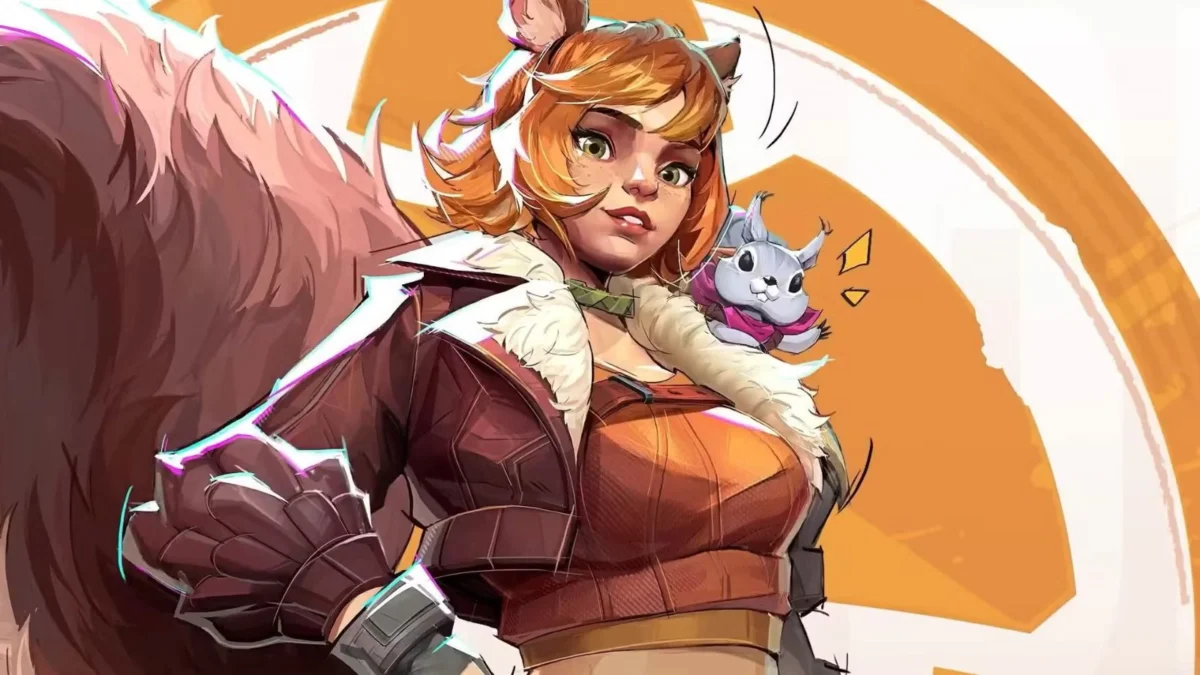
The core of the controversy appears to stem from comments made by Twitch streamer Warn, who was a member of Team Canada. In the aftermath of the tournament, clips began circulating that appeared to capture Warn attributing the team’s losses to specific teammates, namely FanFan, Dokibird, and aramori, while seemingly crediting their earlier victories solely to himself and xQc. This narrative quickly ignited a firestorm on social media platforms, with many interpreting his remarks as a public blaming of his female teammates. Warn later clarified his position, asserting that the clip was taken out of context and that his comments were unrelated to the gender of his teammates. He emphasized that his invitation to the tournament had been extended with very short notice, allowing him only a few days to prepare. During this limited preparation window, Warn stated he focused on mastering his preferred characters, Squirrel Girl and Namor, characters that subsequently became a focal point of the team’s strategic disagreements.
The narrative that Warn was unfairly singling out his teammates was quickly challenged by other members of Team Canada. Aramori, who served as the team’s captain, directly refuted Warn’s portrayal of events. In a series of posts on X (formerly Twitter), she expressed her frustration with Warn’s apparent victim narrative, stating, "I don’t want to sit here and let Warn act like ‘woe is me she was so mean.’" Aramori then explicitly addressed the issue of hero selection, particularly Warn’s repeated use of Squirrel Girl, which she implied was a detrimental strategic choice. "My bad, next time I’ll tell you it’s not your fault for picking Squirrel Girl over and over," she wrote, indicating a persistent disagreement over character composition and adaptability.
This exchange quickly drew parallels to a previous incident in the Marvel Rivals creator scene. Aramori invoked the "Zazzastack incident," which occurred earlier in the year during a $40,000 creator tournament. In that situation, a player, Kingsman265, reportedly refused to switch off the hero Black Widow, a decision that negatively impacted their team’s momentum and ultimately contributed to their loss. Aramori’s reference was pointed: she highlighted the significant disparity in community backlash between the Zazzastack incident and the current situation involving Warn. She posted, "I GOT ZAZZA’D IN A TOURNAMENT 10X THE PRIZE POOL AS BASIM," and "KINGSMAN WAS SO MUCH MEANER AND GOT A BAJILLION FOLLOWERS." Her intention was to underscore that the community’s reaction to Kingsman’s perceived inflexibility was far more severe than the response to Warn’s alleged similar behavior, suggesting a potential double standard in how such issues are perceived and addressed within the Marvel Rivals community. The Zazzastack incident, due to its public nature and the stakes involved, had set a precedent for how such strategic disputes would be viewed, and Aramori was leveraging this to contextualize her own frustrations.
Warn, however, continued to push back against the idea that his hero choices were the sole or primary reason for Team Canada’s underperformance. He argued that the team’s loss was a collective failure, not attributable to a single player’s decisions. To support his stance, data was presented by various community members tracking the team’s performance statistics. These records indicated that other players also had statistically challenging performances. For instance, xQc reportedly had a 2-6 win-loss record as a tank player, while aramori went 3-5 on her chosen role, FanFan had a 1-4 record, and Dokibird finished 2-4. This statistical overview aimed to demonstrate that multiple factors, including individual performance across the team, contributed to their low ranking, rather than solely focusing on Warn’s hero picks.
The Marvel Rivals creator circuit has, in its short existence, become a breeding ground for such interpersonal and strategic dramas. The high stakes of creator tournaments, combined with the inherent pressures of live streaming and public scrutiny, often amplify minor disagreements into major controversies. The Zazzastack incident serves as a prime example, where a player’s stubbornness on hero selection led to significant online backlash and a temporary professional setback. In that instance, Kingsman265’s refusal to swap heroes reportedly caused a cascade of negative outcomes for his team, leading to his removal from the event and widespread condemnation. The subsequent events surrounding Kingsman, including his ability to generate significant income on Twitch following the controversy, added another layer of complexity to the narrative, demonstrating how even negative publicity can sometimes be leveraged for personal gain within the streaming ecosystem. The ongoing discussion around these incidents highlights the unique challenges of managing competitive integrity and interpersonal dynamics within a scene heavily reliant on individual personalities and their online personas.
The implications of the Team Canada controversy extend beyond the immediate tournament results. For Marvel Rivals, such public discord among prominent creators can be a double-edged sword. While it undeniably generates significant discussion and keeps the game in the public eye, it also risks alienating potential new players or viewers if the community discourse is perceived as overly toxic or unprofessional. The game’s developers, NetEase Games, face the challenge of fostering a competitive environment that encourages skillful play and strategic depth while also managing the personalities and expectations of its high-profile ambassadors. The success of Marvel Rivals as a competitive title will likely hinge not only on its gameplay mechanics and balance but also on its ability to cultivate a healthy and engaging community, both among professional players and the broader streamer base. The ongoing debates about hero swaps, team synergy, and public accountability within the creator scene will undoubtedly continue to shape the narrative surrounding the game. As more creator-focused events are planned, the lessons learned from Team Canada’s experience and previous controversies will likely inform strategies for team composition, communication, and conflict resolution, aiming for a more stable and positive competitive ecosystem. The resolution of such disputes, whether through clear in-game policies, community guidelines, or simply the evolution of player behavior, will be crucial for the long-term viability of Marvel Rivals as a prominent esport.