


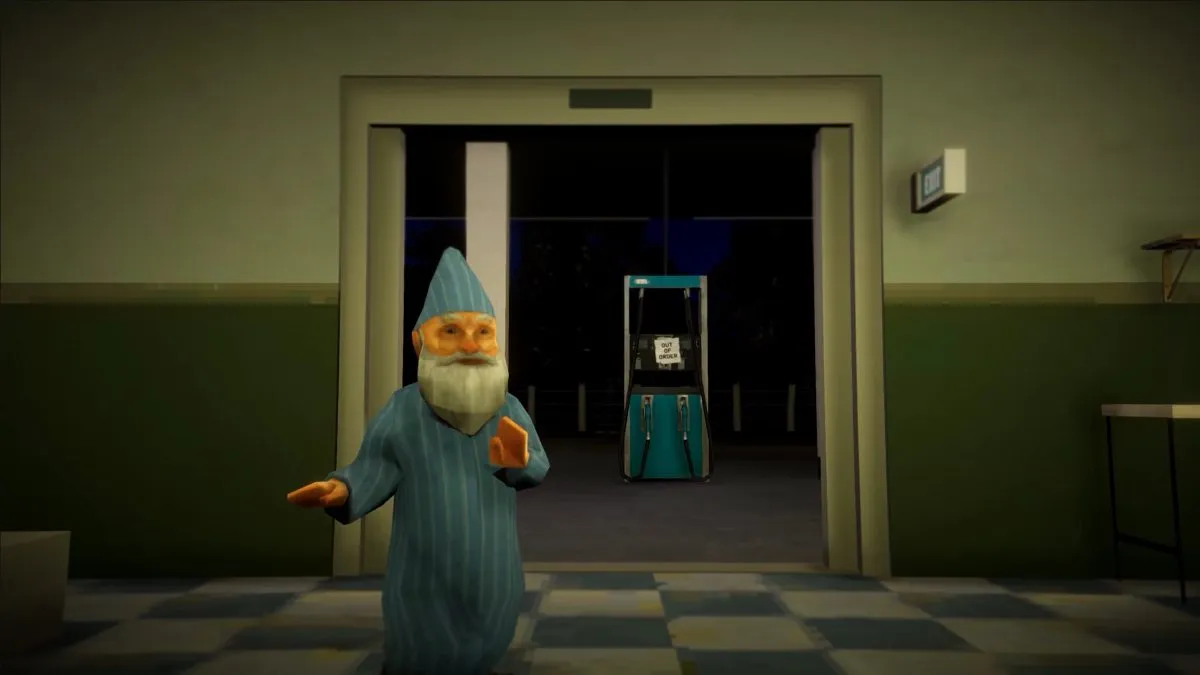
The neon glow of the late-night convenience store casts long shadows as players step into the surreal reality of Shift at Midnight. This unique simulation plunges individuals into a world where the mundane task of stocking shelves is overshadowed by existential threats: fighting doppelgangers, fending off grotesque entities, and meticulously maintaining the store’s pristine condition. All these harrowing experiences are in service of a singular, surprisingly relatable goal: securing the necessary funds for their beloved pet’s critical medical treatment. While the presence of fake humans, monstrous invaders, and a combat arsenal featuring bear traps, wooden planks, and grenades might seem like the peak of absurdity, the game’s developers have injected a layer of financial realism that, ironically, becomes the most challenging and "unrealistic" aspect of the gameplay. This guide delves into the intricate mechanics of Shift at Midnight, focusing on the various endings and the financial strategies required to achieve them.
The overarching narrative of Shift at Midnight unfolds over thirteen intense night shifts. Players are thrust into a nocturnal retail environment, a setting not entirely dissimilar to the often-grueling experience of four years in the service industry, as one former retail worker aptly put it. The core gameplay loop involves managing the store’s inventory, cleaning spills, deterring intruders, and serving a clientele that can range from oblivious shoppers to otherworldly horrors. However, the true driving force behind the player’s actions is the mounting medical debt for their ailing pet. This financial pressure serves as the primary catalyst for progression and directly influences the game’s multiple endings.
Understanding the Economic Engine: Wages, Quotas, and Personal Funds
At the heart of Shift at Midnight‘s economic system is a straightforward daily wage. Players can expect to earn a consistent $10 for successfully completing each shift. This base income is supplemented by a performance-based bonus: a 10 percent cut of the store’s revenue if the player manages to surpass the daily sales quota. This dual income stream is crucial, as it forms the player’s personal funds – the money that must be painstakingly accumulated to cover the escalating veterinary bills.
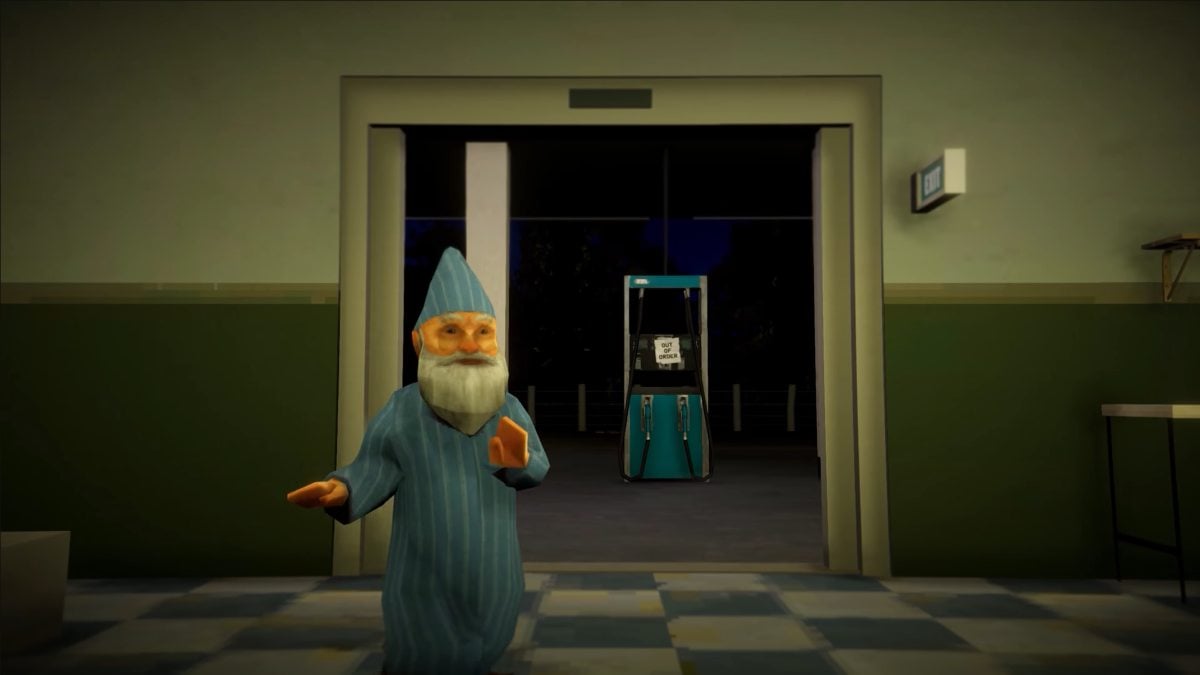
The game introduces a critical plot point after the tenth shift: a stark warning about impending surgery for the pet, scheduled for night thirteen. This looming financial deadline creates a palpable sense of urgency, forcing players to balance their efforts between combatting supernatural threats and maximizing their earnings. The store’s revenue, while vital for purchasing upgrades and essential tools or weapons to survive the night, operates separately from the player’s personal funds. This distinction is key, as players cannot simply divert store profits to cover their pet’s medical expenses.
The Dilemma of Pet Care: Short-Term Relief vs. Long-Term Goal
A unique mechanic within Shift at Midnight allows players to use their accumulated funds to pay for their pet’s ongoing medicine. Successfully treating the pet’s immediate ailments has a significant gameplay advantage: the pet can accompany the player on subsequent shifts, providing invaluable assistance, particularly for solo players who might find themselves overwhelmed. This offers a tangible benefit and a sense of immediate reward for investing in the pet’s well-being.
However, this seemingly benevolent option presents a significant strategic quandary. While paying for medicine ensures the pet’s continued presence and aid, it also depletes the player’s personal funds. This can create a critical shortfall when the ultimate goal – the substantial cost of the pet’s surgery on night thirteen – becomes an unavoidable reality. Players must therefore exercise careful financial planning, weighing the immediate benefits of keeping their pet healthy and active against the paramount need to save for the life-saving procedure. The game’s design expertly forces players into this difficult trade-off, mirroring real-world financial anxieties.
The Path to Resolution: Deciphering the Endings of Shift at Midnight
The game’s narrative culminates in a series of distinct endings, each determined by a pivotal decision made in the endgame and the player’s financial success in accumulating the required funds. The target sum for the pet’s surgery is set at $250, a significant amount given the daily wages and the need to balance this with operational expenses and personal survival.
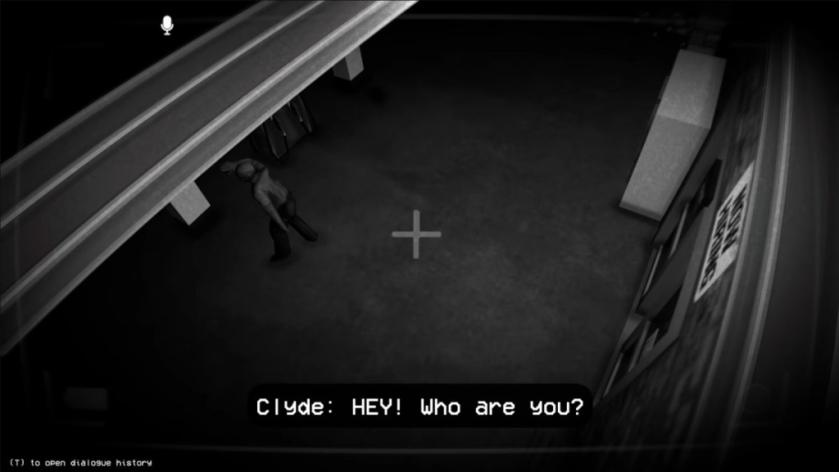
The "Grave Decision" Ending: A Sheriff’s Sacrifice
On the twelfth night, after completing the shift, players are presented with a critical choice: to call Sheriff Clyde. This option becomes available when players realize they are unlikely to amass the $250 needed for the surgery. Opting to contact Sheriff Clyde initiates a chain of events where he bravely intervenes. The game portrays his arrival as a perilous undertaking, and the narrative confirms that he ultimately sacrifices his own life in the process of ensuring the pet’s survival. The surgery is covered, and the pet is saved, but at the profound cost of the Sheriff’s life. This ending highlights the game’s bleak tone and the extreme measures sometimes required in desperate situations. The implication is that the community, represented by Sheriff Clyde, is willing to bear a heavy burden to protect its vulnerable members, even if it means facing insurmountable odds.
The "Empty Home" Ending: A Solitary Survival
The "Empty Home" ending is achieved by making a different set of choices. In this scenario, the player chooses not to call Sheriff Clyde on the twelfth night. Concurrently, they fail to accumulate the necessary $250 for the pet’s surgery. The absence of Clyde’s intervention means he remains safe, not being put in harm’s way during the final, perilous shift. However, the critical failure to fund the surgery leads to the pet’s demise. This ending underscores the direct consequence of financial mismanagement and the irreversible nature of certain losses. The player survives, but the core motivation for their struggle is lost, leaving them with a profound sense of emptiness and regret. The game developers have seemingly used this ending to emphasize the gravity of the pet’s condition and the ultimate stakes involved.
The "True Ending": A Harmonious Resolution
The "True Ending" represents the most successful outcome in Shift at Midnight, requiring a combination of careful planning, strategic decision-making, and diligent gameplay. To achieve this, players must refrain from calling Sheriff Clyde on the twelfth night, thereby ensuring his safety. The primary focus then shifts entirely to financial accumulation.
The path to the "True Ending" mirrors the gameplay loop of other successful retail simulations, albeit with a supernatural twist. Players must excel at their core duties: meticulously cleaning the store to maintain a welcoming atmosphere, diligently restocking shelves to meet customer demand, and even engaging in shop floor decorations to enhance the overall customer experience. Furthermore, players are encouraged to actively pursue and complete tasks set by the Store Manager. These can include challenging objectives such as apprehending shoplifters, a task that likely involves employing the game’s arsenal of non-lethal and potentially lethal deterrents, or venturing into more dangerous areas like cleaning the "forest out back," suggesting an expansion of the game’s hostile environment. Successfully completing these managerial requests yields valuable bonuses, further accelerating financial growth.
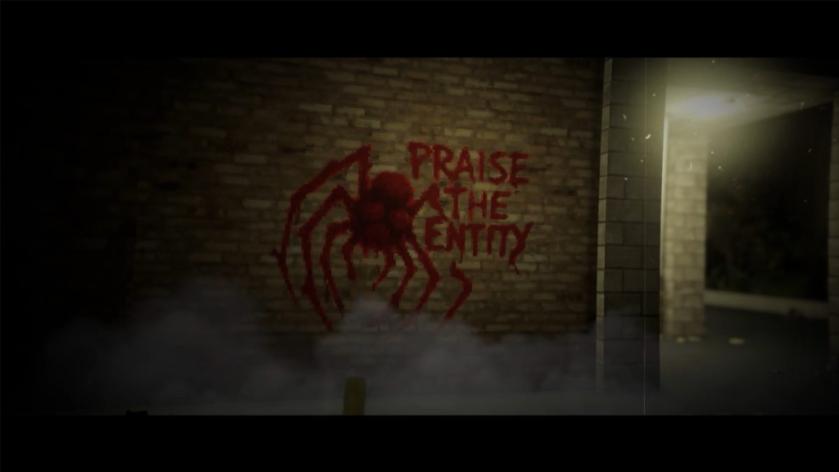
The crucial financial benchmark remains the accumulation of $250 by the thirteenth night. This ensures that the pet’s surgery can be paid for in full. The game emphasizes the importance of avoiding unnecessary actions that could jeopardize earnings. For instance, shooting humans is explicitly penalized, resulting in a deduction from the player’s pay at the end of the shift. This mechanic reinforces the game’s focus on economic prudence and strategic engagement, rather than gratuitous violence. The developers appear to have integrated this penalty to encourage players to think critically about their actions and their impact on their financial goals, much like in a real-world job where unprofessional conduct can lead to disciplinary action.
The ultimate success of this strategy is twofold: both Sheriff Clyde and the player’s pet survive. This harmonious outcome is presented as the most desirable and rewarding ending, representing the culmination of the player’s efforts to navigate a perilous environment and overcome significant financial obstacles.
A critical point of caution for players aiming for the "True Ending" is to avoid accidentally harming Sheriff Clyde during his visit. If the Sheriff is incapacitated or killed, the option to call him on the final day will be unavailable, effectively locking the player out of the pathways leading to the best endings. This highlights the delicate balance the player must maintain and the importance of situational awareness even during moments of supposed respite. The game designers have clearly woven a narrative where every decision, from financial management to interpersonal interactions, carries significant weight and can irrevocably alter the outcome.
The narrative of Shift at Midnight offers a compelling blend of horror, simulation, and surprisingly grounded economic simulation. By forcing players to confront grotesque entities and existential threats, all while wrestling with the very real pressure of accumulating funds for a beloved pet’s medical care, the game provides a unique and memorable experience. The multi-faceted ending system not only rewards strategic gameplay but also encourages players to reflect on the difficult choices that arise when faced with life-or-death situations and significant financial burdens. The game’s core message seems to be that even in the face of the most surreal and terrifying circumstances, the most human and relatable struggles—love, loyalty, and financial stability—can persist and ultimately define our paths.