


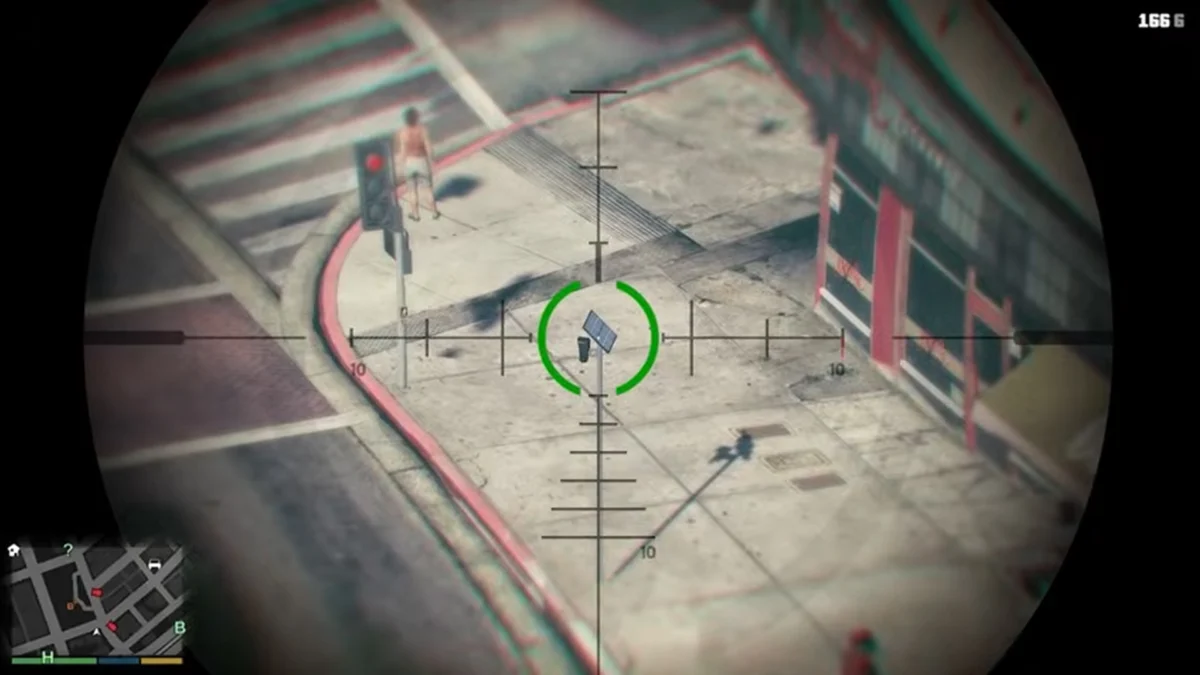
A new custom modification for the popular video game Grand Theft Auto V (GTA V) is drawing significant attention for its pointed social commentary, integrating a digital replica of Flock Safety automated license plate reader (ALPR) cameras into the game’s fictional city of Los Santos. Dubbed "Grand Theft Automated License Plate Reader," the mod allows players to experience, and subsequently combat, a pervasive surveillance network mirroring the real-world proliferation of Flock cameras across the United States. This development underscores the growing public debate surrounding privacy, civil liberties, and the rapid expansion of surveillance technologies in modern society.
The Rise of Digital Resistance: A GTA V Mod Challenges Surveillance
The "Grand Theft Automated License Plate Reader" mod, created by Morry Kolman, injects 235 meticulously custom-built 3D models of Flock cameras into the sprawling urban landscape of Los Santos, the game’s rendition of Los Angeles. These virtual devices function much like their real-world counterparts, capturing images of player vehicles and tracking movements. In a significant layer of realism and critique, the in-game cameras are programmed to report player transgressions – such as speeding or pedestrian collisions – to the virtual police force. Furthermore, echoing real-world criticisms of ALPR technology, the mod incorporates a feature where cameras can occasionally file "false reports," triggering unprovoked police pursuits, thereby increasing the game’s difficulty and highlighting a critical flaw attributed to actual surveillance systems.
Players are not merely passive subjects within this digital surveillance state. True to the anarchic spirit of Grand Theft Auto, the mod empowers them to actively dismantle the network. Equipped with various in-game weapons, from firearms to rocket launchers, players can destroy the virtual Flock cameras. Each successful act of "deflocking" yields an in-game reward of $600, a sum calculated by the mod’s creator based on the estimated value of the internal components of a real Flock camera, as determined by a teardown conducted by Eyes Off Cedar Rapids, a privacy advocacy group. An integrated timer also allows players to track their efficiency in destroying the cameras, fostering a competitive element around digital resistance. The mod’s creator, Kolman, emphasized that the objective was to immerse players in "seemingly inescapable surveillance," thereby making the pervasive nature of these systems tangible.
Real-World Context: The Proliferation and Controversy of Flock Safety Cameras
The emergence of the "Grand Theft Automated License Plate Reader" mod comes against a backdrop of intensifying national debate regarding Flock Safety’s ALPR technology. Flock Safety, a private company, markets its cameras primarily to law enforcement agencies and homeowners’ associations, promising enhanced public safety through crime deterrence and rapid identification of vehicles involved in criminal activity. These cameras are designed to capture high-resolution images of license plates, which are then analyzed using artificial intelligence to extract plate numbers, vehicle make, model, and color. This data is stored in a vast database, often accessible to hundreds or even thousands of law enforcement agencies across the country.

The deployment of Flock cameras has expanded rapidly across the United States. As of late 2023, it was estimated that Flock Safety had contracts with over 3,000 cities and communities in more than 40 states, with tens of thousands of cameras actively collecting data. The company often highlights its role in assisting police in recovering stolen vehicles, locating missing persons, and solving serious crimes. For example, Flock Safety reports that its cameras assist in identifying approximately 200 stolen vehicles daily nationwide. Proponents argue that ALPR technology is a crucial tool in modern policing, offering an objective and efficient method of tracking vehicles of interest, thereby enhancing community safety.
However, this rapid expansion has been met with significant and organized opposition from civil liberties advocates, privacy organizations, and concerned citizens. The core criticisms revolve around several key areas:
- Pervasive Surveillance: Critics argue that the sheer volume of cameras creates a ubiquitous surveillance network, effectively tracking the movements of innocent individuals who are not suspected of any crime. This raises fundamental questions about the right to privacy and freedom of movement in a democratic society. Data retention policies, which often allow data to be stored for 30 days or more, are a particular point of contention, as they enable retrospective tracking.
- Inaccuracy and False Positives: Reports have surfaced detailing instances where Flock cameras have misidentified license plates or misread vehicle characteristics, leading to false alerts and potentially unwarranted police stops. For instance, a CNET investigation highlighted that Flock’s AI cameras may have misread over 70% of license plates in some scenarios, creating new headaches for cities and law enforcement. Such inaccuracies can have serious consequences, particularly for individuals who may be wrongly identified or subjected to police scrutiny.
- Potential for Abuse: Concerns exist regarding the potential for misuse of ALPR data by authorities. This includes the possibility of tracking individuals for reasons unrelated to serious crime, such as political activism, immigration enforcement, or even personal vendettas. While Flock Safety has implemented some safeguards, such as auditing user access, critics argue these are insufficient to prevent all forms of abuse. The company’s data-sharing agreements with various law enforcement agencies also raise questions about oversight and accountability.
- Lack of Transparency and Public Input: Many communities have seen Flock cameras installed without adequate public discussion, debate, or formal legislative approval. This perceived lack of transparency and citizen involvement has fueled distrust and resentment, leading to calls for moratoriums or outright bans on the technology.
The "Deflock" Movement: A Growing Counter-Narrative
In response to these concerns, a grassroots movement to "deflock" cities has gained momentum. This movement encompasses a range of actions, from official municipal contract cancellations – often spurred by public outcry and privacy advocacy – to more direct forms of protest. Examples include activists covering cameras with trash bags to obstruct their view, and various acts of physical vandalism, which, while illegal, underscore the depth of public frustration in some areas. Organizations like the Electronic Frontier Foundation (EFF) and the American Civil Liberties Union (ACLU) have been vocal in their opposition, advocating for stronger privacy protections and greater transparency around ALPR deployment. They often point to the lack of clear legal frameworks governing the collection, storage, and sharing of this sensitive location data.
The "Grand Theft Automated License Plate Reader" mod, in this context, can be seen as a virtual extension of the "deflock" movement, translating real-world grievances into an interactive digital experience. By allowing players to physically destroy the virtual cameras, the mod provides an outlet for the "unfulfilled vigilantism" that may stem from feelings of powerlessness against pervasive surveillance.
Gaming as Social Commentary: GTA V’s Enduring Legacy
Grand Theft Auto V has a well-established history of incorporating sharp social commentary into its gameplay and narrative. The fictional world of Los Santos and Blaine County serves as a satirical mirror to contemporary American society, critiquing everything from consumerism and celebrity culture to political corruption and the pervasive influence of technology. Characters like Trevor Philips, embodying extreme gamer behavior and societal alienation, and Jimmy De Santa, representing generational ennui, are examples of Rockstar Games’ nuanced approach to social critique.

The "Grand Theft Automated License Plate Reader" mod builds upon this legacy, directly engaging with a highly contentious issue in modern society. It transforms the abstract concept of surveillance into a tangible, interactive threat within the game world. Morry Kolman’s design choice to include false reports and inescapable tracking is a deliberate artistic statement, aiming to make players feel the same frustration and vulnerability that real citizens might experience. As Kolman notes on the mod’s download page, the "1 in 20 chance that the ALPR will trigger a police chase without any cause" after passing a camera’s field of view is a direct representation of Flock’s own history of inaccurate reporting.
Implications: Bridging Virtual Experience and Real-World Awareness
The mod serves as more than just an entertaining addition to GTA V; it functions as a powerful tool for raising awareness and fostering critical thinking about real-world privacy challenges. By experiencing the oppressive nature of ubiquitous surveillance in a fictional setting, players may develop a heightened understanding of the implications of such systems in their own communities. The game’s inherent ability to create immersive scenarios makes it an effective platform for exploring complex societal issues.
The contrast between the virtual Los Santos, with its 235 simulated Flock cameras, and the real Los Angeles County, which hosts significantly more (estimated to be well over 2,000, not solely Flock but including other ALPR systems), serves as a stark "reality check." If the virtual experience of being constantly tracked feels like an "oppressive nightmare" in a game, the reality of living under even greater surveillance can be profoundly unsettling. This experiential learning can potentially galvanize individuals to engage in real-world discussions and advocacy regarding privacy rights and the responsible deployment of technology.
The mod’s reception within the gaming community has largely been positive, with players appreciating its ingenuity and its role as a form of digital activism. It highlights how video games, often dismissed as mere entertainment, can evolve into platforms for meaningful social and political commentary, allowing players to engage with pressing issues in a unique and interactive manner. This trend reflects a broader cultural shift where digital spaces are increasingly becoming arenas for expressing dissent and advocating for change.
In conclusion, the "Grand Theft Automated License Plate Reader" mod for GTA V represents a fascinating intersection of gaming, technology, and social activism. By simulating the controversial presence of Flock Safety ALPR cameras and allowing players to resist this surveillance, the mod not only enriches the gameplay experience but also serves as a potent commentary on real-world privacy concerns. It underscores the ongoing tension between public safety initiatives and individual civil liberties, inviting players to confront, albeit virtually, the implications of living in an increasingly monitored society. As debates around ALPR technology continue to unfold, this digital protest offers a unique perspective and a call to greater awareness in the age of pervasive surveillance.