


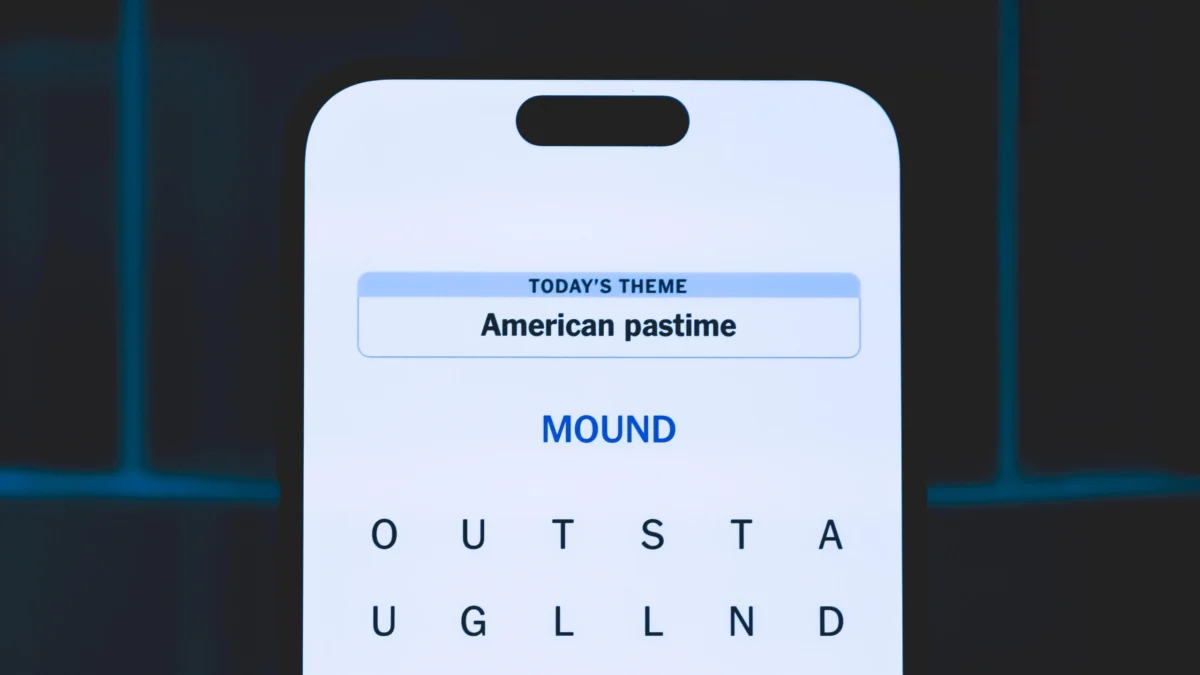
The New York Times’ increasingly popular word puzzle, Strands, once again captivated players on September 11, 2026, with a cleverly crafted theme of "Harbor View" and a challenging spangram, "ONTHEWATERFRONT." This particular puzzle, like many before it, tested players’ lexical agility and their ability to discern subtle connections within a seemingly random grid of letters, reinforcing Strands’ position as a staple in the daily routine of word game enthusiasts. The solution, revealing a tapestry of maritime-related terms, offered both a satisfying conclusion for those who cracked it and a learning opportunity for others.
The Enduring Appeal of NYT Strands: A Brief Overview
Strands emerged as the latest addition to The New York Times’ burgeoning suite of daily games, which includes established titans like Wordle, Connections, and The Mini Crossword. Launched to widespread anticipation, Strands quickly carved out its niche by offering a unique blend of word search and thematic deduction. Unlike traditional word searches that often present disparate words, Strands challenges players to uncover a set of words that are all intricately linked by a specific, often evocative, theme. The ultimate goal is to find all theme words, including a special "spangram" – a word or phrase that spans the entire width or height of the 6×8 letter grid and encapsulates the overarching theme. Every letter on the board must be used, ensuring no stragglers are left behind.
The game’s mechanics are straightforward yet profound. Players swipe across adjacent letters in any direction – horizontally, vertically, or diagonally – to form words. The puzzle provides a lifeline: by identifying three non-theme words of four letters or more, players can unlock a hint, which reveals one of the theme words. This strategic element adds a layer of depth, forcing players to weigh the benefit of a hint against the satisfaction of a completely self-solved grid. Strands is not merely a test of vocabulary but a nuanced exercise in pattern recognition, semantic association, and lateral thinking, making it a compelling daily mental workout for millions.
Deconstructing the "Harbor View" Theme

The theme for the September 11, 2026, Strands puzzle, "Harbor View," immediately conjures images of bustling ports, tranquil marinas, and the dynamic interplay between land and sea. Such a theme allows for a rich vocabulary, ranging from nautical terminology to elements commonly found in a waterfront setting. For players, the initial challenge lies in interpreting the theme broadly enough to encompass various related concepts, yet narrowly enough to avoid irrelevant words.
A "Harbor View" theme could logically include words pertaining to:
- Vessels: SHIPS, BOATS, YACHTS, FERRIES, DOCKS
- Structures: PIER, JETTY, LIGHTHOUSE, WHARF, MARINA
- Activities/People: SAILOR, FISHING, ANCHOR, CRUISE, BERTH
- Natural Elements: WAVES, TIDE, SEAGULLS, OCEAN, BAY
- Equipment: ROPE, BUOY, MAST, RUDDER
The beauty of Strands’ thematic design is its ability to evoke a scene or concept, prompting players to dive into a specific semantic field. The designers at The New York Times Games are known for their ability to select themes that are both accessible and capable of yielding a diverse array of hidden words, often with a few surprising or less common inclusions that push players’ knowledge.
The Spangram Revealed: "ONTHEWATERFRONT"
The centerpiece of the September 11, 2026, puzzle was its spangram: "ONTHEWATERFRONT." This phrase perfectly encapsulated the "Harbor View" theme, extending from one side of the 6×8 grid to the other. Its discovery often represents the turning point for many players, as it not only confirms the core essence of the puzzle but also reveals a significant portion of the letter grid, making the remaining theme words easier to spot.
The choice of "ONTHEWATERFRONT" as a spangram is particularly noteworthy for its dual significance. Beyond its literal meaning of being situated by the water, it also famously refers to the iconic 1954 American crime drama film starring Marlon Brando. This clever double entendre is a hallmark of well-designed Strands puzzles, where spangrams often carry cultural weight or provide a deeper layer of thematic resonance. Such choices demonstrate the linguistic sophistication employed by the puzzle creators, transforming a simple word search into a more engaging intellectual exercise. Players who recognized the film reference might have gained an intuitive understanding of the puzzle’s tone, while those who simply understood the literal meaning still found a fitting anchor for the theme. The specific path for finding it, as described, involved starting with the ‘O’ on the far-left vertical row and winding "up and then over," highlighting the often circuitous routes words take in the Strands grid.
Strategic Approaches to Conquering Strands
Solving a Strands puzzle, especially one with an evocative theme like "Harbor View," often requires a blend of systematic searching and creative thinking. Players typically adopt several strategies to navigate the letter grid:
- Initial Scan for Obvious Words: The first step is usually to scan the grid for any immediately apparent words related to the theme. For "Harbor View," words like "SHIP," "DOCK," or "PORT" might jump out quickly. These early finds can help solidify the thematic direction.
- Edge-First Search: Many players find it effective to start their search from the edges of the grid, as words often begin or end there, making them easier to isolate. The spangram itself, by definition, must span the grid, often starting or ending near an edge.
- Utilizing the Hint System Judiciously: The ability to reveal a theme word after finding three non-theme words of four letters or more is a powerful tool. Players often strategically look for shorter, easier-to-spot non-theme words to accumulate hints when they are truly stuck. For the "Harbor View" puzzle, common English words unrelated to harbors could be used to earn these vital clues. For instance, finding "READ," "DREAM," and "RIVER" (if they existed in the grid as non-theme words) would grant a hint. The original article mentions that any four-letter-or-more words work, emphasizing this flexibility.
- Spangram Prioritization: Once a few theme words are found, players often shift their focus to identifying the spangram. Knowing that it spans the grid helps narrow down the search to longer, linear paths of letters. Its discovery often unlocks the remaining theme words.
- Letter Elimination: As words are found, they are highlighted and removed from the active search space. This gradually simplifies the grid, making it easier to see the remaining letter clusters and deduce the final words. The ultimate goal is to use every single letter, a key differentiator from standard word searches.
The Toughest Puzzles: A Test of Niche Knowledge
While "Harbor View" might be considered a relatively accessible theme, some Strands puzzles have proven significantly more challenging, often due to their reliance on highly specific or niche vocabulary. The original article highlighted several categories that frequently stump players, offering a glimpse into the broader design philosophy of the game:
- Dated Slang: Puzzles centered on outdated colloquialisms can be particularly difficult, especially for younger demographics or those unfamiliar with specific cultural eras. The example given, "PHAT," a term popular in the 1990s, illustrates this perfectly. These puzzles rely on cultural memory and can create a generational divide in difficulty, testing players’ knowledge of linguistic trends rather than general vocabulary.
- Niche Scientific/Specialized Terminology ("Thar She Blows!"): Themes like "Thar She Blows!" (referencing whaling) or those related to specific scientific fields, such as marine biology, often introduce highly specialized vocabulary. Words like "BALEEN" (the filter-feeding system in some whales) or "RIGHT" (referring to a right whale species) are not part of everyday language for most people. These puzzles demand a deeper, often academic, understanding of the subject matter, making them particularly challenging for the general player base.
- Obscure Categorizations ("Off the Hook"): Similarly, themes like "Off the Hook," when interpreted as relating to sea creatures, can delve into specific types of fish or marine life that are not commonly known. Examples like "BIGEYE" (a type of tuna) or "SKIPJACK" (another tuna species) fall into this category. These puzzles require a detailed knowledge of specific classifications or species, pushing players beyond common animal names into more granular biological terminology.
These "toughest" categories highlight the Strands designers’ commitment to variety and challenge. They ensure that the game remains fresh and engaging by occasionally demanding expertise beyond general knowledge, encouraging players to learn new words and concepts, or to tap into less frequently accessed areas of their memory. This deliberate inclusion of challenging themes contributes to the game’s long-term appeal and its ability to continually surprise and educate its player base.
The Broader Impact of NYT Games in Daily Life

The daily ritual of solving word puzzles, spearheaded by The New York Times Games, has become a significant cultural phenomenon. Strands, like its predecessors, contributes to this trend by offering a brief yet engaging mental diversion that fits seamlessly into modern routines. For many, these games are more than just entertainment; they serve as a morning brain-teaser, a lunch break escape, or a relaxing evening activity.
The success of the NYT Games suite, which boasts millions of subscribers, underscores a broader societal appreciation for cognitive engagement and accessible digital entertainment. These games are often lauded for their potential cognitive benefits, including improving vocabulary, enhancing problem-solving skills, and boosting memory retention. In an increasingly digital world, they offer a low-stakes, high-reward form of interaction that is both stimulating and satisfying.
Furthermore, the communal aspect of these games cannot be overstated. Players frequently share their results (without spoilers) on social media, discuss strategies, and engage in friendly competition. This fosters a sense of community around intellectual play, transcending geographical boundaries and connecting individuals through a shared daily challenge. The consistency of daily releases ensures a loyal following, as players return day after day, eager to tackle the new linguistic puzzle presented to them.
The economic model of The New York Times Games, often bundled with digital subscriptions, also demonstrates the value placed on high-quality, ad-free digital content. This sustainable model allows the Times to invest in developing new and innovative puzzles like Strands, continually enriching its offerings and maintaining its position as a leader in the digital casual gaming space.
Conclusion
The September 11, 2026, Strands puzzle, with its evocative "Harbor View" theme and the culturally resonant spangram "ONTHEWATERFRONT," exemplified the blend of accessibility and intellectual challenge that defines The New York Times’ word game offerings. While individual puzzles like this one provide a momentary diversion, collectively, games like Strands represent a significant facet of modern digital culture – a daily invitation to engage the mind, expand vocabulary, and connect with a global community of fellow word enthusiasts. As the landscape of casual gaming continues to evolve, the enduring appeal and thoughtful design of Strands ensure its place as a beloved and stimulating daily pursuit for years to come.