


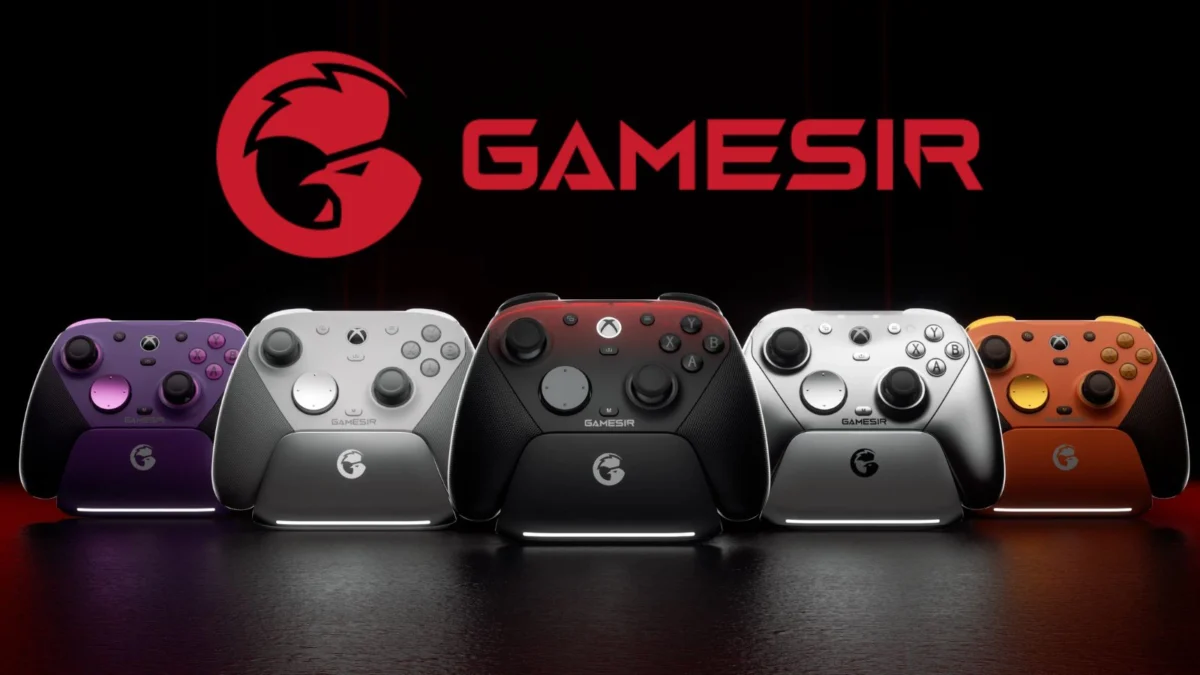
The competitive landscape of Call of Duty esports is facing a potential seismic shift as professional players are reportedly discussing a collective agreement to sideline controllers manufactured by GameSir. This move stems from mounting concerns that certain features on GameSir hardware could provide an unfair competitive edge, allegations the company vehemently denies. The controversy highlights the ongoing tension between technological innovation in gaming peripherals and the imperative of maintaining a level playing field in professional esports.
GameSir has rapidly ascended in prominence within the Call of Duty competitive circuit, attracting players with controllers boasting advanced functionalities such as high polling rates, customizable button mapping, and other performance-enhancing attributes. These features are designed to optimize player input and responsiveness, crucial elements in the fast-paced and reaction-driven environment of professional Call of Duty. However, it is precisely some of these advanced capabilities that have drawn scrutiny, leading to discussions among Call of Duty League (CDL) players regarding a potential "gentlemen’s agreement" (GA) to cease using GameSir products in official competitions.
At the heart of the debate lie features such as turbo modes and programmable macros. Turbo modes allow a single button press to register multiple inputs rapidly, while programmable macros enable players to execute complex sequences of actions with a single button press. Critics argue that these functionalities can automate in-game actions, such as firing weapons or performing specific maneuvers, thereby circumventing the need for precise manual execution and potentially granting users an unwarranted advantage over opponents relying on standard controller inputs. The implication is that such automation could effectively mimic or surpass the skill required for these actions, blurring the lines between player proficiency and technological augmentation.
The emergence of these concerns has prompted a direct response from GameSir. In a public statement released on the social media platform X (formerly Twitter), the company addressed the growing speculation and the reported discussions among CDL professionals. GameSir categorically denied that its controllers incorporate any form of built-in cheating mechanisms, including anti-recoil software or auto-aim functionalities. The manufacturer emphasized that its products are designed as legitimate, standard hardware, fully compliant with industry norms and regulations.
GameSir’s Official Response and Offer for Transparency
The statement from GameSir read: "Recently it has come to our attention that several CDL pros are considering a GA against GameSir controllers, suspecting our controllers include built-in cheats. We want to state clearly: GameSir controllers are 100% legitimate, standard hardware. We do not support or offer cheats or illegal mods, including anti-recoil and auto-aiming. And we welcome organizer inspections." This direct denial aims to reassure the competitive community and tournament organizers that GameSir products are not designed to subvert the integrity of gameplay.
Beyond the verbal assurance, GameSir extended a proactive offer to the professional Call of Duty community. The company announced its willingness to provide sample units of its controllers to any interested CDL professionals. This offer is coupled with a promise of complete technical transparency, allowing players and potentially tournament organizers to thoroughly examine the internal workings and software of the GameSir devices. This move is intended to facilitate an independent verification process, enabling stakeholders to ascertain the true nature of the controller’s capabilities.
Specifically, GameSir highlighted two of its prominent controller models for potential inspection: the Tarantula Pro 8K PC controller, characterized by its symmetrical button layout, and the G7 Pro 8K PC controller, which adopts an asymmetrical, Xbox-style design. Both models are noted for their advanced features that have contributed to their popularity among gamers seeking enhanced performance. By offering these specific models for scrutiny, GameSir is attempting to address the core of the allegations directly.
"Integrity is and always will be our top priority," GameSir concluded in its statement. "We welcome everyone to test and verify our controllers and really appreciate your trust and support." This reiterates the company’s commitment to fair play and its desire to resolve the controversy through open examination and dialogue. The company’s stance suggests a confidence in its product’s adherence to ethical gaming standards and a willingness to engage with the concerns raised by the professional player base.
Background and Chronology of the Controversy
The rise of GameSir controllers in the competitive Call of Duty scene is a relatively recent phenomenon. Over the past year, anecdotal evidence and observations within the professional community have pointed to an increasing adoption of GameSir products. This trend is attributed to the tangible performance benefits these controllers offer, such as improved latency due to high polling rates, which can reduce the delay between a player’s input and the on-screen action. Furthermore, the programmability of buttons allows for personalized control schemes, enabling players to optimize their gameplay experience according to their individual preferences and playstyles.
However, the seeds of this controversy were likely sown as players began to explore the full extent of these programmable features. The line between legitimate customization and potentially exploitative automation can be subjective and is often a point of contention in esports. As player performance at the highest levels becomes increasingly scrutinized, any perceived advantage, however small, can become a focal point for concern.
The discussions surrounding a potential GA are believed to have gained momentum in recent weeks, following informal conversations and observations among professional players. While the exact timeline of these internal discussions is not publicly documented, the emergence of GameSir’s statement indicates that the issue had reached a critical point where direct company intervention was deemed necessary. The concept of a GA in esports is not new; it represents a mechanism for players to self-regulate and collectively agree on certain standards of equipment or play to ensure fairness. Historically, GAs have been implemented to address issues ranging from the use of specific game exploits to the adoption of certain hardware that might create an uneven playing field.
Analysis of Potential Implications and Industry Standards
The implications of a widespread boycott of GameSir controllers, should the GA materialize, could be significant. For GameSir, it would represent a substantial blow to their brand reputation and market penetration within the lucrative Call of Duty esports ecosystem. Professional player endorsements and usage are powerful marketing tools, and a collective refusal by top-tier players would send a strong negative signal to consumers.
Conversely, if GameSir’s claims of legitimacy are upheld through independent verification, the situation could lead to a broader discussion within the esports industry about the definition and regulation of "unfair advantage." Tournament organizers and game developers are often tasked with setting and enforcing rules regarding acceptable hardware and software. The current controversy underscores the challenges they face in keeping pace with technological advancements and ensuring that competitive integrity is maintained.
The Call of Duty League, governed by Activision Blizzard, has established its own set of rules regarding hardware. While specific lists of banned controllers are rare, the league typically relies on general principles of fair play and prohibits the use of any hardware or software that provides an artificial advantage. The potential GA among players is a proactive measure, an attempt by the community itself to preemptively address a perceived issue before it potentially escalates or requires official intervention.
The outcome of this situation could set a precedent for how similar issues are handled in the future. If GameSir successfully demonstrates the legitimacy of its controllers, it could encourage other peripheral manufacturers to push the boundaries of customization, leading to further innovation. However, if the concerns of the professional players are validated, it might prompt stricter regulations and oversight of gaming hardware used in competitive play, potentially limiting the types of features that can be included in controllers marketed to esports athletes.
The willingness of GameSir to allow inspections is a crucial step in potentially resolving this dispute. The transparency offered could lead to a more informed decision by the professional players and tournament organizers. The coming weeks will be critical in determining whether the competitive Call of Duty scene will adopt a new standard of equipment or whether this controversy will be resolved through open verification and continued dialogue, ultimately preserving the spirit of fair competition that underpins professional esports. The industry will be watching closely as this situation unfolds, as it touches upon fundamental questions about technology, fairness, and the future of competitive gaming.