


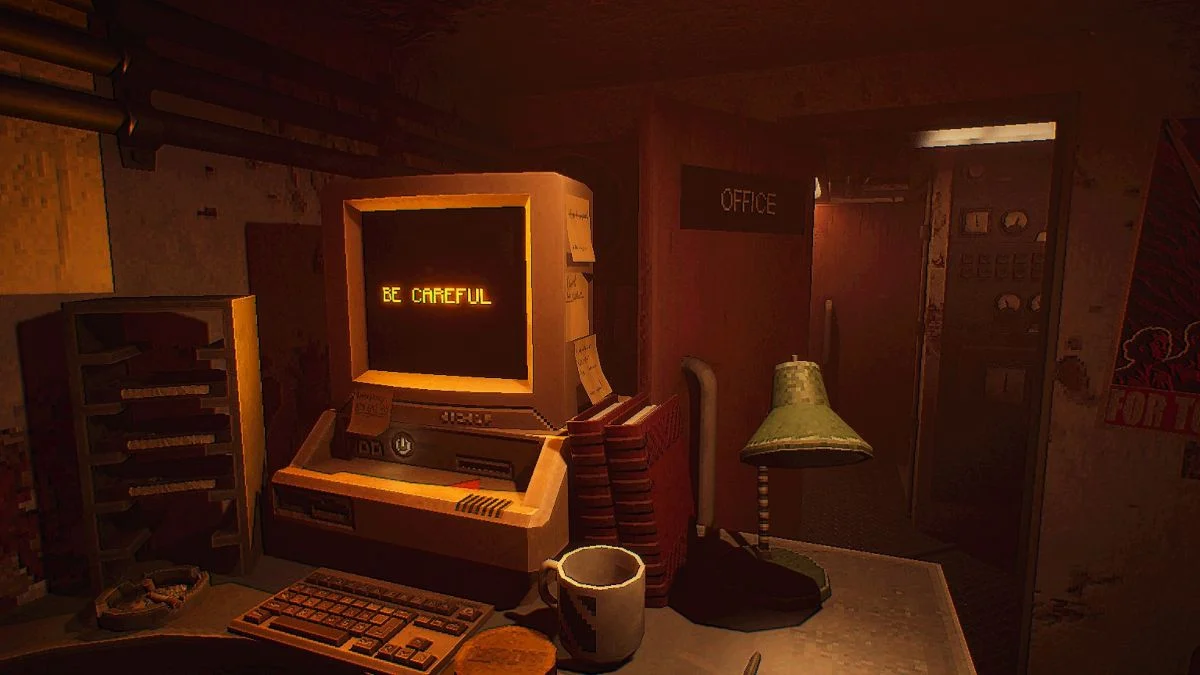
The chilling narrative of MOLE, a psychological horror game that delves into the unraveling psyche of its protagonist, hinges significantly on its intricately designed environmental puzzles. eschewing conventional hand-holding, the game plunges players into a disorienting abyss, compelling them to "keep digging" through a series of unique challenges. This guide aims to illuminate the solutions to these enigmatic puzzles, facilitating a smoother journey toward the game’s climactic "masterpiece ending." Inspired by the immersive, player-driven exploration of titles like System Shock, MOLE presents a stark departure from tutorial-heavy experiences, demanding observation, deduction, and persistent engagement with its unsettling world.
Thematic Resonance: Puzzles as Manifestations of Mental Decay
The very fabric of MOLE‘s gameplay is interwoven with its thematic core: the protagonist’s descent into mental instability. Each puzzle is not merely an obstacle but a tangible representation of the fractured thoughts, distorted memories, and mounting anxieties that plague the player character. The environments shift and morph, mirroring the internal chaos, and the solutions require players to think outside the box, much like someone grappling with a disintegrating sense of reality. This approach elevates MOLE beyond a typical puzzle game, transforming it into an interactive exploration of the human mind under extreme duress. The developers have intentionally crafted a world where the challenges are as much about understanding the protagonist’s state of mind as they are about progression.
Chronological Breakdown of Key Puzzles
The game’s progression is marked by a series of distinct puzzles, each demanding a specific set of actions and a keen understanding of the immediate environment.
The Fusebox Puzzle: Re-establishing Vital Power
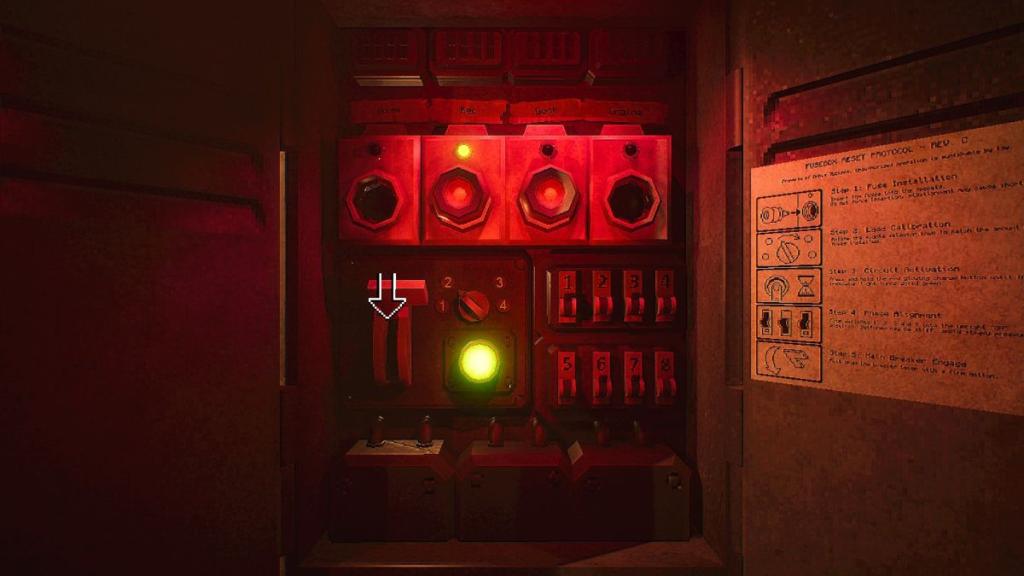
The inaugural challenge in MOLE centers on the critical task of restoring power to various sectors of the derelict facility. This is a recurring mechanic, as re-establishing power is essential for illuminating new areas and advancing the narrative. The Fusebox puzzle, while seemingly straightforward, requires a precise understanding of electrical flow and component management. Players are presented with a panel of switches and fuses, and the objective is to correctly configure them to direct electricity where it is needed most.
The solution typically involves identifying which sectors require power and then manipulating the fuses and switches to create a closed circuit. The number of fuses available may vary, adding a layer of strategic consideration to the process. Without specific visual cues or explicit instructions within the game, players must deduce the correct configuration through trial and error, observing which switches correspond to which power outputs and how the fuses bridge these connections. The "unravelling mind" of the protagonist is subtly hinted at by the intermittent nature of the power restoration and the often-frayed wiring visible in the environment, suggesting a facility in a state of advanced decay, mirroring the protagonist’s own mental state.
The Phone Puzzle: Unraveling a Cryptic Delivery
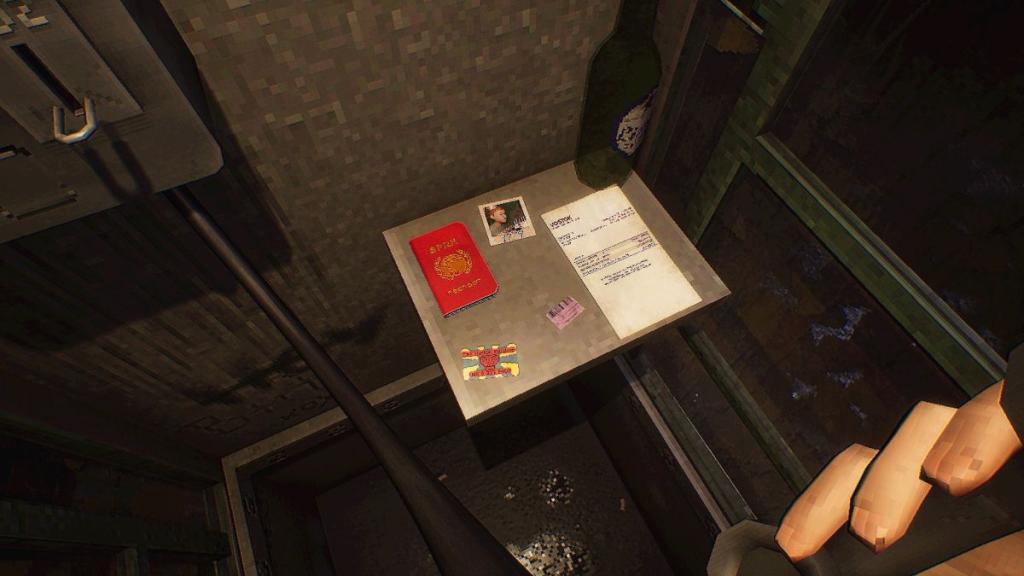
A pivotal moment in the game involves a communication-related puzzle, often centered around a disused telephone booth. This puzzle tasks players with arranging a series of documents and information in chronological order to facilitate a crucial delivery to an entity or individual known as VOSTOK. The entirety of the necessary clues is contained within the confines of the phone booth, demanding meticulous examination of every item present.
The solution requires players to locate and decipher various documents, including photographs, invoices, and receipts, each bearing a timestamp or contextual clue. Piecing together the narrative from these fragments allows players to establish the correct temporal sequence. For instance, a photograph of a birthday might precede an invoice for goods purchased around the same period, which in turn might be followed by a hospital parking ticket, suggesting a progression of events. The act of correctly ordering these items is a direct reflection of the protagonist’s attempt to impose order on a chaotic situation, a mental exercise that is both necessary for survival and indicative of their underlying struggle. The implication is that this organized delivery is a critical step in a larger plan, the success of which hinges on precise execution.
The Engine Puzzle: Revitalizing a Dying Heart
The Engine room presents a multi-faceted mechanical challenge, requiring players to repair three distinct systems: ventilation, pumps, and coolant. This puzzle is deeply integrated with the narrative, as it often involves the deceased engineer, Bohdan Pluzhnik, whose body serves as a grim focal point. The repairs demand the use of specific tools and components found within the environment, further emphasizing the game’s focus on environmental interaction.
Ventilation: To address the ventilation system, players must locate a detached fan. This fan is typically found amidst Pluzhnik’s scattered equipment, potentially near propane tanks, in the rear section of the Engine area. Once retrieved, the damaged fan needs to be replaced in the Engine room itself, specifically in the back-right corner. The process of replacement involves using a screwdriver to detach the broken unit and secure the new one, a task that highlights the protagonist’s resourcefulness in a desperate situation.
Pumps: The pump system repair necessitates access to a crawlspace beneath the main machinery. Within this confined space, players will find one loose fuse. However, a second fuse is required to complete the repair. This missing component can be sourced from the Fusebox located in the Rec area. Acquiring this fuse and installing it in the Engine room will restore power to 100V. The game suggests strategically retaining the remaining fuses for future use in the Deck and Engine sectors, a nod to resource management and foresight within the game’s challenging ecosystem.
Coolant: The coolant system repair involves locating a Wrench. This tool is typically found on Pluzhnik’s workbench in the main Engine sector, positioned opposite the torpedo locker. With the Wrench in hand, players must navigate to the Engine room, move past the crawlspace entrance, and crouch beneath the pipework. In this small, steam-obscured area, a loose pipe will be identified. Applying the Wrench to tighten the bolt nut on this pipe is the final step in restoring the coolant system, preventing further damage and ensuring the continued operation of vital machinery. The presence of steam and the need to crouch evoke a sense of claustrophobia and danger, reinforcing the oppressive atmosphere of the game.
The Hospital Puzzle: Navigating Through Memory and Reality
The Hospital puzzle introduces a unique blend of the tangible and the spectral, requiring players to interact with both physical objects and apparitions. The core of this puzzle involves a receptionist’s monitor displaying numbers and a hospital bed that, when interacted with, reveals an invisible entity. The objective is to ascertain a specific room number to facilitate a crucial memory transfer.
The first digit, "3," is revealed upon interacting with the hospital bed in the lobby. Players must then locate a lounge area in the back-right corner of the hospital wing, using the reception map for guidance. Interacting with a television in this lounge will trigger an auditory cue – the sound of an invisible person moving. The next step involves locating room "311" and entering it. Upon returning to the receptionist desk, the complete room number, "3 1 7," will be displayed across all three monitors. This synchronized display is the trigger for receiving a key.
The key unlocks Petro’s hospital room, where the final act of this puzzle unfolds: turning off life support to transfer his memory onto a VOSTOK cassette. This is achieved by flipping a series of switches in a specific order: 2-4-3-5-1, followed by powering down the console. This puzzle cleverly intertwines the protagonist’s perceived reality with a more profound, perhaps supernatural, dimension, suggesting that the "hospital" itself might be a construct of their mind or a place where the boundaries of existence are blurred.
The Torpedo Puzzle: Orchestrating a Deadly Payload
The Torpedo puzzle, situated in the engineer’s room, involves a delicate operation to launch and detonate a torpedo. This puzzle is described as "fiddly," implying a need for precision and attention to detail. The initial step involves finding a key within the room, which unlocks a locker containing torpedoes in the engineer room, directly opposite the Engine sector.
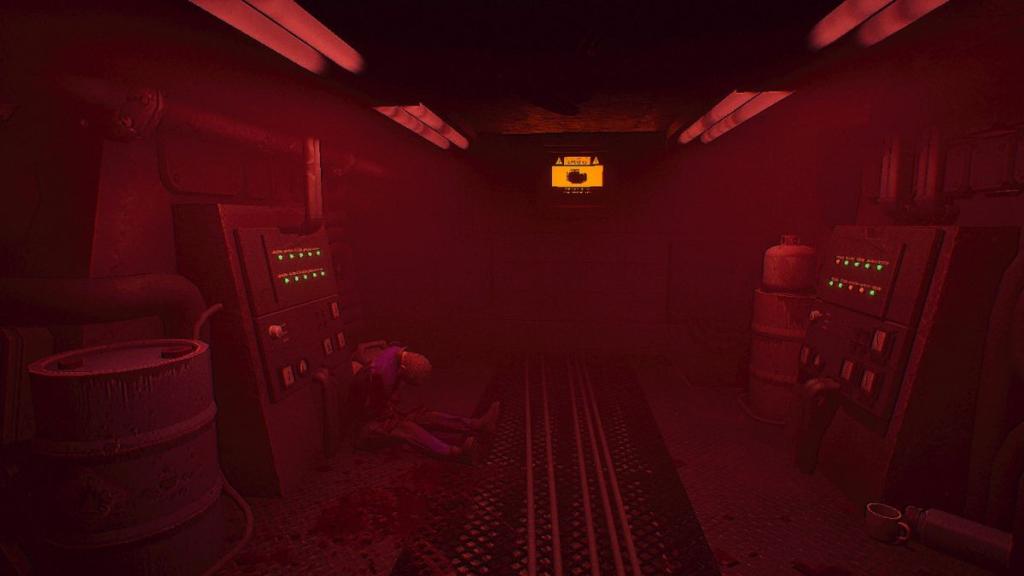
The core mechanic of this puzzle involves manipulating the torpedo pod. Players must first spin a wheel to raise a metal prod above the pod. Then, using arrow keys, they must disengage the lock mechanism, allowing the pod to be lifted and slid open. A torpedo is then placed inside. The process is reversed to lower and seal the explosive.
Once these steps are correctly executed, the detonator becomes active. Players must then consult the depth meter to track the torpedo’s trajectory toward its target. The final action involves interacting with the detonator to initiate the launch and then, at the precise moment the torpedo’s mark aligns with the target, interacting again to detonate. This puzzle is a stark reminder of the military or industrial context of the facility, and the protagonist’s entanglement with its destructive capabilities.
The Gun Case Puzzle: Deciphering a Personal Code
The Gun Case puzzle offers a more direct approach to unlocking a vital tool. The solution is readily available through a note found on the gun case itself. This note directs the player to search the dormitories and locate a four-digit code, with each digit scrawled on a red sticky note within the quarters of the Administrator, Navigator, Geologist, and Engineer. These are the designated living spaces for MOLE‘s crew. The collective search yields the code: 8 3 5 7. Upon entering this sequence into the gun case’s combination lock, the weapon is unlocked, potentially offering the protagonist a means of defense or a tool for further progression. This puzzle emphasizes the importance of interpersonal relationships and the hidden clues left behind by others, even in a seemingly isolated environment.
The Mosaic Puzzle: Reconstructing a Sacred Narrative
The final puzzle in MOLE is the Mosaic puzzle, a potentially "buggy" challenge that requires careful placement of religious mosaics. The unique constraint here is that players can only swap items; they cannot drop them. The objective is to arrange these mosaics in the correct order, aligning them with the scripture present in each slot, thereby reconstructing the "White Rabbit’s story."
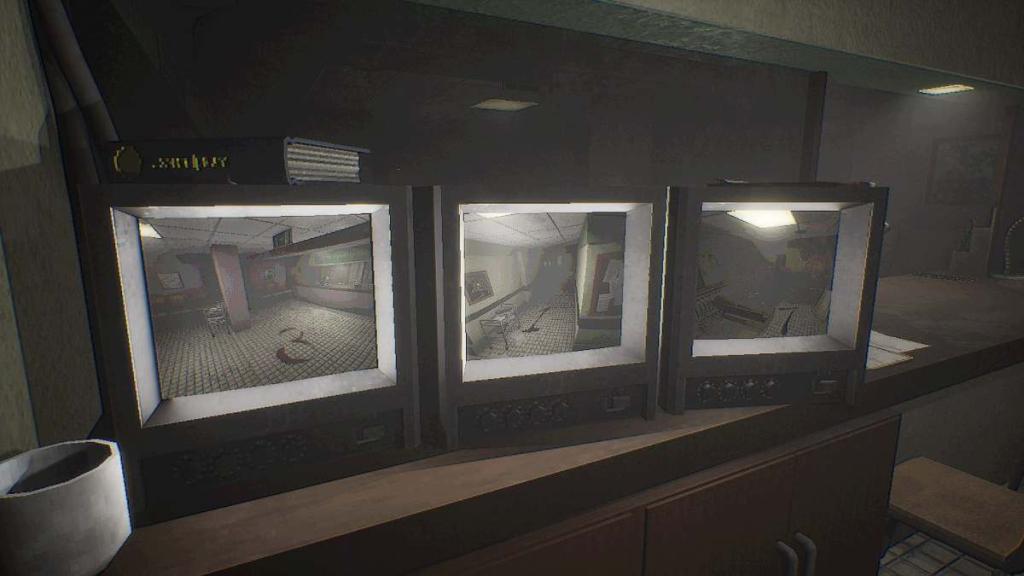
The narrative of the White Rabbit, as described, is presented as an angelic figure, with excerpts appearing in the Cockpit passages as the story progresses. The correct order of the mosaics, from left to right, is crucial for solving this final enigma. The game draws upon allegorical and religious symbolism, suggesting that the protagonist’s journey is not merely a physical one but also a spiritual or existential quest. The "White Rabbit" likely serves as a metaphor for guidance, revelation, or perhaps a descent into a new reality, mirroring the player’s own experience in navigating the game’s complex layers. The narrative’s connection to "Throne excerpts" hints at a higher power or a divine narrative being revealed through the protagonist’s fragmented consciousness.
Broader Implications and Player Experience
The deliberate design of these puzzles in MOLE serves multiple critical functions. Firstly, they provide engaging gameplay mechanics that break up the tension of the horror elements. Secondly, they act as a narrative device, revealing aspects of the protagonist’s past, the facility’s history, and the overarching plot. Most importantly, by demanding active problem-solving and careful observation, the puzzles immerse players more deeply into the protagonist’s fractured mental state. The absence of explicit hand-holding mirrors the protagonist’s own disorientation and lack of clear guidance, forcing players to rely on their own intuition and deductive reasoning. This approach fosters a sense of accomplishment when a puzzle is solved, not just because a barrier has been overcome, but because the player has successfully navigated a fragment of the protagonist’s shattered reality. The "masterpiece ending" is thus not just a reward for completion, but a culmination of the player’s empathy and understanding of the character’s internal struggle, achieved through the very act of solving these intricate, mind-bending challenges. The success of MOLE as a psychological horror experience is inextricably linked to its masterful integration of environmental puzzles as both gameplay mechanics and thematic conduits.