


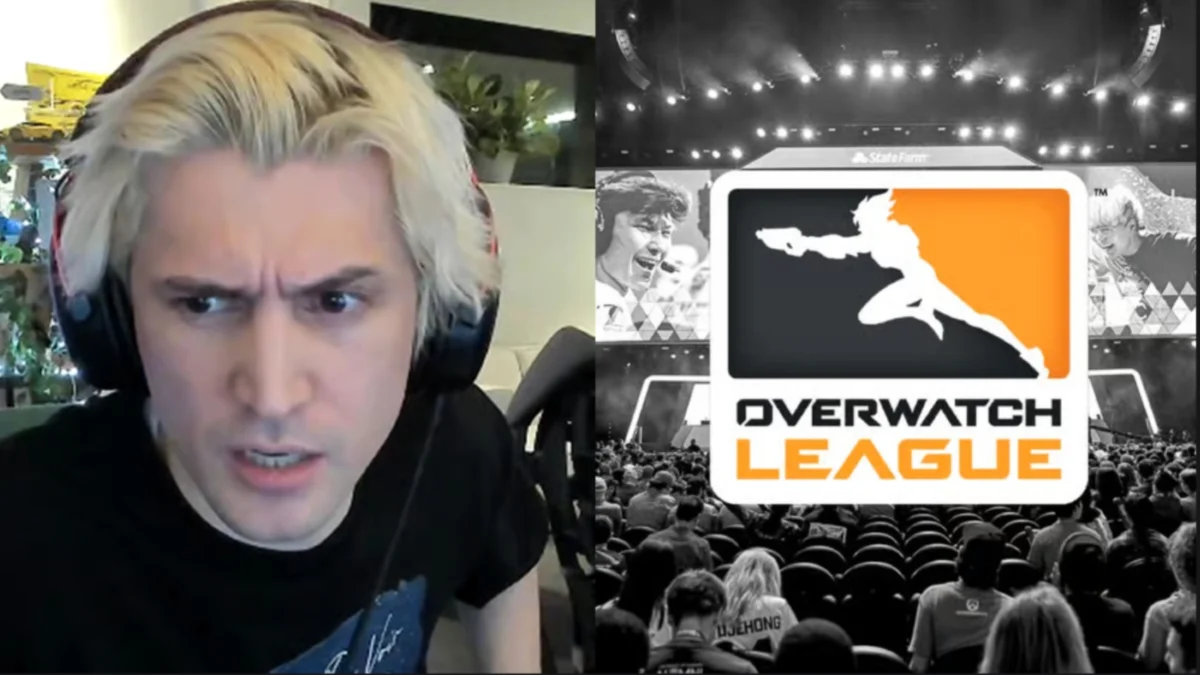
Felix "xQc" Lengyel, a prominent figure in the esports and streaming world, has leveled serious accusations against the Overwatch League (OWL), alleging that the professional esports league artificially inflated its viewership figures through the use of viewbots. These claims, he asserts, were a significant factor in his decision to step away from professional Overwatch play. Lengyel’s statements emerged in response to a 2019 video featuring entrepreneur Mark Cuban, who stated that the OWL had achieved a peak concurrent viewership of 300,000. Lengyel vehemently disputed these figures, suggesting that the actual viewership was considerably lower, estimating it to be closer to 14,000, and implying that the reported numbers were manipulated.
"These numbers were so botted, it’s comical," Lengyel stated during a recent stream, expressing his disbelief at the reported viewership milestones. "Brother, for multiple years, they tried to hide the numbers." This direct challenge to the league’s reported success raises questions about the transparency and integrity of viewership metrics within professional esports.
Historical Context: The Rise and Scrutiny of the Overwatch League
The Overwatch League, launched by Blizzard Entertainment in 2018, was envisioned as a franchised, city-based professional esports league that mirrored traditional sports leagues. The ambition was to create a sustainable ecosystem for professional Overwatch players and teams, attracting significant viewership and investment. The league’s inaugural season saw a considerable amount of fanfare, with initial viewership figures often highlighted by the league operators and media partners. However, as the league progressed through its early seasons, whispers of declining viewership and challenges in maintaining audience engagement began to surface.
The league’s structure, with its emphasis on city-based franchises and a dedicated broadcast schedule, required substantial investment from both Blizzard and the franchise owners. Maintaining high viewership numbers was crucial for attracting sponsors, retaining fan interest, and demonstrating the commercial viability of the league. It is within this context that Lengyel’s allegations of artificial inflation become particularly pertinent, suggesting a potential disconnect between the league’s public image and its underlying performance.
Lengyel’s Allegations: An Insider’s Account
Lengyel elaborated on his claims by referencing an alleged insider who provided him with different viewership figures during the league’s early testing phase on Major League Gaming (MLG). "They ran a test on MLG," Lengyel recounted. "For the preseason, they said, ‘we’re going to run Overwatch League on MLG TV.’ And I had an insider whistleblower that was talking to me. I’m not going to say who. And he told me the numbers of how many people were actually watching. And I went, ‘Yo!?’"
While Lengyel did not provide concrete evidence to substantiate these claims, nor did he identify the purported source, the specificity of his account lends weight to the seriousness of his allegations. The mention of an MLG test phase suggests a period when the league was still experimenting with its broadcast platforms and strategies, potentially offering a window into less scrutinized viewership data.
Impact on Professional Career Decisions
The alleged inflation of viewership numbers had a profound impact on Lengyel’s personal career trajectory within professional Overwatch. He revealed that these revelations influenced his decision-making process, particularly concerning the balance between his commitments to the Overwatch League and his burgeoning career as a full-time streamer.
"I had already signed the contracts to play in the Overwatch League. When I heard that, I was like… I’m already starting to organize my exit," Lengyel admitted. He expressed concerns about how to market himself effectively if the perceived viewership was significantly lower than reported. "How am I going to market myself as a 10k Andy to a 14k Andy stream?" he questioned, highlighting the discrepancy between potential public perception and the alleged reality of his audience size.
Furthermore, Lengyel pointed to restrictive clauses within Overwatch League contracts as a contributing factor to his departure. These restrictions often limited players’ ability to stream or engage in other content creation activities, especially during official match days. "Why would I take days off to practice? Go to the office, practice. Do scrims. Do matches. I can’t stream, I can’t make videos, I can’t vlog. I wasn’t even allowed to stream when the games were live," he explained. "So why would I lose everything with nothing to gain? It’s just about the exchange of value." This sentiment underscores a perceived lack of personal benefit and creative freedom within the league structure, compounded by the questionable integrity of its viewership metrics.
Supporting Data and Industry Trends
While Lengyel’s allegations are anecdotal, they align with broader discussions and concerns within the esports industry regarding viewership inflation and the sustainability of professional leagues. In recent years, various esports organizations and leagues have faced scrutiny over their reported viewership numbers. Factors contributing to this scrutiny include:
- The Nature of Online Viewership: Digital streaming platforms can be susceptible to botting and other forms of artificial inflation. Unlike traditional television, online metrics can be more easily manipulated, making independent verification challenging.
- Sponsorship Value: High viewership numbers are a key selling point for sponsors. Inflated figures can lead to a misallocation of marketing budgets and a distorted perception of an esports title’s popularity and commercial appeal.
- Player and Creator Livelihoods: The perceived success of a league directly impacts player salaries, team investments, and the overall health of the esports ecosystem. Discrepancies in reported numbers can create unrealistic expectations and financial instability.
Analyzing historical data from platforms like Twitch, which served as a primary broadcast avenue for OWL, can offer some insight. While Twitch’s internal data is proprietary, third-party analytics sites often track viewership trends. During the OWL’s peak years, concurrent viewership on Twitch fluctuated, with major championship events naturally drawing higher numbers. However, consistently reporting figures in the hundreds of thousands for regular season matches, as suggested by the 300,000 peak mentioned by Cuban, would represent a significant achievement that few esports leagues have consistently maintained outside of massive global events. For comparison, many successful esports titles, even those with dedicated fanbases, might see regular season viewership in the tens of thousands or low hundreds of thousands for their most popular matches.
The mention of "10k Andy" and "14k Andy" by Lengyel likely refers to average concurrent viewership figures. If these numbers represent the actual, uninflated audience size, it would suggest a substantial difference between the league’s reported success and its organic viewership.
Broader Implications for Esports Transparency
Lengyel’s accusations, if true, carry significant implications for the credibility of the Overwatch League and, by extension, the broader esports industry. The integrity of viewership data is paramount for fostering trust among fans, sponsors, and professional participants.
- Sponsorship Confidence: If sponsors begin to doubt the authenticity of viewership metrics, it could lead to decreased investment in esports leagues and tournaments, impacting the financial stability of the entire ecosystem.
- Player Trust: Players like Lengyel, who base career decisions on marketability and potential earnings, are directly affected by the accuracy of these numbers. A lack of transparency can erode trust between players and league operators.
- Fan Engagement: While fans may not always scrutinize viewership numbers directly, a perceived lack of authenticity can subtly undermine their engagement and belief in the legitimacy of the competition.
Potential Responses and Future Considerations
While the Overwatch League has not issued a direct statement addressing Lengyel’s specific accusations of viewbotting, the league has historically maintained that its viewership figures are accurate and are derived from robust tracking methods. In the past, when questions about viewership have arisen, league representatives have often pointed to a combination of platforms, including Twitch, YouTube Gaming, and Chinese streaming platforms, to account for the total audience.
However, the lack of independent verification and the inherent vulnerabilities of online metrics mean that such claims can persist. For the future of esports leagues aiming for traditional sports-like legitimacy, greater transparency and potentially third-party auditing of viewership data could become increasingly important. This would not only help to build trust but also provide a more accurate reflection of the market, allowing for more informed decision-making by all stakeholders.
The departure of a high-profile player like xQc due to concerns about the integrity of the league’s performance metrics is a significant development. It highlights the critical need for accountability and transparency in the rapidly evolving world of professional esports. As the industry continues to grow and attract substantial investment, ensuring the accuracy and trustworthiness of its core metrics will be essential for its long-term health and sustainability. The conversation initiated by Lengyel’s allegations serves as a reminder that beneath the spectacle of professional competition lies a complex ecosystem reliant on accurate data and mutual trust.