


The quest for a genuinely challenging video game experience remains a potent driving force for a significant segment of the gaming community. This pursuit, often characterized by a willingness to confront frustrating obstacles and invest considerable time and effort, is not merely a matter of completing a digital pastime. It taps into fundamental aspects of human psychology, including the desire for mastery, the satisfaction of overcoming adversity, and the cultivation of a robust sense of personal achievement. This article explores the enduring appeal of difficult games, examining the psychological underpinnings of this player preference, the historical evolution of challenging game design, and the contemporary landscape of titles that cater to this demand, with a particular focus on the recent offering, Dark Scrolls, and its place within this broader context.
The genesis of challenging gameplay can be traced back to the early days of video gaming. Titles like Bandicoot’s Cold Hard Crash, Spyro’s Tree Tops, and The Lost World: Jurassic Park (notorious for its unforgiving permadeath mechanics) presented players with steep learning curves and demanding scenarios. These early experiences, often characterized by limited player resources and unforgiving enemy AI, fostered a generation of gamers who learned to persevere through repetition and meticulous strategy. The advent of titles like TimeSplitters and its emphasis on difficult challenge modes further solidified this trend, offering a clear benchmark for player skill and dedication through achievements like "going Platinum."
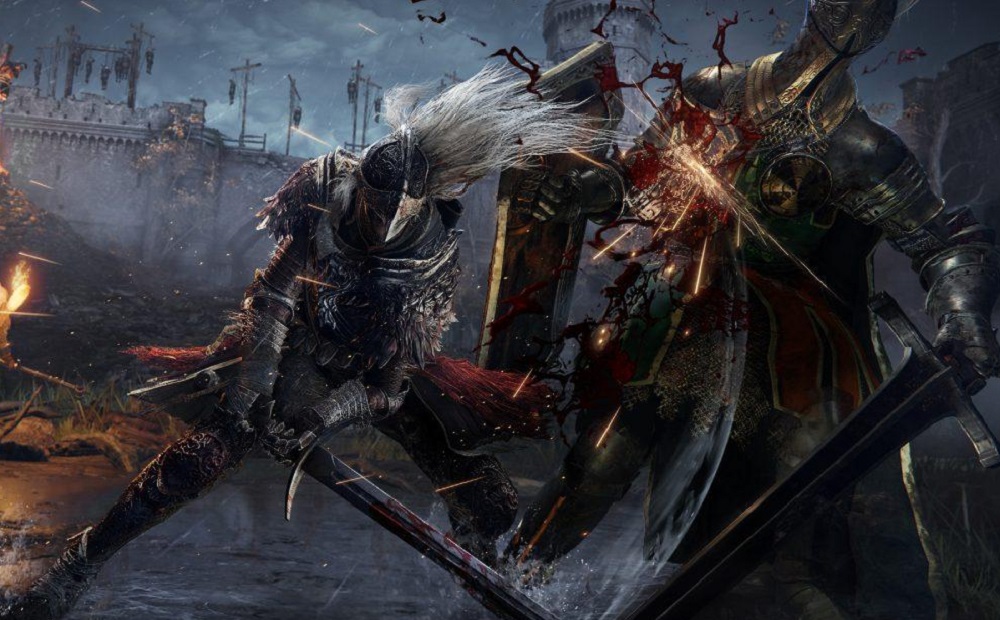
In the modern era, the mantle of extreme difficulty has been taken up by a new wave of titles. Games such as Elden Ring, Nine Sols, and Fear & Hunger have garnered significant attention for their punishing gameplay loops and the profound sense of accomplishment they offer upon victory. The satisfaction derived from these experiences is not solely rooted in nostalgia; it is fueled by a potent cocktail of pride, ego, and the desire for recognition within gaming communities, often referred to as "aura-farming." The visceral thrill of achieving a difficult in-game milestone, such as the declaration of "PREY SLAUGHTERED," serves as a powerful motivator, yet it also paradoxically ignites a hunger for even greater challenges. This ongoing demand for more demanding gameplay experiences has led players to seek out new titles that promise to push their limits.
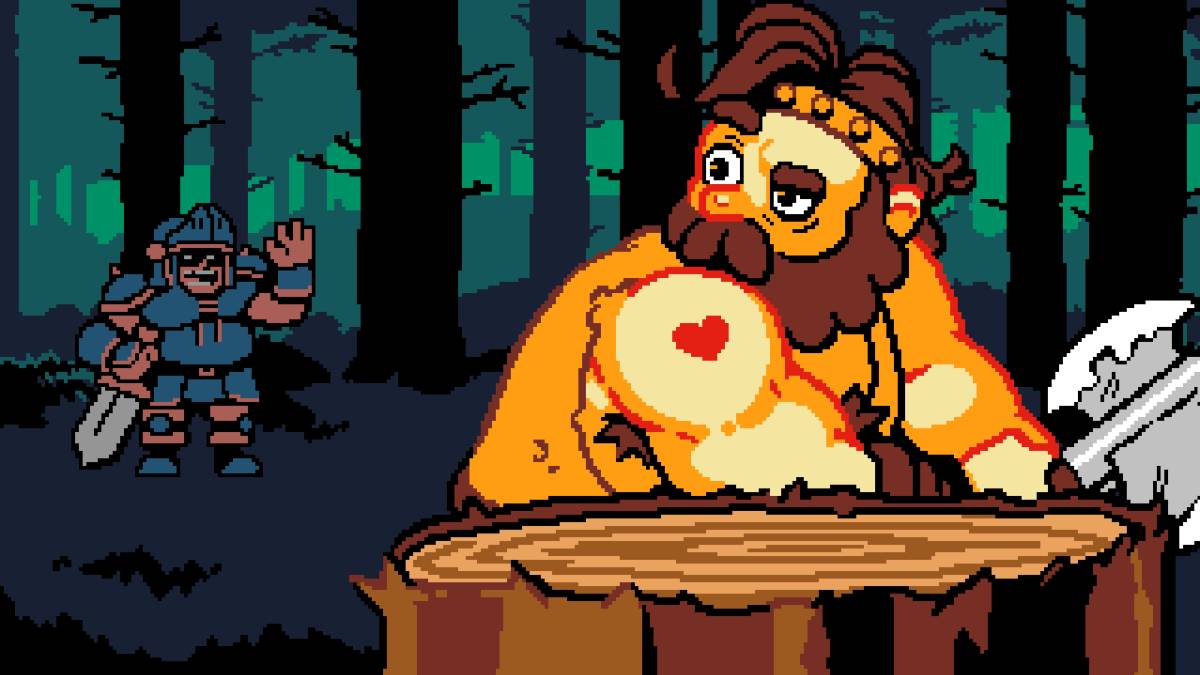
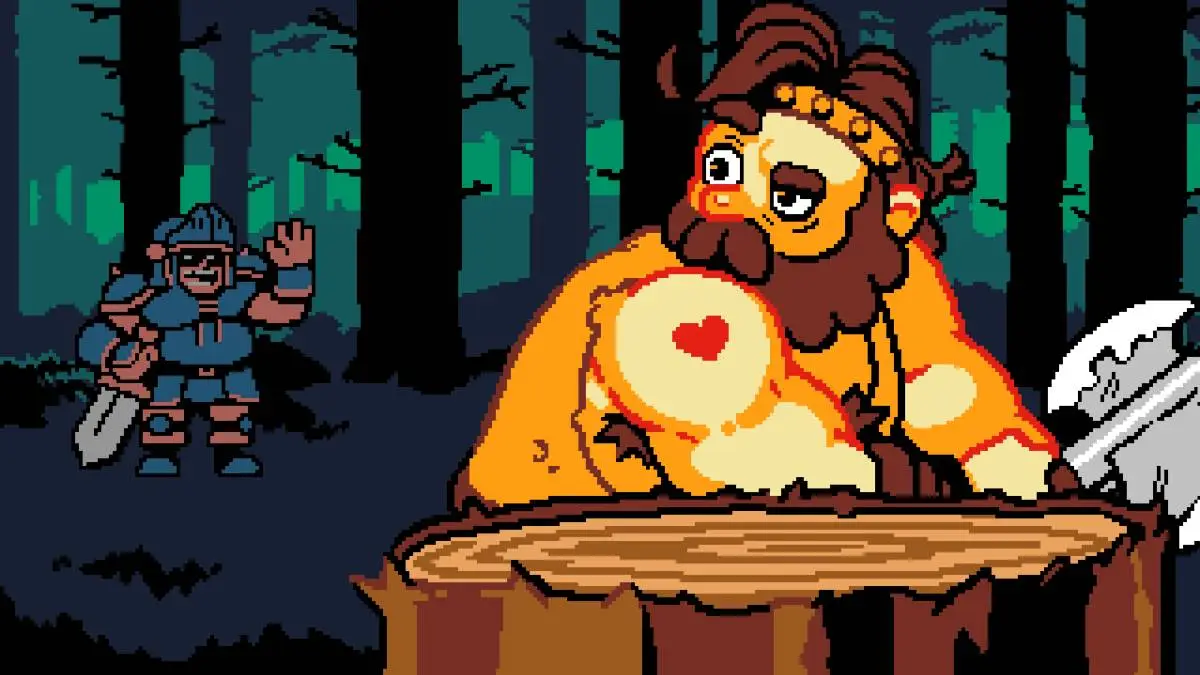
One such title that has recently entered this competitive arena is Dark Scrolls, developed by doinksoft. The game presents a striking visual aesthetic with its colorful 2D animation and a deceptively simple control scheme, requiring players to master only three buttons. Coupled with an emphasis on hidden secrets and an intriguing gameplay gimmick designed to encourage sustained engagement, Dark Scrolls initially appears to be a visually appealing and potentially rewarding experience.
Dark Scrolls embodies a retro-inspired design philosophy, characterized by its minimalistic approach. The core gameplay loop, featuring auto-scrolling levels and a three-button combat system, can, at its heart, feel slow and repetitive. However, this simplicity belies a learning curve that evokes the demanding nature of early PlayStation 1-era 2D platformers. Crucially, the game eschews explicit tutorials or extensive hand-holding, a deliberate design choice that resonates with players seeking a more organic discovery process, a welcome departure from the pervasive "guided experience" prevalent in many contemporary titles. The initial impression is one of significant challenge, as players grapple with understanding the roles of the three distinct starting characters, each possessing a unique ultimate ability and perk system. This initial obscurity, while potentially frustrating for some, contributes to the game’s perceived difficulty and encourages player investment in deciphering its mechanics.
The game’s design incorporates elements intended to foster replayability and sustained player interest. The inclusion of numerous secrets, the promise of discovering new areas and challenging bosses, and the allure of collecting mysterious, yet-to-be-identified items all contribute to a compelling loop for players who thrive on exploration and discovery. Despite these engaging aspects, Dark Scrolls presents certain design choices that have drawn criticism. The decision to utilize a cacophony of honking sounds in lieu of dialogue, while perhaps intended to be a unique stylistic choice, is noted as an "obnoxious idea" that detracts from the player’s immersion. However, these minor quibbles pale in comparison to the game’s most significant perceived failing: once the fundamental mechanics are understood, Dark Scrolls reportedly becomes considerably less challenging.
This perceived drop in difficulty raises pertinent questions about the game’s design philosophy and its intended audience. When a game designed to evoke the spirit of demanding retro experiences begins to feel too accommodating, it risks alienating the very players who are actively seeking out such challenges. This phenomenon is not unique to Dark Scrolls. Many games that aim for a high level of difficulty, such as FromSoftware’s Sekiro: Shadows Die Twice or Elden Ring, are characterized by their ability to provoke an almost existential response in players. The frustration, the self-doubt, and the relentless pursuit of mastery are all part of the experience that makes overcoming these games so profoundly rewarding. This sentiment is echoed in the author’s rhetorical questions: "Who said this was okay? Has the developer even beaten this boss? And does God hate me?" These questions highlight the emotional toll and the intense psychological engagement that truly difficult games can elicit.
The act of conquering a genuinely difficult game can be likened to achieving significant personal milestones, akin to participating in the Olympics or venturing into space. Each victory against an seemingly insurmountable obstacle offers a sense of progress and personal growth, a feeling that the player is actively becoming a more resilient and capable individual. The hope that Dark Scrolls would deliver this profound sense of accomplishment appears to have been, in the author’s experience, largely unfulfilled.
It is crucial to clarify that the assessment of Dark Scrolls as lacking in sustained challenge does not equate to it being a "bad" game. On the contrary, the article suggests that it offers enjoyable, albeit short, bursts of gameplay, particularly for players who are drawn to the allure of uncovering secrets. Its strength lies in its charming, retro-inspired aesthetic and its more modern, arcade-like approach to platforming, aiming to prioritize player enjoyment. However, for those specifically seeking an experience that mirrors the profound satisfaction of overcoming immense difficulty, the game falls short.
This brings into sharp focus the exceptional nature of games that successfully deliver on the promise of extreme challenge. The article points to Cuphead as a prime example of a recent side-scroller that has achieved this elusive balance, evoking the nostalgic fulfillment once provided by titles like Rayman and Oddworld.
The development and critical reception of Cuphead serve as a compelling case study in the appreciation of challenging game design. The game’s notoriously steep learning curve led to situations where even seasoned game journalists found themselves struggling with its initial stages, prompting discussions about the validity of game criticism when faced with such demanding gameplay. Cuphead is characterized by its relentless, unforgiving nature, demanding a high degree of precision, pattern recognition, and unwavering persistence. The gameplay loop is a testament to the principle of "practice, practice, practice," where players are expected to dedicate significant time to mastering each encounter.

The core of Cuphead’s challenge lies in its frame-by-frame demanding gameplay, requiring absolute perfection in execution. Players are tasked with absorbing its glorious, hand-drawn animation without losing focus, demanding an intense level of concentration and an unwavering commitment to the rhythm of the game. The brief minutes spent in each level can feel like an eternity as players push their limits, emerging on the other side not just victorious, but as demonstrably stronger and more resilient individuals, forged by their refusal to yield.
In contrast to the focused intensity required by Cuphead, the article notes that it is possible for players to let their minds wander in games like Dark Scrolls. This distinction is critical. The ability to maintain focus and react instantaneously to on-screen stimuli is a hallmark of truly difficult games. The author recounts discovering a method to "cheese" Dark Scrolls – essentially exploiting an invincibility mechanic – within two hours of play, a feat that, while acknowledged with a degree of shame, underscores the game’s perceived lack of robust challenge. This highlights a fundamental difference: Cuphead demands complete immersion and mastery, whereas Dark Scrolls, despite its initial promise, appears to offer exploitable pathways that diminish its overall difficulty.
The search for games that offer a truly unique and demanding challenge has, in recent times, largely been confined to genres like Metroidvanias and Soulslikes. Cuphead represents a rare and celebrated exception within the side-scrolling genre. While developers like FromSoftware have undeniably set the benchmark for difficulty in their respective genres, the appetite for experiences that replicate the specific brand of challenge offered by Cuphead remains strong. The author’s concluding statement, "Though FromSoftware is the biggest and best to ever do it, I need another Cuphead to satisfy my needs and truly test me, otherwise I’m plugging my PlayStation 1 back in. Don’t try me, I’ll do it," vividly encapsulates the persistent craving for these high-stakes gaming encounters.
The implications of this enduring demand for difficulty are multifaceted. It suggests a growing segment of the gaming audience that actively seeks out experiences that test their mettle and provide a profound sense of accomplishment. This has, in turn, influenced game design trends, leading to the proliferation of "Soulslike" mechanics and the resurgence of challenging retro-inspired titles. Developers who can successfully navigate the fine line between frustratingly difficult and rewarding challenge are likely to find a dedicated and passionate player base. The success of games like Cuphead and the continued popularity of the Soulslike genre are testaments to the fact that, for many, the greatest rewards in gaming are earned, not given. The ongoing evolution of game design will undoubtedly continue to explore the boundaries of challenge, seeking to satisfy this fundamental human drive for mastery and the unparalleled satisfaction of overcoming the seemingly impossible.