


The core of the issue originated from Exophase, a well-known website specializing in tracking player achievements and trophies across various platforms. The site reportedly published a vast array of Steam achievement lists that, by all accounts, should not have been publicly accessible at this stage. According to a statement attributed to Exophase’s owner, the extensive lists were not the result of malicious hacking or deliberate data mining, but rather an automatic scan triggered by an unforeseen glitch within the Steam platform itself. This explanation suggests a systemic vulnerability where pre-release achievement data, likely uploaded by developers for internal testing or early integration, became temporarily exposed to public-facing APIs. Such automated systems, while designed for convenience and efficiency in data aggregation, occasionally encounter unforeseen edge cases that can lead to unintended consequences, as dramatically demonstrated in this instance. The nature of achievement data often includes specific objectives, character names, location details, and even brief narrative summaries, making it a rich source of potential spoilers when prematurely revealed.
The leak’s immediate impact was substantial, with details rapidly propagating across gaming forums, social media platforms, and news outlets. ResetEra, a prominent gaming forum, was among the first platforms where users began dissecting the exposed information, leading to a cascade of posts and discussions. Shortly thereafter, gaming news sites like Gematsu published comprehensive reports detailing the full extent of the leaked lists, albeit with appropriate warnings about spoilers. The timeline of events unfolded swiftly:
- Early September 2026: The Steam glitch is theorized to have occurred, making pre-release achievement data accessible.
- September 2026 (Specific Date TBD): Exophase’s automated system scans and publishes the extensive list of Steam achievements.
- Hours Following Publication: Gaming enthusiasts and data miners discover the unexpected influx of new achievement data on Exophase.
- Initial Spread: Information begins circulating on private channels and niche forums before breaking out onto larger platforms like ResetEra.
- Widespread Reporting: Major gaming news sites, including Gematsu and Pure Xbox, report on the leak, confirming the presence of significant titles and unannounced content.
- Ongoing Reaction: The gaming community grapples with the leak, with some eagerly consuming the information while others actively work to avoid spoilers.
The breadth of titles affected by this leak is staggering, encompassing both established franchises and entirely new, unannounced projects. Each revelation carries unique implications for its respective development team and fanbase.
A Deep Dive into the Compromised Titles
Fable: A Highly Anticipated Reboot
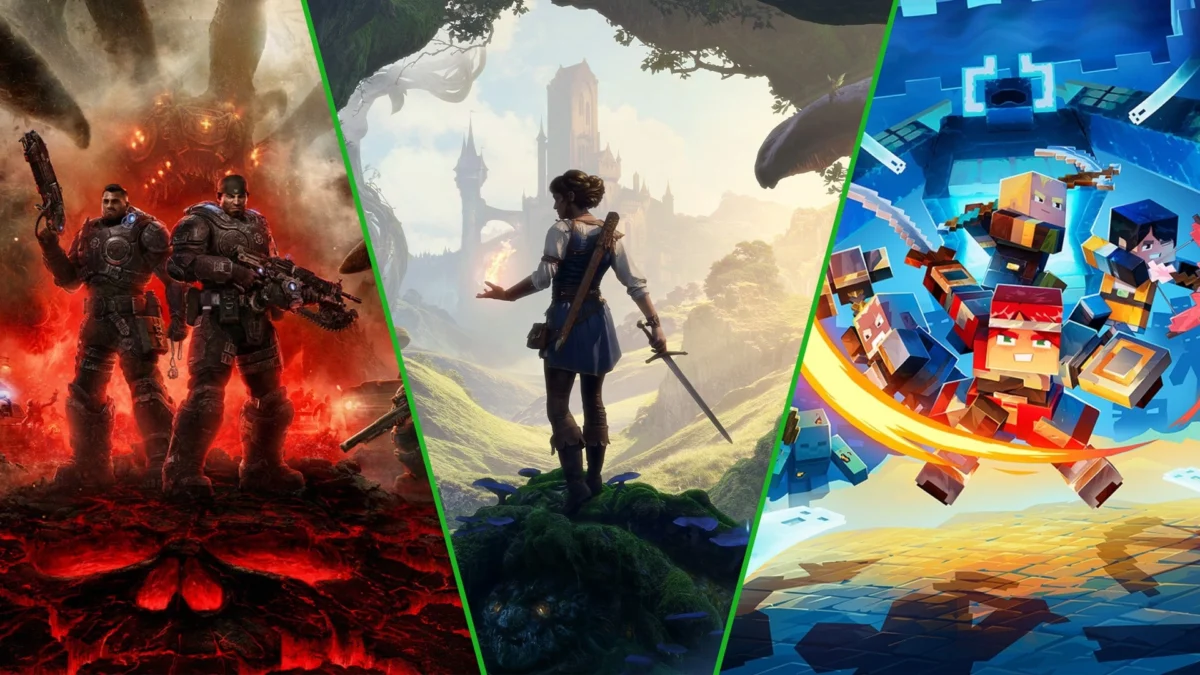
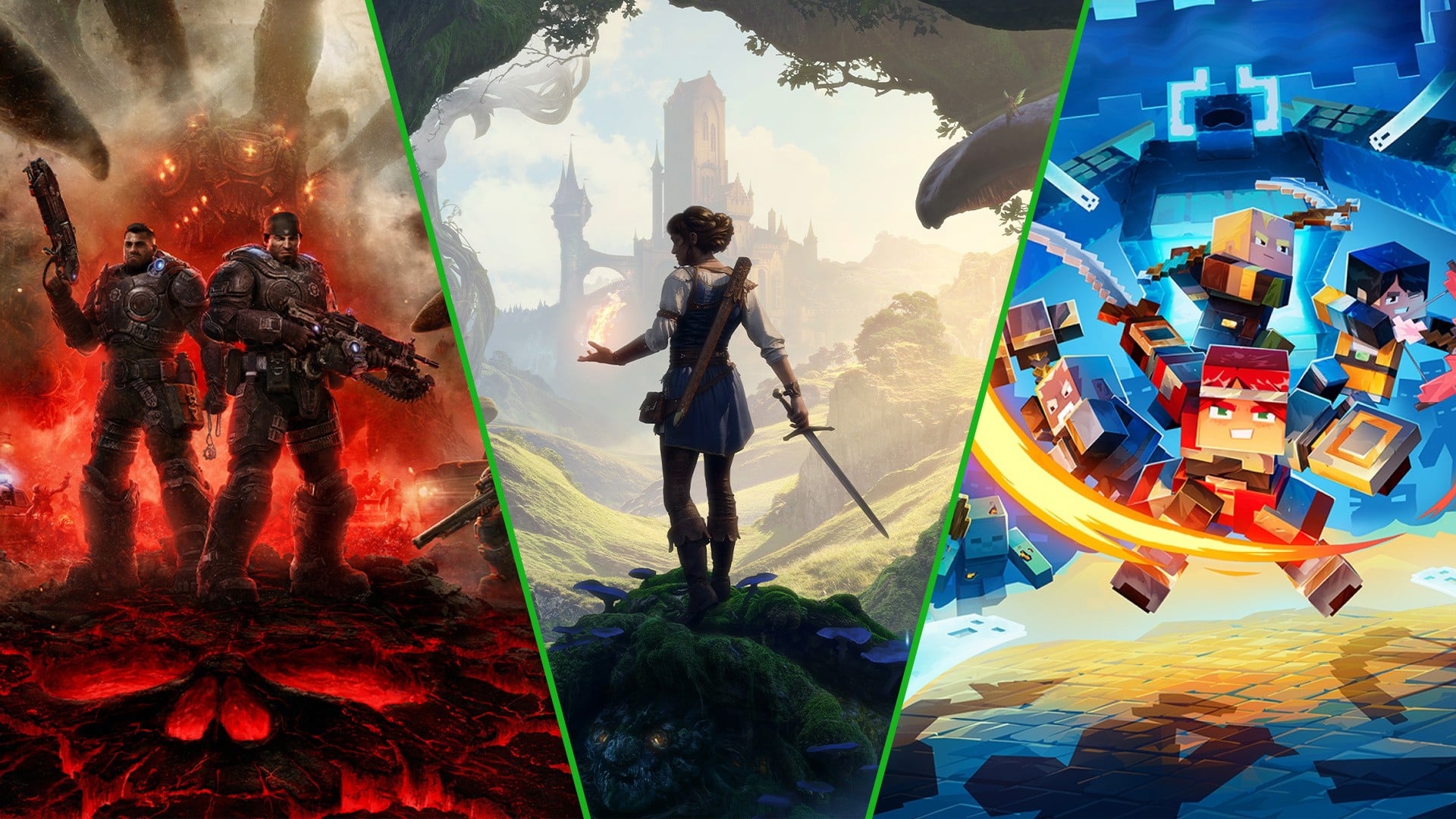
The leaked achievement list for Fable provides a premature glimpse into the long-awaited reboot of the beloved fantasy RPG series. Developed by Playground Games, Fable has been shrouded in mystery since its initial announcement, with fans eagerly anticipating any details about its new direction, characters, and world. The leaked achievements reportedly contain plot points that outline major questlines, introduce key characters, and hint at narrative twists, potentially diminishing the impact of official story reveals. For a game that has been in development for several years and carries the weight of a legendary franchise, such early exposure of its core narrative elements is a significant blow to its carefully managed marketing strategy.
Gears of War: E-Day’s Prequel Revelations
Another major Xbox first-party title impacted is Gears of War: E-Day, a prequel to the iconic third-person shooter series developed by The Coalition. Announced to much fanfare, E-Day aims to explore the pivotal "Emergence Day" event, depicting humanity’s initial struggle against the monstrous Locust Horde. The leaked achievements reportedly reveal campaign spoilers, including specific missions, boss encounters, and pivotal character moments that detail the origins of the conflict and the fates of key figures. Given the series’ reputation for cinematic storytelling and dramatic set pieces, having these moments revealed outside of their intended context could significantly detract from the player’s first experience.
Persona 6 and Kingdom Hearts IV: Unveiling Atlus and Square Enix’s Secrets
The leak extends beyond Xbox first-party titles, impacting highly anticipated Japanese RPGs. Persona 6, the next mainline installment in Atlus’s critically acclaimed Persona series, is arguably one of the most eagerly awaited JRPGs globally. Atlus is renowned for its strict secrecy regarding Persona titles, often revealing minimal information until close to release. The leaked achievement list for Persona 6 reportedly contains significant plot information, character details, and potential gameplay mechanics, all before Atlus has even officially acknowledged the game’s existence beyond vague allusions. This not only undermines Atlus’s traditional marketing approach but also forces fans into an uncomfortable position of either confronting spoilers or navigating online communities with extreme caution.
Similarly, Kingdom Hearts IV, Square Enix’s continuation of its convoluted yet beloved crossover saga, has also seen crucial details exposed. The leak reportedly reveals several unannounced worlds that players will visit, a hallmark feature of the Kingdom Hearts series. Discovering these iconic Disney and Pixar-inspired locations through a leaked achievement list, rather than through a grand reveal from Tetsuya Nomura, deprives fans of the excitement and surprise integral to the franchise’s appeal. The complex narrative of Kingdom Hearts makes early plot reveals particularly disruptive, as they can unravel carefully constructed mysteries and character arcs.
Beyond the Blockbusters: Other Significant Discoveries
The leak was not limited to these headline titles. A host of other notable games, some announced and some entirely new, also appeared on the exposed lists:
- Minecraft Dungeons II: A sequel to the popular dungeon crawler, potentially detailing new mechanics or story elements.
- Control Resonant: Suggests a new entry or spin-off in Remedy Entertainment’s critically acclaimed Control universe.
- Final Fantasy Resonance: Points to a potentially new Final Fantasy project, distinct from the mainline series or established spin-offs.
- Judas: Ken Levine’s (BioShock creator) new FPS title, which has been sparsely detailed.
- Metro 2039: An upcoming installment in the atmospheric post-apocalyptic shooter series.
- Star Wars: Galactic Racer: A new Star Wars racing title, a genre not often explored in recent Star Wars games.
- Rayman Legends: Retold: Potentially a remaster or reimagining of the beloved platformer.
- Tomb Raider: Legacy of Atlantis: A new entry in the iconic Tomb Raider franchise, hinting at its setting or thematic focus.
Crucially, the leak also hinted at the existence of several entirely unannounced games, whose titles remain undisclosed in many reports to prevent further unwanted exposure. The mere confirmation of their existence, however, creates a ripple effect, fueling speculation and forcing developers to consider how to proceed with projects that were meant to be kept under wraps.
The Broader Context of Gaming Leaks
The Perennial Challenge of Pre-Release Information
This incident is not an isolated event but rather the latest in a long history of pre-release information leaks that have plagued the gaming industry. In recent years, major titles like Grand Theft Auto VI and The Last of Us Part II have suffered significant data breaches, exposing development builds, cutscenes, and extensive plot details. These incidents highlight an ongoing tension between the industry’s desire for secrecy—to build hype and deliver polished, surprise-filled reveals—and the digital vulnerabilities inherent in modern game development and distribution. Each leak serves as a stark reminder of the sophisticated efforts required to safeguard intellectual property in an increasingly interconnected digital landscape. The sheer volume and sensitivity of data managed by game developers make them prime targets, whether through malicious intent or, as in this case, an unexpected technical oversight.
The Role of Achievement Systems in Modern Gaming
Achievement systems, a ubiquitous feature in contemporary video games, are designed to extend gameplay, reward player engagement, and foster a sense of accomplishment. However, they also serve as a database of game content, often containing metadata that directly references story beats, character names, and specific gameplay scenarios. Developers typically integrate these systems early in the development cycle for testing and quality assurance, often using placeholder text or sanitized descriptions. Yet, as this leak demonstrates, if not meticulously managed and secured, these lists can become unintentional conduits for spoilers. The metadata associated with achievements, even if not directly visible to players, can be scraped by automated systems or discovered through vulnerabilities, providing a roadmap to a game’s narrative and design before its creators are ready to unveil it. This incident will undoubtedly prompt a re-evaluation of how achievement data is handled on platforms like Steam, potentially leading to stricter protocols for when and how such information becomes accessible, even in a pre-release state.

Immediate Fallout and Industry Reactions
Developer Dilemmas and Marketing Disruptions
The immediate fallout for the affected developers and publishers is considerable. Microsoft, Atlus, Square Enix, and others now face the challenge of managing a narrative that has been partially hijacked by an accidental leak. Marketing teams spend years crafting carefully orchestrated reveal campaigns, often tied to major industry events like E3, Xbox Games Showcases, The Game Awards, or dedicated publisher events. The sudden exposure of key plot points, character details, or unannounced features undermines these efforts, forcing a scramble to assess the damage, potentially adjust future marketing beats, or even issue pre-emptive official statements. The emotional toll on development teams, who pour years of their lives into these projects, can also be significant, seeing their creative work revealed prematurely and out of context. While no official statements from Microsoft, Atlus, or Square Enix have been made at the time of this report, it is highly probable that internal investigations are underway, and strategic discussions are taking place regarding how to address the widespread dissemination of these spoilers. The industry’s typical response to such incidents often involves a period of silence, followed by a measured communication strategy designed to regain control of the narrative.
Navigating the Spoiler Minefield: A Challenge for Fans
For the gaming community, the leak presents a mixed bag. On one hand, there’s an undeniable allure to new information, especially for highly anticipated titles. Forums and social media light up with discussions, theories, and analyses of the leaked data. On the other hand, a significant portion of the fanbase actively seeks to avoid spoilers, preferring to experience game narratives as intended by the creators. This leak creates a "spoiler minefield" online, where even casual browsing of gaming-related content can lead to inadvertent exposure. Players are now tasked with implementing stringent social media filters, muting keywords, and exercising extreme caution when engaging with gaming communities, a frustrating necessity that detracts from the shared excitement of upcoming releases. The debate around "spoiler culture"—the etiquette of sharing leaked information versus respecting creative intent—has been reignited with renewed vigor.
Implications for Digital Security and Future Game Releases
This extensive achievement leak underscores a critical need for enhanced digital security protocols across all digital storefronts and development pipelines. While Exophase’s owner attributed the incident to a Steam glitch, it highlights that even seemingly minor vulnerabilities in automated systems can have far-reaching consequences. Platforms like Steam, which host vast amounts of pre-release data, must continuously review and reinforce their security measures, ensuring that developer-uploaded content, especially sensitive metadata like achievement lists, remains strictly segregated and inaccessible until officially sanctioned for public release.
Looking ahead, this event may prompt changes in how developers approach achievement integration and how platforms manage pre-release game data. There could be a shift towards even later integration of detailed achievement descriptions, or more robust encryption and access controls for such data. The incident serves as a cautionary tale, emphasizing that in the hyper-connected world of modern gaming, every piece of digital information, no matter how small, has the potential to become a spoiler and disrupt the carefully constructed anticipation surrounding a new release. The industry will undoubtedly learn from this experience, striving to strike a better balance between technical efficiency, data security, and the preservation of the magical reveal for players worldwide.
The gaming community now faces a prolonged period of vigilance, as titles like Fable, Persona 6, and Kingdom Hearts IV are not expected to launch for quite some time, making the task of remaining spoiler-free a continuous challenge. This incident reaffirms the dynamic and often unpredictable nature of information dissemination in the digital age, demanding adaptability from both creators and consumers alike.