


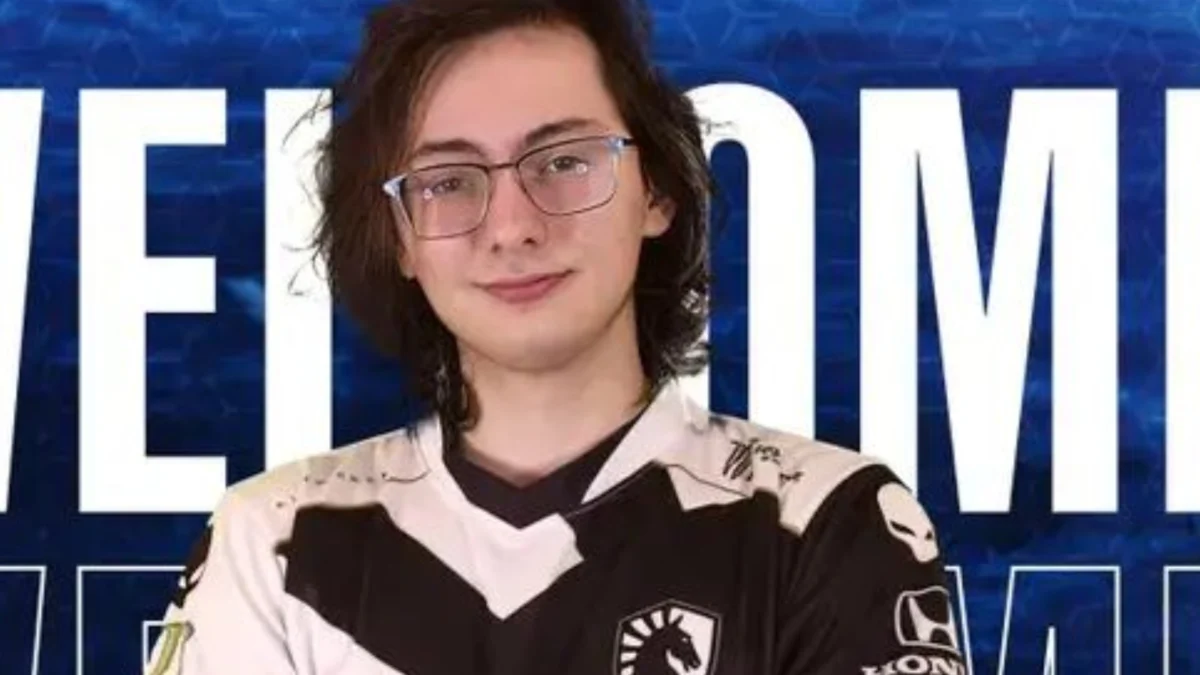
The Super Smash Bros. community in Georgia has taken a definitive stance against Ryan "L4st" Krichbaum, a prominent figure known for his roles as a coach, tournament organizer, and commentator, by issuing an indefinite ban from all regional events. This drastic measure follows multiple serious allegations of sexual assault, rape, emotional abuse, manipulation, and coercion, as detailed in a public statement released by the Georgia Smash X account on May 11. The decision marks a significant development in the ongoing efforts within the esports and gaming community to address and combat allegations of misconduct.
The Georgia Smash moderators stated that they received complaints from several individuals regarding Krichbaum’s alleged behavior. These accusations have led to a broad recommendation for his exclusion from not only Georgia-based tournaments but also regional events and major competitions across the wider Super Smash Bros. landscape. This move by Georgia Smash reflects a growing trend in competitive gaming circles to prioritize player safety and well-being, signaling a zero-tolerance policy towards such grave accusations.
Background and Timeline of Allegations
The current widespread ban follows a period of more localized actions. According to the Georgia Smash statement, Krichbaum had already been privately banned from several tournaments within Georgia in 2024. These earlier bans were reportedly implemented at the specific request of one of his accusers, aiming to ensure their safety and prevent potential further harm. The decision to escalate to a public, indefinite ban suggests that the concerns have broadened and that Georgia Smash leadership believes the allegations extend beyond isolated incidents within the region.
The statement also indicated that similar alleged incidents involving L4st have occurred in other geographic regions. This assertion implies a pattern of behavior that has prompted broader concern among tournament organizers and community leaders. The recommendation for an indefinite ban from all Georgia events, regional gatherings, and major tournaments underscores the severity with which these allegations are being treated. Georgia Smash explicitly urged other tournament organizers to communicate with them regarding any concerns about Krichbaum or the implications of this ban, suggesting a desire for a coordinated community response.
Ryan Krichbaum, also known as L4st, has had a notable presence in the Super Smash Bros. scene for an extended period. His involvement as a coach for MkLeo, widely considered the most decorated player in Super Smash Bros. Ultimate history, has placed him in a position of influence within the competitive ecosystem. His commentary and organizational roles have further cemented his visibility. The emergence of these allegations against such a public figure has sent ripples through the community, prompting discussions about accountability and the processes for handling misconduct accusations in esports.
Community Response and Criticism
As of the latest reporting, L4st has not issued a public response to the allegations. This silence leaves the community awaiting his perspective or any potential refutation of the claims. In the absence of a statement, the weight of the allegations and the actions taken by Georgia Smash remain the primary focus.
The decision by Georgia Smash to issue a public ban has also brought scrutiny upon the organization itself. Some members of the community have voiced criticism regarding the timing of the public announcement, questioning why the details of the allegations and the earlier private bans from 2024 were not made public sooner. This raises important questions about transparency and the speed at which serious accusations are addressed within competitive gaming communities. The delay in public disclosure, even if motivated by a desire to protect accusers, has led to discussions about best practices for handling such sensitive matters to ensure both victim support and community awareness.
The broader implications of this ban extend beyond L4st’s individual career. It highlights the ongoing challenge for esports organizations and tournament organizers to establish robust and transparent systems for addressing player misconduct. The Super Smash Bros. community, like many others in esports, is often characterized by its close-knit nature, where individuals may hold multiple roles and have long-standing relationships. This can create complex dynamics when allegations of wrongdoing arise.
Data and Precedents in Esports Misconduct
The allegations against L4st are not isolated incidents within the broader esports landscape. Over the past decade, numerous competitive gaming communities have grappled with reports of harassment, abuse, and misconduct. These incidents have ranged from verbal abuse and online harassment to more serious allegations of sexual assault and exploitation.
For instance, in the competitive gaming world, there have been documented cases where players, coaches, and organizers have faced bans or significant repercussions for various forms of misconduct. These actions have often been driven by public outcry, investigations by esports organizations, and the collective decisions of regional communities. The increasing willingness of communities like Georgia Smash to take decisive action, even against highly visible figures, suggests a maturing approach to player safety and ethical conduct.
The establishment of codes of conduct, harassment policies, and reporting mechanisms by esports leagues and tournament organizers has become increasingly common. However, the effectiveness and implementation of these policies can vary significantly. The case of L4st underscores the critical need for clear, accessible, and consistently enforced protocols for reporting and investigating allegations of misconduct, ensuring that victims feel safe coming forward and that appropriate due process is followed.
Analysis of Implications
The ban on L4st has several significant implications for the Super Smash Bros. community and the wider esports industry. Firstly, it reinforces the message that individuals in positions of influence within competitive gaming are not immune to accountability for their alleged actions. The decision by Georgia Smash to act decisively, even in the face of potential backlash or controversy, sends a strong signal about the prioritization of safety over the involvement of high-profile personalities.
Secondly, the situation highlights the importance of transparency and communication within competitive communities. The criticism directed at Georgia Smash for the delayed public announcement suggests a growing demand for open dialogue about misconduct allegations. Future handling of similar situations may benefit from clearer communication strategies that balance the need for victim privacy with the community’s right to be informed.
Thirdly, this event could influence how other Super Smash Bros. regions and esports communities approach similar allegations. The precedent set by Georgia Smash may encourage other organizations to review and strengthen their own policies and procedures for addressing misconduct. This could lead to a more standardized and effective approach to player safety across the competitive gaming landscape.
Furthermore, the involvement of L4st as a coach for MkLeo raises questions about the vetting processes for individuals in influential coaching roles. While accusations are not convictions, organizations and players may face increased scrutiny regarding their association with individuals facing serious allegations. This could lead to more rigorous background checks and a greater emphasis on the personal conduct of coaches and team staff.
The Super Smash Bros. community, known for its passionate engagement and sometimes volatile dynamics, will likely continue to discuss and process this event. The allegations and the subsequent ban serve as a critical reminder of the ongoing work required to foster a safe, inclusive, and respectful environment for all participants, from casual players to professional competitors and industry figures. The journey toward achieving this ideal involves continuous dialogue, evolving policies, and a collective commitment to upholding ethical standards within the competitive gaming world. The actions taken by Georgia Smash represent a significant step in that ongoing process.