


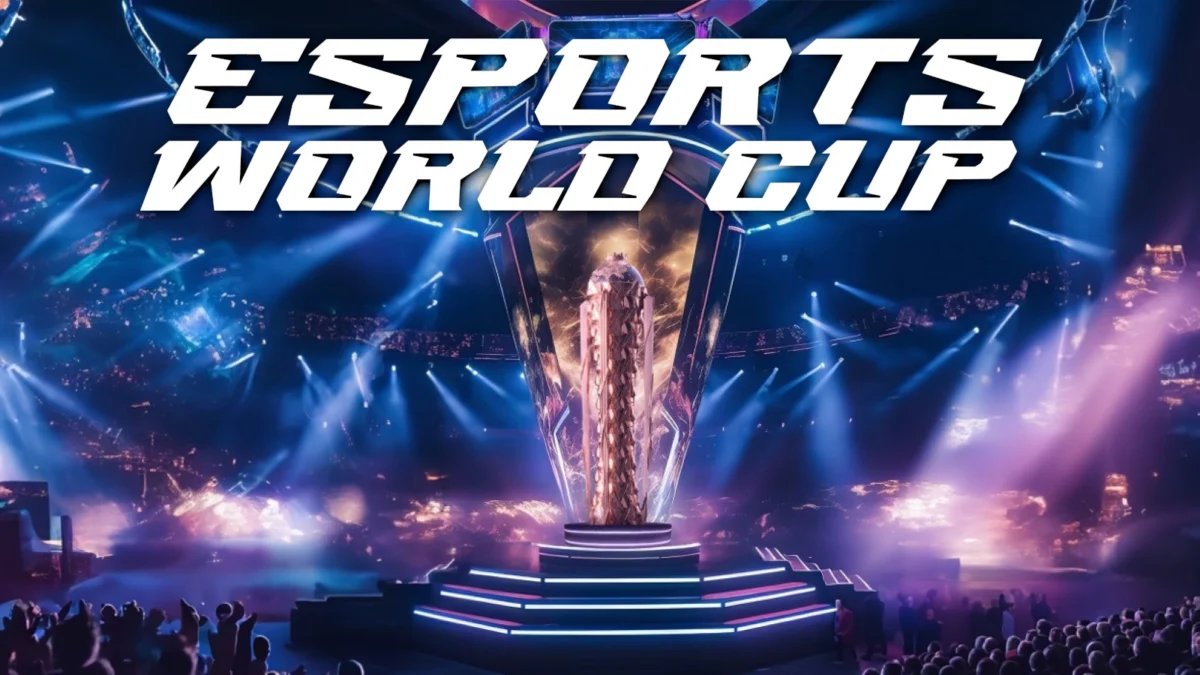
The highly anticipated 2026 Esports World Cup (EWC) has undergone a significant geographical relocation, moving from its originally announced host city of Riyadh, Saudi Arabia, to Paris, France. The official confirmation, issued on May 20, 2024, by the Esports World Cup Foundation, marks a pivotal moment for the global esports calendar, citing "conflicts in the Middle East" as the primary catalyst for this decision. The event, initially slated to run between July and August 2026 in Riyadh, will now usher in its next chapter on French soil, signifying the first time the EWC will be held outside of Saudi Arabia.
A Strategic Shift Driven by Regional Dynamics
The Esports World Cup Foundation articulated the rationale behind this unexpected change in a public statement, emphasizing an "extended evaluation process in light of the current regional situation." The statement further elaborated, "The Esports Foundation decided to accelerate that international rotation for the 2026 edition." This decision underscores the complex geopolitical landscape and the paramount importance of ensuring stability and predictability for all stakeholders involved in such a large-scale international event. The foundation stressed its commitment to its community: "Our EWC fans are at the heart of everything we do, and we wanted to make sure that you and the Players, Clubs and Teams were offered clarity and stability you need to plan your event attendance and travel plans." This proactive communication aims to mitigate potential disruptions and reassure participants and attendees.
Paris: A Global Epicenter for Esports and Entertainment
The selection of Paris as the new host city signifies a strategic move, leveraging the French capital’s established infrastructure and reputation as a premier destination for major international events. Ralf Reichert, CEO of the Esports Foundation, expressed enthusiasm for the new venue, stating, "This year, we’re excited to bring EWC to Paris for its first edition outside Saudi Arabia. Paris has hosted some of the world’s biggest sporting events and is one of the great global capitals of sport, culture and entertainment." He further highlighted the synergy between the city and the esports community: "Together with the passion of French fans and the strong support we’ve received locally, we’re excited to bring the global esports community there for the next chapter of EWC. Paris now becomes the first international chapter in EWC history."
The French government has also warmly welcomed the news. French President Emmanuel Macron responded with evident pleasure, describing the hosting of the EWC as an "honor." In a post on X (formerly Twitter), he conveyed his gratitude to Saudi Arabia for its initial trust and expressed readiness to host the global esports community: "L’EWC se jouera à Paris ! C’est une première qui nous honore. Merci à l’Arabie Saoudite pour sa confiance. Nous sommes prêts à organiser cette Coupe du monde d’e-sport 2026. Très fiers d’accueillir le monde à nouveau." This sentiment reflects France’s commitment to embracing and fostering the burgeoning esports industry.
Evolving Host City Strategy and Financial Considerations
The relocation also aligns with the Esports World Cup’s broader vision of an internationally rotating host city model. The EWC had previously indicated an intention to eventually move to various cities worldwide, potentially charging them hosting fees as a revenue stream. This inherent plan for international rotation makes the current shift less of a complete departure from the organization’s long-term strategy and more of an accelerated implementation. The move to Paris marks a significant step in establishing the EWC as a truly global brand, capable of adapting to diverse geographical and political landscapes.
Scale and Scope of the 2026 Esports World Cup
The 2026 Esports World Cup is poised to be a monumental event, bringing together the world’s elite esports athletes to compete for a substantial prize pool. The current prize pool stands at an impressive $75 million, distributed across 24 distinct esports titles. This diverse lineup includes globally recognized games such as Overwatch, Valorant, Counter-Strike 2 (CS2), and League of Legends, alongside a unique inclusion of chess, reflecting the EWC’s ambition to encompass a wide spectrum of competitive gaming and strategic disciplines. This extensive prize pool and broad title selection position the EWC as one of the most significant and lucrative esports tournaments globally.

Background of the Esports World Cup
The Esports World Cup, a flagship initiative by the Saudi Esports Federation, was conceived as a multi-title, multi-game championship designed to elevate competitive esports on a global scale. The inaugural event, held in Riyadh in 2024, garnered significant attention and participation, setting a high bar for future iterations. The initial decision to host the 2026 edition in Saudi Arabia was part of a broader strategy to establish the Kingdom as a major hub for esports and gaming, leveraging substantial investment and a burgeoning domestic esports scene. However, the evolving geopolitical climate in the Middle East has necessitated a recalibration of these plans, leading to the accelerated international rotation.
The EWC’s ambition extends beyond merely hosting tournaments; it aims to foster a comprehensive esports ecosystem, including player development, club support, and fan engagement. The prize pool of $75 million for the 2026 edition is a testament to this ambition, aiming to attract top-tier talent and generate immense viewership. The inclusion of traditional mind sports like chess alongside popular video game titles highlights the EWC’s unique positioning, seeking to bridge the gap between established sports and the rapidly growing esports industry.
Implications of the Paris Move
The relocation to Paris brings with it a set of unique opportunities and challenges. Paris, as a major European capital, offers excellent accessibility for international travelers and a well-developed tourism infrastructure, which will be crucial for accommodating fans, players, and media from around the globe. The city’s vibrant culture and existing sports venues provide a strong foundation for hosting a world-class event. Furthermore, France has a passionate and growing esports fanbase, which is expected to contribute to a highly engaging atmosphere.
From a logistical standpoint, the move requires a swift and efficient transition of planning and operational responsibilities. The Esports World Cup Foundation will need to coordinate closely with French authorities, local organizers, and venue partners to ensure a seamless execution. The accelerated timeline, driven by the need for stability, adds an element of urgency to these preparations.
The decision also highlights the delicate balance that major international organizations must strike between geopolitical realities and their operational objectives. While the conflicts in the Middle East were the direct cause for the relocation, the EWC’s long-term vision of an international rotation remains intact. This adaptability is crucial for the sustained growth and credibility of large-scale esports events.
Broader Context: Esports as a Global Phenomenon
The Esports World Cup’s journey from Riyadh to Paris reflects the dynamic and evolving nature of the global esports landscape. Esports has rapidly transformed from a niche hobby into a multi-billion dollar industry, attracting massive viewership, significant corporate investment, and governmental interest. Major cities and nations are increasingly recognizing the economic and cultural benefits of hosting major esports tournaments, leading to a competitive bidding process for prestigious events.
The EWC, with its ambitious scale and prize pool, aims to set a new benchmark for esports championships. Its ability to navigate complex geopolitical situations and adapt its hosting strategy demonstrates a level of resilience and foresight that will be vital for its continued success. The move to Paris not only secures a prominent location for the 2026 event but also solidifies the EWC’s position as a truly international and adaptable esports property. The coming years will undoubtedly reveal the full impact of this significant geographical shift on the global esports calendar and the competitive scene.