


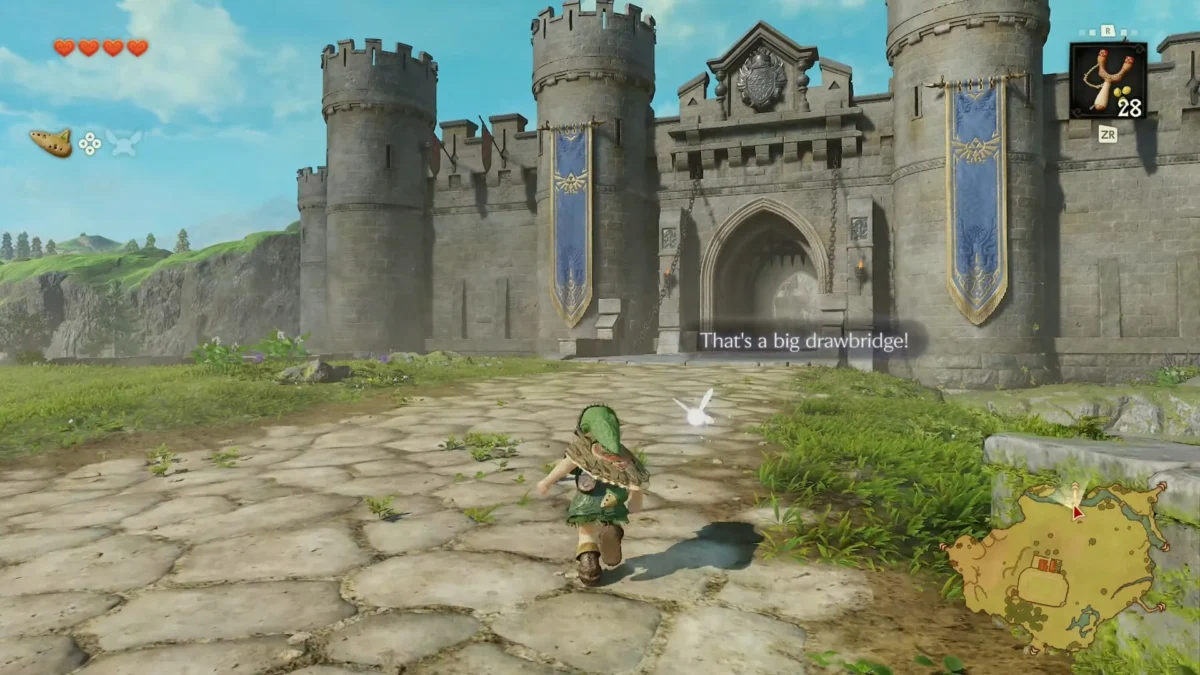
The gaming world is buzzing with anticipation following Nintendo’s audacious announcement: the highly-anticipated remake of The Legend of Zelda: Ocarina of Time is slated for a November 5th, 2026 release on the upcoming Nintendo Switch 2. This strategic placement positions one of Nintendo’s most revered franchises directly in the path of what is widely expected to be the biggest entertainment launch in history: Rockstar Games’ Grand Theft Auto 6, which is currently set for November 19th, 2026. This move has ignited considerable discussion within the industry, as publishers have historically gone to great lengths to avoid direct competition with a Grand Theft Auto release, often citing the immense market dominance and consumer attention commanded by the franchise.
The November 2026 release calendar is shaping up to be exceptionally crowded. Prior to Nintendo’s announcement, Activision’s Call of Duty: Modern Warfare 4 had already staked its claim on October 23rd, 2026, setting the stage for a high-stakes holiday season. With Ocarina of Time arriving two weeks before GTA 6, it effectively secures a two-week head start for the Nintendo exclusive. This decision, particularly for a title of such historical significance as Ocarina of Time, marks a stark departure from the typical industry trend of clearing release schedules around a Grand Theft Auto launch, prompting analysts to scrutinize Nintendo’s confidence and strategic rationale.
The Unprecedented "GTA Effect" on the Gaming Industry
The phenomenon of publishers strategically avoiding Grand Theft Auto release windows is well-documented and deeply rooted in the franchise’s unparalleled commercial success and cultural impact. Grand Theft Auto V, released in 2013, shattered entertainment industry records, becoming the fastest entertainment product to gross $1 billion, achieving the feat in just three days. Its enduring popularity has seen it sell over 195 million units worldwide as of early 2024, generating billions in revenue over more than a decade through initial sales and its online component, Grand Theft Auto Online.
This historical precedent has instilled a cautious approach among other developers and publishers. Launching a major title too close to a Grand Theft Auto release is often seen as an almost guaranteed way to cannibalize sales, diminish marketing effectiveness, and lose crucial mindshare among consumers. Competing titles face the challenge of securing pre-orders, garnering media attention, and dominating retail shelf space against a behemoth that commands global headlines. Many companies opt to shift their releases by weeks or even months, sometimes into less ideal periods, rather than confront Rockstar head-on. This widespread deference underscores the perceived invincibility of the Grand Theft Auto brand in the marketplace. Nintendo’s decision to directly challenge this long-standing industry norm therefore represents a significant, potentially game-changing, strategic maneuver.
Nintendo’s Strategic Play: A Calculated Risk or Unshakeable Confidence?
Nintendo’s choice to position Ocarina of Time so close to GTA 6 invites rigorous analysis, suggesting a calculated strategy rather than a reckless gamble. Several factors likely underpin this decision, primarily revolving around target audience differentiation, platform exclusivity, and the unique position of the Nintendo brand within the broader gaming ecosystem.
Firstly, the core appeal of The Legend of Zelda: Ocarina of Time and Grand Theft Auto 6 targets distinct, albeit occasionally overlapping, demographics. Ocarina of Time, a remake of a 1998 classic, appeals strongly to nostalgic fans who grew up with the original, alongside newer generations drawn to its acclaimed design, immersive world, and family-friendly adventure. Its themes revolve around heroism, exploration, and a fantastical narrative. In contrast, Grand Theft Auto 6 is an M-rated, open-world crime epic known for its mature themes, satirical social commentary, and emphasis on illicit activities. While a segment of the gaming population enjoys both experiences, many consumers have clear preferences, and a significant portion of Ocarina of Time‘s audience may not be the primary target for GTA 6, and vice-versa. This differentiation could mitigate direct sales competition.
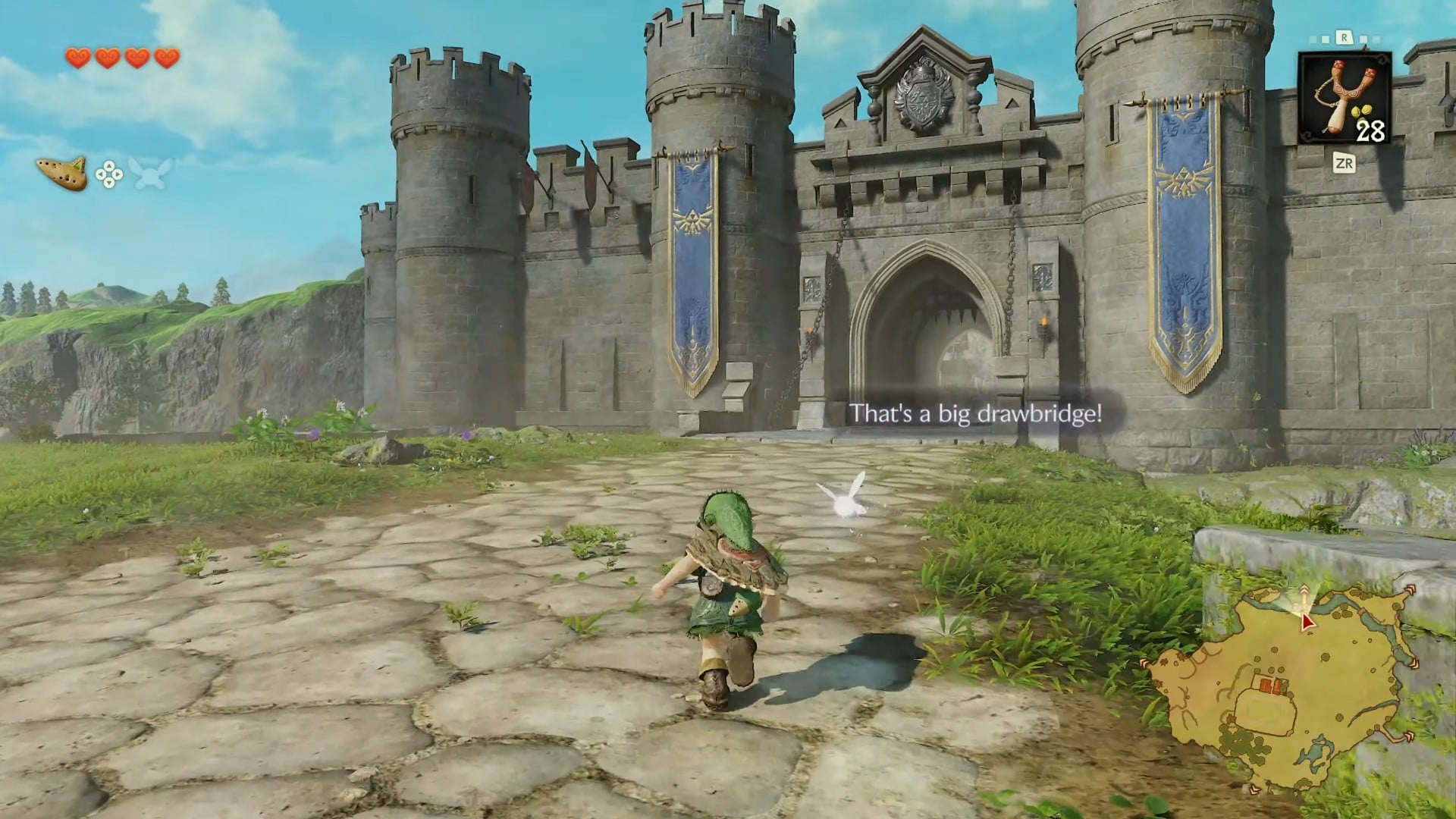
Secondly, platform exclusivity plays a crucial role. The Legend of Zelda: Ocarina of Time remake is confirmed for the Nintendo Switch 2, making it an exclusive launch or early-window title for the new console. Grand Theft Auto 6, conversely, is expected to launch on PlayStation 5 and Xbox Series X/S, with a PC release likely to follow later. There is currently no indication of GTA 6 coming to Nintendo platforms. This means that consumers interested in Ocarina of Time will need a Switch 2, while those desiring GTA 6 will require a PlayStation or Xbox console. This platform lock-in significantly reduces direct competition for hardware sales and, by extension, software sales, as consumers are unlikely to buy a console solely for a game available on a different system. Instead, the games become system-sellers for their respective platforms, potentially driving sales for both Nintendo’s new hardware and the established rival consoles.
Finally, Nintendo’s brand strength and unique market position allow it to often operate outside the direct competitive pressures faced by third-party publishers. Nintendo has historically cultivated a distinct identity focused on innovative hardware, iconic first-party franchises, and a broader appeal that often transcends traditional "hardcore" gaming demographics. Its exclusive IPs, like Zelda, Mario, and Pokémon, consistently sell millions of copies regardless of external market conditions. The launch of the Switch 2, with Ocarina of Time potentially serving as a flagship title, represents a significant event in itself, capable of generating immense hype and driving console adoption independent of other industry releases. This strategic confidence suggests Nintendo believes its dedicated fanbase and the allure of a classic remake on new hardware are sufficient to weather any potential "GTA effect."
The Ocarina of Time Remake: Reviving a Masterpiece
The announcement of an Ocarina of Time remake has sent ripples of excitement through the gaming community, particularly given its status as one of the most critically acclaimed video games of all time. The original 1998 Nintendo 64 title revolutionized 3D gaming, setting new benchmarks for open-world design, cinematic storytelling, and innovative gameplay mechanics that have influenced countless titles since. Its return on the Nintendo Switch 2 promises a significant visual and technical overhaul, bringing the beloved world of Hyrule to a new generation with stunning fidelity.
Industry speculation suggests the remake will feature completely rebuilt graphics, leveraging the enhanced capabilities of the Switch 2 to deliver breathtaking environments, detailed character models, and improved lighting effects. Beyond visual enhancements, players can anticipate modernized controls, potentially incorporating motion controls or touch screen functionality unique to the Switch 2, while remaining true to the original’s acclaimed gameplay. There is also potential for quality-of-life improvements, new side quests, or expanded lore, though Nintendo typically maintains a respectful approach to remakes of its foundational titles. The anticipation is not merely for a visual upgrade, but for a chance to re-experience a landmark in gaming history with contemporary polish, potentially introducing its magic to a new audience who may have only heard of its legendary status.
The Unstoppable Force: Grand Theft Auto 6
On the opposing side stands Grand Theft Auto 6, a title that has been the subject of unprecedented speculation and anticipation for years. Following the monumental success of GTA V, expectations for its successor are stratospheric. The initial reveal trailer for GTA 6 shattered YouTube records, accumulating tens of millions of views within hours and solidifying its position as arguably the most anticipated video game in history. The game is set to return players to Vice City, a fictionalized rendition of Miami, and introduce the franchise’s first female protagonist, Lucia, alongside male lead Jason, promising a sprawling narrative and an expansive, dynamic open world.
Rockstar Games is renowned for its meticulous detail, immersive storytelling, and groundbreaking technological achievements. GTA 6 is expected to push the boundaries of current-generation console hardware, offering an unparalleled level of environmental detail, character interaction, and systemic complexity. The cultural impact of a new Grand Theft Auto game extends far beyond the gaming community, often permeating mainstream media and popular culture. Analysts project that GTA 6 could surpass its predecessor’s sales records, potentially becoming the fastest-selling and highest-grossing entertainment product ever, irrespective of its medium. Its launch is not just a game release; it’s a global entertainment event that reshapes the industry landscape for years to come.
The Broader November 2026 Release Landscape
While Ocarina of Time and Grand Theft Auto 6 dominate the conversation, November 2026 is also slated to host other significant releases. Call of Duty: Modern Warfare 4, releasing on October 23rd, will kick off the holiday season with its customary high-octane action. The Call of Duty franchise consistently ranks among the best-selling games annually, and its placement just weeks before GTA 6 is a testament to Activision’s confidence in its dedicated player base and annual sales performance. Historically, Call of Duty and Grand Theft Auto have co-existed as major holiday releases, often appealing to different facets of the shooter and open-world markets respectively, though GTA typically commands a larger overall sales footprint.

Beyond these titans, the month will also see niche but notable titles such as Godzilla Destroy All Monsters Melee: Remastered and Gothic 3 Classic. These releases cater to specific fanbases, offering revitalized versions of cult classics. While unlikely to challenge the sales dominance of GTA 6 or Ocarina of Time, their presence further illustrates the intense competition for consumer attention and spending during the crucial holiday retail period. Publishers strategically weigh release dates, often considering the potential for "long tail" sales that might extend beyond the immediate launch window, especially for titles with strong, dedicated followings. The overall landscape suggests a highly competitive environment, beneficial for consumers with a wide array of options, but challenging for developers vying for market share.
Economic and Market Implications for the Holiday Season
The unprecedented clash of these gaming titans carries significant economic and market implications. For consumers, the proximity of such highly anticipated titles presents a dilemma: prioritize one over the other due to budget constraints, or attempt to acquire both, potentially stretching holiday spending. This concentration of major releases could lead to "purchase fatigue" or necessitate difficult choices for gamers.
From an industry perspective, the sales figures for November 2026 will be intensely scrutinized. Analysts will be keen to observe if Nintendo’s strategy allows Ocarina of Time to achieve its sales targets despite the GTA 6 juggernaut, or if the "GTA effect" proves too powerful even for a beloved Nintendo IP. The performance of Call of Duty: Modern Warfare 4 will also be a key indicator, demonstrating whether even an established annual franchise can maintain its typical sales trajectory against such formidable competition.
The strategic positioning by developers highlights the evolving dynamics of the gaming market. While Rockstar continues to dominate with its tentpole releases, Nintendo’s decision suggests a growing confidence in its unique ecosystem and the enduring appeal of its first-party titles, especially in conjunction with new hardware launches. This period will be a crucial test of brand loyalty, platform exclusivity, and the effectiveness of differentiated marketing strategies in an increasingly crowded and competitive landscape. The outcome will undoubtedly shape future release strategies across the entire video game industry.
Conclusion
The upcoming November 2026 release schedule, marked by the arrival of the Ocarina of Time remake on Switch 2 and Grand Theft Auto 6, is poised to be one of the most electrifying and closely watched periods in video game history. Nintendo’s bold decision to launch a flagship title just two weeks before Rockstar’s highly anticipated epic challenges long-standing industry norms and sets the stage for a fascinating market battle.
Whether driven by supreme confidence in its unique appeal, the strategic advantage of platform exclusivity for its new console, or a calculated differentiation of target audiences, Nintendo’s move will be a litmus test for the enduring power of its beloved franchises. For gamers, the coming months promise an extraordinary array of experiences, from the nostalgic magic of a revitalized Hyrule to the expansive, mature world of Vice City. As the industry watches with bated breath, one thing is clear: the holiday season of 2026 will be unforgettable for its sheer volume of high-profile releases and the strategic showdown between some of gaming’s biggest players.