


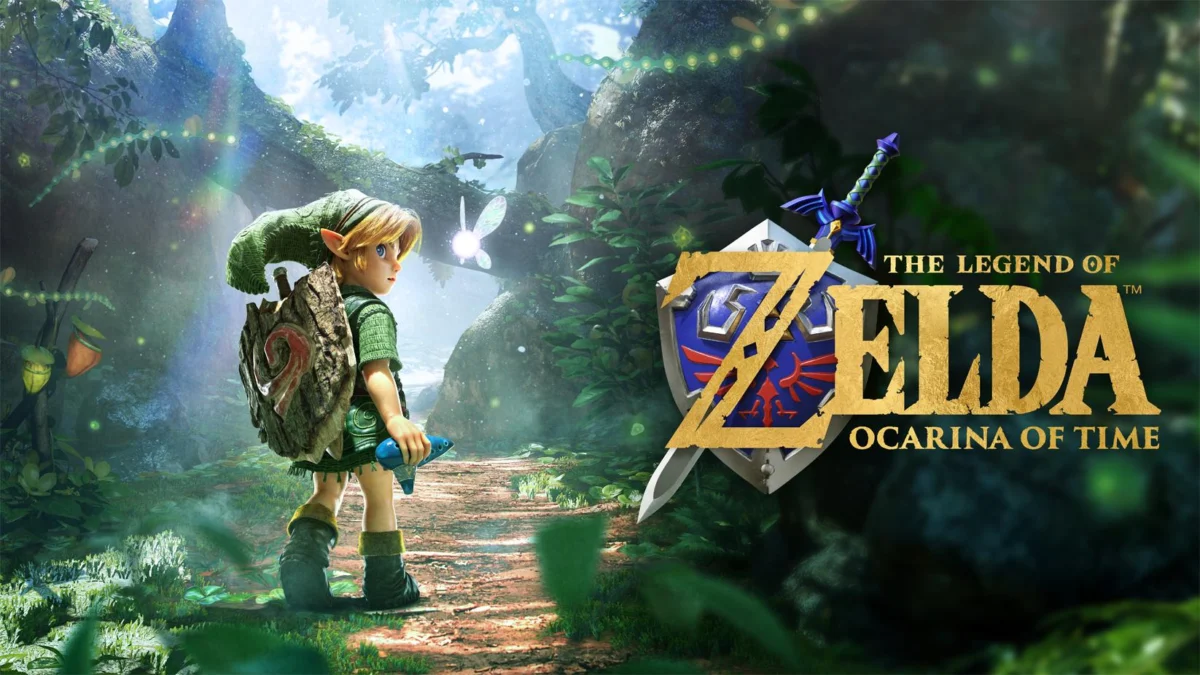
Nintendo captivated a global audience on Tuesday with its highly anticipated The Legend of Zelda 40th Anniversary Direct, a comprehensive presentation that unveiled a significant remake for one of its most revered franchises, alongside a suite of celebratory hardware, merchandise, and future entertainment endeavors. The centerpiece of the announcement was the reveal of The Legend of Zelda: Ocarina of Time remake, slated for release on November 5, positioning it as a pivotal title for the new Nintendo Switch 2 console. This landmark event also served as a platform to introduce a special edition Nintendo Switch 2 console and accessories, an official Ocarina replica, and a glimpse into the broader cinematic and musical future of the iconic series.
A Return to Hyrule: The Ocarina of Time Remake Takes Center Stage
The enduring legacy of The Legend of Zelda: Ocarina of Time, originally released for the Nintendo 64 in 1998, has solidified its status as a foundational title in video game history, frequently cited as one of the greatest games ever made. Its pioneering adoption of 3D environments, innovative lock-on combat, and intricate dungeon design set new benchmarks for the action-adventure genre. Nearly three decades after its initial debut, Nintendo is reintroducing this classic with a comprehensive remake, designed to leverage the advanced capabilities of the Nintendo Switch 2.
Scheduled for a November 5 launch, the remake promises a transformative visual experience, fully utilizing the Switch 2’s enhanced graphics processing power to render Hyrule with breathtaking detail and fidelity. Early glimpses from the Direct showcased familiar locales such as Kokiri Forest and the bustling Hyrule Castle Town, reimagined with modern textures, lighting, and character models that breathe new life into the beloved world. While retaining the distinct artistic style that defines Zelda, the visual upgrade aims to provide an immersive experience that resonates with both long-time fans and a new generation of players.
Beyond the graphical overhaul, the remake introduces substantial gameplay enhancements aimed at modernizing the controls and player experience. A significant change is the implementation of dual analog stick support, a stark contrast to the Nintendo 64’s single analog stick and C-button setup. This updated control scheme is expected to offer far greater precision and fluidity in movement and camera manipulation, bringing Link’s traversal and combat mechanics in line with contemporary gaming standards. Furthermore, the inclusion of a dedicated jump button addresses a long-standing point of discussion among fans. In the original game, Link’s jumping was often context-sensitive or automatic near ledges; the new manual jump button provides players with enhanced control over platforming and environmental navigation, opening up new possibilities for exploration and puzzle-solving.

One of the most innovative features revealed for the Ocarina of Time remake involves the game’s titular instrument. The in-game ocarina, a crucial item for performing magical feats and progressing through the narrative, will now offer an intuitive new input method. Players will be able to hum the iconic tunes into the Nintendo Switch 2’s built-in microphone, with the game recognizing the sound and completing the input to activate the corresponding song. This feature not only deepens player immersion but also offers an accessible alternative to button-based musical sequences, potentially appealing to a broader audience. Eiji Aonuma, the esteemed producer of The Legend of Zelda series, personally demonstrated this feature during the Direct, underscoring its seamless integration and potential to enhance the game’s magical elements.
The narrative experience also sees significant enrichment with the addition of fully voiced cutscenes. While Link himself will famously remain a silent protagonist, preserving a core element of his character that allows players to project themselves onto him, key characters such as Princess Zelda, Ganondorf, Saria, and others will now speak, enhancing the dramatic impact and emotional depth of the story. This move aligns with modern gaming trends and Nintendo’s evolving approach to cinematic storytelling, as seen in recent titles like The Legend of Zelda: Tears of the Kingdom and Hyrule Warriors: Age of Calamity. The voice acting is anticipated to elevate character interactions and make the rich lore of Hyrule more accessible and engaging.
To assist both returning veterans and first-time adventurers, Nintendo is introducing "Zelda Notes," a new feature integrated into the Nintendo Switch app. This companion tool will allow players to track their progress, access hints for in-game locations, and retrieve other vital information, serving as a comprehensive guide without disrupting the main gameplay flow. This addition reflects a broader industry trend towards providing optional, accessible support systems for players who may become lost or confused in expansive open worlds, ensuring a smoother and more enjoyable experience.
Celebrating Four Decades: Special Edition Hardware and Collectibles
The 40th anniversary celebration extends beyond the game itself, with Nintendo announcing a range of commemorative hardware and merchandise designed to appeal to collectors and dedicated fans. Leading this charge is the Nintendo Switch 2: The Legend of Zelda 40th Anniversary Edition system, scheduled for release on October 29, a week prior to the remake’s launch. This special edition console and its accompanying dock will feature unique designs inspired by The Legend of Zelda universe, likely incorporating iconic symbols such as the Triforce, the Hylian Crest, or imagery from Ocarina of Time. Such themed hardware releases have historically been significant drivers of console sales and highly sought-after collector’s items.
Complementing the console, Nintendo will also release a special edition Switch 2 Pro Controller and a themed carrying case, both featuring their own inspired aesthetics, available for separate purchase. These accessories allow fans to fully immerse themselves in the anniversary spirit, even if they already own a Switch 2 console. For the most ardent collectors, an exclusive Switch 2 Pro Controller with its own display stand will be available solely at the Nintendo Stores in New York City and San Francisco. This limited availability strategy is typical for highly desirable collector’s items, creating a sense of urgency and exclusivity among the fanbase.

Perhaps one of the most unique and whimsical announcements was the official The Legend of Zelda: Ocarina of Time ocarina merchandise. Two versions will be available for purchase: a traditional acoustic ocarina, allowing fans to learn and play the game’s melodies authentically, and an electric version manufactured by Hori, which can play songs via button presses. During the Direct, Eiji Aonuma himself demonstrated the acoustic ocarina, showcasing its sound quality and reinforcing the authenticity of the replica. While Nintendo did not provide specific pricing or release dates for these ocarinas, a press release indicated they would be available "later this year." These items tap into the deep nostalgia associated with the game’s musical elements, offering a tangible connection to Link’s iconic instrument.
A Cinematic Future and Global Concert Series
The 40th-anniversary celebration also provided a forward-looking perspective on The Legend of Zelda franchise, extending its reach into other entertainment mediums. Nintendo officially announced a film based on the game, titled The Legend of Zelda, with a release date set for April 30, 2027. This venture follows the monumental success of The Super Mario Bros. Movie, indicating Nintendo’s strategic expansion into cinematic adaptations of its beloved intellectual properties. While specific details regarding the film’s plot, cast, and director were not fully disclosed, the confirmation alone has ignited widespread speculation and anticipation among fans, eager to see Hyrule brought to life on the big screen. The involvement of key Nintendo figures, potentially including Shigeru Miyamoto in a producing role, is expected to ensure the film’s faithfulness to the source material.
Music, a cornerstone of the Zelda experience, will be celebrated through a 40th-anniversary concert series. Kicking off in January in Japan, the series will then make its way to the United States in February, with Chicago hosting the inaugural American performance. These orchestral concerts, known for their stunning renditions of the franchise’s iconic scores, have been immensely popular in the past, offering fans a unique opportunity to experience the magic of Zelda‘s music in a live setting. The announcement signals a robust global celebration of the series’ musical heritage.
Furthermore, Nintendo confirmed the release of new amiibo figures for Young Link and Young Zelda next year. Amiibo figures continue to be a popular collectible item for Nintendo enthusiasts, often unlocking in-game bonuses or exclusive content. These new figures will undoubtedly appeal to collectors and provide an additional avenue for fans to engage with the franchise.
Economic Implications and Market Positioning

The announcements made during The Legend of Zelda 40th Anniversary Direct carry significant economic and market implications for Nintendo. The Ocarina of Time remake is expected to be a tentpole title for the Nintendo Switch 2, likely serving as a major incentive for consumers to adopt the new hardware. By launching a highly anticipated remake of a critically acclaimed and beloved classic alongside a special edition console, Nintendo is strategically leveraging nostalgia and fan loyalty to drive early sales for its next-generation system.
Regarding pricing, while Nintendo did not officially confirm the price for the Ocarina of Time remake during the Direct, the digital version is widely anticipated to retail for $60. Interestingly, a physical version of the game briefly appeared on the Nintendo Store website with a $70 price tag shortly after the presentation, only to be promptly taken down. This incident has sparked speculation regarding Nintendo’s pricing strategy, potentially indicating a premium for physical editions or an internal discussion about pricing that is yet to be finalized. Historically, Nintendo has maintained a $60 price point for many of its first-party flagship titles, though some recent remasters and remakes have occasionally seen higher pricing. The temporary $70 listing could also hint at a "deluxe" physical edition with additional content or packaging. The uncertainty surrounding pricing and the availability of specific items at various retailers versus exclusive Nintendo Store offerings will likely be clarified closer to the release dates.
Industry analysts are likely to view this comprehensive announcement as a masterstroke from Nintendo, effectively addressing long-standing fan desires for a modern Ocarina of Time experience while simultaneously setting the stage for the Nintendo Switch 2’s commercial success. The multi-faceted approach, encompassing gaming, hardware, merchandise, film, and live events, demonstrates Nintendo’s commitment to maximizing the reach and cultural impact of The Legend of Zelda franchise as it enters its fifth decade. The blend of nostalgic reverence with forward-looking innovation positions the series for continued relevance and growth in the global entertainment landscape.