


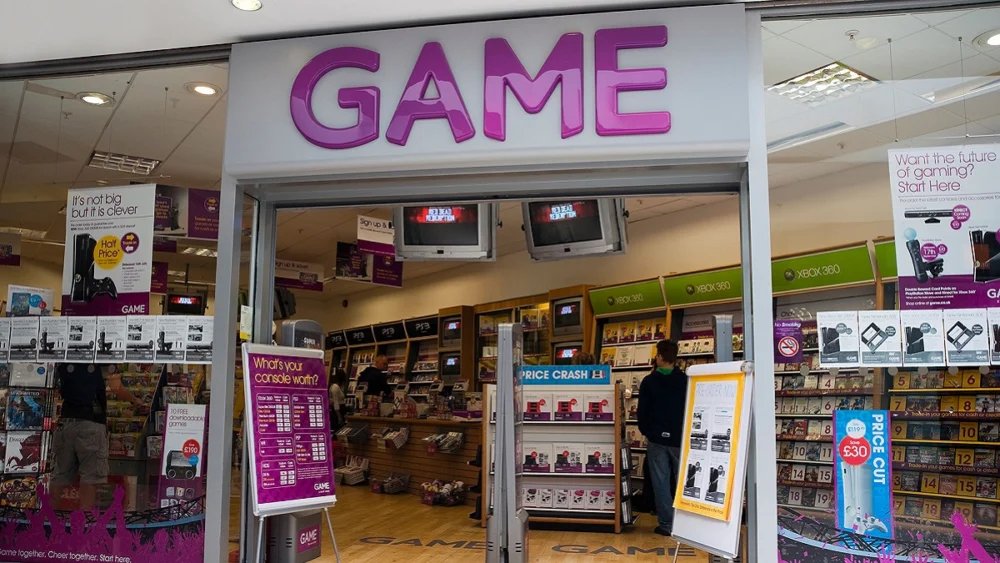
The United Kingdom’s prominent video game retailer, GAME, is reportedly informing its staff about potential redundancies and a significant shift towards zero-hours contracts for most of its workforce. This development comes at a time when the broader video game industry is experiencing widespread layoffs and studio closures, painting a grim picture for retail and development sectors alike. While official confirmation from GAME remains pending, anonymous sources within the company have shared these concerns with industry publications, signaling a challenging period for the long-standing retail giant.
Background: A Shifting Retail Landscape
For decades, GAME served as a cornerstone of physical video game retail in the UK. Established in 1992, the company grew to operate over 250 outlets across the nation, becoming the go-to destination for many gamers seeking the latest releases, pre-orders, and second-hand titles. The tactile experience of browsing shelves, discussing games with staff, and the immediate gratification of purchasing a physical copy were integral to the appeal of stores like GAME. However, the digital revolution has fundamentally altered consumer habits and the economic viability of traditional brick-and-mortar retail. The increasing prevalence of digital downloads, online marketplaces, and subscription services has steadily eroded the market share of physical media.
This seismic shift has not been without consequence for GAME. In 2019, the company faced significant financial distress, leading to its acquisition by the Frasers Group, a British retail conglomerate that also owns Sports Direct and House of Fraser. This acquisition marked a new chapter for GAME, with hopes that the backing of a larger entity could steer it through the evolving retail environment. However, the challenges persisted, and earlier this year, GAME announced the discontinuation of its popular trade-in service, a move that further signaled a strategic reorientation and likely a response to declining profitability associated with physical game resale.
The Current Situation: Rumors of Redundancies and Contract Changes
According to a report by Eurogamer, multiple GAME employees, speaking anonymously, have indicated that they have been notified of impending redundancies. The exact number of positions at risk has not been disclosed, and the company has not yet issued an official statement regarding these potential layoffs. The information suggests that the proposed changes will primarily affect non-managerial staff.
Crucially, the reports also highlight a widespread transition of most workers to zero-hours contracts. This type of employment agreement means that employees are not guaranteed a set number of working hours each week or month. While offering flexibility, zero-hours contracts can lead to income instability and a lack of predictable earnings for staff, impacting their financial planning and overall job security.
Sources indicate that affected employees are expected to be informed of their job status and contract changes via direct communication, likely through phone calls or emails, from the company. Eurogamer has reportedly reached out to GAME for an official comment on these developments, but no public response has been provided at the time of reporting.
Chronology of Challenges and Strategic Shifts
The current situation at GAME is not an isolated event but rather a culmination of pressures faced over several years:
- Pre-2019: GAME experienced a period of significant financial strain, marked by declining sales of physical media and increased competition from online retailers and digital storefronts.
- 2019: The company was acquired by Frasers Group, bringing it under the umbrella of a larger retail entity with the aim of financial restructuring and strategic repositioning.
- Early 2024: GAME announced the cessation of its trade-in service, a significant operational change that impacted a core aspect of its business model and customer engagement.
- Mid-2024 (Reported): News emerges of potential staff redundancies and a widespread shift to zero-hours contracts, indicating ongoing internal restructuring and cost-saving measures in response to market pressures.
Supporting Data and Industry Context
The challenges faced by GAME are emblematic of broader trends within the global video game market. While the industry as a whole continues to grow, the retail segment, particularly physical retail, is under immense pressure.
- Digital Dominance: Data from various market research firms consistently shows a growing preference for digital game purchases. For instance, in 2023, digital sales accounted for a significant majority of revenue in major gaming markets. While precise figures for the UK physical market are harder to isolate, the global trend is undeniable.
- Industry-Wide Layoffs: 2023 and early 2024 have been characterized by an unprecedented wave of layoffs across the gaming industry. Major studios and publishers, including Sony, Microsoft, Activision Blizzard, and Riot Games, have all announced significant workforce reductions. These cuts, often attributed to over-hiring during the pandemic boom and a need to streamline operations, highlight a period of consolidation and recalibration within the sector.
- Retail Sector Struggles: The decline of physical retail is not unique to gaming. Many sectors have seen brick-and-mortar stores struggle to compete with e-commerce. GAME’s situation reflects this wider retail malaise, exacerbated by the specific digital transition within the gaming sphere.
Potential Implications and Broader Impact
The reported developments at GAME have several significant implications:
- For Employees: The most immediate impact will be on the livelihoods of GAME’s staff. Potential redundancies mean job losses, while the shift to zero-hours contracts raises concerns about income security and benefits for those who remain. This move could significantly alter the working conditions and stability for a substantial portion of the company’s workforce.
- For Consumers: While the shift to digital is the primary driver of change, the contraction of physical retail chains like GAME could lead to fewer options for consumers who still prefer or rely on physical purchases, trade-ins, and in-person customer service. It might also reduce opportunities for impulse buys and the discovery of games through browsing.
- For the Physical Game Market: A reduction in the number of physical retail outlets could further accelerate the decline of physical game sales in the UK. GAME has been one of the last major dedicated physical game retailers, and its diminished presence could have a ripple effect on publishers and developers who still invest in physical releases.
- For the Frasers Group: The ongoing challenges at GAME will require continued strategic management and investment from its parent company. The effectiveness of Frasers Group’s strategies in navigating this evolving market will be a key factor in the future of the GAME brand.
Reactions from Related Parties (Inferred)
While official statements are absent, it is reasonable to infer potential reactions:
- Employee Representatives/Unions: If any employee representative bodies exist for GAME staff, they would likely express concerns about job security, the terms of zero-hours contracts, and advocate for fair treatment and support for affected employees.
- Gaming Community: Gamers who have a sentimental attachment to GAME stores or who rely on them for specific services may express disappointment or concern about the future of physical retail. Online forums and social media are likely to see discussions reflecting these sentiments.
- Industry Analysts: Gaming industry analysts would likely view these developments as a continuation of established trends, highlighting the ongoing challenges for physical retailers in the digital age and the broader industry’s need for adaptation and cost management.
Conclusion: A Challenging Chapter for a Legacy Retailer
The news regarding potential redundancies and the shift to zero-hours contracts at GAME UK underscores the intense pressures facing traditional retail in the digital era, particularly within the rapidly evolving video game market. While the company has yet to issue an official statement, the reports from its staff paint a picture of significant internal adjustments aimed at navigating a challenging economic landscape. As the industry continues to consolidate and digital platforms solidify their dominance, the future of physical game retail, and the employees who form its backbone, remains a subject of considerable concern and adaptation. The coming weeks will likely reveal the full extent of these changes and GAME’s strategic direction moving forward.