


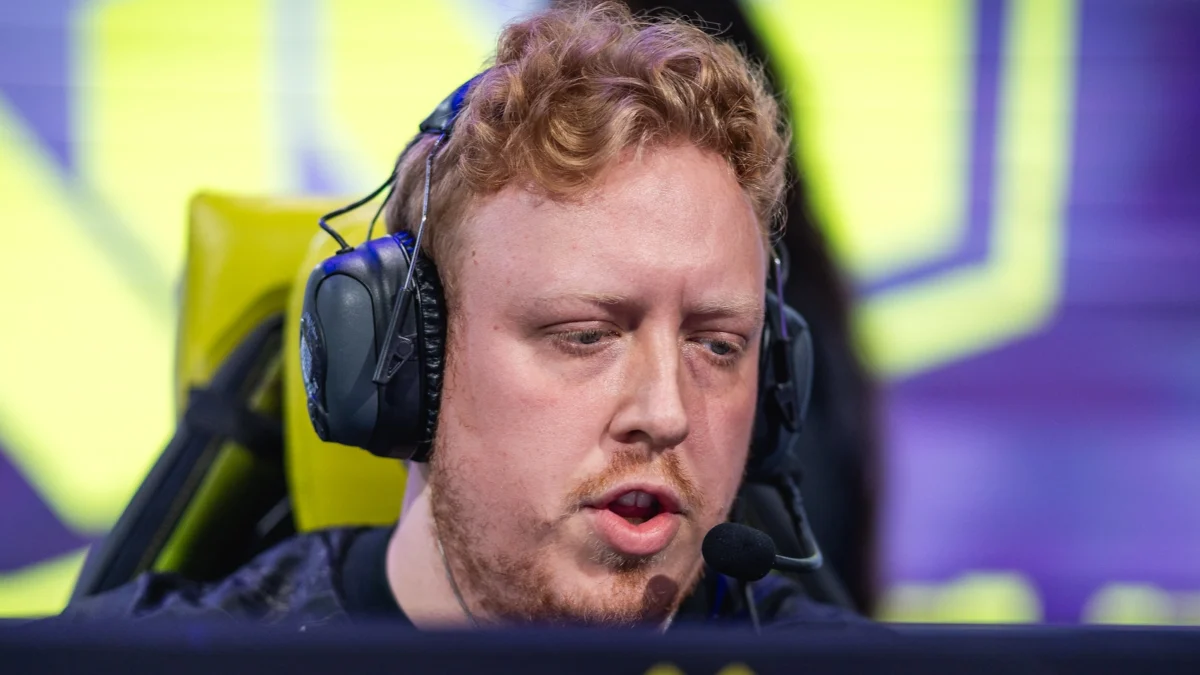
NAVI streamer and former professional Valorant player Ardis "ardiis" Svarenieks has issued a public apology following significant backlash for comments made during a co-stream of the Valorant Champions Tour (VCT) Game Changers tournament. Viewers widely described his remarks as transphobic, leading to swift criticism from the Valorant community and calls for action from both Riot Games and NAVI.
The controversy ignited after clips from the co-stream circulated rapidly across social media platforms. During the broadcast, ardiis, alongside former Fnatic player Leo "Leo" Jannesson, allegedly used the term "Bumblebees" to refer to certain players. This term was interpreted by a substantial portion of the audience as a derogatory and transphobic slur aimed at transgender competitors within the Game Changers circuit.
Further exacerbating the situation, ardiis was recorded stating, "I don’t want to get banned, but we need a nickname for them, bro." He then reportedly made a jest about changing his own gender to compete in the Game Changers league. These statements were met with widespread condemnation, with many fans and community members accusing the pair of employing transphobic language. The incident spurred immediate demands for Riot Games, the developer of Valorant and organizer of the VCT, to remove ardiis and Leo from future Game Changers broadcasts and potentially face further sanctions.
Timeline of Events and Escalating Backlash
The incident unfolded during a co-stream of the VCT Game Changers tournament, a competition specifically designed to foster opportunities and visibility for women and gender-diverse individuals in the tactical shooter esports scene. The exact date of the original co-stream has not been explicitly stated, but the backlash and subsequent apology emerged on or around July 22, 2026, based on the provided social media post date.
Following the spread of the controversial clips, the Valorant community, known for its passionate engagement and vocal stance on inclusivity, quickly mobilized. Social media platforms like X (formerly Twitter) became hubs for discussion, with users sharing their outrage and demanding accountability. Hashtags related to the controversy and the Game Changers initiative gained traction, highlighting the widespread concern.
Initial reactions from some quarters of the community included calls for both Riot Games and NAVI, ardiis’s associated organization, to issue official statements and take disciplinary action. The perception was that such comments undermined the integrity and inclusive spirit of the Game Changers program.
Ardiis’s Initial Defense and Subsequent Apology
In the immediate aftermath of the backlash, ardiis reportedly attempted to defend his remarks during a subsequent stream. He claimed that he had received private messages from women thanking him for "speaking out" and asserted that he was bringing valuable attention to the Game Changers scene. He was quoted as saying, "Do you know how many women have messaged me saying ‘I can’t go public, but thank you’? Minimum five. I’m the only one putting eyes on the Game Changers scene.” This defense was perceived by many as dismissive of the harm caused by his language and an attempt to reframe the issue as a matter of open discussion rather than offensive commentary.
Furthermore, ardiis reportedly articulated controversial views on the nature of gender identity during this period. He was quoted as suggesting that individuals with a "normal upbringing," characterized by a "good family tree," and without "family trauma," would not identify as transgender. He posited that transgender identity might arise from childhood trauma, abusive parental figures, or seeking acceptance within online communities. These assertions were widely criticized as misinformed, harmful, and lacking any scientific or psychological basis, further fueling the outcry.
The sincerity of ardiis’s eventual apology has also been questioned by some observers. Video clips purportedly from the time he was composing his apology message show him appearing to smile and asking, "what do I say sorry for, genuinely?" This has led to speculation that the apology may have been issued under duress rather than stemming from genuine remorse or understanding of the impact of his words.
On July 22, 2026, ardiis posted a public apology on X. The message read: "Hey everyone, The comments I made on stream about the transgender community were unacceptable. Even for me it was too much. I’m so sorry to everyone I offended; it won’t happen again. Peace and love to everyone." While this statement acknowledged the unacceptability of his comments, the prior attempts at justification and the perceived insincerity in the apology preparation process have led to ongoing debate about the depth of his understanding and commitment to change.
Riot Games’ Stance and the VCT Game Changers Rulebook
Riot Games’ commitment to inclusivity within the VCT is clearly outlined in its rulebook. The 2026 VCT Game Changers rulebook explicitly states that eligible players must identify as women or gender diverse. The program’s fundamental objective is to create equitable opportunities and enhance the visibility of women and other marginalized genders within the competitive Valorant landscape. This foundational principle underscores the severity with which comments that undermine or disparage these identities are likely to be viewed by the tournament organizers.
While Riot Games has not yet issued an official statement regarding ardiis’s specific comments or any potential disciplinary actions, the organization has a history of addressing and penalizing behavior that violates its code of conduct, particularly concerning discriminatory remarks. The controversy surrounding ardiis’s co-stream places Riot Games in a position where a response is expected to uphold the values of the Game Changers initiative.
Broader Implications and Community Analysis
The incident involving ardiis highlights a persistent challenge within the esports community: the need for greater awareness and education regarding transgender rights and identities. While the Valorant community has largely embraced inclusivity, isolated incidents of transphobia can have a significant chilling effect on transgender participation and acceptance.
The use of derogatory terms and the dissemination of misinformation about gender identity can contribute to a hostile environment for transgender players and fans. The Game Changers program, by its very design, aims to counteract such environments, but controversies like this underscore the ongoing work required to ensure that esports are truly welcoming to all.
The situation also brings into focus the responsibility of content creators and professional players. As public figures within the gaming world, their words and actions carry considerable weight and influence. Comments made on public platforms, even during co-streams not officially sanctioned by Riot Games, can have far-reaching consequences.
The fact that ardiis and Leo were co-streaming a Game Changers event amplifies the impact of their remarks. It suggests a potential lack of understanding or disregard for the specific purpose and inclusivity goals of the tournament they were covering. The notion that bringing attention to the scene through potentially offensive commentary is a valid strategy is a perspective that many in the community find problematic, arguing that positive attention through respectful engagement is the only acceptable path.
Looking Ahead: Accountability and Education
The coming days and weeks will likely see further developments, including potential statements from NAVI and Riot Games, and possibly further clarification or action regarding ardiis and Leo. The community will be watching closely to see how these entities respond and what measures are put in place to prevent similar incidents from occurring in the future.
This controversy serves as a critical reminder of the importance of ongoing dialogue, education, and accountability within the esports ecosystem. For the VCT Game Changers to fulfill its promise of creating a truly equitable and inclusive space, all participants, including streamers and commentators, must uphold the highest standards of respect and understanding towards all individuals, particularly those from marginalized communities. The path forward requires not only apologies but a demonstrated commitment to learning, growth, and active promotion of an inclusive gaming culture. The Valorant community, in its vocal reaction, has underscored its commitment to these principles, setting a clear expectation for the future of the competitive landscape.