


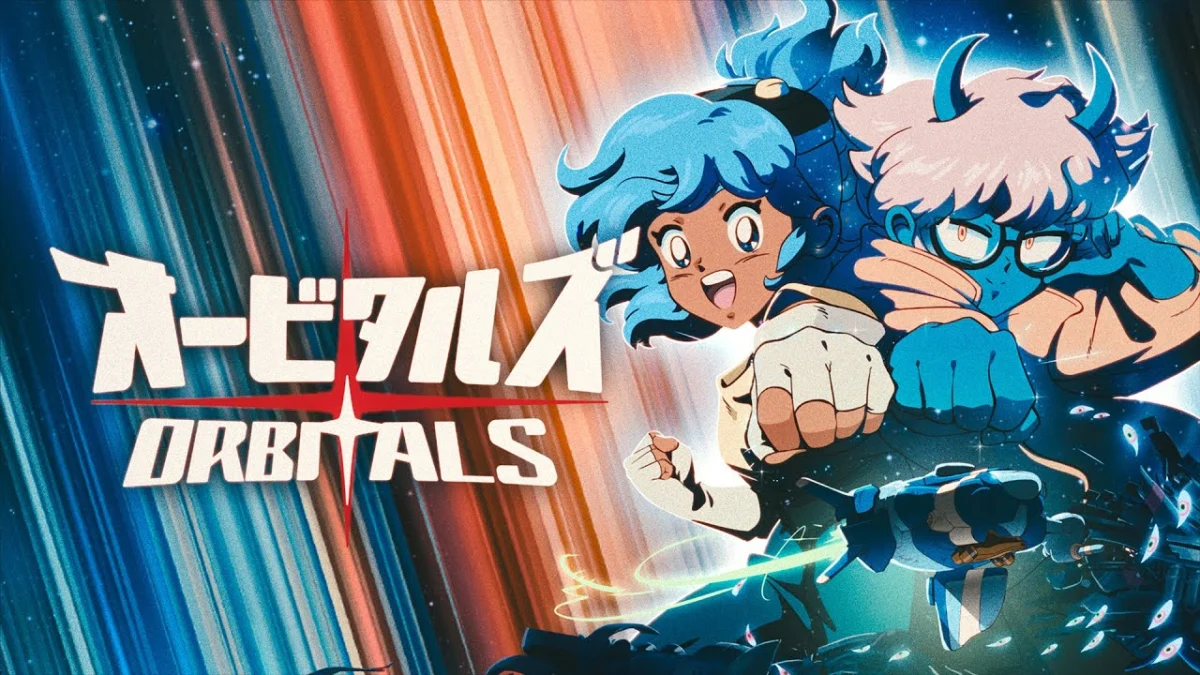
Developer Shapefarm has launched its inaugural title, Orbitals, positioning it as a significant entry into the competitive couch co-op genre. More than a mere adventure, the game serves as a vibrant homage to classic anime, consciously weaving in stylistic and thematic elements from iconic series such as Cowboy Bebop, Neon Genesis Evangelion, and Sailor Moon. This fusion is complemented by meticulously crafted animated cutscenes, courtesy of Studio Massket, enhancing the game’s nostalgic appeal and distinct visual identity. While Orbitals navigates a fine line between inspiration and originality, its deliberate embrace of beloved animation tropes, coupled with innovative co-op mechanics, aims to offer a fresh yet familiar experience for players.
The landscape of modern couch co-op gaming has, in recent years, been largely defined by the prolific output of Hazelight Studios. Their award-winning titles, including It Takes Two and Split Fiction, have set a high benchmark for interactive cooperative experiences, often involving intricate narratives and unique player interdependencies. The influence of Hazelight is undeniable, making it a natural, if sometimes challenging, point of comparison for any new studio entering this niche. However, Orbitals emerges with a distinct advantage: its development team is notably helmed by former Hazelight talent. Game Director Jakob Lundgren, a veteran of Hazelight, previously indicated to Polygon that Orbitals would integrate much of the "Hazelight DNA," a promise that appears to have materialized not just as an imitation, but as an evolution of the established formula.
The Genesis of Shapefarm and the Hazelight Legacy
Shapefarm’s formation as a new independent studio carries inherent challenges and opportunities. For a debut title, securing a foothold in an established genre requires a compelling differentiator. The strategic decision to staff key positions with individuals from a highly successful and critically acclaimed studio like Hazelight provides Shapefarm with immediate credibility and a foundational understanding of effective co-op game design. Hazelight Studios, under the creative direction of Josef Fares, has cultivated a reputation for pushing the boundaries of cooperative gameplay, often prioritizing unique mechanics that necessitate genuine teamwork and communication. Their titles have not only garnered commercial success but have also received widespread critical acclaim, culminating in It Takes Two winning Game of the Year at The Game Awards 2021. This success has cemented Hazelight’s philosophy that games designed exclusively for co-op can offer unparalleled interactive experiences.
Jakob Lundgren’s transition from Hazelight to Shapefarm brings invaluable experience in designing cooperative systems that foster player engagement. His stated intention to build upon Hazelight’s principles suggests a commitment to addressing perceived limitations while retaining the core strengths. This background provides a crucial context for understanding Orbitals‘ design choices, particularly its emphasis on dynamic player interaction and minimizing passive gameplay segments, a common critique leveled against some co-op titles where one player might temporarily be relegated to a less active support role.
Innovative Co-Op Design: Constant Engagement
One of Orbitals‘ most lauded advancements lies in its refined approach to cooperative mechanics. The game actively mitigates instances of "standing around and holding down a single button" that can occasionally punctuate other co-op adventures. Instead, Orbitals is meticulously designed to keep both players, Maki and Omura, continuously involved in the action, whether navigating platforming sections, solving environmental puzzles, or engaging with obstacles. This design philosophy translates into a more fluid and consistently engaging experience, where neither player feels sidelined or disengaged.

The game’s challenges frequently demand synchronized movements, coordinated gadget usage, and real-time problem-solving. For example, players might utilize lasers to cut through reinforced doors while simultaneously operating clamps along its outline, or deploy water guns to clear hazardous lava flows to create safe passage. Jump packs and other cool gadgets are integrated into the environment, requiring partners to create new platforms or forge paths for each other in creative ways. This kinetic approach to puzzle-solving necessitates ongoing communication and precise timing, transforming each encounter into a dynamic collaborative effort. The developers have engineered scenarios where even when separated, partners remain actively connected, influencing each other’s progress and surroundings. This stands in contrast to scenarios where one player’s primary role might be to merely activate a switch for an extended period, allowing the other to advance independently. This constant, active interplay is a direct evolution of the co-op formula, aiming to enhance the sense of shared accomplishment and mutual dependency that defines the genre’s appeal.
A Canvas of Nostalgia: The Anime Aesthetic
Orbitals unabashedly embraces its anime inspirations, leveraging them not just as a visual style but as a core component of its identity. The game’s aesthetic is a deliberate homage to the golden age of 1980s and 1990s Japanese animation, a period renowned for its distinct visual flair, compelling storytelling, and memorable character archetypes.
The influences are diverse and profound:
- Cowboy Bebop: The game’s depiction of spaceships as "grimy, industrial" and its overall sense of a lived-in, somewhat derelict future echoes the gritty, jazz-infused sci-fi noir of Cowboy Bebop. This influence provides a grounded, yet stylized, backdrop to the cosmic journey.
- Neon Genesis Evangelion: The "IM respawn machines" that repeatedly bring Maki and Omura back to life touch upon themes of existential dread and the blurring lines between life, death, and technology, reminiscent of Evangelion‘s profound psychological and philosophical undercurrents. While Orbitals may not delve into these implications with the same depth as its inspiration, the conceptual nod adds a layer of intellectual intrigue.
- Sailor Moon: The protagonist Maki’s appearance and demeanor evoke the "magical girl" archetype, a staple of series like Sailor Moon, known for its vibrant heroism and character transformations. Her partner, Omura, with his intelligence, slight nerdiness, and excessive pride, presents an endearing blend of classic anime personalities, drawing parallels to characters like Ranma Saotome from Ranma ½ or even the iconic Spike Spiegel from Cowboy Bebop.
The visual storytelling is further elevated by the involvement of Studio Massket, responsible for the game’s hand-drawn animated cutscenes. Studio Massket’s expertise in traditional animation brings a level of charm and fluidity that differentiates Orbitals from many contemporary games. These cutscenes are not merely interstitial elements but integral parts of the narrative, enriching character interactions and world-building with a warmth and personality often found in feature-length animated films. The commitment to this handcrafted style demonstrates a dedication to authenticity, ensuring that the nostalgic aesthetic is not just surface-deep but permeates the entire presentation. This attention to detail, from character emotes (like Omura’s "wiggly dance") to environmental flourishes, contributes significantly to the game’s overall appeal and ensures that its visual identity is a major draw for players, particularly those with an affinity for vintage anime.
The Perilous Journey: Story, Characters, and World
Orbitals crafts a high-concept sci-fi premise centered on the young space colonists, Maki and Omura. Their lives have been spent within the confines of a stranded space colony, a relic ravaged by a mysterious radiation storm. Survival in this desolate environment hinges on the existence of advanced "IM respawn machines," which grant a form of immortality, albeit one with potentially profound, albeit unexplored, implications. As danger intensifies and resources dwindle, Maki and Omura embark on a perilous journey into the far reaches of space. Their mission: to scavenge essential supplies and components necessary to save their "found family" on the station and potentially orchestrate an escape from the wreckage.
While the narrative premise is compelling, the story and character development, despite their loving homages, are noted to be somewhat "by-the-numbers." The game leans heavily on established anime tropes without always evolving them into truly original contributions. This approach, while satisfying for players seeking comfortable familiarity, may not resonate with those looking for groundbreaking narrative depth or complex character arcs that transcend their inspirations. The reviewer, for instance, mentioned needing an entire play session to truly engage with the story, and noted that their co-op partner never fully connected emotionally with the world. This suggests that while the aesthetic does "heavy lifting," the narrative may not consistently deliver equally profound emotional or thematic resonance.

Despite potential narrative shortcomings, the environmental design offers a visually diverse and engaging universe. While the core setting revolves around "broken-down spaceships," the game introduces a variety of distinct locales within this theme. Players will navigate through treacherous asteroid field mining settlements, explore the chilling depths of an iced-over power plant, and brave the fiery hazards of a crackling, lava-filled factory, among other visually striking vistas. Each environment, while thematically consistent with a post-catastrophe space setting, presents unique visual challenges and opportunities for exploration. The game’s relatively short playtime ensures that no single level overstays its welcome, maintaining a brisk pace and constant sense of progression, even if some environments begin to blend together over the course of the adventure. This balance between varied locations and concise design contributes to a focused and enjoyable experience.
Navigating the Stars: Puzzle Design and Challenge
Orbitals distinguishes itself with a brand of "kinetic puzzling" that demands a higher degree of active engagement and coordination than many of its genre counterparts. Unlike scenarios where one player might be static while the other progresses, Orbitals minimizes these passive moments. Even when players are temporarily separated, the game ensures they remain intrinsically linked, requiring constant communication and synchronized actions to overcome obstacles. For example, a particularly challenging sequence might involve one player precisely timing their movements to send platforms back and forth across a side-scrolling screen, all while a looming threat pursues their partner. This level of mechanical challenge fosters a unique sense of teamwork, forcing players to strategize and execute maneuvers in tandem.
This emphasis on precision platforming and coordinated problem-solving positions Orbitals as a potentially demanding experience, especially for novice gamers or couples who have previously struggled with the intricacies of co-op platformers. While the game’s bite-sized adventure, completable in roughly three play sessions, makes it an easier commitment than some lengthy titles, its difficulty spike could be a "blocker" for less experienced players. However, for seasoned gamers and those who appreciate a more active, less "handhold-y" approach to co-op puzzles, this heightened challenge represents a significant draw. The satisfaction derived from successfully executing a complex, synchronized maneuver reinforces the game’s core appeal as a truly collaborative endeavor.
Beyond the Main Quest: Side Content and Charm
Beyond its core narrative and co-op challenges, Orbitals enriches its universe with a variety of charming side elements and unlockable content. These additions contribute significantly to the game’s personality and offer welcome diversions from the main story or intense platforming sequences. Players can interact with the main characters’ "lovable purple cat," a delightful companion that adds a touch of levity and charm to the proceedings. Scattered throughout the world are also "little Studio Ghibli-inspired alien dudes," quirky creatures that evoke the whimsical and imaginative aesthetic of Hayao Miyazaki’s works, encouraging exploration and discovery.
Furthermore, the game features "seriously engaging unlockable minigames." A standout among these is a versus mode reminiscent of classic arcade titles like Space War, where players engage in blaster combat with absurd recoil. These minigames provide a competitive outlet and a change of pace, demonstrating Shapefarm’s commitment to offering diverse gameplay experiences within the Orbitals package. These optional activities not only extend the game’s replayability but also deepen the player’s connection to its unique world and quirky inhabitants, reinforcing the overall sense of a lovingly crafted universe. The game’s handcrafted anime art style and constant attention to small details, from expressive character emotes to environmental flourishes, make these discoveries around every corner genuinely enjoyable for most players, enhancing the overall sense of immersion and delight.
Market Position and Future Outlook on Nintendo Switch 2

Orbitals‘ release on the Nintendo Switch 2 for $40 positions it strategically within the gaming market. The mention of "Switch 2" suggests a future console launch, placing Orbitals as an early or launch title for Nintendo’s next-generation hardware. This offers a unique opportunity for Shapefarm to capture attention on a new platform, potentially benefiting from a less saturated launch window compared to current-gen consoles. Nintendo platforms have historically been strong markets for local multiplayer and co-op games, aligning well with Orbitals‘ core offering. The Switch’s family-friendly image and its emphasis on portable, communal gaming experiences make it an ideal home for a couch co-op title, and its successor is expected to continue this tradition.
The $40 price point places Orbitals in a competitive segment, balancing between full-price AAA titles and lower-priced indie offerings. For a debut title from a new studio, this pricing strategy suggests confidence in the game’s quality and its ability to deliver a premium co-op experience, especially given its refined mechanics and high-quality animated cutscenes. The game’s relatively short playtime, while a potential drawback for some, could also be seen as an advantage for players seeking a more manageable commitment, fitting well with the on-the-go nature often associated with Nintendo’s hardware.
The success of Orbitals will have significant implications for Shapefarm. A strong debut could establish them as a formidable new player in the cooperative gaming space, known for their innovative design and distinct artistic vision. It could also influence the broader co-op genre, inspiring other developers to explore more dynamic and constantly engaging player interactions. For indie developers, Orbitals‘ journey could serve as a case study in leveraging experienced talent and a unique artistic direction to challenge established genre leaders. As a potential flagship co-op title for the Nintendo Switch 2, Orbitals is poised to carve out its own niche, offering a compelling blend of nostalgic charm and modern gameplay innovation.
Conclusion: A New Orbit in Co-Op Gaming
Orbitals, Shapefarm’s debut, represents a commendable effort to enrich the couch co-op experience. By blending a vibrant, nostalgic anime aesthetic with refined cooperative mechanics that prioritize constant player engagement, the game offers a fresh perspective within a genre largely shaped by Hazelight Studios. While its narrative might not delve into the philosophical depths of its inspirations, the sheer charm of its visual design, powered by Studio Massket’s hand-drawn animation, and the kinetic satisfaction of its puzzles, provide a compelling journey. Its challenging co-op sequences might test the patience of novice players, but for enthusiasts seeking a truly collaborative and actively engaging adventure, Orbitals delivers. Launching as an exclusive for the Nintendo Switch 2 at $40, it is positioned to make a significant impact on the next generation of cooperative gaming, potentially charting a new course for both Shapefarm and the genre itself.