


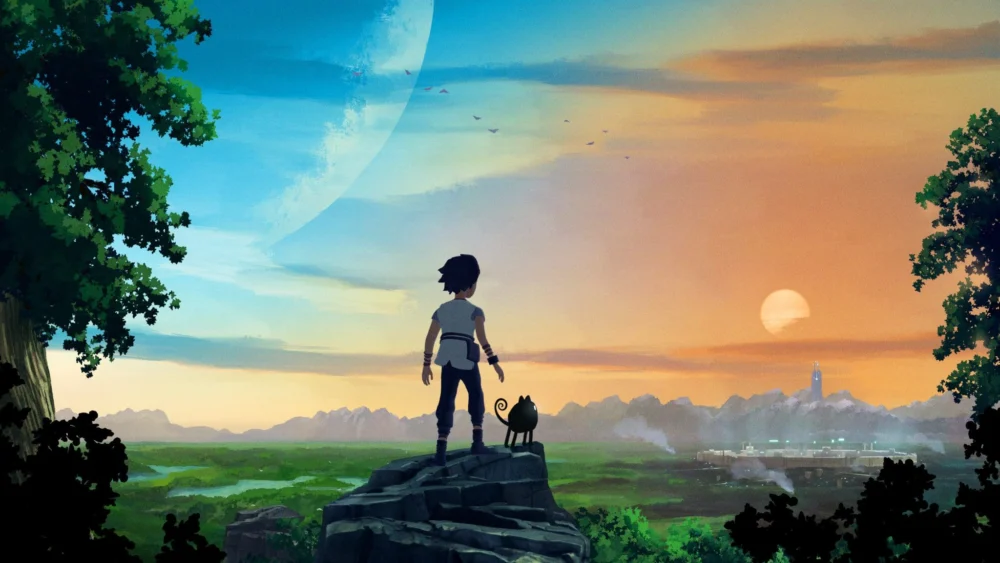
The highly anticipated sequel to Wishfully’s breakout cinematic platformer, Planet of Lana II: Children of the Leaf, has officially launched, marking a significant expansion of the lush, hand-painted world of Novo. Developed by the Swedish studio Wishfully and published by Thunderful, the title serves as a direct narrative successor to the 2023 original, which garnered critical acclaim for its visual fidelity and emotional resonance. This sequel aims to broaden the scope of the "cinematic puzzle adventure" genre, introducing more complex mechanical layers, a deeper exploration of the planet’s lore, and a narrative that shifts from a singular rescue mission to a broader conflict involving industrial exploitation and ecological preservation.

Narrative Foundation and the Evolution of Novo
The events of Planet of Lana II take place several years after the conclusion of the first game. In the original title, players guided the young protagonist, Lana, through a machine-led invasion to rescue her sister. In the intervening years, the world of Novo has undergone a profound cultural shift. The remnants of the hostile machine forces have transitioned from being perceived as existential threats to becoming integrated components of the tribal infrastructure. This integration highlights a theme of technological adaptation that permeates the sequel’s world-building.
The narrative inciting incident is grounded in personal stakes. The protagonist’s young niece falls critically ill, a condition directly linked to the environmental degradation caused by a new faction known as the Dijinghala. Unlike the mysterious extraterrestrial machines of the first game, the Dijinghala are a tribe utilizing advanced technology to aggressively mine Novo’s natural resources. Their industrial operations have turned Lana’s ancestral lands into a dumping ground for toxic runoff, creating an urgent medical and environmental crisis. This setup transitions the series from a story of survival against the unknown into a more grounded exploration of industrial conflict and resource management.

Chronology of Development and Creative Vision
The development of Planet of Lana II was led by creative directors Adam Stjärnljus and Klas Eriksson, who sought to address player feedback from the first installment while maintaining the series’ signature aesthetic. According to the directors, the goal for the sequel was to move beyond the "window into the stars" established in the first game and provide concrete answers to the mysteries surrounding Novo’s origins.
A key element retained from the predecessor is the use of a fictional, untranslated language. While the game provides a translated recap of the first adventure at the start, the majority of the dialogue is communicated through tone, gesture, and contextual animation. This stylistic choice is intended to foster a universal emotional connection between the player and the characters, relying on the voice acting and character movements to convey meaning rather than traditional subtitles.

Mechanical Innovations and Companion-Based Puzzles
At its core, Planet of Lana II remains a companion-driven puzzle adventure. The relationship between Lana and her feline-like companion, Mui, remains the primary focus of the gameplay loop. However, several mechanical refinements have been implemented to reflect Lana’s maturity and the evolving dangers of the environment.
Lana’s Expanded Move-Set
Lana is depicted as more agile and capable than in her previous outing. The control scheme has been tuned to allow for faster traversal, including more fluid sliding, climbing, and jumping mechanics. Her interaction with technology has also evolved; she can now hack various industrial devices and machines, often utilizing Mui’s EMP (Electromagnetic Pulse) ability to disable security systems or take direct control of mechanical units to solve environmental puzzles.

Mui’s Autonomy and New Abilities
Mui, the small, black creature that follows Lana, features an expanded role in the sequel. While players can still issue direct commands—such as staying in place or interacting with distant switches—Mui exhibits greater independence in certain sequences. New gameplay segments allow players to control Mui directly, offering a different perspective on the world.
A notable mechanical addition is the solution to Mui’s established hydrophobia. In the first game, water acted as a hard barrier for the creature. In the sequel, the developers introduced specialized fauna that can create a watertight air pocket around Mui, allowing Lana to carry him through submerged sections. This change has opened up the "ocean waters of Novo" for exploration, including coral reefs and deep-sea caverns.

Environmental Puzzle Diversity
The puzzle design has been diversified through the introduction of new biological and mechanical entities:
- The White Fuzzball: A creature that adheres to walls and excretes a flammable substance, which Lana must ignite to clear paths or activate machinery.
- Inking Fish: Submerged creatures that can be manipulated to squirt ink, effectively creating "smoke screens" to block the line of sight of hostile automated turrets.
- Musical Puzzles: Returning from the first game, these segments require players to interact with the environment based on melodic cues, often serving as the emotional peaks of a chapter.
Technical Execution and Audiovisual Artistry
Planet of Lana II continues the series’ tradition of high-end audiovisual presentation. The game utilizes a parallax-heavy, hand-painted art style that mimics the look of high-budget animated films. This aesthetic is supported by a robust technical foundation; testing on high-end PC hardware and portable devices like the ROG Ally X indicates a high level of optimization, with stable frame rates even in complex scenes featuring dense foliage and weather effects.

The auditory experience is once again anchored by composer Takeshi Furukawa, known for his work on The Last Guardian. The score for Planet of Lana II is designed to be reactive, shifting in tone from the tranquil, folk-inspired melodies of the village to the industrial, percussive themes found in the Dijinghala mines. The soundtrack is considered a critical component of the game’s narrative delivery, filling the void left by the lack of translated dialogue.
Supporting Data and Completion Metrics
Market data and early player metrics provide a snapshot of the game’s positioning within the indie market:

- Average Completion Time: A standard playthrough is estimated at approximately 6 to 7 hours, slightly longer than the 4 to 5 hours of the original title.
- Platform Availability: The game is currently available on PC and the Xbox ecosystem, with future ports to other consoles expected based on the historical release pattern of the first game.
- Narrative Structure: The game features a journal system where Lana collects notes and sketches, providing lore for players who wish to engage with the deeper history of Novo beyond the main questline.
Broader Impact and Industry Implications
The release of Planet of Lana II: Children of the Leaf represents a maturing of the "cinematic platformer" sub-genre. Historically defined by titles like Limbo and Inside, the genre has often leaned toward dark, minimalist storytelling. Wishfully’s series stands as a counter-narrative to this trend, proving that the same mechanical framework can be used to tell vibrant, emotionally hopeful stories without sacrificing tension or atmospheric depth.
The game’s focus on environmental themes—specifically the tension between indigenous preservation and industrial exploitation—aligns it with contemporary discourse in the gaming industry regarding ecological storytelling. By grounding the conflict in the health of a family member, the developers have successfully humanized the larger environmental stakes, making the "save the world" trope feel intimate and immediate.

In conclusion, Planet of Lana II: Children of the Leaf is a refined sequel that builds upon its predecessor’s strengths. While it maintains a sense of familiarity that may feel safe to returning players, the additions of underwater exploration, direct companion control, and a more complex industrial antagonist provide enough novelty to justify its existence as a "bigger and broader" adventure. As the indie market continues to fluctuate, Wishfully has solidified its position as a studio capable of delivering high-production-value experiences that prioritize artistic intent and emotional clarity.