


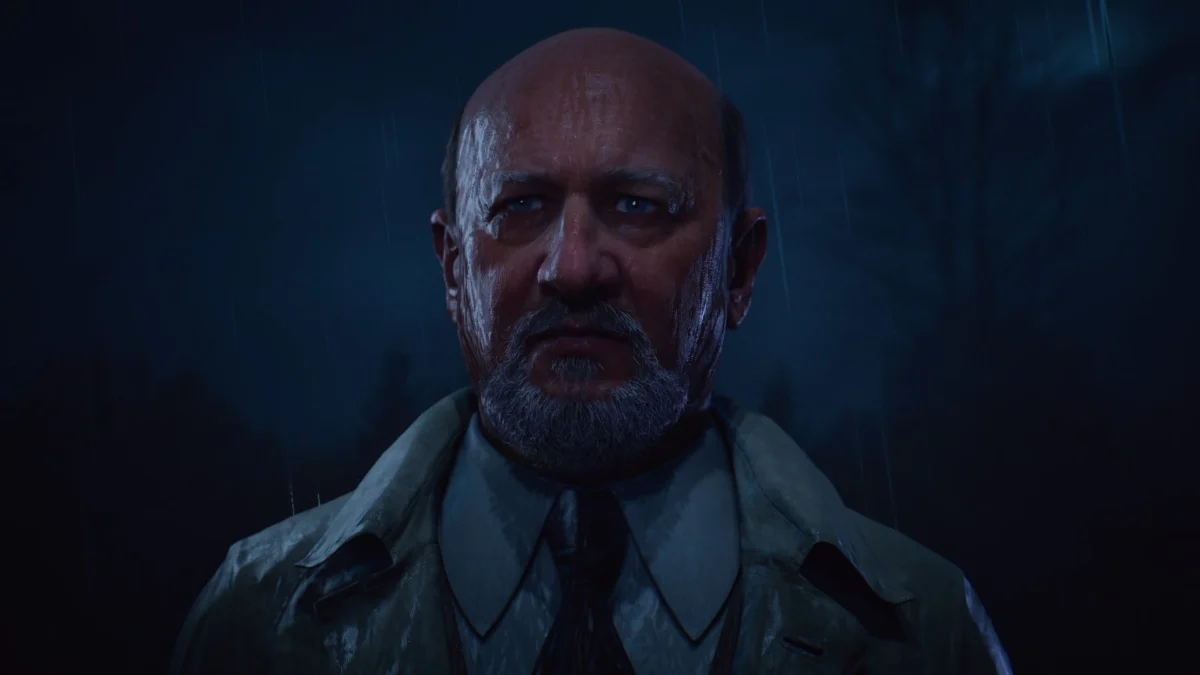
Halloween: The Game, a highly anticipated asymmetrical horror title developed by IllFonic, has officially commenced its "Advance Access" period for players who purchased the Digital Deluxe Edition. This early release, which began on September 5th, allows eager fans to dive into the iconic horror universe ahead of the standard edition’s global launch scheduled for September 8th. The staggered release strategy aims to reward early adopters and generate pre-launch buzz, while also providing a crucial period for initial feedback and potential day-one patch implementations.
The game enters a competitive market segment dominated by titles like Dead by Daylight, promising a fresh take on the 4v1 (or similar) horror multiplayer formula. Players can assume the role of the relentless slasher Michael Myers or one of several survivors attempting to escape his wrath within the meticulously recreated setting of Haddonfield. As the initial reviews from various gaming publications begin to surface, a clearer picture of the game’s strengths and weaknesses is emerging, painting a moderately positive but nuanced reception.
The Evolving Landscape of Asymmetrical Horror
The asymmetrical horror genre has seen a significant boom in recent years, largely propelled by the success of Behaviour Interactive’s Dead by Daylight, which celebrated its eighth anniversary in 2024. This genre typically pits a single, powerful killer against a team of weaker survivors, creating tension and dynamic gameplay scenarios. IllFonic, the studio behind Halloween: The Game, is no stranger to this space. They previously developed Friday the 13th: The Game (2017), which, despite its initial popularity and faithful adaptation of the slasher franchise, ultimately faced legal challenges that halted new content development. Following this, IllFonic released Predator: Hunting Grounds (2020) and Ghostbusters: Spirits Unleashed (2022), further solidifying their expertise in asymmetrical multiplayer experiences centered around beloved IPs.
The studio’s track record with adapting horror franchises provides a significant background for Halloween: The Game. Fans often look to IllFonic for authentic recreations of their favorite horror universes, focusing on atmosphere, character abilities, and gameplay mechanics that reflect the source material. The challenge, however, lies in maintaining long-term player engagement, ensuring balanced gameplay, and delivering consistent performance across various platforms – areas where previous titles in the genre have sometimes struggled. The decision to launch with an "Advance Access" period for a premium edition is a common strategy in the industry, allowing for a soft launch to stress test servers, identify critical bugs, and gather player data before the wider release.
Initial Critical Reception: A Mixed but Promising Outlook
Early reviews for Halloween: The Game indicate a generally positive reception, with most scores clustering in the 7/10 to 8/10 range. Reviewers frequently lauded the game’s atmospheric immersion and its faithful recreation of the Halloween universe, particularly the iconic setting of Haddonfield. The experience of playing as Michael Myers, the franchise’s legendary antagonist, also garnered significant praise for delivering on the fantasy of being an unstoppable force of terror.
GameSpot, awarding an 8/10 (PC Review), highlighted IllFonic’s passion for the horror genre, stating, "Games like Halloween don’t make me think the landscape is oversaturated. It makes me excited to see what teams that love horror the way IllFonic does will do next, because here, with Halloween, they nailed it." This suggests a game that not only understands its source material but also executes its vision effectively within the genre.
TheGamer, also giving an 8/10 (PC Review), echoed these sentiments, noting the game’s strong atmosphere: "Halloween: The Game may not be the cleanest asymmetrical horror game I’ve played, but it is one of the more atmospheric. Its Haddonfield is gorgeous, and its multiplayer creates plenty of unpredictable encounters. Stepping into Michael Myers’ boots is exactly the kind of absurd fun a Halloween game should offer." This review emphasizes the immersive qualities and the core fun factor derived from embodying the iconic killer.
Gamer Social Club, with a 7.5/10 (PC Review), provided a more nuanced perspective. While acknowledging the game’s potential and the excellent Michael Myers experience, they noted a perceived imbalance: "Halloween: The Game doesn’t feel like two separate games thankfully. However it does feel like so much more time went into embodying and becoming one with Michael and not the rest of the cast." This suggests that while the killer gameplay is polished, the survivor experience might require further refinement. Crucially, the review mentioned that "when provided with a copy for review, we were made aware of a few additional fixes and features that would be available by launch day," hinting at ongoing developer support and planned improvements.
The Outerhaven’s 7/10 (PS5 Review) lauded the game for resurrecting the asymmetrical horror gameplay reminiscent of Friday the 13th, while carving out its own identity. They praised a short but sweet campaign mode and a bold stab at prioritizing NPC rescue over player survival, which they felt mostly "slices through the competition." This unique mechanic, where survivors must protect non-player characters, adds a fresh layer of strategy to the genre.
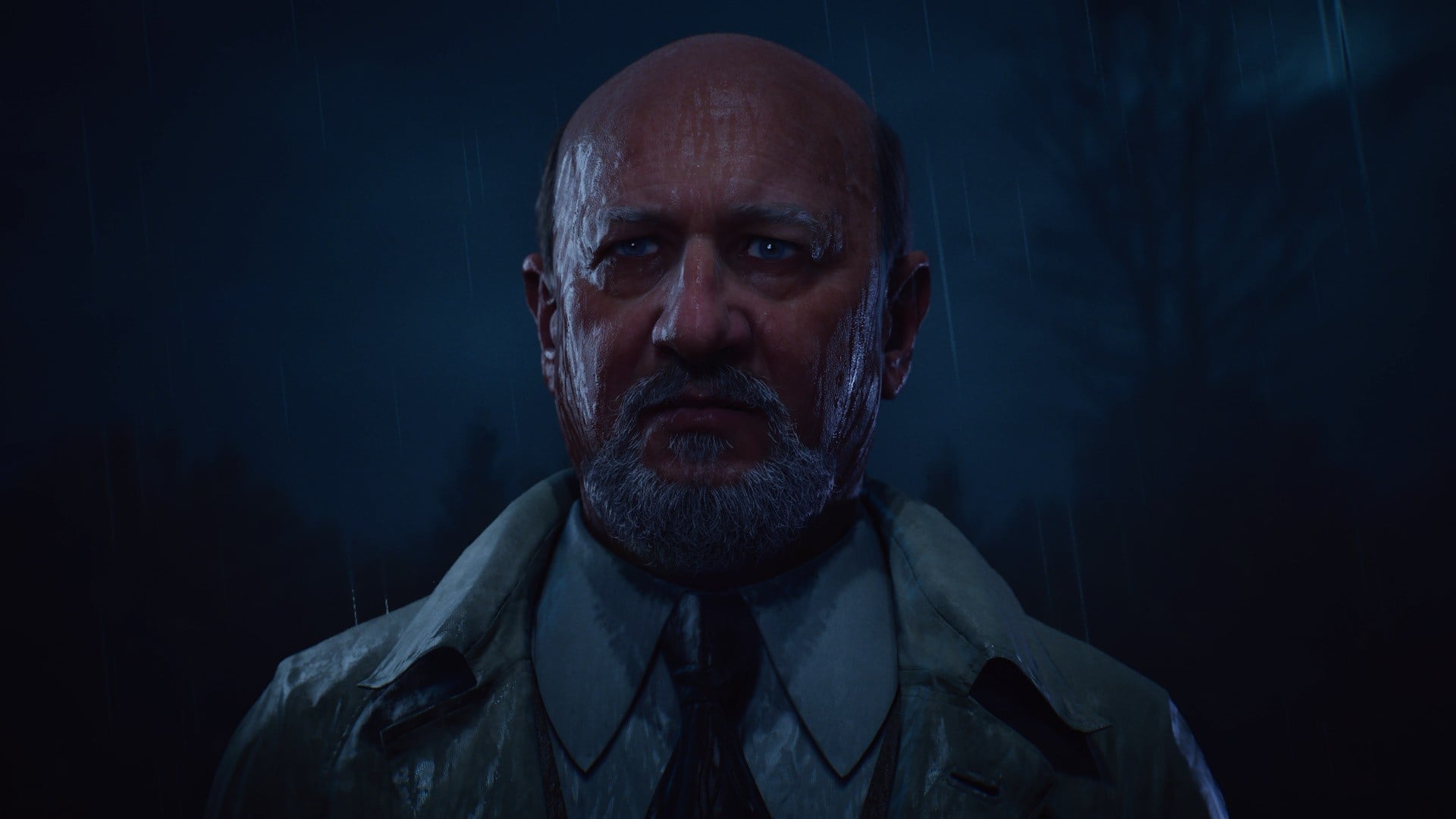
NoisyPixel, also rating it 7/10 (PC Review), described the game as a "tense and cinematic asymmetrical horror experience that gives Michael Myers and Haddonfield a strong video game adaptation." They appreciated the unique focus on protecting NPC residents, enjoyable killer and hero gameplay, and faithful atmosphere. However, concerns were raised regarding "unreliable AI, lengthy matches, and concerns about long-term variety," which prevent it from fully realizing its potential. These points highlight common challenges in asymmetrical multiplayer titles, where AI behavior and content longevity are critical for sustained player interest.
Performance Concerns on Console Platforms
While PC reviews generally reported a solid experience, performance on console platforms, particularly Xbox, has emerged as a significant point of concern. Day One’s Xbox review, which awarded a 5/10, specifically addressed these issues. Although the review acknowledged the game’s visual appeal – noting it is "often a nice-looking game, and often a very good-looking game within its genre, especially as the market leader is coming up on a decade and showing its age" – it raised alarms about consistency in motion.
According to Day One, "Whether in 30fps Quality Mode or 60fps Performance Mode on Series X, things get a little less consistent in motion, with common instances of frame rate drops and slowdown. Performance mode also takes enough of a resolution hit that a lot of visual fidelity is lost, and items such as the beer and joint can cause readability issues beyond the intended effects in-game." This suggests that even the supposed 60fps performance mode struggles to maintain a stable frame rate, and sacrifices visual quality significantly.
Further corroborating these concerns, footage from Fuzion Xbox Testing indicated that both the Xbox Series X and Xbox Series S versions displayed a maximum of 30 frames per second (FPS) in both Quality and Performance modes. This contradicts the expectation of a 60FPS performance mode mentioned in some reviews and is highly unusual for current-generation consoles. The discrepancy has led to speculation that this might be a bug or an unoptimized build for the review copies, rather than the intended final performance. Such inconsistencies can significantly impact the gameplay experience, particularly in a fast-paced horror title where smooth performance is crucial for quick reactions and immersion.
Developer Intent and the Early Access Strategy
The mention of "additional fixes and features by launch day" in several reviews suggests that IllFonic is actively engaged in refining Halloween: The Game even as it enters Advance Access. This proactive approach is common for studios releasing games with online components, leveraging early access periods to gather real-time data and player feedback to address issues before the broader release. The purpose of Advance Access is not only to reward loyal fans but also to serve as a live beta test, allowing developers to identify server stability issues, balance gameplay mechanics, and iron out critical bugs under real-world conditions.
IllFonic’s history with Friday the 13th: The Game demonstrated their commitment to post-launch support through patches and content updates (before legal issues intervened). It is reasonable to infer a similar commitment to Halloween: The Game, with the expectation of ongoing patches to improve performance, especially on consoles, and to address gameplay balance concerns raised by early reviewers. The success of an asymmetrical horror game often hinges on a consistent flow of new content, bug fixes, and community engagement to keep players invested over the long term.
Broader Implications and Market Position
Halloween: The Game enters a competitive but passionate niche within the gaming market. Its primary competitor, Dead by Daylight, has established a robust ecosystem with frequent updates, new killers, survivors, and licensed content. For Halloween: The Game to carve out a significant share, it must leverage its unique mechanics, such as the NPC rescue system, and the powerful allure of the Halloween intellectual property.
The critical reception, while generally positive, highlights areas that require attention. Addressing performance issues on consoles will be paramount for reaching a wider audience and ensuring a consistent player experience across all platforms. Furthermore, the longevity of the game will depend on IllFonic’s ability to maintain a balanced and engaging experience for both Michael Myers and the survivor players, as well as a steady stream of post-launch content, including new maps, characters, and game modes. The initial pricing strategy, with a Digital Deluxe Edition at £49.99 / $59.99 offering early access compared to the standard £33.99 / $39.99, reflects a common industry model to monetize early access and cater to dedicated fans.
The game’s release contributes significantly to the Halloween multimedia franchise, offering fans a new interactive way to experience the iconic horror narrative. Its success will not only bolster IllFonic’s reputation as a purveyor of licensed horror games but also potentially open doors for further adaptations of classic horror IPs into the asymmetrical multiplayer genre. As the official launch on September 8th approaches, all eyes will be on IllFonic to see how they respond to initial feedback and deliver on the promise of a truly killer Halloween experience.