


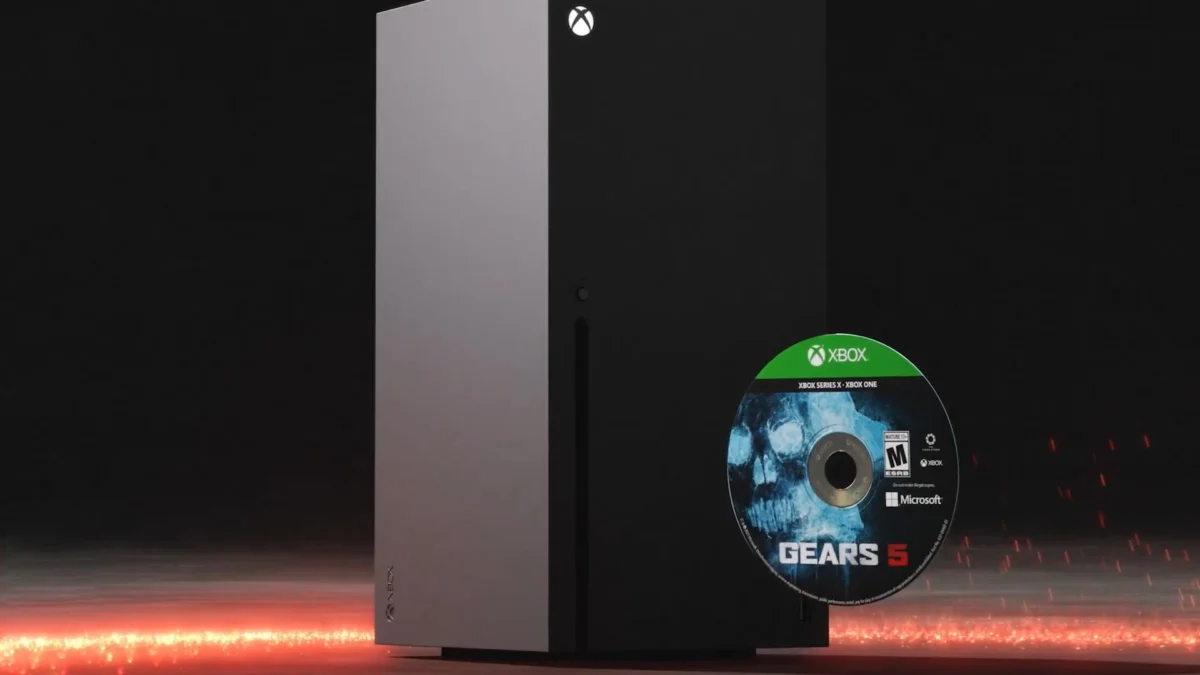
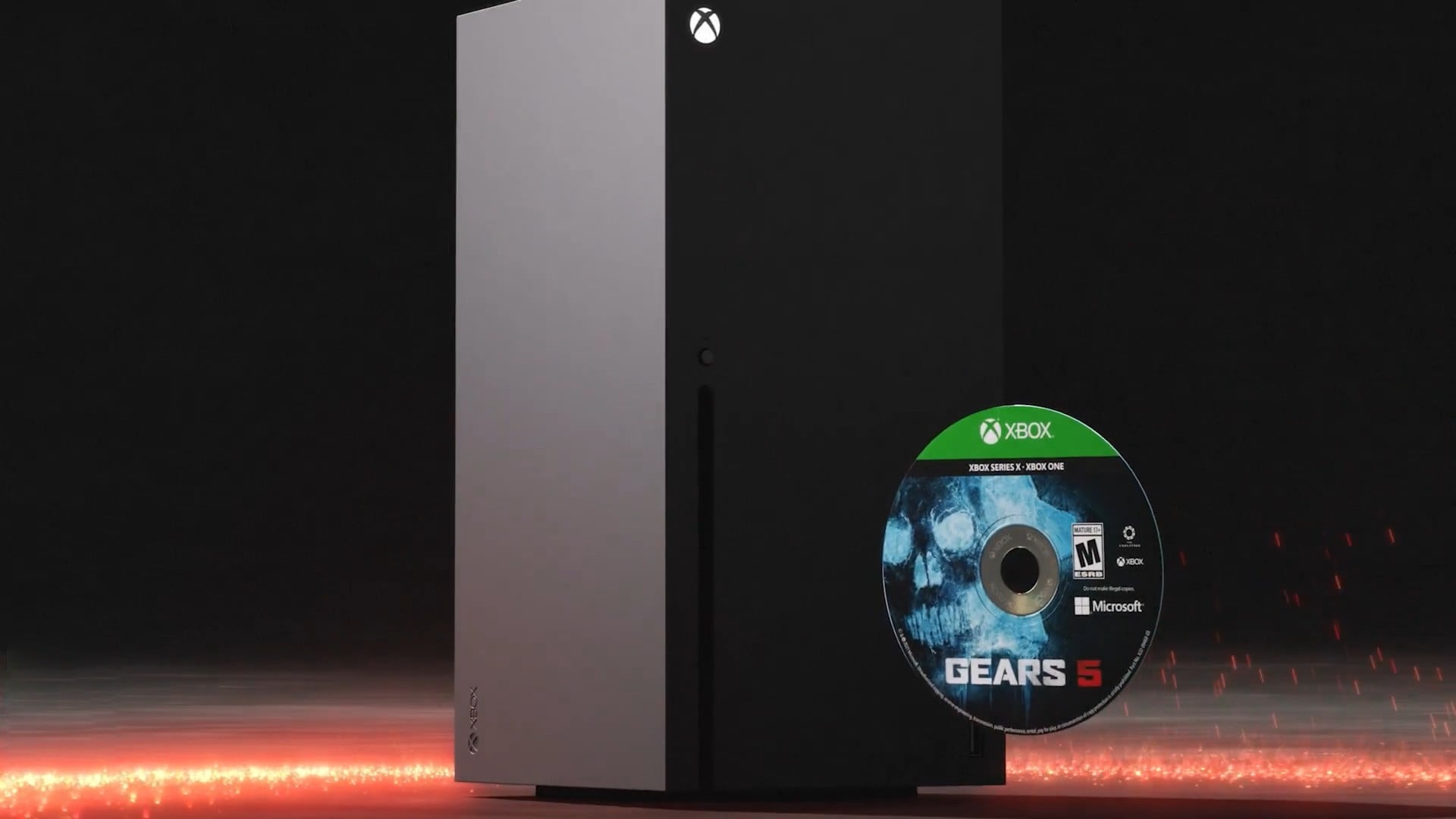
The gaming industry is currently witnessing one of the most significant shifts in its distribution model as Microsoft prepares to bridge the divide between physical media and the digital-only future. Following a comprehensive announcement regarding the Xbox Disc to Digital program, the company has confirmed that the initiative will officially begin its rollout for Xbox Insiders on August 31. This feature is designed to allow owners of physical Xbox One and Xbox Series X discs to register their media and receive a permanent digital entitlement at no additional cost. Furthermore, the program integrates advanced ecosystem features, including Xbox Cloud Gaming and Xbox Play Anywhere, provided the digital versions of the titles support these functionalities.
While the preliminary announcement has generated substantial excitement, it has also prompted a wave of technical and logistical inquiries from the global gaming community. Thousands of titles are expected to be compatible at launch, with Microsoft pledging to expand the library in subsequent updates. As the August 31 rollout approaches, a closer examination of the program’s mechanics, its limitations, and its broader implications for the future of Xbox hardware is necessary to understand the trajectory of the platform.
The Technical Framework and Rollout Chronology
The Xbox Disc to Digital program is not an overnight development but rather the culmination of years of ecosystem planning. The timeline for this transition began in earnest with the release of the Xbox One S All-Digital Edition in 2019, followed by the Xbox Series S in 2020. These hardware releases signaled Microsoft’s intent to move away from physical optical drives, but a significant hurdle remained: the millions of physical discs held by loyal consumers.
The official chronology of the current initiative began with a series of leaks earlier this year, followed by a formal reveal during the Gamescom trade fair. The upcoming August 31 launch for Xbox Insiders serves as a "beta" phase, allowing Microsoft to stress-test the license-verification servers and the unique identifier (UID) system. Industry analysts expect a full public rollout by late 2026, coinciding with the rumored unveiling of the next phase of Xbox hardware.
1. Ownership, Resale, and the Unique Identifier System
One of the most pressing concerns among consumers involves the transferability of digital licenses and the status of the physical disc once it has been "converted." According to technical specifications provided to developers, Xbox One and Xbox Series X discs contain a unique identifier within the disc’s metadata. When a user inserts a disc to claim a digital copy, the console communicates with Microsoft’s servers to link that specific disc’s ID to the user’s Microsoft Account (MSA).
This creates a "one-license-per-disc" ecosystem. If a user sells or lends the physical disc to another individual, the new holder can insert the disc into their own console and claim the digital license. In doing so, the license is effectively revoked from the previous owner’s account and transferred to the new one. This mechanism prevents the "duplication" of games where one disc could theoretically provide free digital copies to an infinite number of users.
While some have suggested that a user could claim the license and then give the disc to a friend to use in "offline mode," this is a marginal use case. To maintain the digital license, the console must periodically check in with Xbox Live. This system mirrors the digital rights management (DRM) policies that Microsoft initially proposed in 2013, but it is now being framed as a consumer-facing benefit rather than a restrictive requirement.
2. The Hurdle of Legacy Media: OG Xbox and Xbox 360 Support
A significant portion of the Xbox community remains dedicated to backward compatibility, specifically regarding the original Xbox and Xbox 360 eras. However, current data suggests that these legacy titles will not be included in the Disc to Digital program at launch. During a recent interview at Gamescom, Jason Ronald, Xbox’s VP of Program Management, stated that the company has "nothing to announce" regarding support for older generations.
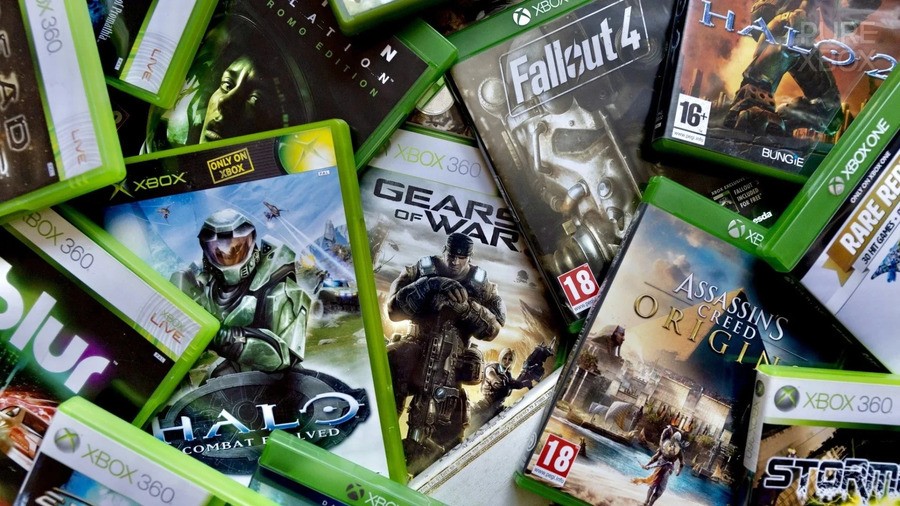
The primary obstacle is technical. Unlike modern Blu-ray-based Xbox One and Series X discs, original Xbox and Xbox 360 discs were manufactured using older DVD standards that do not consistently feature the unique identifiers required for individual disc tracking. Without a way to distinguish one copy of Halo 3 from another at the hardware level, Microsoft cannot prevent a single disc from being used to unlock digital copies for thousands of accounts. While software-based solutions or "proof of purchase" systems have been discussed in the past, no such system is currently viable for a mass-market rollout.
3. Preservation and the Challenge of Delisted Titles
The Disc to Digital program has significant implications for game preservation, particularly regarding "delisted" games—titles that have been removed from digital storefronts due to expiring music licenses, car branding, or publishing agreements. Popular examples include the early Forza Horizon entries and various licensed sports titles.
Microsoft has confirmed that "thousands" of games will be supported on August 31, but they have not yet released a comprehensive compatibility list. If a game is delisted from the Xbox Store, the digital assets often remain on Microsoft’s servers for existing owners to redownload, but the "buy" button is disabled. The Disc to Digital feature could theoretically serve as a "key" to unlock these hidden assets for physical disc owners. However, this remains subject to legal clearances. If a licensing agreement explicitly forbids the distribution of new digital entitlements, Microsoft may be legally barred from including those specific titles in the program, regardless of the user’s physical ownership.
4. Generational Upgrades and Smart Delivery Integration
Another area of interest is how the program handles cross-generational upgrades. Several titles, such as Mafia: Definitive Edition and certain Rockstar Games releases, offered "next-gen" enhancements that were sometimes restricted to digital purchasers or required a specific digital entitlement.
In theory, once a physical disc is converted to a digital license through this program, the system should treat the user as a digital owner. This would automatically trigger "Smart Delivery," ensuring the user receives the best possible version of the game for their hardware (e.g., the Series X version instead of the Xbox One version). Microsoft has yet to confirm if there will be a "processing fee" for certain high-tier upgrades, but the current stance suggests a free transition for supported titles. This move is seen as a way to simplify the often-confusing landscape of console upgrades.
5. Hardware Implications: Project Helix and the All-Digital Future
The timing of this announcement has fueled intense speculation regarding "Project Helix," the codename for Microsoft’s next iteration of Xbox hardware. Industry insiders and outlets such as Digital Foundry and Windows Central have suggested that Project Helix may forgo an internal optical disc drive entirely.
Asha Sharma, a senior executive at Xbox, recently emphasized that "efficiency and affordability" are the core pillars for the future of the platform. Removing the disc drive reduces the manufacturing cost of a console by an estimated $50 to $100 and allows for a more compact thermal design. By launching the Disc to Digital program now, Microsoft is effectively de-risking a digital-only hardware launch. It provides a "migration path" for collectors who would otherwise be alienated by a console that cannot play their existing library.
Furthermore, reports indicate that the global supply chain for Blu-ray drives is shrinking. As movie streaming dominates and other console manufacturers move toward external, optional disc drives (as seen with recent competitor hardware revisions), Microsoft is positioning itself to be independent of physical drive manufacturing.
Economic and Industrial Impact
The broader implications of the Disc to Digital program extend to the retail sector. Retailers like GameStop, which rely heavily on the trade-in and resale of physical software, may face a decline in inventory if consumers choose to "lock" their discs into digital licenses. Once a disc has been used to claim a digital copy, its resale value essentially drops to zero for any future user who wishes to use the Disc to Digital feature, although the disc remains functional for traditional play in a drive-equipped console.

From an environmental perspective, the shift toward digital entitlements reduces the carbon footprint associated with the manufacturing, packaging, and shipping of plastic discs. However, it increases the reliance on data centers and high-speed internet infrastructure, highlighting a growing "digital divide" for gamers in rural or developing regions with limited bandwidth.
Conclusion and Next Steps
As the August 31 start date for Xbox Insiders approaches, the gaming community will soon provide the first real-world data on the program’s efficacy. Microsoft is expected to monitor the rollout closely, addressing bugs in the UID registration process and expanding the whitelist of compatible games.
While the program marks a significant convenience for many, it also signals the beginning of the end for traditional physical media ownership as we have known it for four decades. By converting physical assets into digital licenses, Microsoft is consolidating its ecosystem, preparing for a future where the "console" is less a physical box with a disc slot and more a cloud-integrated service accessible across multiple devices. Users are encouraged to check their Xbox Insider Hub next week to see if they have been selected for the initial testing phase.