


The gaming industry is experiencing a pronounced downturn in hardware sales, a phenomenon directly linked to the escalating costs and supply chain disruptions fueled by the voracious demand for AI-specific components. This July, a stark contrast emerged when compared to the previous year, revealing a dramatic decline in consumer spending on gaming consoles and related hardware. According to data compiled by Circana, a leading market research firm, total hardware unit sales plummeted by an alarming 39 percent year-over-year. When factoring in the concurrent rise in prices, which have seen an average increase of 16 percent, the total expenditure on gaming hardware consequently decreased by a substantial 29 percent.
The Shifting Landscape of Console Sales
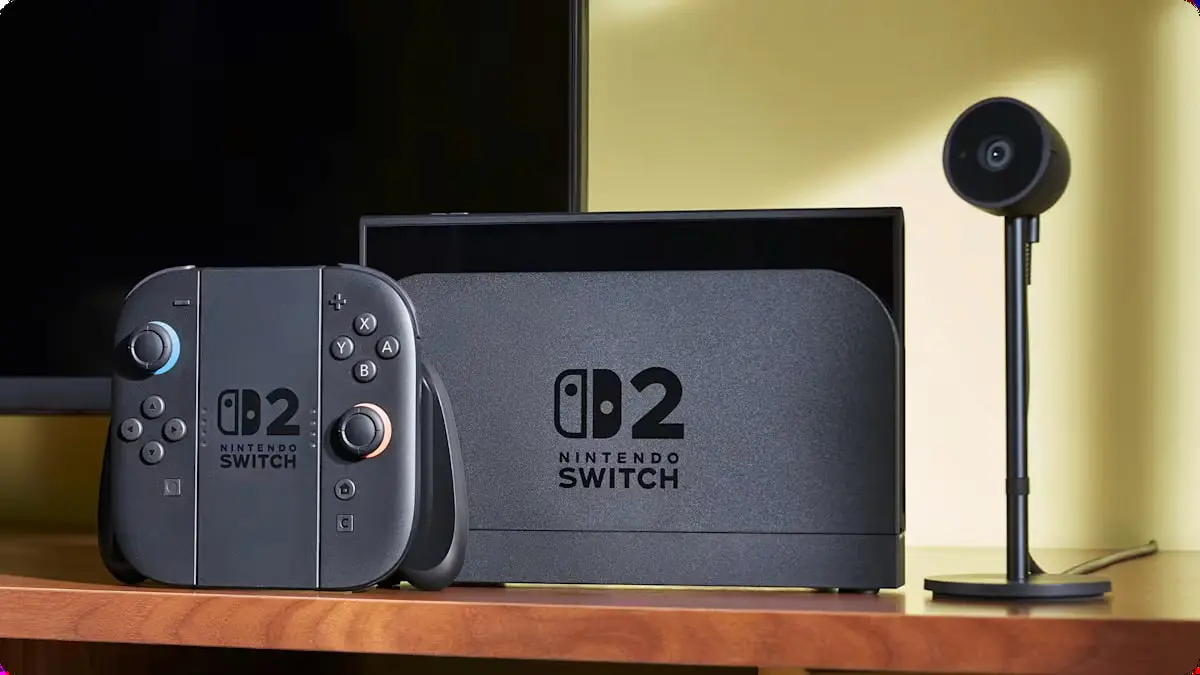
The impact of these market pressures has not been uniform across all major console platforms. While the PlayStation 5 (PS5) demonstrated resilience, recording the smallest decline at a modest six percent, the Xbox faced a more significant contraction, with sales dropping by 18 percent. However, the most pronounced downturn was observed with the Nintendo Switch, which, in its current iteration, saw a precipitous decline of 51 percent in unit sales when comparing this July to its predecessor. This substantial drop for the Switch underscores the broader challenges facing the gaming hardware market.
Despite this significant year-over-year decrease, the Nintendo Switch continues to hold its position as the best-selling console when total units sold are considered. Mat Piscatella, an analyst at Circana, has highlighted that the Switch is on a trajectory to surpass the lifetime sales figures of its original iteration. This enduring popularity, even amidst declining sales, suggests a strong and dedicated consumer base. Conversely, the sales figures for the PlayStation 5 and Xbox, even with their higher price points contributing to revenue, indicate a substantial slowdown in raw unit sales, a trend that warrants close observation by industry stakeholders.
The Pervasive Influence of AI on Hardware Markets
The current hardware landscape is inextricably linked to the burgeoning field of artificial intelligence. The insatiable appetite of AI development for advanced semiconductors, particularly high-bandwidth memory (HBM) and specialized processing units, has created a ripple effect across the global electronics supply chain. This demand has led to a reallocation of manufacturing resources and a scarcity of critical components, driving up prices for virtually any product incorporating digital technology.
From the smartphones in our pockets to the smart appliances in our kitchens and even the basic calculators used in educational settings, the cost of digital components has escalated. This widespread inflation is a direct consequence of the bottleneck created by AI’s resource requirements. The intricate web of chip fabrication, assembly, and distribution is being strained, leading to increased lead times and higher manufacturing costs that are inevitably passed on to consumers.
A Timeline of Escalating Costs and Declining Sales
The trend of rising hardware prices and subsequent sales declines is not an overnight phenomenon. Over the past several years, the gaming industry, like many others reliant on semiconductor technology, has grappled with intermittent supply chain disruptions. The COVID-19 pandemic initially exacerbated these issues, leading to factory closures and logistical nightmares. However, the emergence and rapid advancement of AI technologies in recent years have introduced a new and potent factor.
Early 2020s: Initial pandemic-related disruptions begin to impact the availability and cost of electronic components. Gaming consoles released during this period, such as the PlayStation 5 and Xbox Series X/S, faced initial stock shortages that contributed to inflated resale prices and consumer frustration.
Mid-2020s: The rapid growth of AI research and development accelerates, leading to a surge in demand for specialized chips and memory. This demand begins to exert significant pressure on the semiconductor manufacturing capacity that also serves the gaming industry. Reports emerge of AI companies securing large volumes of high-end GPUs and memory modules, diverting them from traditional consumer electronics markets.
Late 2022 – Early 2023: The impact of AI-driven component demand becomes more pronounced. Manufacturers of consumer electronics, including gaming hardware, begin to report increased component costs and longer lead times. This translates to higher retail prices for new console models and accessories.
Mid-2023: Circana’s data for July marks a critical inflection point, revealing a significant and widespread decline in gaming hardware unit sales. The year-over-year comparison underscores the severity of the current market conditions, with overall hardware expenditure showing a notable decrease despite higher individual product prices.
Industry Reactions and Inferred Perspectives
While direct official statements from console manufacturers specifically addressing the AI-driven sales decline might be limited, the implications of Circana’s data are significant. Industry analysts and observers have widely acknowledged the impact of the broader semiconductor market on consumer electronics.
Inferred Manufacturer Response: It is highly probable that console manufacturers are actively engaged in strategic sourcing and long-term supply agreements to mitigate the impact of component shortages. They are likely exploring alternative component suppliers and potentially redesigning certain hardware elements to accommodate available technologies. The focus may shift towards optimizing profit margins through higher-priced, higher-spec models or by emphasizing software and service revenue streams.
Retailer Concerns: Retailers are likely experiencing reduced foot traffic and sales volume for gaming hardware. They may be diversifying their offerings or focusing on promotions and bundles to stimulate consumer interest. The profitability of hardware sales might be less predictable, prompting a greater emphasis on accessories, games, and digital content.
Consumer Sentiment: The data suggests a growing consumer price sensitivity. With the cost of living rising and gaming hardware becoming significantly more expensive, consumers may be delaying purchases, opting for older models, or shifting their entertainment spending to other forms of media or activities. The "value proposition" of purchasing new hardware is being increasingly scrutinized.
Broader Impact and Future Implications
The current trend of declining gaming hardware sales, driven by AI-induced shortages, carries significant implications for the future of the gaming industry and the broader technology sector.
Innovation and Development: If the cost of essential components remains elevated, it could stifle innovation in hardware design. Manufacturers might be hesitant to invest in developing next-generation consoles that rely on cutting-edge, and thus expensive, technologies. This could lead to longer console generation cycles or a slower pace of technological advancement in gaming.
Market Diversification: The gaming industry may see a further push towards cloud gaming services and subscription models. These services often have lower upfront hardware requirements for the end-user, potentially offering a more accessible entry point for consumers facing high hardware costs.
Economic Ripple Effects: The decline in gaming hardware sales can have a broader economic impact. It affects jobs in manufacturing, distribution, retail, and related industries. Furthermore, it could influence investment decisions in the semiconductor sector, potentially leading to a recalibration of priorities between AI development and other consumer electronics markets.
The "Will Smith Spaghetti" Analogy: The article’s somewhat colorful, albeit informal, analogy regarding "Will Smith eating spaghetti" highlights a perceived disconnect between the advanced technological capabilities being developed and their often trivial or entertainment-focused applications. While AI has immense potential in scientific research, healthcare, and complex problem-solving, its current widespread consumer application often manifests in novel, sometimes frivolous, digital content. This observation touches upon the societal debate surrounding the allocation of advanced technological resources and the tangible benefits derived from them. The high cost of components, driven by AI’s demand, is ultimately contributing to the expense of everyday consumer electronics, including gaming hardware, which many use for leisure and entertainment.
In conclusion, the July sales figures paint a clear picture of a gaming hardware market under considerable strain. The confluence of rising prices, fueled by the insatiable demand of AI for critical components, and a consequent drop in consumer purchasing power has created a challenging environment. The industry will need to adapt to these new economic realities, potentially through innovation in business models, strategic partnerships, and a renewed focus on delivering compelling value to consumers in an increasingly expensive technological landscape. The long-term trajectory of gaming hardware sales will undoubtedly be shaped by the ongoing evolution of AI technology and its impact on global supply chains.