


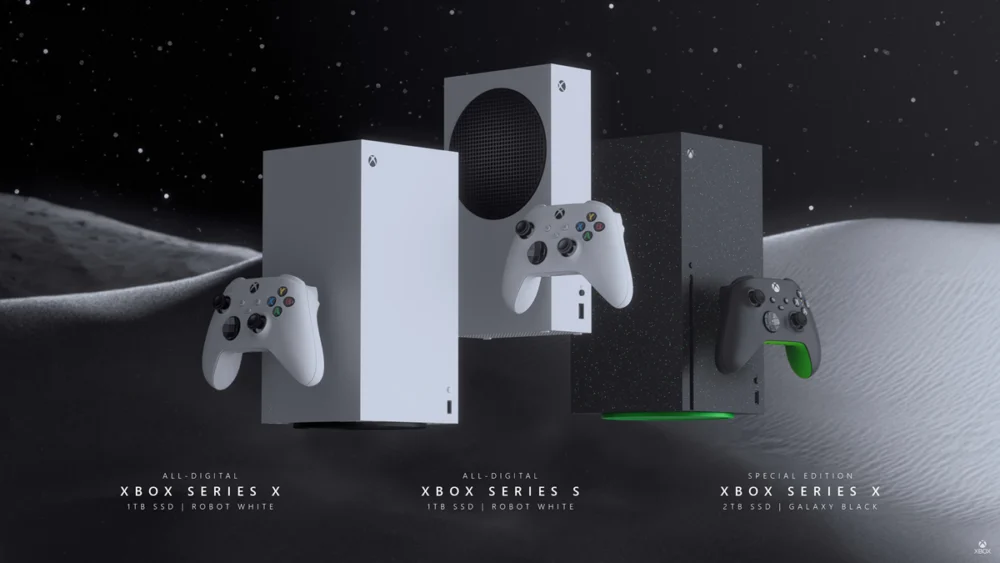
Microsoft has announced significant price increases across its Xbox console lineup in the United States, a move that has drawn considerable attention from consumers and industry analysts alike. Effective October 3rd, the cost of various Xbox models will rise, with the top-tier Xbox Series X variant now reaching a striking $799.99. This adjustment follows a broader trend within the gaming market, where hardware prices have seen upward pressure despite the age of the underlying components.
Price Adjustments and New Retail Figures
The official Xbox support page detailed the impending price hikes, confirming the new retail figures that will impact American consumers. The Xbox Series S, a more budget-friendly option, will now be available in two configurations: a 512GB model priced at $399.99 and a 1TB model at $449.99. For the more powerful Xbox Series X, the Digital Edition will retail for $599.99, while the physical disc drive version will be priced at $649.99.
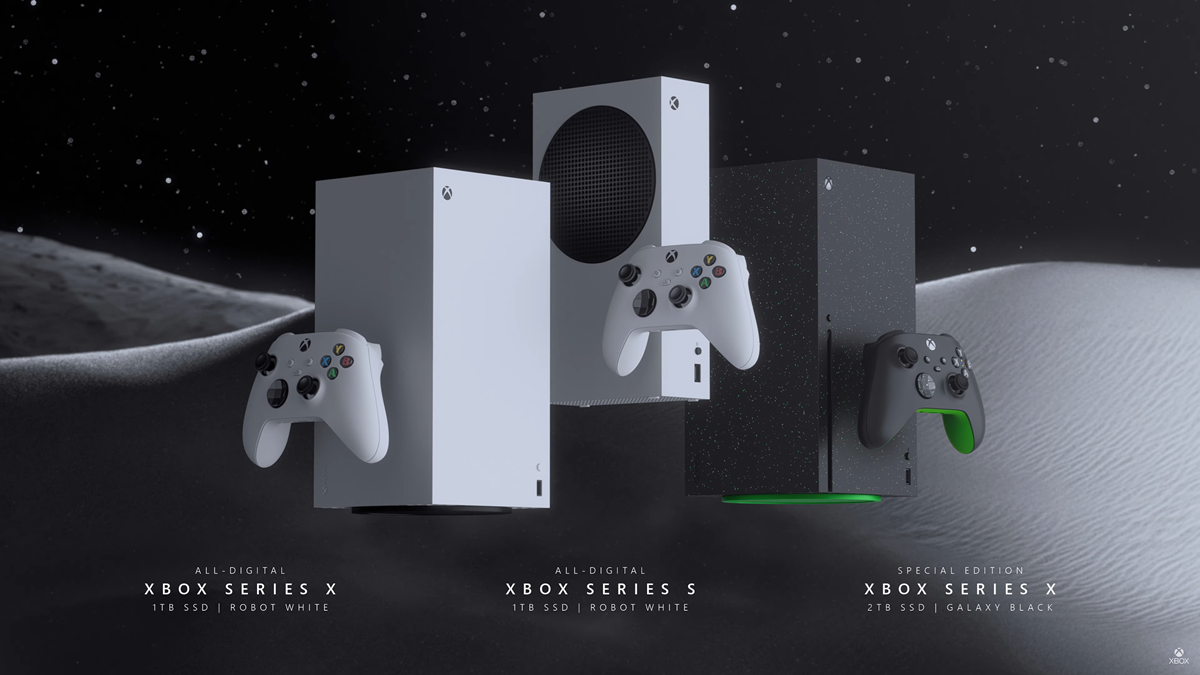
The most substantial increase affects the premium 2TB Galaxy Black Special Edition variant of the Xbox Series X, which will now command a price of $799.99. This particular price point has raised eyebrows, as it represents a significant investment for hardware that has been on the market for several years. Industry observers have noted that this elevated price for a console, whose core components are comparable to those found in PCs released around the same time, challenges traditional consumer expectations of price depreciation over a product’s lifecycle.
The Console Pricing Conundrum: A Shifting Market Paradigm
Historically, consumers have anticipated that the price of electronic hardware, including gaming consoles, would decrease over time as newer models emerge and manufacturing costs potentially decline. However, recent market dynamics have seen both major console manufacturers, Microsoft and Sony, deviate from this expectation. Instead, both companies have implemented price increases on their current-generation hardware, even as the internal architecture of these consoles has remained largely consistent since their initial launch.
This phenomenon is not exclusive to Xbox. Reports indicate that Sony, for its PlayStation consoles, has also been adjusting pricing strategies. In some regions, such as Europe, there have been instances where PlayStation consoles have seen a reduction in internal storage capacity while maintaining or even increasing their retail price. This suggests a broader industry trend where manufacturers are prioritizing revenue generation and potentially offsetting rising operational costs by adjusting pricing and product configurations, leading to a scenario where consumers may receive less storage for the same or a higher price.
Factors Driving Price Increases: Macroeconomic Environment and Supply Chain
Microsoft has attributed these price adjustments to "changes in the macroeconomic environment." This broad statement can encompass a variety of contributing factors that have influenced global commerce in recent years. Potential drivers include evolving trade policies, such as tariffs that may have been imposed or adjusted, as well as persistent supply chain disruptions that have affected the availability and cost of electronic components worldwide. The COVID-19 pandemic, in particular, had a profound and lasting impact on global manufacturing and logistics, leading to increased production and shipping expenses.
It is important to note that these specific Xbox price increases are currently designated to affect U.S. customers. Consumers in other international markets may be shielded from these particular adjustments, at least for the time being. This regional differentiation can be attributed to varying economic conditions, currency exchange rates, and localized market strategies employed by Microsoft.
Comparative Value: Console vs. PC Hardware
The elevated price of the Xbox Series X, particularly the $799.99 variant, prompts a direct comparison with the cost of building a personal computer. In today’s market, it is entirely feasible to assemble a capable gaming PC for a similar or even lower price point, especially when considering the availability of components from previous generations.
Components such as graphics cards, central processing units (CPUs), and RAM modules that were state-of-the-art around 2020 are now significantly more affordable, particularly on the second-hand market. A discerning consumer can leverage these readily available and cost-effective parts to construct a PC that not only matches but potentially surpasses the performance capabilities of current-generation consoles. This is particularly relevant given that many Xbox titles are simultaneously released on PC, diminishing the exclusivity advantage of console ownership for many gamers.
Strategic Alternatives for Console Gamers
For individuals primarily seeking a console gaming experience, alternative options remain available. The PlayStation 5, including its Pro variant, offers a compelling alternative. Crucially, Sony’s platform has been steadily expanding its library of games that were once considered Xbox exclusives. This trend suggests that the traditional platform exclusivity that defined console generations is gradually diminishing, providing consumers with more flexibility in their hardware choices.
The primary argument that has historically supported Xbox purchases, particularly for dedicated fans, has been the value proposition of Xbox Game Pass. This subscription service offers access to a vast library of games, including first-party titles on day one. However, even this advantage can be mitigated. A PC gamer can still subscribe to Xbox Game Pass and access the same extensive library of titles. This renders the argument for purchasing an Xbox console at these inflated prices considerably weaker, especially when considering that the hardware is no longer at the cutting edge of technological advancement.
Broader Implications for the Gaming Industry
The recent price adjustments by Microsoft, and the broader trend observed across the industry, raise several critical questions about the future of console gaming. Are we entering an era where console prices will continue to rise, defying traditional market expectations? What will be the long-term impact on consumer accessibility and the overall growth of the gaming market?
The current economic climate, characterized by inflation and supply chain volatility, presents a challenging landscape for hardware manufacturers. Companies are undoubtedly seeking strategies to maintain profitability and invest in future research and development. However, the balance between profitability and consumer affordability is a delicate one. If console prices continue to ascend without a corresponding leap in technological innovation or significant value addition, it could alienate a segment of the gaming population, potentially driving more users towards the PC platform or even leading to a stagnation in console sales.
Furthermore, the practice of potentially reducing storage space while maintaining or increasing prices, as reportedly seen with PlayStation in Europe, could be perceived by consumers as a decrease in overall value. Transparency and clear communication regarding pricing strategies and product specifications are paramount in maintaining consumer trust and satisfaction.
The Evolving Definition of "Value" in Gaming Hardware
As the gaming industry matures, the definition of "value" in hardware is also evolving. For some, value is directly tied to raw performance and cutting-edge technology. For others, it is about the overall ecosystem, including exclusive content, subscription services, and the ease of use that consoles typically offer.
Microsoft’s decision to increase Xbox prices, while citing macroeconomic factors, places the onus on consumers to weigh the perceived value of the console against alternative options. With the PC gaming market offering increasingly competitive hardware at accessible price points, and with the growing availability of Xbox titles on PC, the justification for paying a premium for an Xbox console becomes a more nuanced decision.
The coming months will likely see continued observation of consumer response to these price changes and further analysis of the long-term strategic implications for both Microsoft and the broader gaming industry. Whether these price adjustments represent a temporary response to economic pressures or a fundamental shift in console pricing strategy remains to be seen, but they undoubtedly mark a significant moment in the ongoing evolution of the video game market. The consumer is left to decide if the allure of the Xbox ecosystem, even with its premium price tag, outweighs the potential for greater value and flexibility offered by a custom-built PC or alternative console platforms.