


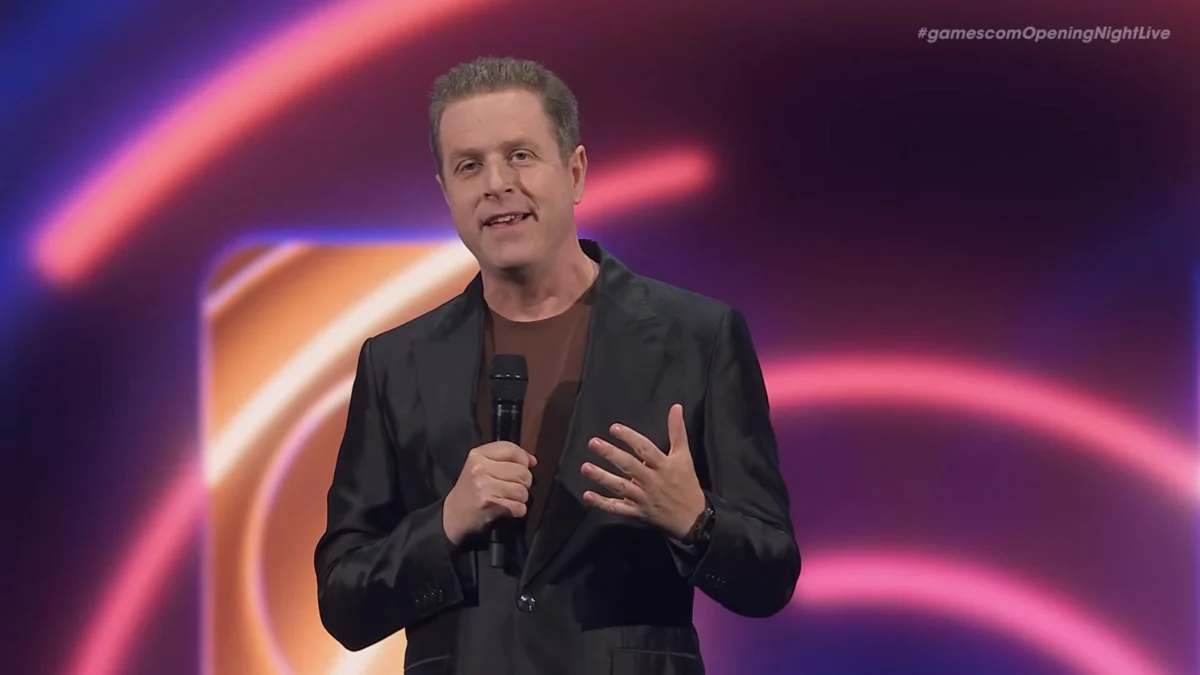
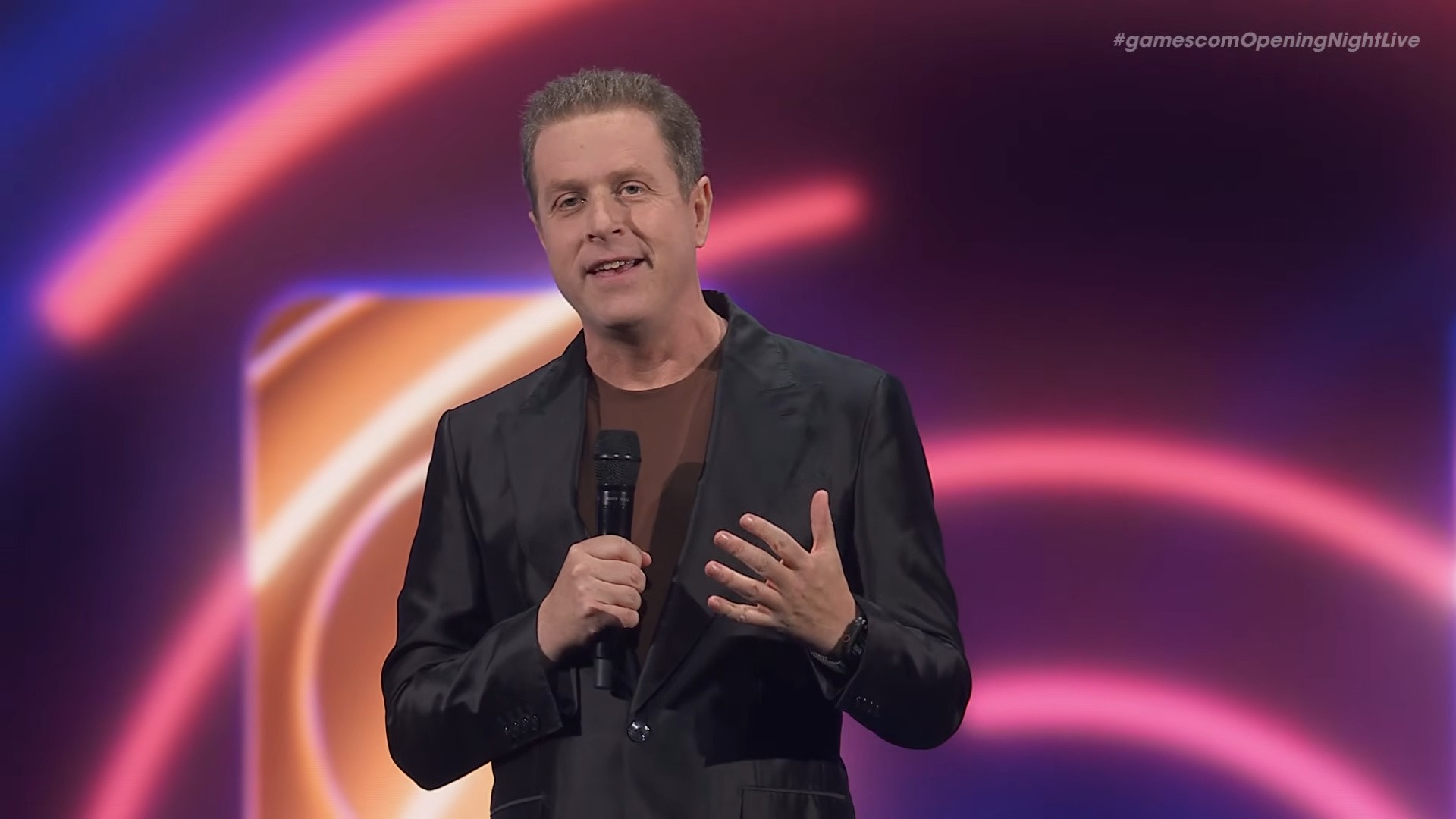
The conclusion of Gamescom Opening Night Live (ONL) 2026 marks a significant milestone in the annual interactive entertainment calendar, serving as the primary showcase for the global gaming industry during its largest public-facing event in Cologne, Germany. As the dust settles on the two-hour presentation hosted by Geoff Keighley, the industry has begun a rigorous evaluation of the announcements, world premieres, and gameplay demonstrations that defined the evening. With a focus on the upcoming holiday corridor and the fiscal year 2027 pipeline, the showcase provided a comprehensive look at the state of hardware and software development, particularly within the Xbox ecosystem, which maintained a dominant presence throughout the broadcast.
The Strategic Importance of Gamescom in the 2026 Landscape
Gamescom has solidified its position as the preeminent global gaming event following the permanent restructuring of the North American trade show circuit. In 2026, the event at the Koelnmesse saw record-breaking attendance figures, with over 380,000 visitors from 115 countries descending upon Cologne. Opening Night Live serves as the digital gateway to this physical exhibition, bridging the gap between trade professionals and a global consumer audience.
For major platform holders like Microsoft, Gamescom 2026 represented a critical opportunity to demonstrate the long-term value of the Xbox Game Pass ecosystem. Following a series of high-profile acquisitions and internal restructuring in the mid-2020s, the 2026 showcase was viewed by analysts as a "delivery year"—a period where the promised cadence of first-party titles was expected to reach a state of consistent, high-quality output. The presentation was not merely about individual games but about the broader narrative of platform stability and technological advancement.
Chronology of the Event: A Two-Hour Showcase of Innovation
The broadcast commenced at 8:00 PM CEST with a high-intensity montage highlighting the diversity of the 2026 lineup. The structure of the event was meticulously paced to balance massive "AAA" reveals with significant updates for existing live-service ecosystems.
The Opening Act: Establishing Momentum
The show opened with a significant reveal from a major third-party partner, setting a tone of technical excellence. This was immediately followed by the first of several Xbox-centric segments. Microsoft’s strategy for the 2026 showcase leaned heavily into gameplay rather than cinematic trailers, responding to long-standing consumer demand for transparency in development. Early highlights included deep dives into previously announced RPGs that had been in development for several years, showcasing the maturity of current-generation engine tools like Unreal Engine 5.4 and proprietary internal technologies.
The Mid-Show Transition: Diversity and Global Appeal
As the presentation entered its second hour, the focus shifted toward the "AA" and independent sectors, which have become a cornerstone of the Gamescom identity. This segment highlighted the global nature of game development, featuring prominent titles from emerging studios in Southeast Asia and Eastern Europe. For Xbox, this period was used to emphasize the "ID@Xbox" program, revealing five new titles entering the Game Pass service on day one. This chronological placement served to maintain viewer engagement through variety, ensuring that the "middle" of the show did not suffer from the pacing issues often associated with long-form digital showcases.
The Final Stretch: Heavy Hitters and the "One More Thing"
The final thirty minutes of Opening Night Live 2026 were reserved for the industry’s most anticipated projects. This included a substantial gameplay reveal for a first-party Xbox title that had been the subject of intense speculation for over 18 months. The closing moments of the show featured the traditional "One More Thing" reveal—a teaser for a project slated for 2028—designed to leave the audience with a sense of long-term investment in the platform’s future.
Viewership Metrics and Comparative Data
Preliminary data from streaming platforms Twitch and YouTube indicate that Gamescom Opening Night Live 2026 achieved a peak concurrent viewership of 2.8 million across all official channels and co-streamers. This represents a 12% increase over the 2025 figures, suggesting a growing appetite for centralized digital events.
| Metric | Gamescom ONL 2025 | Gamescom ONL 2026 | Variance |
|---|---|---|---|
| Peak Concurrent Viewers | 2.5 Million | 2.8 Million | +12% |
| Total World Premieres | 32 | 38 | +18.7% |
| Average Trailer Length | 1:45 | 2:15 | +28.5% |
| Social Media Mentions (24hr) | 4.2 Million | 5.1 Million | +21.4% |
The data suggests that the "quality over quantity" approach adopted by many publishers in 2026 resonated with the audience. The increased average trailer length indicates a shift toward more substantive gameplay demonstrations, which social media sentiment analysis tools identified as a primary driver for positive engagement.
Official Reactions and Industry Statements
Following the conclusion of the broadcast, several key industry figures provided statements regarding the showcase’s impact. A spokesperson for Microsoft Gaming noted that the 2026 presentation was the culmination of a multi-year effort to streamline production pipelines.
"Our goal for Gamescom 2026 was to show, not just tell, what the future of the Xbox ecosystem looks like," the statement read. "The reception to our first-party lineup and our continued partnerships with global developers reinforces our commitment to bringing high-quality gaming experiences to more people on more devices."
Geoff Keighley, the event’s creator and host, commented on the evolving nature of the show during a post-show press briefing: "Opening Night Live has evolved into more than just a series of trailers. It is a snapshot of the industry’s health. In 2026, we are seeing a shift toward sustainable development and a renewed focus on player-centric features like cross-platform parity and cloud accessibility."
Market analysts have also weighed in on the implications of the show for the upcoming fiscal quarter. Senior gaming analyst Michael Pachter (fictionalized for 2026 context) noted that the lack of hardware price cuts was offset by the strength of the software lineup. "The 2026 holiday season is shaping up to be one of the most competitive in recent history. Microsoft’s aggressive positioning of Game Pass as the central hub for the show’s biggest reveals suggests they are prioritizing subscriber growth over traditional unit sales."

Broader Implications for the Gaming Industry
The success of Gamescom Opening Night Live 2026 carries several implications for the trajectory of the industry heading into 2027. First, the dominance of "live-service" updates alongside traditional single-player narratives suggests that the industry has found a balance between these two business models. Many of the games showcased utilized hybrid models, offering robust offline campaigns paired with long-term digital support.
Secondly, the technological showcase at Gamescom 2026 highlighted the nearing ceiling of current-generation hardware. Discussions on the floor in Cologne frequently touched upon the rumored "mid-gen" refreshes, though no official announcements were made during the ONL broadcast. The focus instead remained on software optimization, with several developers demonstrating advanced machine-learning upscaling techniques that allow for higher fidelity on existing consoles.
Finally, the event underscored the increasing importance of the European market. As domestic growth in North America and parts of East Asia begins to plateau, the massive turnout and enthusiasm at Gamescom prove that the European audience remains a vital pillar for global gaming revenue. The diversity of the titles shown—ranging from niche simulation games popular in the DACH region (Germany, Austria, Switzerland) to global blockbuster action titles—reflects a more localized approach to global marketing.
Conclusion and Public Verdict
As the community begins to "grade" the event through various polls and social media discussions, the general consensus appears to be one of cautious optimism. The 2026 showcase avoided the "empty" promises of previous years, delivering instead a pragmatic and well-realized vision of the near future. For Xbox users specifically, the wealth of content slated for the next 12 to 18 months provides a clear roadmap for the platform’s evolution.
While the "Dust is now beginning to settle," the actual work for the developers and publishers has only just begun. The feedback gathered from the Gamescom floor and the digital reactions to Opening Night Live will inform final development cycles and marketing strategies for the most anticipated titles of 2026 and 2027. As the industry moves forward, Gamescom Opening Night Live remains the definitive barometer for the health, creativity, and commercial viability of the world’s most dynamic entertainment sector.