


The indie horror game series Fears to Fathom has carved a unique niche in the digital landscape, captivating players with its promise of real-life horror encounters. Each episode is presented with the assertion that it is based on true events, a claim that has fueled both intrigue and skepticism among its growing fanbase. While the developer, known only as rayll, likely modifies specific details such as names, dates, and locations for privacy and narrative purposes, the persistent question remains: have these chilling narratives truly happened to someone? This article delves into the marketing strategy, the verifiable truth behind the claims, and the broader implications of a game that blurs the lines between lived experience and manufactured dread.
The "Based on a True Story" Phenomenon in Modern Horror
The tactic of invoking "true events" as a horror marketing tool is far from new. For decades, films and literature have leveraged this disclaimer to heighten audience engagement and fear. However, its widespread adoption and impact were significantly amplified by the groundbreaking success of The Blair Witch Project in 1999. This film, utilizing a found-footage aesthetic, masterfully convinced a significant portion of its audience that they were witnessing genuine, unedited footage of a supernatural phenomenon. This immersive approach fundamentally altered the horror viewing experience, ushering in a wave of found-footage films and reinforcing the power of the "based on a true story" tagline.
As the years progressed, however, audiences became more discerning. The ubiquitous appearance of this disclaimer in trailers and promotional materials often signaled a heightened sense of realism, but the inherent suspension of disbelief required for any fictional narrative often tempered its perceived authenticity. Despite this, the allure of a story rooted in reality continues to resonate.
Fears to Fathom‘s Marketing Strategy: A Modern Reimagining
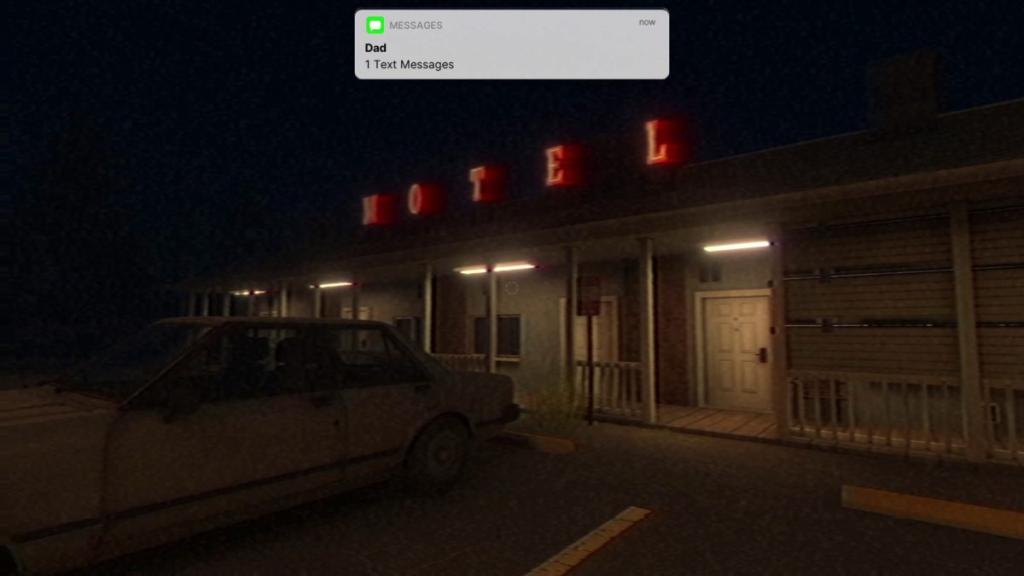
Fears to Fathom appears to have strategically adopted and modernized this potent marketing approach. The game actively encourages players to submit their own harrowing experiences to the developer. Since the release of its debut episode, "Home Alone," in 2021, each subsequent installment has reportedly drawn inspiration from personal accounts shared via email. This direct line from player to developer fosters a sense of community and authenticity, making the purported "true event" claim feel more tangible.
This strategy is undeniably clever. By framing each episode as a retelling of a real person’s ordeal, the developer taps into a primal fear: that these terrifying scenarios could genuinely happen to anyone. While this approach inherently removes the element of surprise regarding the protagonist’s survival – as the submitter, by definition, survived – it does not diminish the palpable tension, unsettling atmosphere, and sheer creepiness that each episode delivers. The focus shifts from "will they survive?" to "how did they endure this?" and "could this happen to me?"
Dissecting the Claims: Is Fears to Fathom Truly Based on True Events?
The assertion that Fears to Fathom is based on true events warrants careful examination. While the developer may indeed receive and be inspired by personal accounts, it is crucial to understand that fiction inspired by true events is almost invariably dramatized and exaggerated for the sake of entertainment. This means that even if an episode originates from a real person’s email, the narrative presented in the game is likely a heightened, stylized, and potentially embellished version of reality.
Furthermore, it is possible that rayll is not directly adapting submitted stories but rather drawing inspiration from real-life incidents and then crafting original narratives around them. This approach would still allow for the "inspired by true events" claim, albeit with a greater degree of creative license.
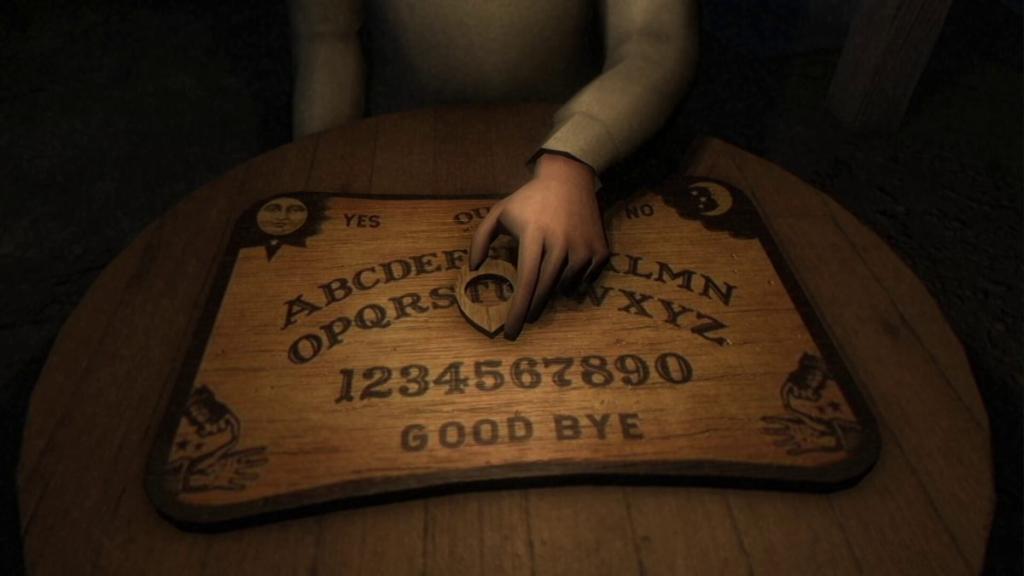
One of the most compelling arguments against the literal truth of every episode lies in the details presented. For instance, the episode "Norwood Hitchhike," set in 2010, bears striking resemblances to the modus operandi of serial killer Larry Ralston, who targeted women in the mid-to-late 1970s. While the time frame and specific details may differ, the thematic parallels are too significant to ignore. Such connections suggest that the game might be drawing from historical criminal cases, fictionalizing them for its narrative.
A diligent investigation into public records and news archives for events matching the specific details of each episode typically reveals no direct, verifiable cases. Episodes often delve into themes of breaking and entering, home invasion, cult sacrifices, and stalking with murderous intent – all unfortunately real phenomena. However, the precise circumstances, characters, and outcomes presented in Fears to Fathom do not appear to correspond to documented real-world incidents.
Similarities have also been noted between specific episodes and popular online content. For example, episode three, "Carson House," shares thematic elements with a YouTube video by Mr. Nightmare titled "3 True House Sitting Horror Stories," which also claimed to feature accounts submitted by viewers. This raises the possibility that the developer may be drawing inspiration from a wider range of sources, including anecdotal accounts shared on platforms like Reddit’s r/nosleep, where the authenticity of "true stories" is often questionable.
The Connected Universe: Building a Fictional Lore
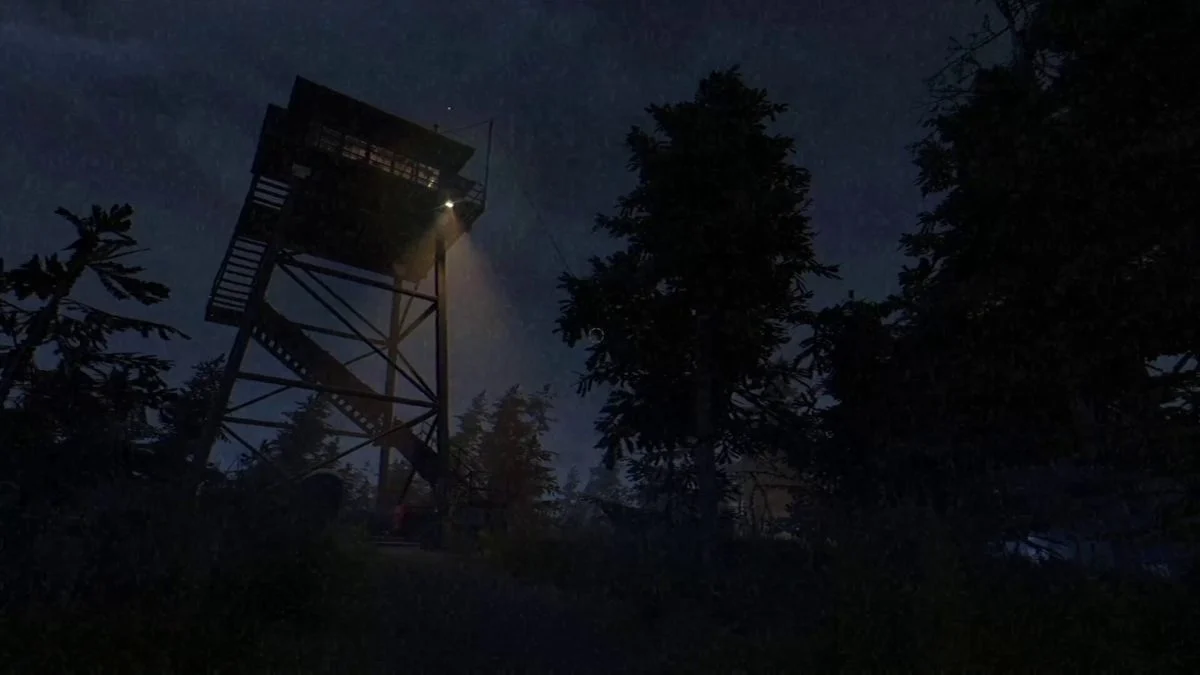
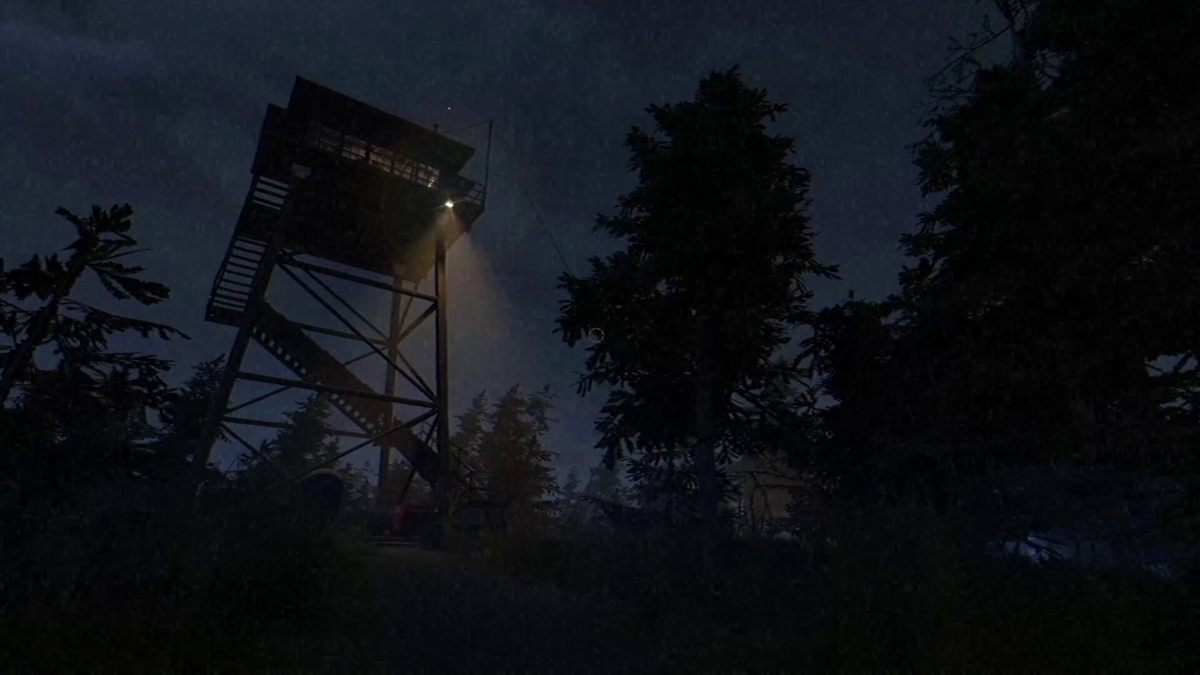
A significant development in the Fears to Fathom series is the introduction of an interconnected narrative. The latest episode, part of the "[Together]" series, links "Ironbark Lookout" and "Scratch Creek" by featuring the same cult. This move officially establishes an in-game universe, suggesting a deliberate effort to build a cohesive lore beyond individual, self-contained horror stories.
"Ironbark Lookout" is set in 2002, while "Scratch Creek" has a more ambiguous date, only specified as April 20XX. The fictional cult, "The Covenant of Old Scratch," and the events surrounding it, are presented as recent enough that they would likely have generated news coverage if they were real, especially given the potential for witnesses. The fact that no verifiable news reports exist for these specific cult-related crimes suggests that they are indeed fictional creations.
The developer’s decision to create a fictitious cult, rather than drawing from known real-world groups like the Ku Klux Klan (which is mentioned as a comparison), further underscores the game’s fictional nature. This choice allows for greater narrative freedom and avoids the complexities and sensitivities associated with real hate groups. It is a clear indication that Fears to Fathom is employing popular horror tropes, such as the enigmatic cult, to generate dread. Inspiration, therefore, may stem from a blend of submitted emails, online stories with questionable veracity, and the developer’s own creative reimagining of chilling scenarios.
The Illusion of Reality: Why Fears to Fathom Still Terrifies
Despite the evidence suggesting that the stories are not literal accounts, Fears to Fathom succeeds in creating a profound sense of realism. The game’s strength lies in its ability to depict scenarios that, while potentially exaggerated, are fundamentally plausible. The horror it presents is the kind that could, in theory, happen to anyone. This inherent plausibility is the cornerstone of its effectiveness.
However, players must acknowledge that within the game’s narrative, certain elements are clearly fictionalized for dramatic effect. For example, in "Home Alone," the abrupt teleportation of the home invader from within the house to the front door is a narrative device designed to shock and disorient the player, rather than a realistic depiction of movement. Such moments, while effective in heightening tension, require the player to suspend disbelief.
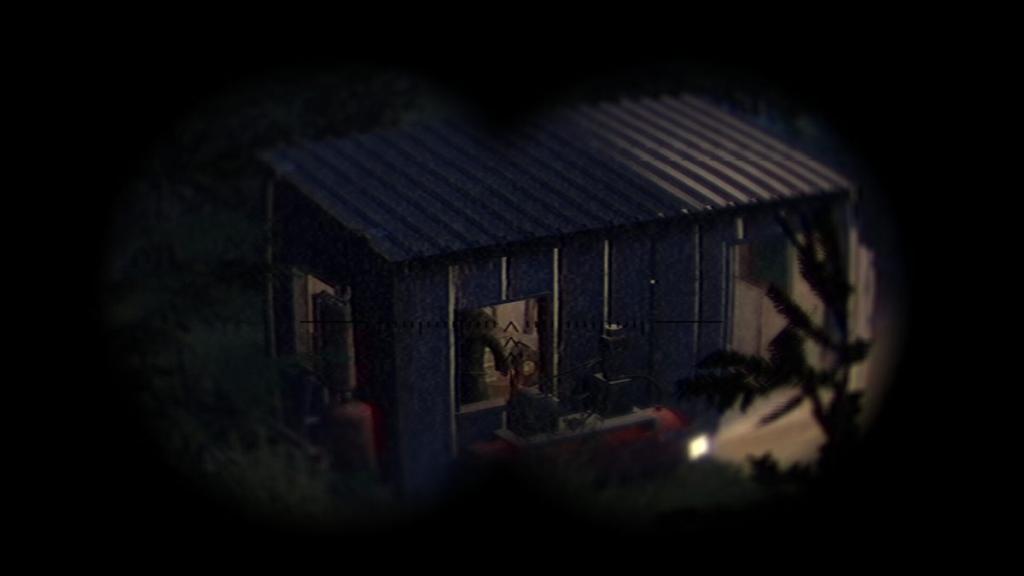
Ultimately, Fears to Fathom is not a documentary but a collection of chilling tales that tap into very real human fears. The series masterfully crafts narratives around anxieties related to home invasion, stalking, encounters with dangerous individuals, and even extreme scenarios like cult activities. Whether rayll meticulously verifies every submitted story or uses them as springboards for entirely fictional narratives remains a point of speculation. Nevertheless, the game’s inherent creepiness and its ability to evoke a visceral sense of dread are undeniable. The truth of the stories may be elusive, but the fear they generate is very real, solidifying Fears to Fathom‘s position as a compelling and impactful horror experience. The game’s success lies not in its absolute factual accuracy, but in its potent evocation of plausible, everyday nightmares, masterfully woven into an engaging and terrifying interactive format.