


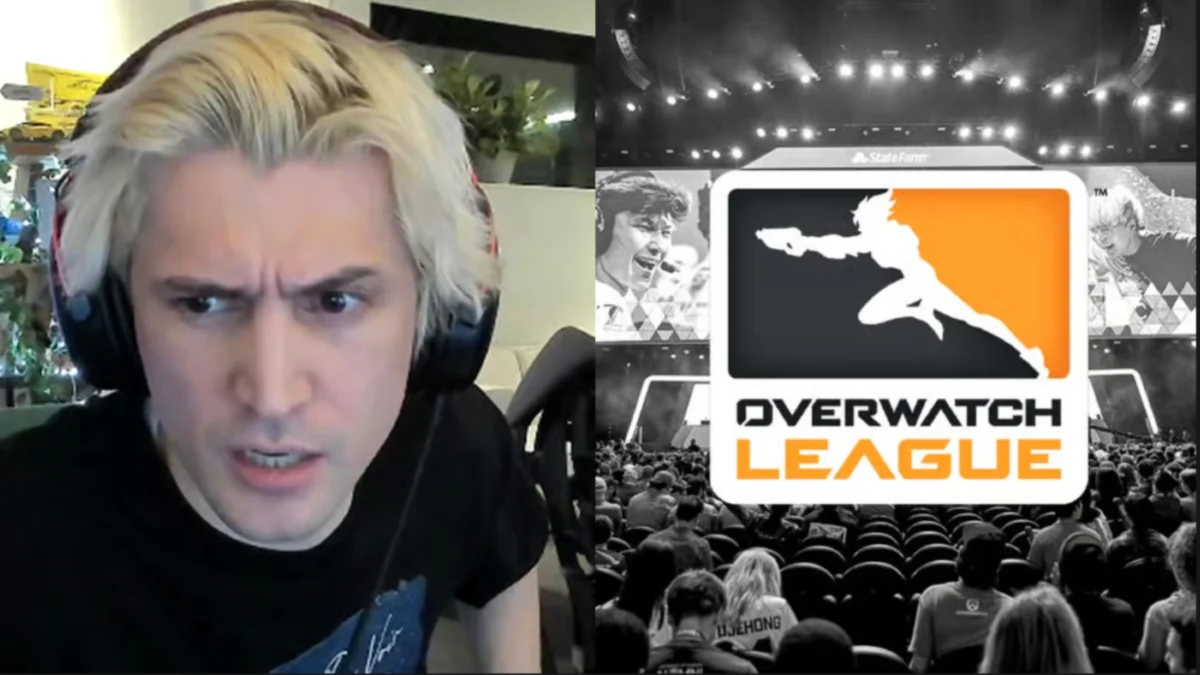
Felix "xQc" Lengyel, a prominent figure in the esports and streaming community, has leveled serious accusations against the Overwatch League (OWL), alleging that the league artificially inflated its viewership numbers through the use of viewbots. These claims, made during a recent livestream, have cast a shadow over the league’s reported success and, according to Lengyel himself, played a significant role in his decision to step away from professional Overwatch competition.
The controversy erupted when Lengyel was discussing a 2019 statement made by entrepreneur Mark Cuban, who had claimed the Overwatch League had achieved a peak concurrent viewership of 300,000. Lengyel vehemently disputed these figures, asserting that the true viewership was drastically lower, estimating it to be around 14,000. He characterized the alleged inflation as "comical" and suggested a concerted effort by the league to conceal its actual audience size for multiple years.
"These numbers were so botted, it’s comical," Lengyel stated during his stream. "Brother, for multiple years, they tried to hide the numbers."
The Genesis of the Allegations: An Insider’s Account
Lengyel elaborated on the origins of his claims, recounting an interaction from the league’s early testing phase. He stated that during the preseason, the Overwatch League was tested on Major League Gaming (MLG) platforms. According to Lengyel, an unnamed "insider whistleblower" provided him with data revealing the actual number of viewers during these tests. This information, he contends, significantly differed from the publicly presented figures and contributed to his disillusionment with the professional scene.
"They ran a test on MLG," Lengyel explained. "For the preseason, they said, ‘we’re going to run Overwatch League on MLG TV.’ And I had an insider whistleblower that was talking to me. I’m not going to say who. And he told me the numbers of how many people were actually watching. And I went, ‘Yo!?’"
While Lengyel presented these allegations with conviction, he did not offer specific evidence to corroborate his claims, nor did he identify the source of this purported insider information. The absence of verifiable proof leaves these assertions open to scrutiny and debate within the esports community.
Impact on Professional Career Decisions
The implications of these alleged viewership manipulations, Lengyel suggests, extended beyond mere dissatisfaction with league statistics; they directly influenced his career trajectory. He revealed that even after signing contracts to compete in the Overwatch League, the revelations about inflated viewership numbers prompted him to begin planning his exit.
"I had already signed the contracts to play in the Overwatch League," Lengyel stated. "When I heard that, I was like… I’m already starting to organize my exit. How am I going to market myself as a 10k Andy to a 14k Andy stream?" The "10k Andy" and "14k Andy" likely refer to viewership figures, indicating his concern about building a personal brand and career on a foundation of what he perceived to be artificially boosted league numbers.
Furthermore, Lengyel highlighted the restrictive nature of Overwatch League contracts as another significant deterrent to his continued participation. He detailed how these agreements limited his ability to engage in other content creation activities, particularly streaming during official match days. This restriction, he argued, created an unfavorable imbalance between the demands of professional play and the potential for personal growth and revenue generation.
"Why would I take days off to practice? Go to the office, practice. Do scrims. Do matches. I can’t stream, I can’t make videos, I can’t vlog," he explained. "I wasn’t even allowed to stream when the games were live. So why would I lose everything with nothing to gain? It’s just about the exchange of value." This sentiment underscores a perceived lack of reciprocal benefit in his professional commitments, leading him to prioritize avenues that offered greater creative freedom and potential for personal brand development.
The Overwatch League: A Brief History and Context
Launched in 2018 by Blizzard Entertainment, the Overwatch League was envisioned as a premier franchised esports league, mirroring traditional sports models. It aimed to establish a sustainable and professional ecosystem for competitive Overwatch, featuring city-based franchises and a structured season culminating in playoffs and a grand finals. The league attracted significant investment, with franchise slots reportedly costing millions of dollars.
Early on, the OWL garnered considerable attention, both positive and negative. While some broadcasts achieved impressive viewership figures, particularly during major tournaments and playoff stages, questions regarding the sustainability and organic growth of its audience have persisted. The league’s reliance on Blizzard’s proprietary game engine and its distinct operational structure also set it apart from other major esports titles.
The league’s viewership metrics have been a subject of ongoing discussion. While official reports from Blizzard and league operators have often highlighted growth and peak numbers, independent analysis and community speculation have sometimes painted a different picture. The claim of viewbotting, if substantiated, would represent a serious ethical and potentially legal breach, aimed at misleading stakeholders, advertisers, and the public about the league’s true reach and influence.
The Role of Viewbotting in Esports
Viewbotting refers to the practice of using automated programs to artificially inflate the number of viewers on a live streaming platform. This is typically done to create an illusion of popularity and engagement, which can be leveraged for various purposes, including attracting sponsors, securing investment, and boosting the perceived value of a streamer or league. While common among individual streamers aiming to grow their audience, allegations of such practices at the league level are far more serious, impacting the integrity of the entire competitive ecosystem.
In the context of professional esports leagues, inflated viewership numbers can lead to:
- Misleading Sponsorship Deals: Advertisers may pay premium rates based on inflated audience figures, leading to financial losses for sponsors if the actual viewership is significantly lower.
- Investor Confidence: Investors might be persuaded to commit capital based on a perception of rapid and widespread popularity that is not genuine.
- Talent Acquisition and Retention: Players and staff might be drawn to a league believing it to be more successful and stable than it is.
- Public Perception: A league might gain an undeserved reputation for popularity, influencing media coverage and general interest.
The Overwatch League, like any major esports property, is heavily reliant on its perceived popularity to secure lucrative partnerships and maintain its standing in the competitive landscape. Therefore, any suggestion of artificial inflation carries significant weight.
Potential Ramifications and Broader Implications
Lengyel’s accusations, even without concrete proof, have ignited a crucial conversation about transparency and accountability in esports viewership reporting. If these allegations were to be investigated and proven, the consequences for the Overwatch League could be severe. This could include:
- Loss of Credibility: The league’s reputation would be severely damaged, potentially leading to a loss of trust among fans, players, and partners.
- Legal and Financial Repercussions: Sponsors and investors who feel misled could pursue legal action, leading to substantial financial penalties.
- Regulatory Scrutiny: Governing bodies and regulatory organizations within esports might launch investigations, potentially leading to sanctions against the league and its operators.
- Impact on Franchise Value: The value of OWL franchise slots could plummet if the league’s financial health and audience engagement are called into question.
For players like Lengyel, the alleged deception represents a fundamental breach of trust. His decision to leave professional play highlights the dilemma faced by competitors who invest their time and talent into a system they believe may be built on a foundation of falsehoods. The struggle to balance personal brand building with the restrictive demands of league play, coupled with concerns about the league’s integrity, presents a complex challenge for many esports athletes.
As of now, the Overwatch League and Blizzard Entertainment have not issued an official statement in direct response to Lengyel’s specific allegations of viewbotting. However, the broadcasting and reporting of viewership figures in esports remain a sensitive topic. The controversy surrounding xQc’s claims serves as a stark reminder of the importance of authentic audience engagement and transparent reporting in maintaining the health and integrity of the competitive gaming industry. The esports world will be watching closely for any further developments or official responses to these serious accusations.