


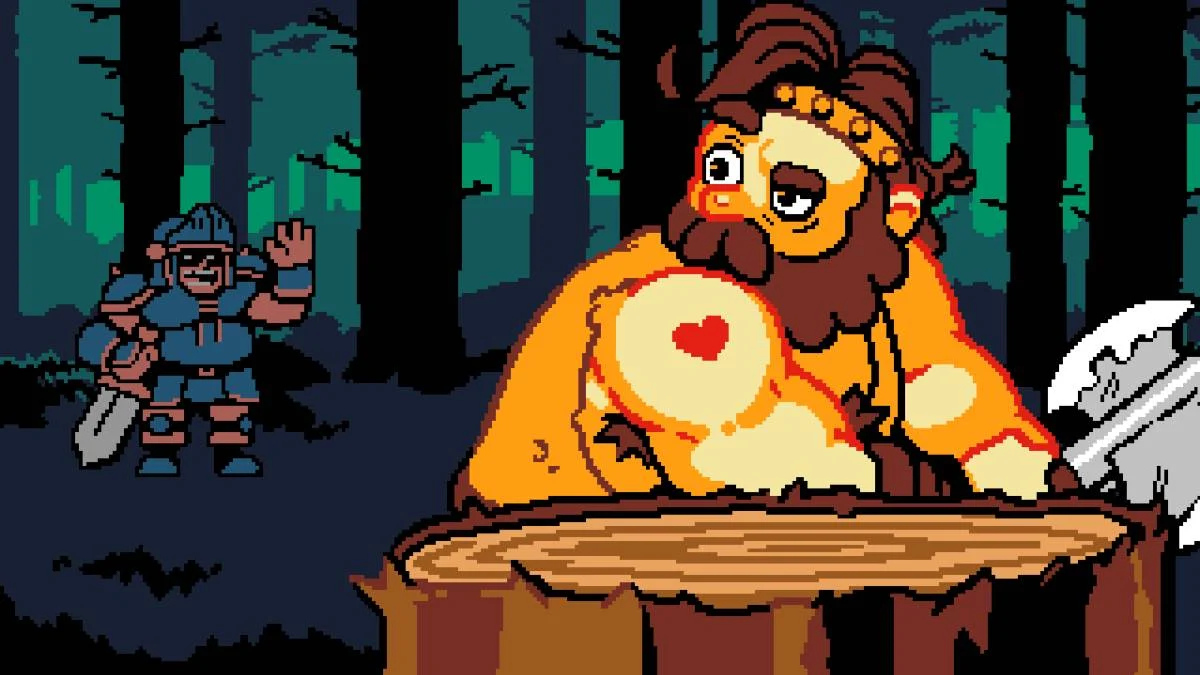
The pursuit of overcoming difficult video games has long been a defining characteristic for a dedicated segment of the gaming community. This drive, often fueled by a potent cocktail of pride, ego, and the desire for validation, transcends mere entertainment, evolving into a profound personal challenge. From the pixelated trials of early 3D platformers like Crash Bandicoot’s "Cold Hard Crash" and the intricate aerial navigation required in Spyro the Dragon’s "Tree Tops," to the unforgiving nature of permadeath in The Lost World: Jurassic Park and the mastery demanded by TimeSplitters’ Platinum challenges, these early experiences forged a lasting appreciation for games that push players to their limits. This enduring fascination with difficulty has found new life in contemporary titles such as Elden Ring, Nine Sols, and Fear & Hunger, where the satisfaction of overcoming formidable obstacles, epitomized by phrases like "PREY SLAUGHTERED," continues to resonate deeply. The insatiable demand for more significant challenges has led many to seek out experiences that can truly test their mettle, a quest that recently brought the game Dark Scrolls by developer doinksoft into focus.
Dark Scrolls, a visually striking 2D adventure game, presents an immediate aesthetic appeal with its vibrant animation and a seemingly minimalist control scheme of only three buttons. Coupled with the promise of hidden secrets and an intrinsic gameplay loop designed to encourage persistence, the game initially appears to be a masterclass in retro-inspired design. Developer doinksoft, known for previous titles like Gato Roboto, Demon Throttle, and the critically acclaimed Gunbrella, has a proven track record of delivering engaging and charming experiences that evoke a sense of nostalgia while offering modern gameplay sensibilities. However, despite its promising facade, Dark Scrolls encounters certain hurdles that temper its potential.
In true retro fashion, Dark Scrolls embraces a design philosophy centered on simplicity. The core gameplay loop, characterized by auto-scrolling environments and a three-button combat system, can, at times, feel slow and repetitive. Yet, this deliberate pacing and the lack of overt guidance are reminiscent of the learning curves found in early PlayStation 1 2D platformers. Unlike many contemporary titles that offer extensive tutorials and hand-holding, Dark Scrolls expects players to decipher its mechanics and objectives through experimentation. This approach, while refreshing for those who appreciate a challenge, can lead to an initial period of confusion as players grapple with understanding the game’s objectives and the distinct ultimate abilities and unique perk systems possessed by its three starting characters. This initial complexity, however, belies a more significant issue that emerges once the fundamental mechanics are mastered.
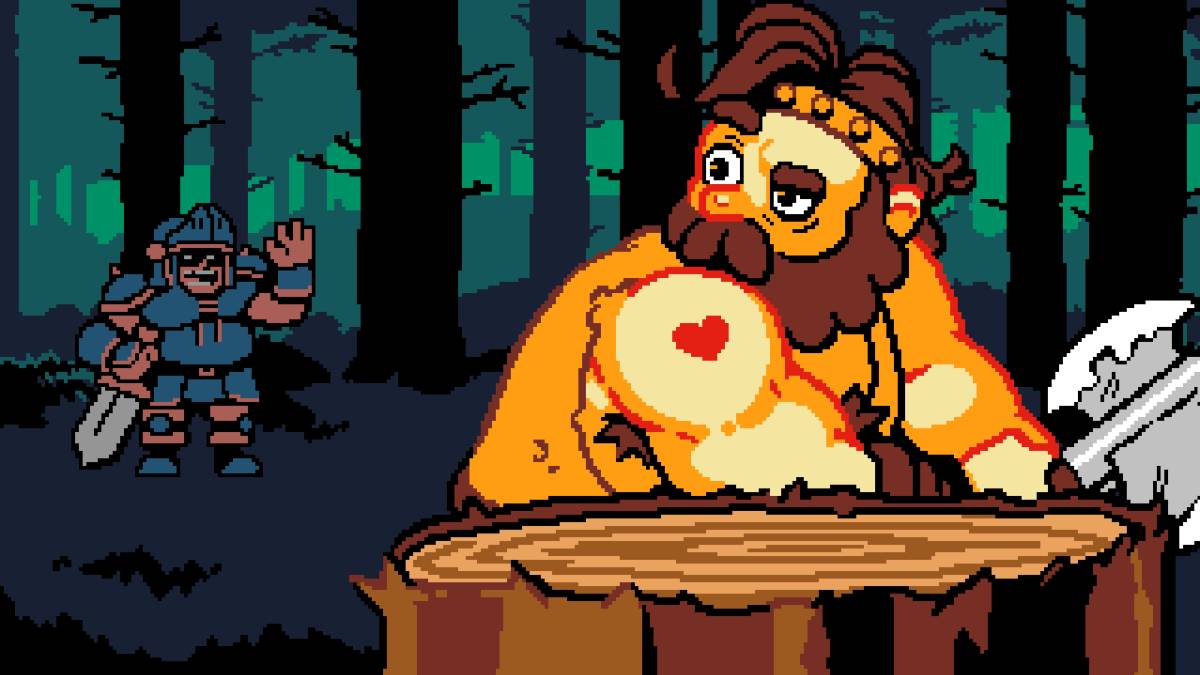
The game’s appeal is significantly bolstered by its emphasis on secrets. The prospect of uncovering hidden areas, encountering new bosses, and discovering enigmatic items that defy immediate comprehension incentivizes repeated playthroughs and experimentation. This secret-hunting aspect fosters a strong sense of player investment. However, certain design choices, such as the reliance on jarring honking sounds in lieu of dialogue for in-game communication, strike a discordant note. These idiosyncrasies, while present, are ultimately overshadowed by the game’s most critical flaw: once the core gameplay loop is understood, Dark Scrolls rapidly loses its challenging edge, becoming considerably too easy.
This descent into simplicity after an initial learning curve draws parallels to the experiences of players engaging with notoriously difficult titles. Games like Sekiro: Shadows Die Twice and Elden Ring, while offering immense satisfaction upon completion, often provoke a series of profound questions for the player. These might include reflections on the developer’s design intentions ("Who said this was okay?"), the perceived difficulty of the challenges presented ("Has the developer even beaten this boss?"), and even existential queries born from repeated failure ("Does God hate me?").
Genuinely challenging games possess a unique power to induce an existential crisis, forcing players to re-evaluate their perceived limitations and push past their breaking points. This level of difficulty can be likened to participating in the Olympic Games or embarking on a journey to the moon, offering a profound sense of accomplishment that feels almost transcendent. The arduous journey through an exceptionally difficult game, culminating in victory, can feel like a step towards a significant personal achievement, akin to a spiritual milestone. It was this anticipated sense of profound challenge that the author sought in Dark Scrolls, a hope that, unfortunately, remained unfulfilled.
This assessment does not diminish the overall quality of Dark Scrolls. On the contrary, the game offers a potentially enjoyable experience, particularly for players who relish the thrill of discovery and secret-hunting. It represents a modern, arcade-inspired attempt at a retro-styled platformer that prioritizes player enjoyment. Nevertheless, it inevitably invites comparisons to titles that have more successfully captured the essence of challenging, yet rewarding, gameplay.
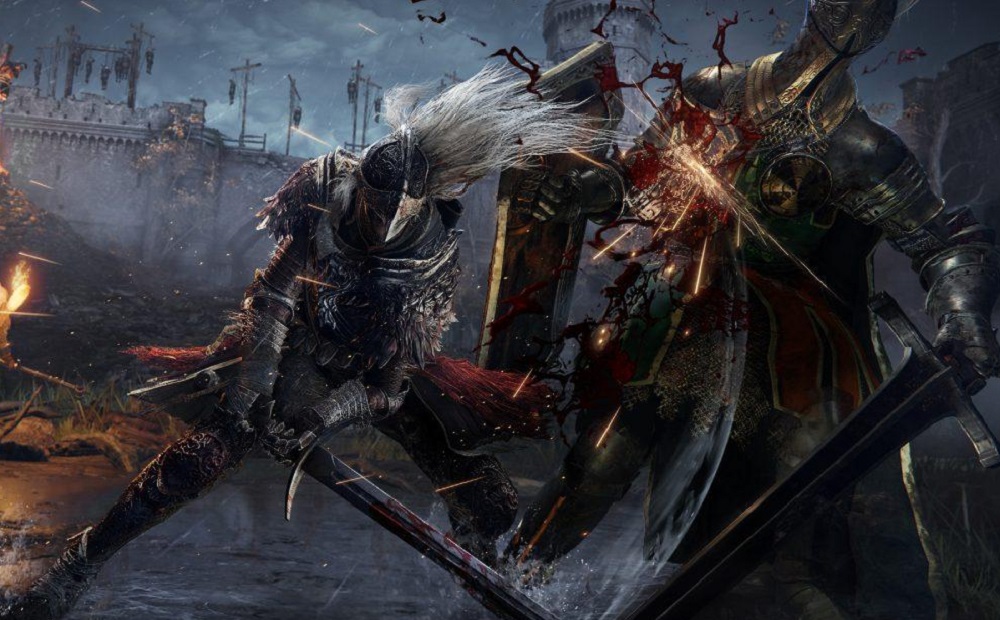
The Unrivaled Benchmark: Cuphead’s Enduring Legacy of Difficulty
The game that most consistently comes to mind when discussing modern side-scrolling challenges that fulfill the promise of true difficulty is Cuphead. This title, developed by Studio MDHR, became a phenomenon not just for its stunning, hand-drawn 1930s animation style but for its relentless and unforgiving gameplay. Cuphead famously tested the mettle of even seasoned game journalists, with many finding the initial stages to be a formidable barrier. The game demands an almost superhuman level of precision, requiring players to practice, adapt, and persevere through countless attempts.
Cuphead operates on a frame-by-frame basis, demanding absolute perfection and unwavering focus. Players are challenged not only by the intricate enemy attack patterns and boss mechanics but also by the sheer visual spectacle of the game. The glorious, jaw-dropping animation, while a feast for the eyes, can also serve as a distraction, requiring players to "lock in," to avoid blinking, and to maintain a perfect rhythm. The brief, intense minutes spent in each level often feel like an eternity, transforming players into more resilient individuals through sheer determination and the refusal to give up.
In contrast, the author found that in games like Dark Scrolls, the mind can easily wander. The predictability and exploitable mechanics of Dark Scrolls allow for a degree of complacency that is antithetical to the experience offered by Cuphead. The ease with which Dark Scrolls can be "cheesed" – by employing repetitive button-mashing or exploiting invincibility frames through specific character abilities, such as Grizz’s slam – means that the entire game can be overcome within a mere two hours of play. This discovery, while a testament to player ingenuity, also highlights the fundamental lack of sustained challenge that the author was seeking.
The Modern Landscape of High-Stakes Gaming
The search for games that offer a challenge akin to Cuphead has, in recent years, largely been confined to the metroidvania and Souls-like genres. These genres, by their very nature, often incorporate intricate level design, punishing combat, and significant boss encounters that demand meticulous preparation and execution. While FromSoftware, the developer behind titles like Elden Ring and the Dark Souls series, has undeniably set the gold standard for this type of challenging gameplay, there remains a desire for experiences that offer a similar level of intensity within different frameworks.

The appeal of Cuphead lies in its ability to create a hyper-focused, adrenaline-fueled experience. Each successful dodge, parry, and shot feels earned, a direct result of the player’s improved skill and understanding of the game’s intricate systems. This is the kind of challenge that fosters a genuine sense of accomplishment and personal growth. Without this level of demand, the gaming experience can feel hollow, leading to a yearning for titles that can truly test the limits of a player’s patience and proficiency. The author expresses a clear sentiment that without such a demanding experience, the alternative might be to revert to older, more mechanically challenging games, even if it means dusting off a PlayStation 1.
The implications of this ongoing quest for difficulty are multifaceted. For developers, it highlights a significant market segment that actively seeks out demanding gameplay experiences. This can influence design decisions, encouraging a move away from overly accessible mechanics towards more intricate and rewarding challenges. For players, it underscores the value placed on games that offer more than just passive entertainment, games that require dedication, learning, and a significant investment of time and effort. The satisfaction derived from overcoming a truly difficult game is a unique form of reward that fosters a deeper connection with the medium and a lasting sense of personal achievement. As the gaming landscape continues to evolve, the demand for challenging experiences, exemplified by the enduring legacy of games like Cuphead and the aspirations for titles like Dark Scrolls, will undoubtedly continue to shape the industry and the experiences of its most dedicated players.